
Mahjong Clubs in Baltimore: Where to Play & How to Join
Last updated: Nov 23, 2026
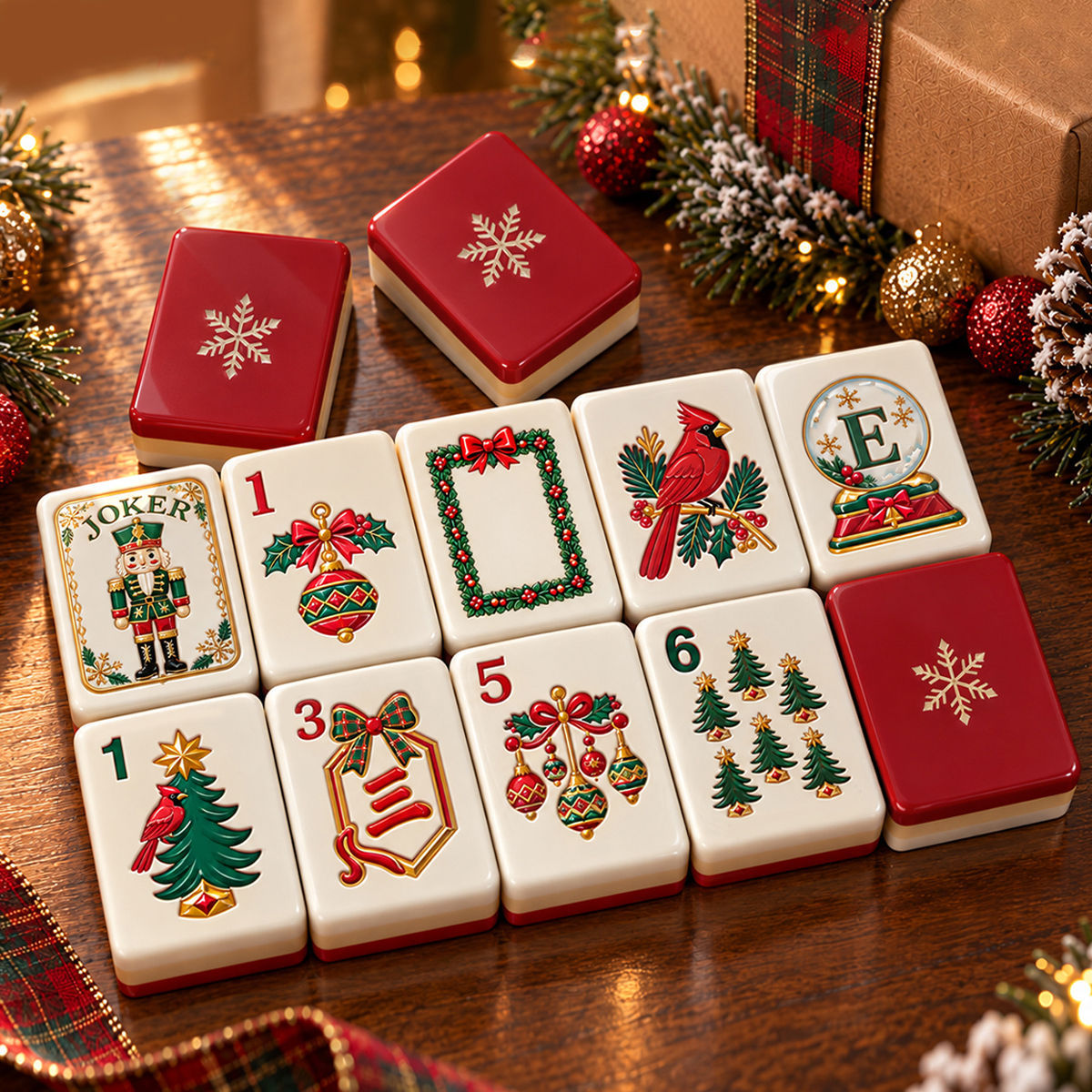
Baltimore's mahjong community gathers in community centers, libraries, synagogues, and country clubs across the city and surrounding areas—check local bulletin boards, Meetup.com, and Facebook groups for current schedules. Most clubs meet weekly and welcome beginners; American mahjong (the 152-tile variant played with the National Mah Jongg League card) dominates the region, though some groups play Chinese or other variants. Entry typically involves a small table fee or contribution toward snacks. Before joining, ask whether the club uses a specific house-rule variant, what tile set style they prefer, and whether you need to bring your own equipment or if sets are provided. Starting with established beginner guides helps you learn the fundamentals before your first game; many Baltimore players invest in a personal set so they're familiar with tile weight and feel when they arrive.
🀄 Shop best-selling mahjong sets →
Where exactly do Baltimore mahjong clubs meet?
Community centers, public libraries, synagogues, and country clubs throughout Baltimore and its suburbs host regular mahjong games. Search your neighborhood recreation department's program guide, call the main branch of the Baltimore County Public Library or Pratt Library, and check synagogue bulletin boards—many Jewish community centers have long-standing weekly games. Facebook groups dedicated to Maryland or Baltimore mahjong players often list meeting locations and times. Meetup.com occasionally hosts mahjong groups in the Baltimore area, though organizers change; filter by "mahjong" and your zip code to catch active ones.

How do I know if a Baltimore club is right for my level?
Ask the organizer three things: Do they have a "beginners' table," or do all players mix experience levels? What variant do they play—American (with the NMJL card), Chinese, Hong Kong, or Riichi? Do experienced players mentor newcomers during games, or is it assumed you already know the rules? Many Baltimore clubs warmly integrate beginners but run fast; others deliberately slow down teaching games. Call ahead or attend once to watch before committing. Clubs that advertise "open to all skill levels" and have 8+ regular players tend to have table flexibility.
What equipment should I bring to a Baltimore mahjong game?
If the club provides sets, ask about their condition—worn tiles or missing jokers slow play. Bringing your own set ensures you're comfortable with the tile weight, size, and pushers (which protect your hand from neighbors' eyes). A personal best-selling acrylic set eliminates table friction: tiles slide smoothly on a mat, pushers work consistently, and you control the joker count. Bring a scorepad, a pen, and familiarity with the current National Mah Jongg League card if your club plays American rules—download it free from the NMJL website in spring. Arrive 15 minutes early to join the Charleston (tile-passing ritual) and watch one hand.
What are common house rules Baltimore players use?
Baltimore American mahjong groups typically follow NMJL official rules but may adopt local variations: some allow "courtesy calls" (announcing your position before declaring a win), others do not; some penalize slower players by skipping their turn if they exceed a time limit; many use a "reset" rule for ties or thrown games. Always ask the organizer before your first game: Do you rotate positions clockwise or by deal? Is there a minimum hand value (point threshold) to win, or can you win any legal hand? Do jokers ever carry special scoring penalties? Ask during the Charleston setup—never mid-hand. Watching one full round clarifies house style faster than a verbal explanation.
How much does it cost to join a Baltimore mahjong club?
Most casual neighborhood clubs ask for a small weekly table contribution (typically shared for snacks or as a club donation) or play for nominal stakes—never high money, usually a few dollars per hand. Ask directly: "What's the table fee, and what's the highest anyone ever wins or loses in a night?" Clubs at community centers or libraries may charge a per-session class fee or annual membership. There's no financial commitment to visit first; most organizers encourage newcomers to observe a game free before paying. Playing for fun (no money) is also common in many Baltimore groups—always confirm upfront.
Club Type | Where to Find | Beginner-Friendly? | Why It Works |
Community center league | City/county recreation websites | Usually yes | Trained facilitators, consistent schedule |
Library program | Local library branch desk | Yes | Free or low-cost, central location |
Synagogue group | Bulletin board or call main office | Often yes | Welcoming culture, social aspect |
Country club circle | Ask at membership office | Variable | Steady players, elegant setting |
Meetup/Facebook group | Search online by zip code | Varies | Flexible, self-organized, current |
Neighborhood home game | Word-of-mouth, ask players | Sometimes | Casual, but house rules may be quirky |

What should you check before you pick a club?
Before committing to regular play, verify these specifics with the organizer:
Variant & card: Do they play American (NMJL card), Chinese, Hong Kong, or Riichi? American and Chinese rule sets are incompatible mid-game.
Pace: Are games fast (two hands per hour) or leisurely (one hand per hour)? Beginners need slower rhythm.
Set style: Do they use 160-tile acrylic sets, traditional jade/bone, or mixed? Acrylic tiles are standard in Baltimore clubs and easiest for new players to learn on.
Mentoring: Will someone teach you the current card, or are you expected to know it before arrival?
Schedule: Is the game weekly, monthly, or ad hoc? Consistent schedule helps you build confidence.
Buy-in & stakes: What's the table fee, and does anyone play for money? Ask the organizer directly and listen to how comfortable the room sounds answering.
🎁 See our most-loved mahjong sets & accessories →
A beginner's first-night checklist
Call ahead – Confirm the date, time, address, and whether you should bring anything.
Arrive early – 15 minutes early gives you time to meet organizers and watch a Charleston.
Bring a notepad – Write down house rules, the organizer's name/phone, and any hand patterns that confuse you.
Watch the first hand silently – Observe tile drawing, exposure, and winning; don't ask questions during play.
Ask about beginner-friendly resources – Many Baltimore clubs recommend guides on reading the mahjong card or understanding jokers.
Attend twice before deciding – House culture varies; two visits reveal the true fit.
Buy or borrow a personal set – After your second visit, owning a set builds confidence and respect at the table.
Why Baltimore players invest in their own set
Many Baltimore regulars own a personal set from our collection because club sets wear unevenly—missing jokers, faded tile numbers, and sticky pushers slow every hand. A consistent personal set means you know tile weight and feel before you sit down, you're never hunting for a matching joker, and you control the game's pace. Most players use an acrylic set (durable, easy to read, light enough to travel) and pair it with a protective bag for car transport to the club. After a few months of regular play, a personal set pays for itself in saved frustration and faster learning.
✨ Find your Mahstead set — free US shipping →
Next steps: Learning before you play
Before your first Baltimore game, spend an hour on the mahjong-for-beginners guide and watch one or two video tutorials on the Charleston. Understanding how tiles are drawn, how the card is read, and what an exposure means will make your first night far less intimidating. Ask the club organizer which resources they recommend—some groups have beginner primers or video links they share. Many Baltimore clubs run a "new player practice hand" before the main round, which is your chance to ask questions freely. Most groups are patient with beginners, but arriving prepared shows respect for the table's time.

FAQ
Are there any Baltimore mahjong clubs specifically for complete beginners?
Community centers and libraries often run beginner-focused sessions separate from experienced games; call your local recreation department or library to ask about a "mahjong class" or "beginner circle." Synagogues sometimes run monthly teaching games. Start there, then graduate to a regular club.
Can I play American mahjong in Baltimore if I've only ever played Chinese or Hong Kong?
Yes, but rules differ significantly—American uses jokers that expose, has no sequences (chows), and hand calls come from the NMJL card only. Expect a 30-minute learning curve. Tell your club organizer in advance so they can guide you through one hand before official play.
What's the National Mah Jongg League (NMJL) and why does Baltimore care?
The NMJL publishes the official card of legal hands for American mahjong each spring; it changes annually. All formal American games in Baltimore use the current card. You can download it free from the NMJL website or borrow from the club.
If I don't have my own set, can I still attend a Baltimore club?
Yes—most clubs provide sets for shared use. However, borrowed sets are often worn, tiles may stick, or jokers go missing. Bring a notepad instead and ask if you can just observe the first night to decide whether to buy a personal set later.
How often should I attend to actually get good at mahjong?
Weekly play for 8–12 weeks builds real comfort with the card, tile types, and house culture. Sporadic attendance (once monthly) keeps you stuck in beginner mode; aim for twice a month minimum once you find a club you like.
Do Baltimore clubs expect me to pay more if I'm a beginner?
No. Table fees and stakes are the same for all players at that table. Some clubs have "teaching tables" with lower stakes—ask upfront if cost is a concern.


View More
View More
View More
