
Is Mahjong Good for Moms? Yes—Here's Why
Last updated: Nov 23, 2026
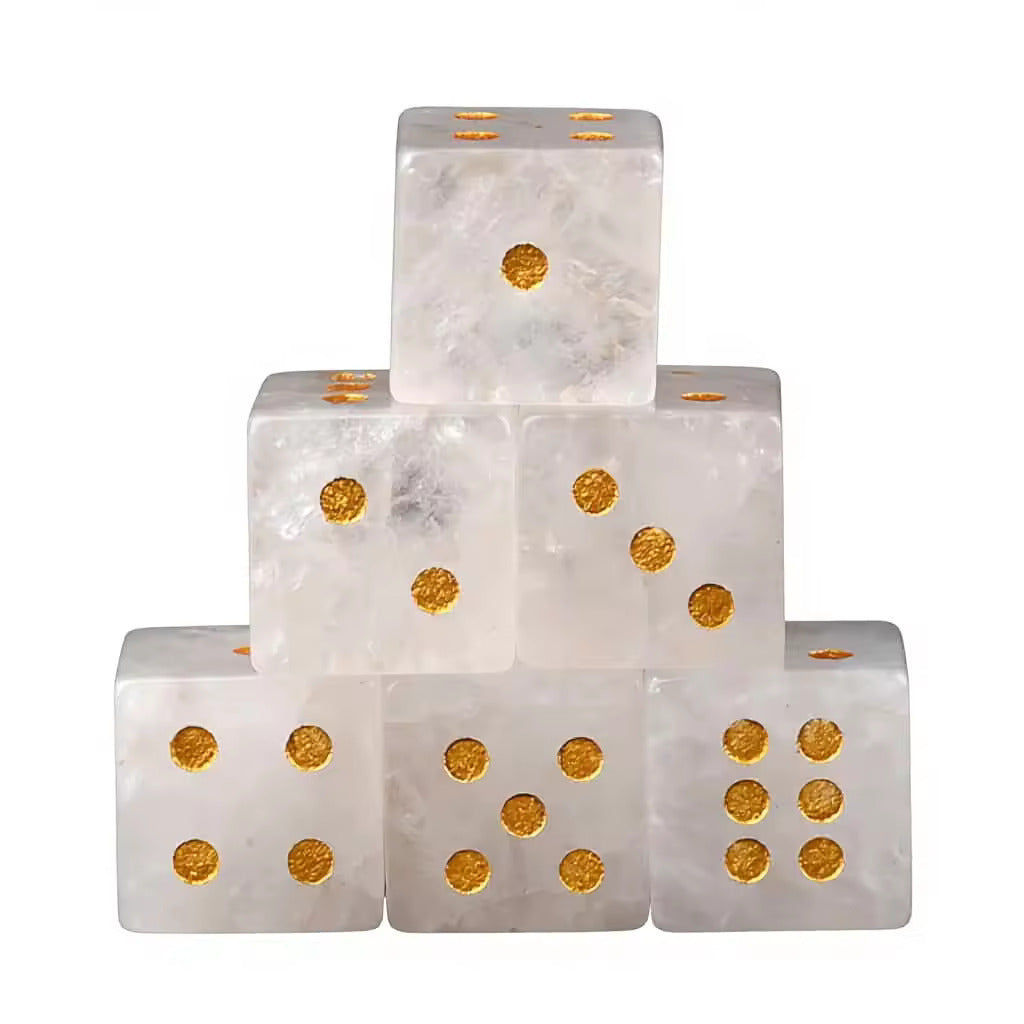
Yes, mahjong is genuinely good for moms. It combines strategic thinking (which keeps your mind sharp), social connection (which cuts stress), and a tangible weekly ritual separate from family demands. A typical game lasts 60–90 minutes and requires only four players and a 160-tile set—no app, no algorithm. Most moms who join a regular game report clearer thinking, better sleep, and friendships that extend beyond the table. The barrier to entry is low: you can learn the basics in one session and start building hands from the current year's National Mah Jongg League card immediately. Whether you play American, Chinese, or another variant, the pattern recognition and forward planning engage your brain differently than work or parenting stress. Mahstead's best-selling American mahjong sets come ready to play with clear, readable tiles and free US shipping, so starting a game at home costs less time than setting up logistics.
What exactly does mahjong do for a mom's brain?
Mahjong activates pattern recognition, short-term memory, and strategic planning—three systems that light up differently than scrolling or multitasking. You're tracking discard piles, remembering which tiles have left the table, calculating probabilities, and reading another player's strategy all at once. Research from cognitive psychology labs shows tile-matching games strengthen working memory and reduce decision fatigue when played regularly. For moms, this often means the 90 minutes of mahjong feels like a brain reset: you can't parent, work email, or worry about schedules while concentrating on a hand. Many of our regular players tell us they sleep better on game nights because their minds are engaged in something concrete and finite—a game ends, the win or loss is real, and then you step back into your week with clearer focus.
🀄 Shop best-selling mahjong sets →

Does mahjong actually reduce stress, or is it just sitting down?
The stress relief is real, but it comes from three layers, not just rest. First, you're in a fixed social group where the only agenda is the game—no competing demands. Second, the competition is low-stakes (most home games play for no money, or a symbolic amount), so you're not fighting for resources, just skill and luck. Third, each hand is discrete: a round ends in 10–15 minutes, so there's a rhythm of small wins and resets that triggers the same reward response as finishing a task. Studies on game-playing and cortisol levels show that strategic games with peers lower stress markers more than passive relaxation. The weekly appointment also anchors your week: you know Tuesday night is yours, which cuts the background anxiety of "when do I have time for me?" For moms juggling work, kids, and invisible labor, that anchor matters more than the game itself.
How much time does mahjong actually take—for learning and for playing?
Learning: one session if you have a patient teacher, two to three if you're self-teaching from a rulebook. Most new players can read a hand, understand jokers, and make a first call within 60 minutes once they see it in motion. Playing: a single game (four hands of tiles, one winner) takes 60–90 minutes with experienced players, longer with new ones. A weekly game night is a two-hour block. The National Mah Jongg League card, which updates every spring, means you're always working from current hands—no memorizing dozens of variations. Many moms schedule one night a week (often Thursday or Friday to separate it from family dinner nights) and find it's more sustainable than a gym membership or hobby that requires travel or equipment storage. Start with learning the basics of American mahjong so you can build that first game.
Where do moms actually find other players?
Community centers, libraries, synagogues, country clubs, and neighborhood Facebook groups are the main gathering spots. Post in a local parent group or ask at your library if they host a game; many do Monday or Wednesday afternoons. Some regions have formal mahjong leagues, but you don't need to join one—a living room with four friends works just as well. The advantage of finding a regular group (rather than casino or club play) is consistency: the same four or five people, the same time each week, and the chance to build friendships that aren't transactional. Online tutorials and apps help you learn the rules before you show up, so you're not slowing down a table of experienced players. Once you've played a few hands, you'll know the rhythm and can join new groups with confidence.

What should a mom buy to host or join a game?
You need exactly four players and a 160-tile American mahjong set (which includes a spare jokers and tiles for repairs). A mat is optional but widely loved—it keeps tiles from sliding and marks each player's position. Racks with pushers help organize your tiles so you can see them clearly and push tiles forward to claim them. A bag or case matters if you're rotating hosting duties or traveling to another player's home. Our best-selling mahjong sets come with clear, readable tiles and ship free across the US; our mahjong mats reduce setup time and accidents. If you're the mom starting the game, investing in a nice set signals that this is a real weekly commitment—not something you'll abandon in two months.
Equipment checklist for moms hosting at home
Item | Who needs it | Why it matters | Where to start |
160-tile set | Everyone | Tiles only play if all 152 + spares are there | |
Mat | Host + regulars | Protects table, speeds setup, shows professionalism | |
Racks + pushers | Optional, personal | Easier tile management, cleaner hand display | |
Case or bag | Traveling players | Fits set + mat, prevents tiles from spilling | |
Current year NMJL card | All players | Rules change annually; card shows legal hands only | Find at libraries or online retailers |
🎁 See our most-loved mahjong sets & accessories →
Is mahjong expensive to start, or can you play with a small budget?
A single 160-tile set (the full amount needed to play one game) costs less than a month of coffee outings and lasts years if the tiles are acrylic and sealed properly. You don't need a mat, case, or racks to play—a flat table and an open mind work fine. If you're joining a group someone else hosts, you buy nothing upfront except, optionally, bringing snacks or chips for the next game. If you're hosting, a set and mat are a one-time investment that spreads across years of weekly games. Many moms I know bought their first set, played for six months, and realized they wanted to upgrade to acrylic with personalized text or a matching case—not because the first set failed, but because mahjong became a real hobby they wanted to celebrate. The engraved American mahjong sets we design often become gifts between longtime players or a keepsake marking the mom who started the game.
What to check before you buy
Tile size and readability: American tiles are smaller than Chinese tiles. Hold them or see photos before ordering—if your eyes strain easily, acrylic tiles with large numbers matter.
Set completeness: A 160-tile set must include all 152 playing tiles plus spares. Verify the count in the product description, never assume.
Return or exchange policy: If tiles arrive damaged (rare but possible in shipping), you need a clear path to replace them. Check before ordering.
Mat compatibility: If you buy a mat, measure your table. A mat that hangs over the edge is annoying; one that's too small defeats the purpose.
Storage: Acrylic sets are heavier than bamboo or plastic. Decide where the case will live before it arrives—it's larger than you might expect.
Free shipping boundaries: Mahstead ships free across the US. If you're outside the US, confirm shipping before checkout.
✨ Find your Mahstead set — free US shipping →
For more on getting started, read how to play American mahjong and what's in an American mahjong set. Both cover the specifics that let you feel confident inviting friends to your first game.

FAQ
Can I learn mahjong if I've never played a tile game before?
Yes. American mahjong has no memory component—you look at the current year's card and play from there. One patient teach-through will get you calling hands by the end of the session. The real skill (reading opponents, spotting patterns) builds over weeks.
Do I have to play in a league or casino, or can I just play at home with friends?
Home play is the norm. Most moms play weekly in living rooms, kitchens, or spare bedrooms with the same three to four friends. Leagues and clubs exist but are optional.
What if I don't have four people? Can moms play mahjong with fewer players?
Three-player and two-player variants exist but use different rules and hand structures than the standard four-player American game. Start with four if possible; ask a group if two-player games interest them before you buy a set.
How do I know if the National Mah Jongg League card I have is current?
The card shows the year in the top corner. A new card is issued every spring. Hands on an old card may not be valid in current play, so always confirm you have the year your group is using.
What if my tiles get damaged or a few go missing?
A 160-tile set includes spare tiles specifically for this. If you lose a tile beyond the spares or damage the set, you can usually purchase replacement tiles through a retailer—though it's worth confirming availability when you buy.
Is mahjong actually better for my brain than other games like bridge or poker?
All strategic games build focus and memory. Mahjong's advantage is that it plays fast (games end in 60–90 minutes), requires no money, and isn't memory-based—new players can join immediately without catching up to years of history.


View More
View More
View More
