
Winter Mahjong Party Cocktails: Pairings & Setup Tips
Last updated: Nov 23, 2026
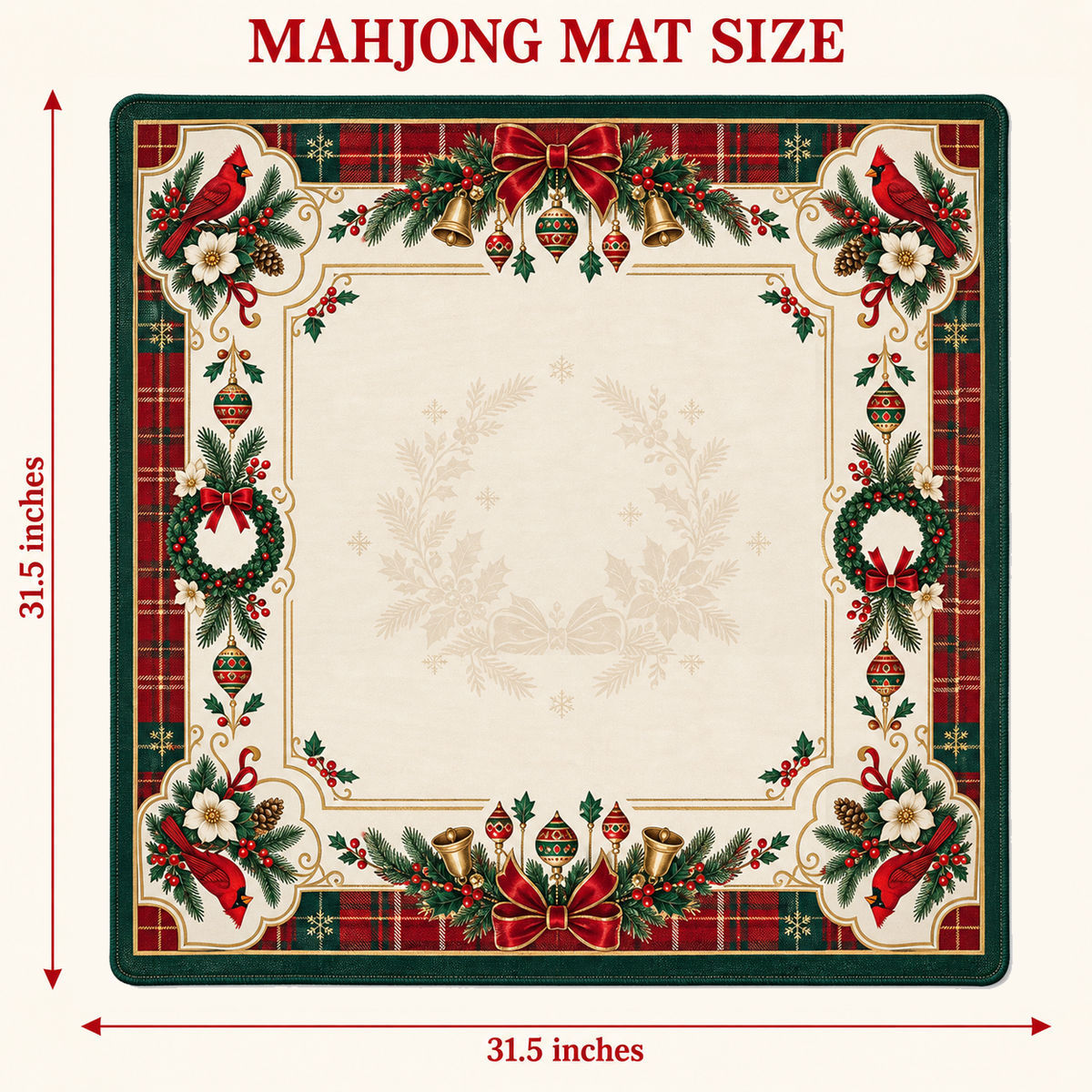
Winter cocktails at mahjong require balancing flavor with table safety. Hot toddies, mulled wine, and stirred spirits (no ice shards) pair well with salty snacks and support game rhythm. Set up a dedicated drink station 2–3 feet from the table, use coasters and place glasses in cup holders on mahjong racks with pushers or the table perimeter. A protective mahjong mat acts as a spill barrier; clean acrylic tiles immediately with a dry cloth if splashed. Plan one drink per 90–120 minutes of play, serve in stable glassware, and keep napkins within arm's reach. Most experienced players avoid carbonated or sticky liqueurs near tiles. The game typically runs 2–4 hours, so offer water and food between rounds.
What cocktails pair best with mahjong?
We host weekly games and find that warm, spirit-forward drinks work best: Old Fashioneds, Manhattans, and hot toddies don't require ice that can spill and won't leave sticky residue on tiles. Winter mulled wine and spiked cider are crowd favorites because they're sipped slowly, reducing hand moisture and spill risk. Avoid anything with citrus juice (sticky) or heavy cream (stains acrylic). Cocktails served at 55–65°F in closed glasses last through a complete hand without dilution or splash. Gin and tonic, while refreshing, demands careful handling—soda water bubbles can reach tile surfaces. A working rule: if the drink requires a straw or has visible condensation pooling on the glass bottom, save it for after-game rounds.
How do you keep tiles safe from spill damage?
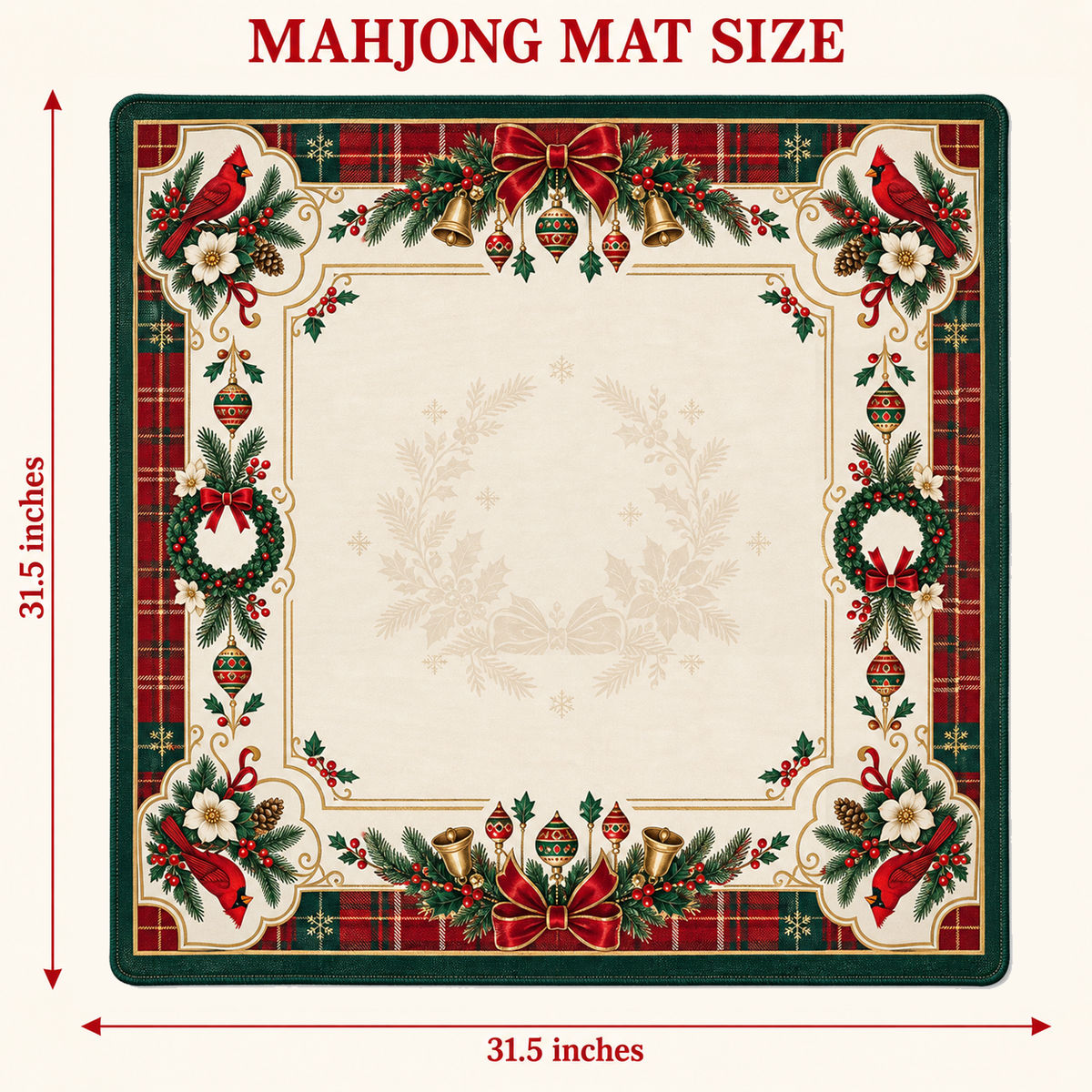
Acrylic tiles are nearly waterproof but require immediate attention to stay pristine. Set up your table with a mahjong mat beneath all tiles; a quality mat with padded backing absorbs minor spills and keeps tiles from sliding during excited game moments. Place all drinks on the table perimeter or, better, on a separate low side table 3 feet away. If a glass tips, blot the mat immediately with a dry cloth and move tiles to a dry corner while you wipe. Never leave wet tiles exposed; they won't warp, but dried mineral deposits from tap water can cloud the engraving. Keep a stack of absorbent napkins and a microfiber cloth at the table—not in a drawer across the room. We've found that assigning one player as "drink monitor" (rotating each round) prevents most accidents before they happen.
What glassware minimizes spill risk?
Weighted rocks glasses, ceramic mugs, and insulated tumblers reduce accidents because they're harder to tip and less likely to roll across a sloped or tilted surface. Avoid thin wine glasses and martini glasses—their narrow bases make them prone to tipping when players lean across the table. For hot drinks, ceramic or thermal mugs keep liquid at safe temperature longer and stay stable on a flat side table. Glassware with wide, flat bottoms and lower centers of gravity stays upright even when bumped by tile racks or players' arms during active play. Coasters—especially ones with grippy rubber bottoms—prevent glasses from sliding into the action zone. If you're hosting many players, invest in six to eight matching, sturdy glasses so no one improvises with bowls or water pitchers mid-game. A covered tumbler with a lid and silicone straw is safest if your crowd tends toward animated discussions; it almost eliminates spill risk entirely.
How does food pairing affect game flow?
Salty snacks (nuts, pretzels, olives, cheese) pair well with winter cocktails and stimulate play without slowing players down. Avoid chips and their dust—they leave orange or red residue on fingers, which transfers to tiles and racks. Sticky candies, chocolate, or anything dipped in sauce require players to wash hands mid-game, interrupting rhythm. We set out small plates of savory items at the start and replenish halfway through a 3-hour session. Serve nuts in bowls with lids or small side plates so players can grab a handful without touching shared snack bowls repeatedly. Dried fruit and dark chocolate are less messy than soft cookies. Finger foods that don't leave grease—like roasted chickpeas, seeds, or hard candies—let players keep hands dry and maintain steady tile handling. A rule many of us follow: eat before the game begins or between rounds, not during active hand play. This keeps focus sharp and tiles pristine.

What table setup prevents drink chaos?
Design a two-zone layout: the game zone (table covered by a mahjong mat, surrounded by mahjong racks with pushers) and the beverage station 3–4 feet away. Place all drinks, snacks, napkins, and a water pitcher on the beverage station before players arrive. Use a low side table or cart to keep items accessible without requiring players to stand or reach across the game surface. Set each player's glass on a sturdy coaster at the beverage station; players fetch them during natural breaks between hands. If you're using engraved sets for a special evening, tell guests upfront that drinks stay off the table—explain it protects the engraving and keeps everyone's focus on the game. Assign one player or host responsibility for refilling water glasses and clearing empty cups. This simple system eliminates the casual "I'll just set my drink here for a second" habit that leads to spills. We've hosted dozens of winter games with zero tile damage using this layout.
Setup Element | Best Practice | Why It Works |
Glassware type | Weighted tumbler or mug | Wide, stable base resists tipping during arm movement |
Glass placement | Beverage station 3–4 feet away | Reduces reach accidents and encourages hand focus on play |
Mat coverage | Full-size mat under all tiles | Absorbs minor spills; protects engraving and tile surface |
Coaster style | Rubber-bottom, 4+ inches diameter | Prevents sliding and keeps glass stable on any surface |
Snack setup | Bowls with lids, on separate table | Minimizes dust and grease transfer to hands and tiles |
Drink type | Stirred, warm, or low-sugar | Avoids sticky residue, condensation, and staining |
Response plan | Dry cloth and spare mat corner ready | Immediate blotting prevents water marks and mineral buildup |
🎁 See our most-loved mahjong sets & accessories →
What else makes a winter mahjong party succeed?
Timing matters: plan a 15-minute welcome period before tiles come out, allowing guests to settle with a drink and conversation. When play starts, keep rounds to 90–120 minutes max before a 10-minute break—players use breaks for a refill and to stretch. Most winter games run 3–4 hours total (four rounds plus breaks), which is manageable without fatigue. Dim lighting and a warm room temperature make longer play comfortable; cold guests fidget and make mistakes. A mahjong travel bag with handle keeps your set organized and ready to transport if hosting rotates among players. Communicate house rules upfront, especially any rules variations your group uses—confusion disrupts the social flow. Stock extra napkins (you'll use double what you expect) and keep a small trash bowl on the beverage station. We've found that hosting a winter mahjong party is less about elaborate cocktails and more about creating a calm, comfortable environment where tiles, not spills, get all the attention.
✨ Find your Mahstead set — free US shipping →
What to check before you buy table setup items:
Mat size: Ensure it covers the full tile play area; standard mats fit most 36–48-inch round or square tables.
Rack stability: Racks should hold all 14 tiles per player with clear face-down edges and grip pushers that don't slip during tile draws.
Tile finish: Acrylic tiles resist stains better than bamboo; check that engraved sets have smooth edges (no catches for liquid).
Bag compartments: If you transport your set, confirm the bag holds a mat, racks, dice, and spare jokers/blanks without crushing tiles.
Coaster grip: Test coasters on your table surface—rubber-bottom coasters work on wood and laminate but may leave marks on polished finishes; check before committing.
🀄 Shop best-selling mahjong sets →

FAQ
Can you use hot cocktails in ceramic mugs at the mahjong table?
Yes—ceramic or insulated mugs are ideal for hot drinks because they're stable, less likely to tip, and keep beverages at safe temperature longer. Place mugs on coasters at a beverage station away from the tile play area, and keep a napkin nearby to catch condensation drips as players move between rounds.
What's the safest way to handle a spilled drink near tiles?
Blot immediately with a dry cloth; don't wipe or rub, as this spreads liquid to more tiles. Move any wet tiles to a dry section of the mat, then wipe the mat surface clean. Acrylic won't warp, but let tiles air-dry completely before returning them to play, and check for mineral residue once dry.
Do mahjong racks with pushers reduce spill risk?
Yes—racks keep tiles vertical and organized, so a spill affects fewer tiles at once. Racks also keep players' hands and drinks farther from the game surface and make tile draws slower and more deliberate, which reduces accidental bumps and splashes.
Can you mix alcohol types in one evening, or should guests stick to one drink?
Mixing is fine if guests pace themselves. Rotate water and food between cocktails to slow alcohol consumption and keep hands steady for tile play. Most experienced players limit themselves to one drink per 90-minute round to stay focused and avoid hand fatigue.
What's the best surface for a winter mahjong table if you don't have a mat?
A quality mahjong mat is strongly recommended—it protects tiles and provides a non-slip playing surface. If you must use a bare table, use a tablecloth with a waterproof backing and accept higher spill risk; tiles and engraving are most protected with a dedicated padded mat underneath.
How far should the beverage station be from the game table?
Position it 3–4 feet away, far enough that reaching for a drink requires a conscious decision and breaks the "casual sip" habit. This distance also prevents condensation and wayward elbows from damaging tiles during active hands, and keeps the play area visually uncluttered.


View More
View More
View More
