
Mahjong Classes for Beginners in Long Island: Where to Start
Last updated: Nov 23, 2026
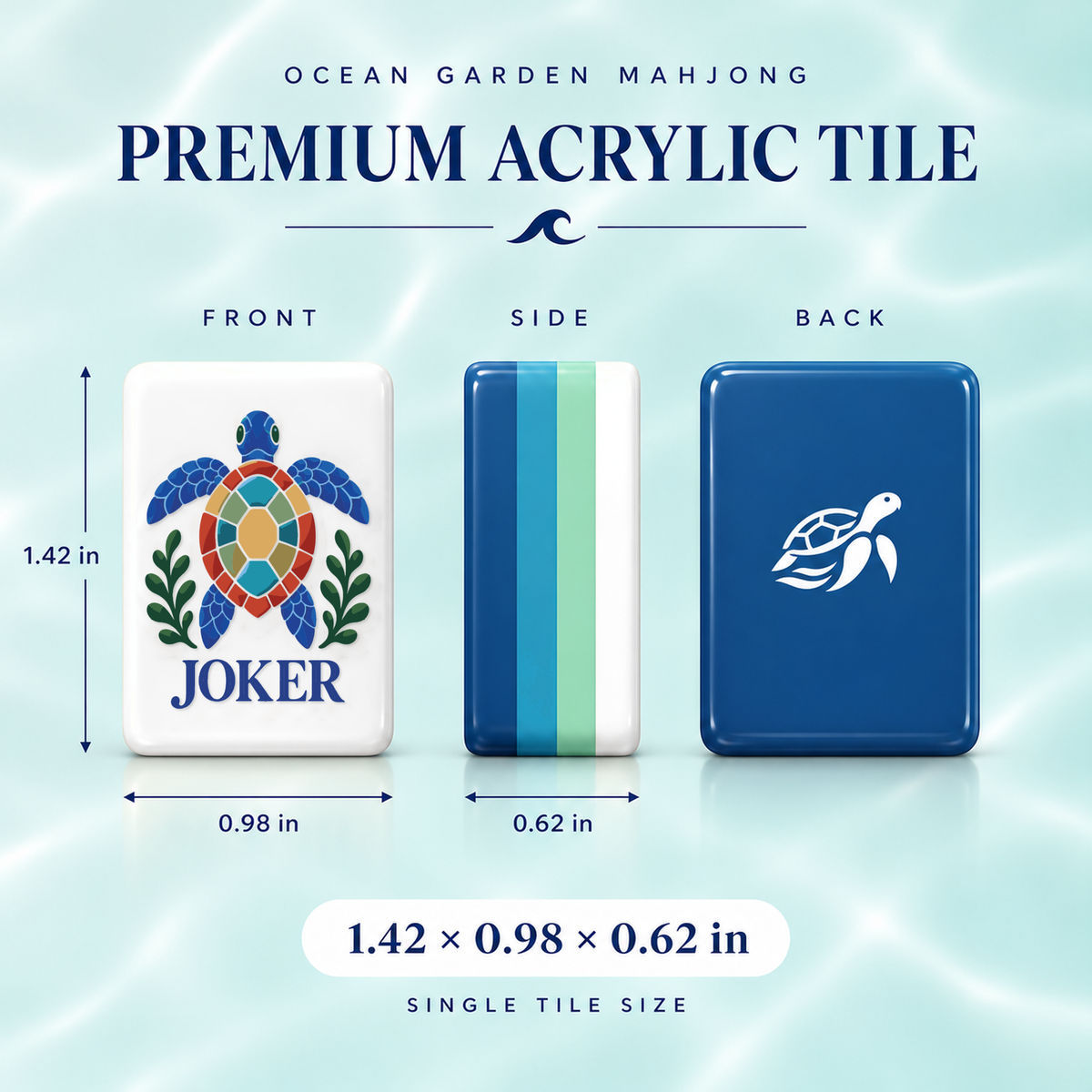
Long Island beginners can find mahjong classes through community centers (many offer seasonal programs), public libraries, synagogues with active Jewish or Chinese communities, and informal clubs advertised on local meetup boards. Most beginner classes run 6–10 weeks, meeting once or twice weekly for 1.5–2 hours, and cost vary by venue—ask the instructor directly. American mahjong (the most common variant on Long Island) uses a standard 152-tile set plus 8 jokers; beginners learn the tile names, the Charleston hand-passing ritual, how to read the current year's National Mah Jongg League card, and basic exposable combinations (pungs, kongs, and flowers). Start by contacting your local recreation department or library to ask about current offerings; if no classes run, many players host beginner-friendly home games. Mahstead offers complete acrylic sets perfect for learning, with tiles large enough to read and bright colors that make suit names stick.
Long Island has a vibrant mahjong community. Finding a beginner class means checking community centers, libraries, and synagogues—or starting at home with the right setup. Most American mahjong instruction follows the National Mah Jongg League ruleset, which differs from Chinese, Hong Kong, or Riichi variants; verify the style before you enroll.
Where Do Long Island Beginners Actually Find Classes?
Start at your town's Parks & Recreation office or community center website—most Long Island recreation departments post seasonal class schedules online or by phone. Libraries often sponsor free or low-cost beginner workshops, especially in spring and fall. Synagogues and Jewish community centers frequently run mahjong circles that welcome beginners. Chinese community organizations, cultural centers, and senior centers also host instruction. Check meetup boards, neighborhood Facebook groups, and local bulletin boards; ask existing players at restaurants or community events. Call ahead: class size, instructor experience, and variant (American vs. Chinese) vary widely.
🀄 Shop best-selling mahjong sets →

What Happens in Your First Beginner Class?
Your instructor will explain the 152-tile set (three numbered suits—Bams, Craks, Dots—plus winds, dragons, and flowers), walk you through the Charleston tile-passing ritual, and show how to read the National Mah Jongg League card. Most classes spend the first 2–3 sessions on hand recognition and basic melds (pungs and kongs), then move into full games by week 4. Expect to handle tiles, sit at a table, and play at a slower pace. Classes rarely cover advanced scoring or complex hand patterns in week one; they focus on tile names, suit mechanics, and comfort with the rack and pushers. Bring a notepad. Ask the instructor whether you'll use a physical card, a printed reference, or a digital aid. American mahjong differs sharply from Chinese variants—no chows (sequences) are exposed, jokers work only in exposed melds, and hands come only from the seasonal card.
Should You Take a Class or Start at Home?
Option | Best for | Time to first full game | Why pick it |
Formal class | Structure, peer support, expert feedback | 4–6 weeks | Instructor catches rule mistakes early; social accountability keeps you learning. |
Home game with experienced player | Hands-on learning, flexible schedule | 1–3 weeks | Faster pace; one-on-one teaching; you learn house rules of your regular group. |
Self-teach from guides + video | Independent learners, cost-conscious players | 2–4 weeks | No schedule constraint; work through how to play guides and join a club once confident. |
Classes work best if you want structured progression and social connections; home instruction works if you have access to an experienced player and prefer flexibility. Many Long Island players do both—take a class to build foundation knowledge, then join a regular home game to develop speed and strategy.
What Equipment Do You Need to Start?
You need a standard American 152-tile set (plus 8 jokers that come with every set), a rack with pushers to hold and manage your tiles neatly, a mat to protect the playing surface and mark seating, and the current year's National Mah Jongg League card (printed or digital). Some players add a bag or case for portability between home games and classes. Dice are optional but handy for determining turn order. Mahstead's best-selling acrylic sets come complete with pushers and often include a mat and card reference—everything a beginner needs in one purchase. Acrylic tiles are louder when shuffled and easier to read than bamboo sets, which beginners often prefer.

What Common Mistakes Do Beginner Classes Avoid?
New players often confuse which tiles form valid melds (American mahjong allows only identical-tile pungs and kongs, never sequences like 1-2-3), misread the card because they don't understand the hand notation system, or fail to grasp the Charleston ritual—which is part skill, part luck, and crucial to the game's balance. Instructors catch these early by showing tile examples and walking through card sections. Another common trap: jokers. In American mahjong, jokers can never be used as a single tile or a pair—they substitute only in exposed melds (pungs, kongs, quints, or sextets). Classes emphasize this rule repeatedly because it breaks the most games at the beginner level. Also, many newcomers don't understand that you must play from the current year's card—not historic hands or "house variants"—which keeps league-sanctioned games fair and competitive.
🎁 See our most-loved mahjong sets & accessories →
How Do Long Island Home Games Work If No Class Is Available?
If your town or schedule doesn't align with offered classes, you can learn mahjong by hosting or joining an informal home game. Ask friends or post on local boards to find players; many experienced hosts welcome beginners to their regular Thursday or Sunday games. A typical home game runs 2–4 hours and includes 4 players rotating through deal positions (East, South, West, North). The host should provide a complete acrylic set with pushers, a mat, and the current league card. Most home games play for fun or nominal stakes (no money); the social learning curve is steep but immediate. Your table-mates will show you tile shuffling, the Charleston, how to organize your rack, and correct your mistakes in real time. Long Island has many established clubs that post invitation-only or open-to-visitors game schedules; attend as an observer first, then ask to join once you've watched 1–2 rounds. This route works best if you're comfortable with trial-and-error learning and social patience.
✨ Find your Mahstead set — free US shipping →
What to Check Before You Buy Your First Set
Does the set come with pushers and a mat? Beginner packages that bundle these save time and money compared to buying separately.
Is it acrylic or bamboo? Acrylic sets are louder (good for group play, easier to shuffle), brighter, and simpler for beginners to read.
Does it include the current year's card? Some sets don't; verify you have access to the 2026 National Mah Jongg League card (printed or via app) before you start.
How many jokers? All American sets include 8 jokers (part of the 152 playing tiles). Mahstead 160-tile sets include spare tiles for long-term durability.
Can you hold the tiles comfortably in your hands? Attend a class or visit a friend's game to test tile size and weight before committing.

FAQ
How much does a mahjong class usually cost on Long Island?
Costs vary widely—community center or library classes often run free to moderate fees per session; synagogue and community center memberships may offer included instruction. Call your local recreation office or library directly for current pricing, as programs change seasonally.
What's the difference between American mahjong and Chinese mahjong taught on Long Island?
American mahjong uses the National Mah Jongg League card (hand patterns change yearly), has no chows (sequences in exposed melds), and allows only specific exposable combinations. Chinese variants use fixed hand sets, permit sequences, and have different scoring. Ask your instructor which variant the class covers before enrolling.
Can I learn mahjong online instead of a Long Island class?
Online guides, videos, and tutorials teach American mahjong rules well, but in-person classes offer real-time feedback, social play, and faster learning. Many Long Island players combine online study with one or two in-person sessions to build confidence.
Do I need to own a set before my first class?
No. Most classes provide sets for beginners; check with your instructor. If you plan to play regularly at home, a complete acrylic set with pushers and mat is worth buying after your second or third class to speed up learning.
How long before I can play a full game with experienced players?
Most beginners play complete rounds by week 3–4 of instruction. Confidence, speed, and strategy develop over months or years, but the core rules and play are learnable in 4–6 weeks of practice.
Is there a beginner mahjong club or league specifically for Long Island?
Long Island doesn't have a single centralized beginner league, but many towns sponsor seasonal classes and informal clubs advertise via meetup boards, libraries, and recreation centers. Ask your instructor or local recreation office about established game groups near you.


View More
View More
View More
