
Mahjong Classes for Beginners in Jacksonville: Where to Learn & What to Know
Last updated: Nov 23, 2026
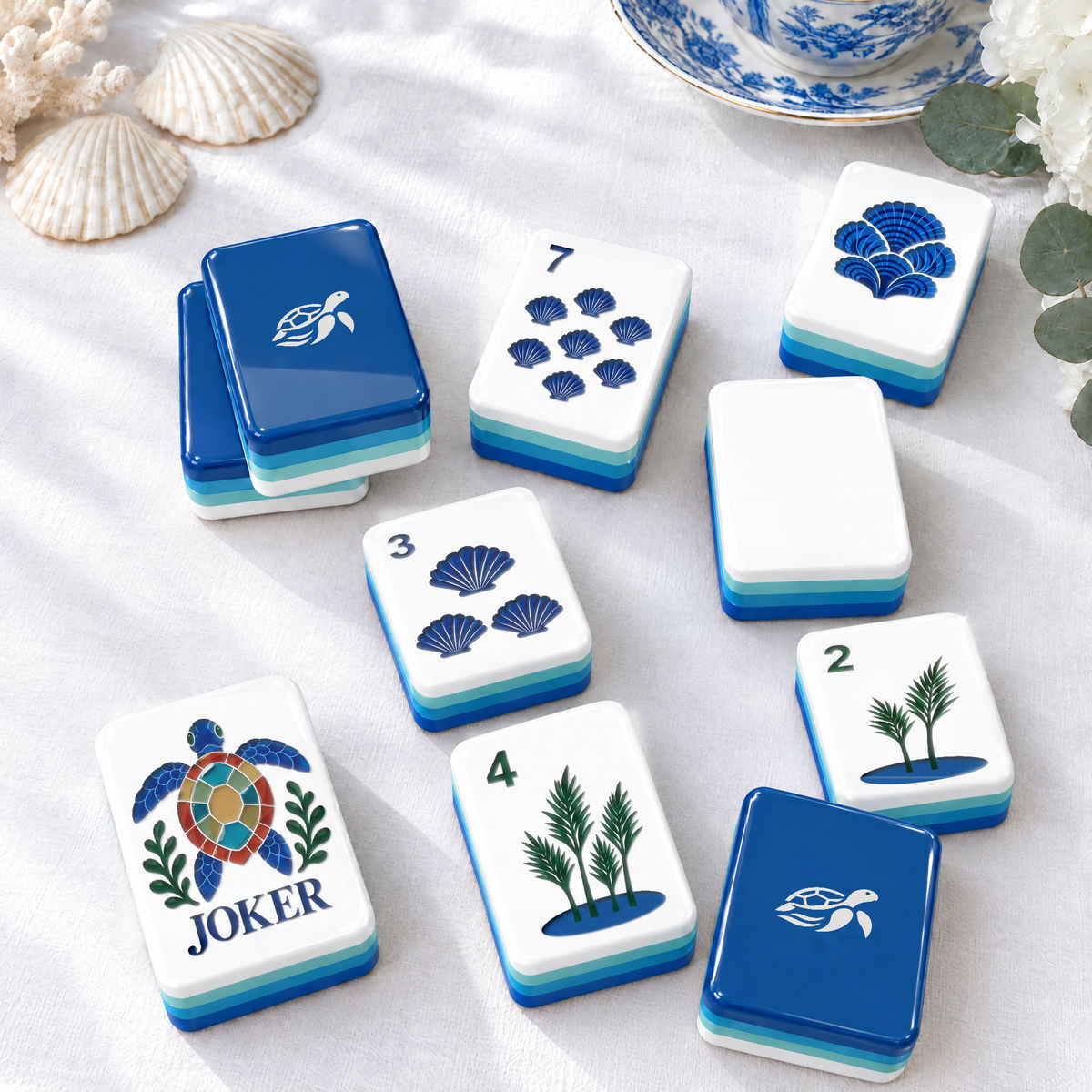
Jacksonville has mahjong classes through public libraries, community recreation departments, synagogues, country clubs, and private teachers—most welcoming to complete beginners. Search your local library's event calendar or community center registration portal; synagogues often host weekly games open to members and sometimes the public. Classes typically run 4–8 weeks and cost anywhere from free (library programs) to modest per-session fees. You'll learn American mahjong rules, tile recognition, the Charleston passing ritual, and how to read the annual National Mah Jongg League card. Before enrolling, confirm the variant taught (nearly all Jacksonville groups play American mahjong), whether you need to bring your own set or if the instructor provides one, and what the group's pace and commitment level are. A quality 160-tile mahjong set from our best-selling collection gives you everything you need to practice at home or join a regular game.
Jacksonville beginner mahjong classes range from library programs and community centers to synagogue groups and private teachers—most welcoming to complete beginners. Search your local library's event calendar or community recreation department registration portal; many host drop-in games or structured lessons. Synagogues, country clubs, and retirement communities often sponsor weekly games open to members and sometimes the public. Private instructors advertise through meetup boards, Facebook groups, and community notice boards. Classes typically run 4–8 weeks and cost anywhere from free (library programs) to modest per-session fees. You'll learn American mahjong rules, tile recognition, the Charleston passing ritual, and how to read the current year's National Mah Jongg League card. Before enrolling, confirm the variant taught (nearly all Jacksonville groups play American mahjong), whether you need to bring your own set or if the instructor provides one, and what the group's pace and commitment level are. A quality mahjong set gives you everything needed to practice at home or join a regular game.
How do I find a class near me?
Start with your city or county library system's website—Jacksonville Public Library often lists mahjong programs under adult classes or game nights. Call the adult services desk directly; librarians know which branches host regular games and whether beginners are welcome. Community recreation departments in your neighborhood also run drop-in game nights or structured courses. Search online for synagogue game groups (many welcome non-members to weekly play). Meetup.com and Facebook community groups sometimes list casual mahjong meetups, though consistency varies. Ask at local country clubs, senior centers, and retirement communities; many have standing games. Private instructors often advertise through community notice boards or by word of mouth.

What should I expect in my first class?
Your first session usually covers tile names (Bams, Craks, Dots, Winds, Dragons, Flowers), hand recognition basics, and the Charleston—the tile-passing ritual before each round. The instructor shows how to read that year's National Mah Jongg League card (the official hand list) and explains why jokers work differently in American mahjong than other variants. You'll play 1–2 practice rounds at a slower pace. Most groups use identical teaching sets so everyone starts level. Bring a notebook; tile names and hand patterns stick better when you write them down. Expect to feel overwhelmed—that's normal. Mahjong has a steeper learning curve than poker or bridge for the first two hours, then clicks quickly.
What equipment do I need to bring or buy?
Most instructors provide classroom sets for lessons, so you typically need nothing on day one. Once you join a regular group or want to practice at home, you'll need your own 160-tile American mahjong set—standard tiles, not the Chinese variants used elsewhere. A quality engraved set from our best-selling collection includes all 152 playing tiles plus jokers and extras for years of games. Consider also a mat to protect tiles and table, and a rack with pushers if you prefer organizing tiles visually (helpful for beginners learning hand layout). A travel bag or case makes transporting your set to classes or friends' homes easy.
🀄 Shop best-selling mahjong sets →
What's the difference between American mahjong and other variants?
American mahjong uses 152 tiles in a fixed deal (never more, never fewer), plays from the current year's National Mah Jongg League card only, and forbids melding sequences (chows)—you can only expose pungs (three identical tiles), kongs (four), and longer sets. Jokers are wild but can never form a single tile or a pair. Chinese mahjong uses fewer tiles, allows sequences, and has a different scoring system. Hong Kong and Taiwanese variants differ again. Jacksonville classes teach American mahjong unless explicitly stated otherwise. If you learn American rules first, switching to Chinese is easier than the reverse.
📚 Learn how to play American mahjong →

How do I know if a class is right for my pace and commitment?
Ask the instructor or group leader three questions before enrolling: (1) Is the class beginner-focused or mixed skill? (2) Do players rotate in and out, or is it a locked cohort? (3) Is the goal social play or competitive skill-building? If you're nervous, a drop-in library game is lower pressure than a paid 8-week course. If you want structured learning, a course with the same cohort builds rapport. If you're retired or flexible, regular weekly games at a club or synagogue offer community. Be honest: a beginner-only class with a patient instructor beats a "fast casual" drop-in where you're lost by round two.
Setting | Who It's For | Commitment | Best For |
Library drop-in | No-pressure samplers | 1–2 hours, any week | Testing interest |
Paid 4–8 week course | Serious learners | Same group, fixed schedule | Building skills, friendships |
Synagogue/club weekly | Social regulars | Open enrollment, ongoing | Community, routine |
Private instructor | Targeted help | 1-on-1 or small group | Fast progress, shy learners |
Retirement community game | Retirees, predictable pace | Built-in social | Consistency, peer support |
What should I check before you buy your own set?
Before purchasing a set, confirm three things with your class or group: (1) Do they use standard American 160-tile sets or a variant (160-tile sets are universal for American mahjong)? (2) Do they prefer acrylic, bamboo, or bone tiles (each differs in feel and durability)? (3) Will the set be used mostly at home or transported to classes and friends? Our best-selling collection offers durable, engraved acrylic sets with free US shipping, so you can practice patterns at home without worrying a borrowed set will get lost or damaged. Avoid cheap unbranded sets—broken or warped tiles ruin group games and frustrate everyone.
✨ Find your Mahstead set — free US shipping →
How do I practice between classes?
Use free online tile simulators to drill hand recognition and how to read the mahjong card. Play solitaire versions (one-player mahjong) on your phone or computer; they build memory and speed without the pressure of a live table. Once you own a set, lay out practice hands from the National Mah Jongg League card at home—work through 5–10 hands a week. Watch your instructor or a mentor play; ask questions about why they chose a discard. Most beginner plateaus happen at weeks 3–5; consistent solo practice breaks through faster than waiting for the next class.
📖 Read about what's inside an American mahjong set →

FAQ
Do I need to know anything before my first class?
No, classes assume zero knowledge. Wear comfortable clothes (you'll sit 2–3 hours), bring a pen and notebook, and arrive on time. Tell the instructor you're new; they'll seat you with patient players. Leave competitiveness at the door—this week is about tile names and hand shapes, not winning.
What does an American mahjong set cost, and what's included?
Sets range widely based on materials and design; see current prices on our product page. A standard 160-tile set includes all 152 playing tiles (Bams, Craks, Dots, Winds, Dragons, Flowers) plus 8 jokers and spare tiles, dice, and often a rack or mat. Everything fits in a carrying case for transport.
Can I play mahjong with just three people, or do I need four?
American mahjong is designed for four players, but 3 and 2-player variants exist with modified rules. Ask your instructor whether your group ever runs short-handed games; most beginners start with four.
How long does it take to feel confident?
Most players feel comfortable joining an unsupervised game after 6–8 hours of instruction (roughly 4–6 weeks of weekly classes). Reading the card and recognizing tiles becomes automatic by week 3; strategy takes longer. Regular practice accelerates progress.
Should I buy a set before my first class, or wait?
Wait. Attend 1–2 classes first, confirm you enjoy it, and learn whether your group expects you to own a set. Most instructors lend sets for classes. Once you commit, our best-selling sets ship free across the US and last for decades.
Is American mahjong the only variant taught in Jacksonville?
Yes, nearly all Jacksonville groups play American mahjong. Chinese, Hong Kong, and Taiwanese variants use different rules and tile counts. Confirm with your instructor before enrolling, but expect American as the default.


View More
View More
View More
