
Mahjong Classes for Beginners in Richmond: How to Start
Last updated: Nov 23, 2026
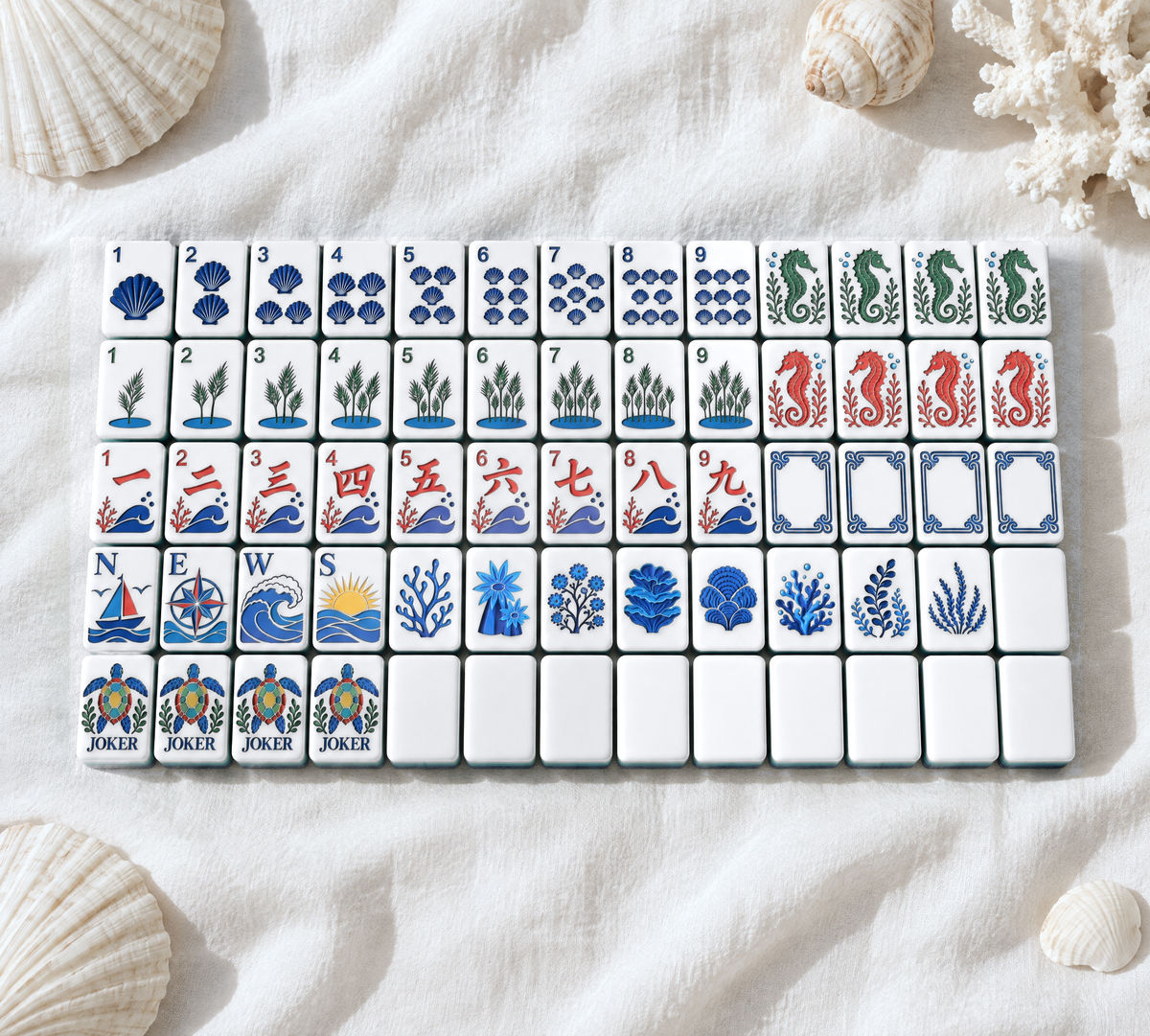
Beginner mahjong classes in Richmond are available through public libraries, community centers, senior centers, and private meetup groups—search your local library website or Meetup.com under "mahjong Richmond" to find active groups. Most introductory classes run 4–8 weeks, meeting weekly for 1.5–2 hours, and cost little to nothing if hosted by a library or community center. You'll learn how to play American mahjong—tile names and values, pung/kong exposure, the Charleston tile-passing ritual, and how to read the annual National Mah Jongg League card. Classes typically use shared sets, but many players invest in their own sets once they're committed to regular play. Expect 3–4 months of casual play before you're comfortable joining a weekly game.
Where should I look for beginner classes in Richmond?
Start with your city or county library system—most offer free or low-cost mahjong instruction through adult education or lifelong learning programs. Contact the reference desk or search the events calendar online. Senior centers, YMCAs, and Jewish community centers often host beginner groups and welcome players of all ages. Check Meetup.com, Facebook community groups, and local newspaper event listings for informal weekly games that accept newcomers. Call ahead to confirm the group accepts true beginners and has enough sets for all players. Word-of-mouth through friends or coworkers is often the fastest path to a regular game.

What will a beginner class actually teach me?
A structured class covers tile names, suit differences (Bams, Craks, Dots), wind and dragon tiles, how to recognize what's in an American mahjong set, and the meaning of jokers. You'll practice building a hand, understanding how the Charleston works, and reading the League card. Instructors teach you to spot pungs and kongs, recognize hand patterns, and understand basic scoring principles. Most classes do not cover advanced strategy or complex hands—the goal is confidence at the table, not mastery. You'll typically play 4–6 hands per session so you absorb the rhythm and social flow, not just rules.
How long before I can play in a real game?
Most beginners are table-ready within 4–12 weeks of weekly instruction and casual play. Your first month focuses on tile recognition and basic mechanics; month two builds hand-reading speed; month three teaches you to anticipate discards and joker placement. By week 12, you'll know enough to sit at a regular weekly game without slowing the table. However, comfort depends on how often you practice outside class. If you play once a week, expect 8–10 weeks; if you play twice weekly, 4–6 weeks is realistic. Confidence matters more than perfection—experienced players expect beginners to ask questions mid-hand, and most games pause to explain.
What should I bring or buy before my first class?
Most classes supply everything, but buying your own best-selling mahjong sets signals commitment and speeds your learning at home. A quality acrylic set with pushers and a mahjong mat costs less than a year of weekly games and lasts decades. For class attendance, bring a notebook to jot hand patterns and a pen; some players bring reading glasses and a small snack. Once you're in a weekly group, invest in a lightweight travel bag or case to protect your set and reduce wear. Having your own set also lets you practice at home with family or friends between games.
How do I avoid common beginner mistakes?
The biggest trap is memorizing every hand on the card instead of learning the patterns—focus on section layout (like quints vs. sextets) and joker placement rules first. Never expose jokers as a single tile or pair; never call a chow (sequences don't exist in American mahjong). Avoid betting money before you've played 20+ hands; many beginners overestimate their hand odds and lose quickly. Don't assume one instructor's accent or phrasing is "the rule"—buy the official League card for that year and verify hand definitions yourself. Finally, resist the urge to skip the Charleston; it's not optional and teaches tile distribution logic that speeds up your game-sense.

How does beginner play differ from competitive play?
Beginner games are slower, more forgiving, and rule-flexible. A beginner table allows a few seconds to consult the card; a competitive table enforces time limits. Beginners often play with lower point values or no money; experienced players track chips or cash strictly. Scoring complexity also differs—beginners learn basic scoring only; competitive players know nuances like bonus tiles, limit hands, and bonus point variations. Most importantly, beginner groups celebrate learning; competitive tables reward efficiency and memory. You can happily play beginner-friendly mahjong for years without needing to advance to tournament speed.
What to Check Before You Buy a Set for Home Practice
Factor | Why It Matters | What to Look For |
Tile material | Durability and tactile feel over months of play | Acrylic or resin; avoid thin plastic |
Joker count | You need exactly 8 jokers for any 152-tile set; spares are fine | Confirm set includes 8 playing jokers minimum |
Rack design | Prevents hand fatigue and speeds play | Pushers included; ergonomic angle |
Completeness | One missing tile stops the game | Verify all 152 tiles present before first use |
Mat included | Protects table and reduces tile noise | Optional but highly recommended for weekly play |
🀄 Shop best-selling mahjong sets →
What does a typical beginner lesson look like?
A 90-minute beginner class usually opens with 10 minutes of tile recognition drills—students handle each tile type and say its name aloud. Next, 15 minutes covers hand setup: how to wall and deal, joker rules, and how the Charleston works. Then 20 minutes on the League card: instructor shows where hands live, how to match your tiles to patterns, and why joker placement matters. The final 45 minutes is hands-on play: three 15-minute games with the instructor or a volunteer pausing after each hand to review discards, explain why a hand failed, and celebrate matches. Beginner games often run at half-speed compared to casual weekly play, so no one feels rushed.
Should I learn American mahjong or another variant?
If you're joining a Richmond group, ask which variant they play—the answer is almost certainly American mahjong, the standard in North America. American mahjong uses a League card updated yearly, no chows (sequences), and exactly 152 tiles. If your group plays Chinese, Hong Kong, or Riichi, the learning curve is steeper because hand structures differ radically. Unless a specific friend or family member plays another variant, start with American. The rules are standardized, materials are widely available, and you'll find games everywhere in the US. Once you're fluent in American mahjong (6–12 months), learning another variant takes only a few weeks because tile logic is the same.
🎁 See our most-loved mahjong sets & accessories →
How do I find a regular weekly game after class ends?
Ask your instructor or classmates if they play regularly outside the class—many do, and group cohesion makes weekly games stick. Check the same Meetup and Facebook groups where you found the class; filter for "weekly" or "ongoing." Contact local Jewish community centers, senior centers, or country clubs; they often host informal tables and welcome regular newcomers. Offer to bring snacks or chip in a small amount toward venue rental to show commitment. Once you join a weekly table, show up consistently for 8–12 weeks before you'll be considered a "regular"—regulars get called first when someone can't make a game. Many Richmond groups have a WhatsApp or email chain for last-minute cancellations or seat swaps.
✨ Find your Mahstead set — free US shipping →

FAQ
Do I need to buy a mahjong set before my first class?
No. Most beginner classes provide shared sets. However, buying your own set within the first month accelerates learning because you can practice tile recognition at home. Many new players invest in one after class 2 or 3, once they're sure they'll continue playing.
How much does a beginner mahjong set cost?
Prices vary widely based on material and design. Check the Mahstead collection page for current pricing on acrylic sets with pushers and mats. A quality set suitable for weekly play is an affordable one-time investment that outlasts years of classes.
What if I'm nervous about playing with experienced players?
That's normal. Tell your instructor or the table host you're new; nearly all groups have a "beginner-friendly" hour or table. Sit between two patient players if possible, ask questions freely, and expect to make mistakes—everyone does. Most experienced players enjoy teaching because they remember their own first game.
Can I play mahjong online to practice before my first class?
Online play teaches tile recognition and basic hand logic, but it skips the physical Charleston, tile-calling rhythm, and table dynamics that matter most. Use it as a supplement, not a replacement. In-person class and play are irreplaceable for building real game-sense.
What's the best way to practice the Charleston at home?
Arrange your tiles in a line, divide them into four piles (east, south, west, north positions), and pass according to League rules. Do this five times in a row until the rhythm feels automatic. Doing one Charleston per night for a week before your first class eliminates most first-day nerves.
Should I memorize the entire League card before my first class?
No. That wastes time and burns you out. Instead, study the card's structure—where pairs live, how hands are organized by section, and joker placement logic. Full memorization happens naturally after 50–100 hands played; trying to memorize first slows your learning.


View More
View More
View More
