
Mahjong Classes for Beginners in Denver: How to Find & Start
Last updated: Nov 23, 2026
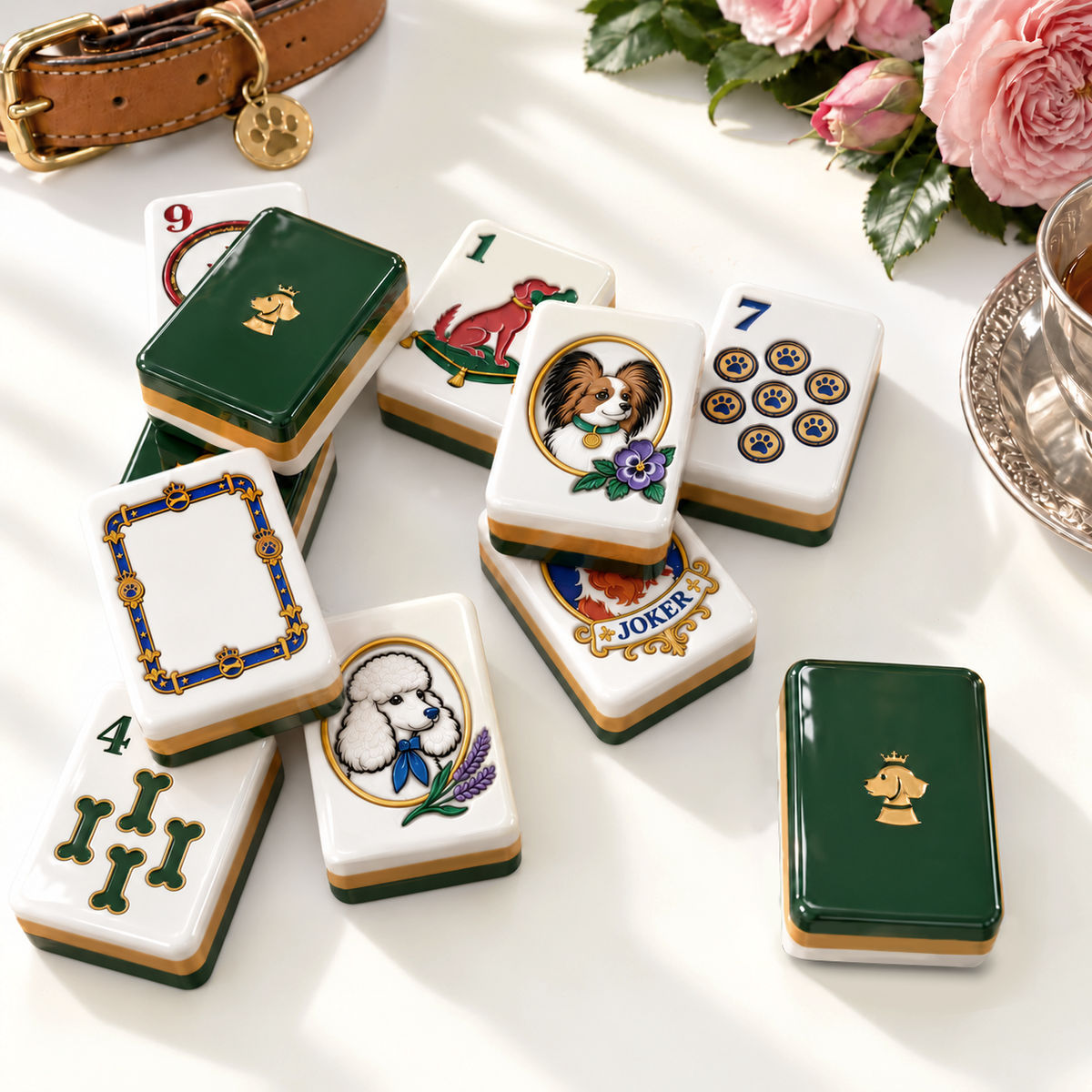
Denver's beginner mahjong classes are offered year-round at community centers (check Parks & Recreation), public libraries, synagogues, country clubs, and through casual meetup groups. Most classes run 6–8 weeks, meeting once or twice weekly for 90 minutes to 2 hours; fees typically range from free (library) to moderate (community recreation). You'll learn American mahjong rules—how to form hands from the official card, work with jokers, execute the Charleston tile pass, and score. Classes include equipment, though many players bring their own sets. Before enrolling, confirm the class teaches American (not Chinese or Riichi), verify the instructor uses the current-year National Mah Jongg League card, and ask whether you keep tiles or rotate. A 160-tile acrylic set with a mat and rack is your safest starter purchase once you're committed to playing beyond class.
Where in Denver can you actually find beginner mahjong classes?
Start by calling your local recreation center or library directly—don't assume it's online. Many parks departments offer mahjong through their spring/fall program guides or community ed catalogs. Denver Public Library branches sometimes host groups; ask the reference desk. Synagogues and Jewish community centers often sponsor beginner sessions in fall and spring. Country clubs and golf clubs occasionally offer classes; scan membership announcements. For drop-in groups, search community bulletin boards, Meetup.com-style sites (search "Denver mahjong"), or Facebook groups for Colorado mahjong players. Call ahead: some classes fill fast, and scheduling varies. The best time to start is September or January, when most programs launch cohorts.

What should a beginner class actually teach in the first week?
A serious beginner class opens with the 152-tile anatomy: how Bams, Craks, and Dots suit numbers work, what Winds and Dragons do, and why Jokers matter. Week one covers the Charleston—the three-round tile exchange ritual that happens before every hand. You'll learn to read the current-year National Mah Jongg League card, understand "exposure" (calling sets to the table), and see why American mahjong has no sequences—only pungs, kongs, and quints. A good instructor plays a full hand so you see the pacing. Expect confusion on the first night; that's normal. By week two, you should recognize a pung (three identical tiles), spot a joker swap, and name three legal hands.
How is American mahjong different from classes teaching Chinese or Riichi variants?
American mahjong uses 152 tiles and the official card; Chinese uses 108 and allows sequences (chows). American hands are fixed each year—you cannot invent a hand—and use eight jokers heavily; Chinese mahjong uses few or no jokers and players create hands on the fly. Riichi (Japanese) is a betting game with 136 tiles and strict hand patterns. A beginner class should state its variant upfront. If it doesn't, ask the instructor directly before paying. Many Denver groups teach American exclusively; some switch between variants. Pick the one your weekly friends play—it's nearly impossible to switch mid-learning.
What do you need to bring, buy, or prepare before your first class?
Bring a notebook and pen; the card is dense and you'll want to jot notes. Wear comfortable clothes and a watch—games run 60–90 minutes. Many classes loan sets and mats, so ask first. If you're buying your own, a 160-tile acrylic set with a matching mat and rack with pushers covers all bases: acrylic is lightweight, noise-friendly, and survives a decade of weekly play. Engraved sets are a treat after your first few months—not a beginner necessity. Avoid wood sets for your first game; they're heavy and loud. Read the National Mah Jongg League card for 10 minutes before class to acclimate your eye.
🀄 Shop best-selling mahjong sets →

What mistakes do Denver newcomers make, and how do you avoid them?
Mistake | Why It Stalls Learning | Fix |
Confusing Dots and Craks | Tiles look similar; you call a hand wrong | Ask the instructor to label tiles on your rack during practice hands |
Memorizing instead of using the card | The card is your tool, not cheating | Keep it open and refer to it every turn for eight weeks |
Sitting in a chair too low or high | Wrist strain by hand three | Adjust seat height so your elbow bends 90°; use a rack with pushers to avoid hunching |
Forgetting jokers can't be used as a single or pair | You'll call an illegal hand | During practice, cover all jokers on your rack and check the rule card once per round |
Buying a cheap set and abandoning it | Loose tiles frustrate new players | Invest in one acrylic set that lasts; it ships free across the US |
What does the learning curve actually look like—how long until you're playing freely?
Weeks 1–2 are overwhelming; you're learning tile names, card reading, and hand logic at once. By week 3, you recognize pungs and spot joker swaps instinctively. Week 4 is the pivot: you begin thinking during your turn instead of panicking. By week 6, you can call a complete hand, manage exposures, and chat while playing. By week 8–10, you're ready to join a casual weekly group. Full fluency—playing fast, scoring from memory, helping others—takes 3–6 months of weekly play. Don't expect to "get it" immediately; mahjong rewards repetition, not genius.
✨ Find your Mahstead set — free US shipping →
What to check before you buy your first set or enroll in a class
Before paying for a class:
Confirm it teaches American mahjong, not Chinese or Riichi.
Verify it uses the current-year National Mah Jongg League card.
Ask if sets and mats are provided or BYOB.
Check whether you keep tiles between games (good for consistency) or rotate sets.
Confirm the schedule works for eight weeks; dropping out early wastes money and slows your group.
Before buying your first set:
Choose acrylic (durable, quiet, affordable) over wood or bone for the first year.
Confirm the set is 160-tile American format—not 144, 152, or 166-tile variants.
Pick a mat and rack with pushers together; they're designed to work as a trio.
Test the rack's pusher action if possible; stiff pushers cause hand fatigue.
Ensure the bag is large enough for all three items if you'll transport them weekly.
🎁 See our most-loved mahjong sets & accessories →

FAQ
Do Denver mahjong classes teach American mahjong only, or do they mix variants?
Most Denver beginner classes teach American exclusively, but a few teach Chinese or rotate variants. Always ask the instructor or program coordinator before enrolling. American is easier for beginners because hands are drawn from a fixed card; you're not creating hands from scratch.
What happens if I miss a week of class—can I catch up?
Yes. Mahjong is built on repetition, and the card doesn't change. Ask the instructor for a summary of that week's lesson or attend an extra practice game with a classmate. Missing one week costs momentum, but not the whole investment.
Should I buy a set before the class starts, or wait until after the first session?
Wait. Most classes loan sets, and buying before you're sure American mahjong is for you wastes money. After one session, you'll know if you want your own set. If you do, a 160-tile acrylic set with a mat and rack will serve you for years.
What's the difference between a beginner class and a weekly drop-in game?
A beginner class is structured, hands-on, and slowed for learning. A drop-in game assumes you know how to play and moves at normal pace. Always complete a class before joining a drop-in group; you'll feel lost otherwise.
Can I learn mahjong online instead of in person?
Online classes teach the rules, but mahjong is a physical game—handling tiles, reading the card quickly, and moving at table speed are skills you can't fully build on a screen. Take a class in person; the hand speed and table presence are essential.
How much does a beginner class typically cost in Denver?
Costs vary. Libraries often offer free sessions. Community recreation centers typically charge $50–$150 for a 6–8 week session. Private instructors or game clubs may charge per session or monthly. Call ahead for current pricing.
Do I need my own set, or can I borrow from the class forever?
Most classes share sets during instruction, but if you join a weekly game after, you'll need your own. A 160-tile acrylic set plus mat and rack is standard and affordable enough that most players buy one within a month of starting.


View More
View More
View More
