
Mahjong Tile Tray Gift Ideas: What to Buy & Why
Last updated: Nov 23, 2026
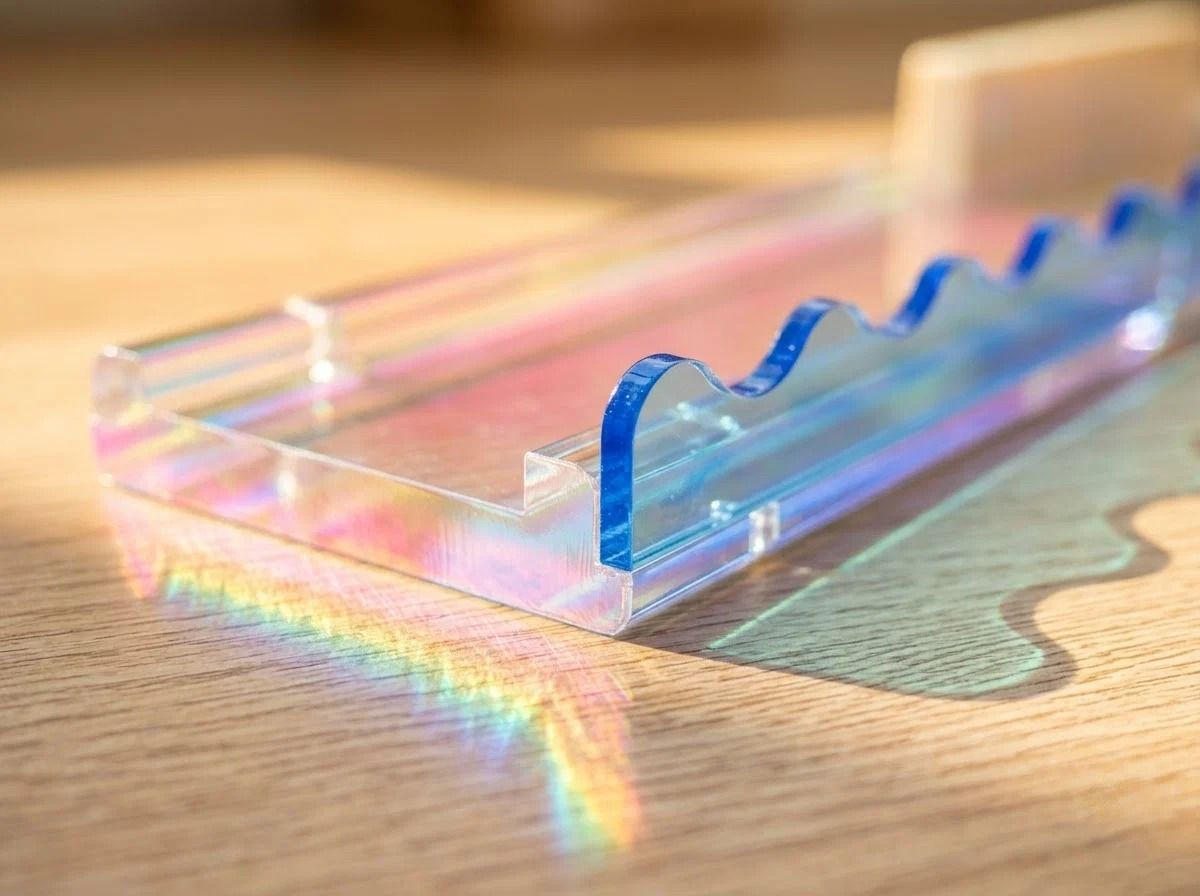
A mahjong tile tray is a wooden or acrylic rack that holds and displays your hand while the integrated pushers (small levers) help you reveal tiles one by one without exposing them to opponents. Racks are sold standalone or bundled with mahjong sets and accessories—most run 4–6 inches per tier, with room for 11–14 tiles per hand. The best gift racks have smooth pushers that don't slip, a stable base that doesn't tip, and a finish that doesn't crack after two years of weekly play. Beginners benefit most from full sets bundled with a tray; experienced players often upgrade their existing set's tray alone. Avoid plastic trays that warp or shallow racks that spill tiles mid-game. Mahstead offers trays in engraved and standard designs that ship free across the US.
A mahjong tile tray is less of an accessory and more of a game-changer. If you've ever watched a player pinch 14 tiles in their palm, squint at the numbers, and accidentally flash their hand to the table—you know why every serious player needs one. The tray holds your tiles vertically so only you see the faces. The pushers let you manage reveals without neighbors stealing a peek. It's the difference between casual and confident play.
When you're choosing a tray gift, the real question isn't "which tray looks prettiest"—it's "who is this for, and how often will they play?" We've hosted hundreds of games, and we've learned that the wrong tray gift gets shoved in a closet. Here's how to pick the one that actually gets used.
What size tray fits a real mahjong hand?
An American mahjong hand is 13 tiles at the draw; 14 once you draw. You need a tray that holds 14 safely without overflow or tiles falling out mid-shuffle. Standard racks measure 4–6 inches wide per tier and stack 2–3 tiers, giving you room to sort by suit or hold your full hand in one tier if you prefer. If the tray is too shallow (less than 1 inch tall per tier), tiles tip backward and scatter. If it's too narrow (under 4 inches), you can't grip pushers cleanly or see all your numbers. We recommend testing a borrowed tray before gifting: ask a host to let you play a round with it. If it feels cramped or tiles slide, go longer or deeper—usually one size up.
🀄 Shop best-selling mahjong sets →
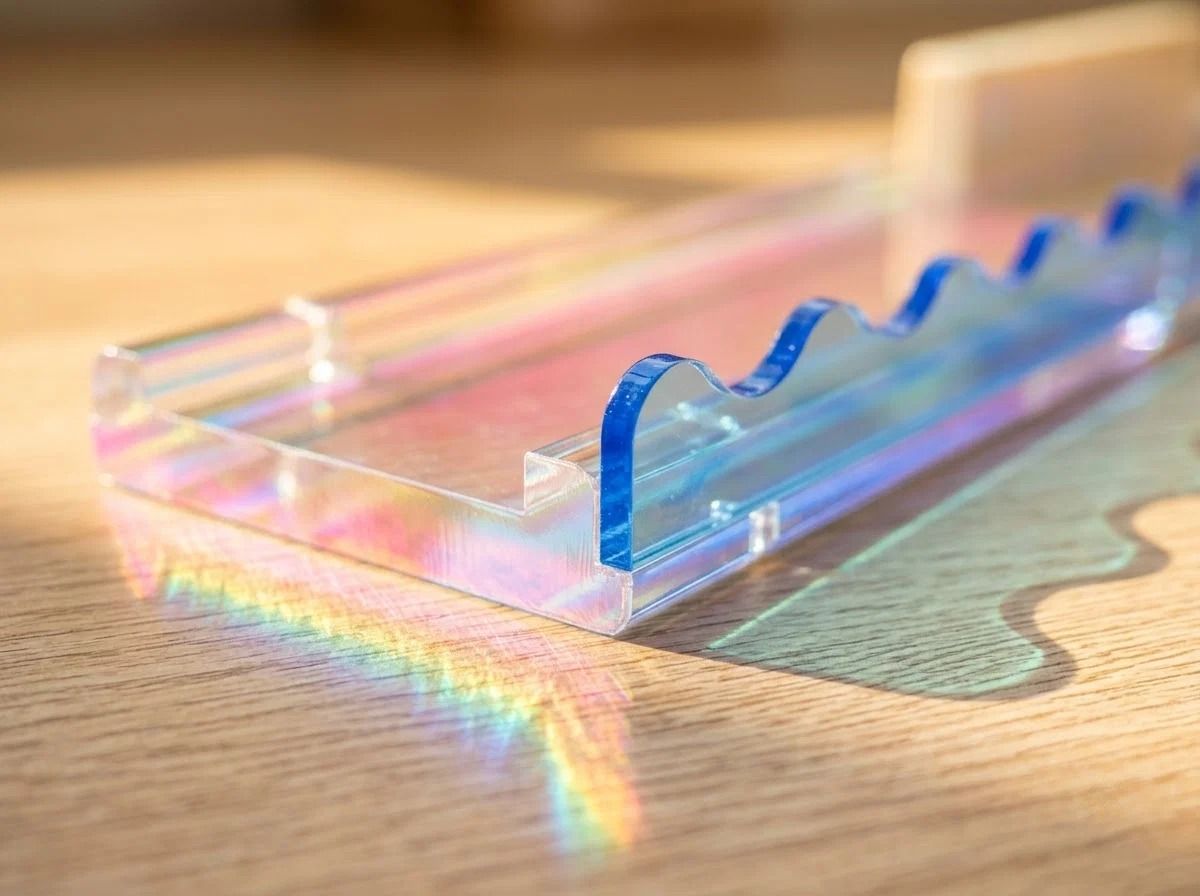
Should you gift a tray alone, or with a full set?
This is the biggest decision. A standalone tray is perfect for someone who already owns a mahjong set and has played for years—they know their tile weight, they have a favorite style, and they just need a better tray. But if you're buying for a beginner or someone who doesn't own tiles yet, a bundled set is almost always smarter. Here's why: a beginner doesn't know what weight tile they prefer (heavier tiles feel more "real," lighter tiles are easier for arthritic hands). They don't know if they want engraved flowers or plain tiles. They don't own a mat, pushers, or a bag. A full set solves all of that at once and costs less than buying each piece separately. A standalone tray gift to a beginner can feel incomplete—they'll still need to source tiles, and mismatched racks and sets look clumsy on the table.
Gift scenario | Who it's for | Best choice | Why it works |
Beginner, no tiles | Someone new to mahjong | They get tiles, tray, mat, bag—no guessing. | |
Experienced player, has set | Weekly host with old tray | They know their tiles; just need a better tray. | |
Serious collector | Player with multiple sets | Personalization + premium quality. | |
Travel player | Someone who plays away from home | Portability matters; tray protects tiles. | |
Holiday host | Someone hosting their first game | Everything in one box; feels special. |
What materials hold up after years of weekly play?
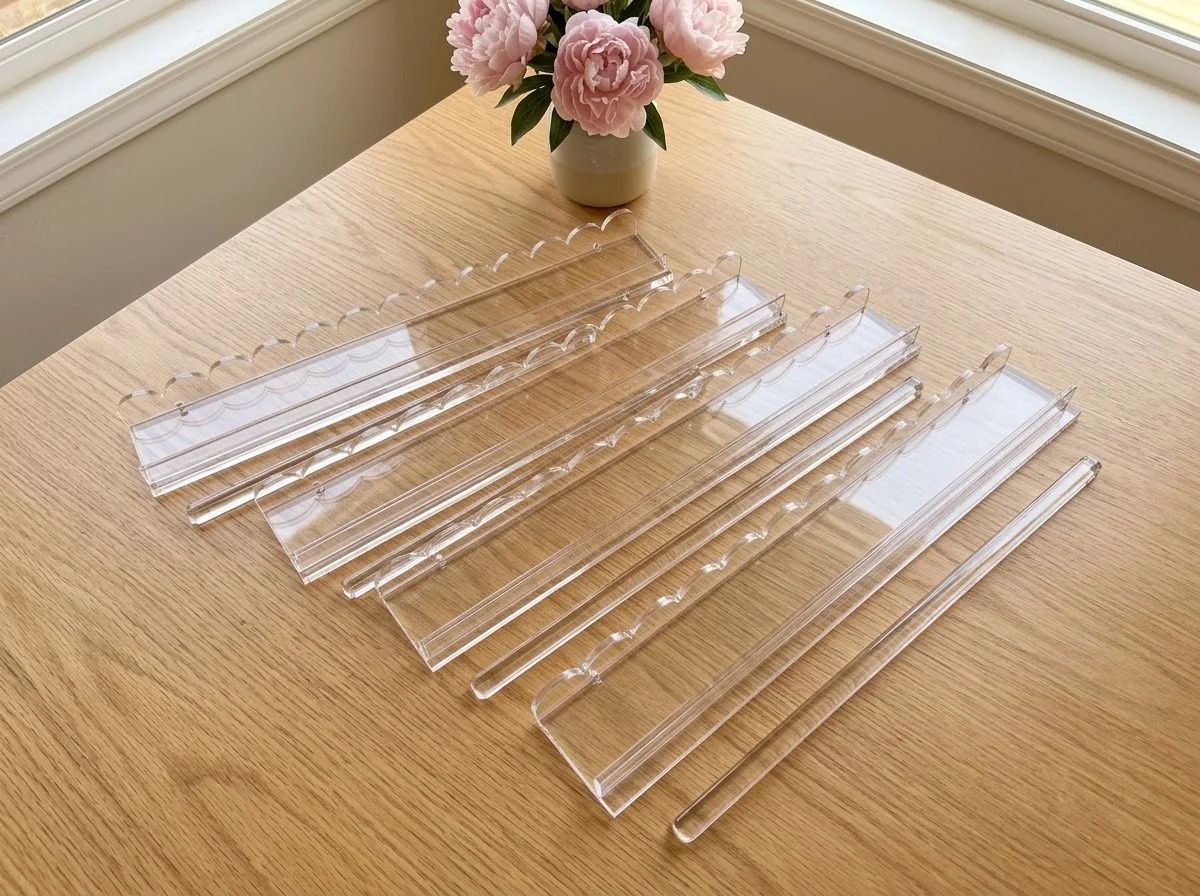
Wood trays (usually bamboo or birch plywood) are the standard for a reason: they're lightweight, warm to the touch, and the wood grain grips tiles so they don't slide during the shuffle. Acrylic trays are newer and appeal to players who like modern aesthetics, but acrylic can feel slippery and cold, and it cracks if a tile is dropped on it. We've seen wooden trays survive 10+ years of twice-weekly games with just a light sand-down. We've watched acrylic trays splinter after two years.
The pushers themselves are the wear point. Plastic pushers warp or snap. Wood pushers (typically with felt or rubber friction pads on the bottom) stay smooth for years. The best pushers move with minimal resistance—you push once, the tiles reveal cleanly without binding or catching. If a pusher sticks or requires force, that tray will be abandoned after a month.
Check the base: does it have rubber feet? If not, the tray slides on the mat during play and players lose focus re-centering it. Mahstead racks with pushers are built with stable bases and weighted bottoms so they sit flush on any mat.
Is engraving worth the extra cost for a gift?
Engraving turns a tool into a keepsake. A tray engraved with a player's name, initials, or the year they joined the group carries sentimental weight—it says "this is yours, and we see you as part of our game." Players often keep engraved sets for decades and pass them to children. We've seen players choose an engraved set over a prettier one because it meant something. The trade-off: engraved tiles are custom-made and take longer to arrive (plan ahead for holidays). They cost more upfront but rarely get sold or given away, so the cost per year of use is actually lower.
If you're gifting to someone who hosts weekly, who's been playing for years, or who's mentioned mahjong as a core hobby, engraving is worth it. If you're gifting to someone who plays casually or might quit in six months, skip it—go with a best-selling standard set instead and save the money.
🎁 See our most-loved mahjong sets & accessories →
What features separate a "nice tray" from an amateur setup?
Here's the checklist we use when we test a tray before recommending it as a gift:
Pusher feel: Push one tile. Does it glide or does it stick? Glide wins. If you have to wiggle or force it, return it.
Tile fit: Load 14 tiles and tilt the tray 45 degrees. Do tiles tumble out? They shouldn't. Good trays have walls tall enough (1+ inch) and lips or ridges that keep tiles seated.
Stability: Place the tray on a standard mat and bump the table lightly. Does it shift? A good tray sits solid—rubber feet or weighted design matter here.
Finish: Look for smooth wood (no splinters), consistent color (no patchy stain), and clean joints (corners shouldn't be loose or gapped).
Pusher reversibility: On some trays, pushers are glued; on others, they can be replaced if worn. Replaceable pushers = longer lifespan = better gift value.
Stack alignment: If it's a multi-tier tray, do the tiers stack evenly? Misalignment causes tiles to bind and annoys players.
Mahstead trays meet all of these. We test them in-house before we list them—no guessing.
What to check before you order
Measure your space first. How much table room does the recipient have? A 2-tier tray is 8–10 inches wide; a 3-tier is 12+. If they play on a small card table, a large tray won't fit.
Ask if they already own a mat or bag. A bundled set often includes both; a standalone tray doesn't. If they don't have these, consider upgrading to a full set so they're not buying piecemeal.
Check the shipping timeline. Engraved sets take longer than stock sets. For holiday gifts, order at least 4–6 weeks early (our standard is free US shipping, and timing varies by order volume). Mahstead ships all orders with tracking, so you'll know exactly when to expect delivery.
Confirm the tile count. American mahjong sets are 152 playing tiles plus spare jokers and blanks (often sold as 160-tile sets). Verify your gift matches this standard, not an international variant like Hong Kong or Chinese mahjong, which use different tile counts and rules.
Test pusher resistance (if you're buying in person or from a seller who allows returns). Push one tile 10 times quickly. Does it stay smooth? Does the pusher feel firm but not stiff?
Read player reviews for specific sets if they're available. Avoid trays with comments like "tiles fall out" or "pusher breaks easily."
✨ Find your Mahstead set — free US shipping →
FAQ
Is a mahjong tray necessary, or just nice-to-have?
For regular play, it's necessary. Tiles in bare hands get exposed, slow down the game, and create conflict at the table. Trays are a standard part of every serious mahjong setup. Casual players can skip them temporarily, but anyone playing weekly should own one within their first few months.
Can I use a tile tray from one set with tiles from another set?
Yes, as long as the tile sizes match. American mahjong tiles are standardized in size, so a tray from one set usually fits tiles from another. But verify by checking the tray's width and the tile diameter before mixing—mismatched sizes cause binding or spillage.
How long do wooden pushers last before they wear out?
With weekly play, wooden pushers with felt pads typically last 5–10 years before the felt compresses or wears thin. Once worn, they slide less smoothly. Some Mahstead trays allow you to replace just the pushers, extending the life of the whole tray.
What's the difference between a "tray" and a "rack with pushers"?
They're the same thing—"tray" and "rack" are used interchangeably in mahjong. Technically, a "rack with pushers" is the full phrase. The tray is the holder; the pushers are the levers built into it that slide your tiles into view.
Should I buy a second tray for the other players at the table?
It depends. If you're hosting and players show up without trays, yes—providing four matching trays makes the table look coordinated and plays smoothly. If players bring their own trays, no—everyone's used to their own setup. For a gift, one tray per person is standard, not one for each player at a four-player table.
Can a tray with pushers work with acrylic tiles and wooden tiles?
Yes, pushers are tile-agnostic. The tray's interior finish matters more: if it's too slippery (polished acrylic), even wooden tiles will slide. If it's textured or bamboo, both tile types sit stable. Test before ordering if you're mixing materials.


View More
View More
View More
