
Garden Mahjong Tablescape: Design, Setup & Tile Display Ideas
Last updated: Nov 23, 2026
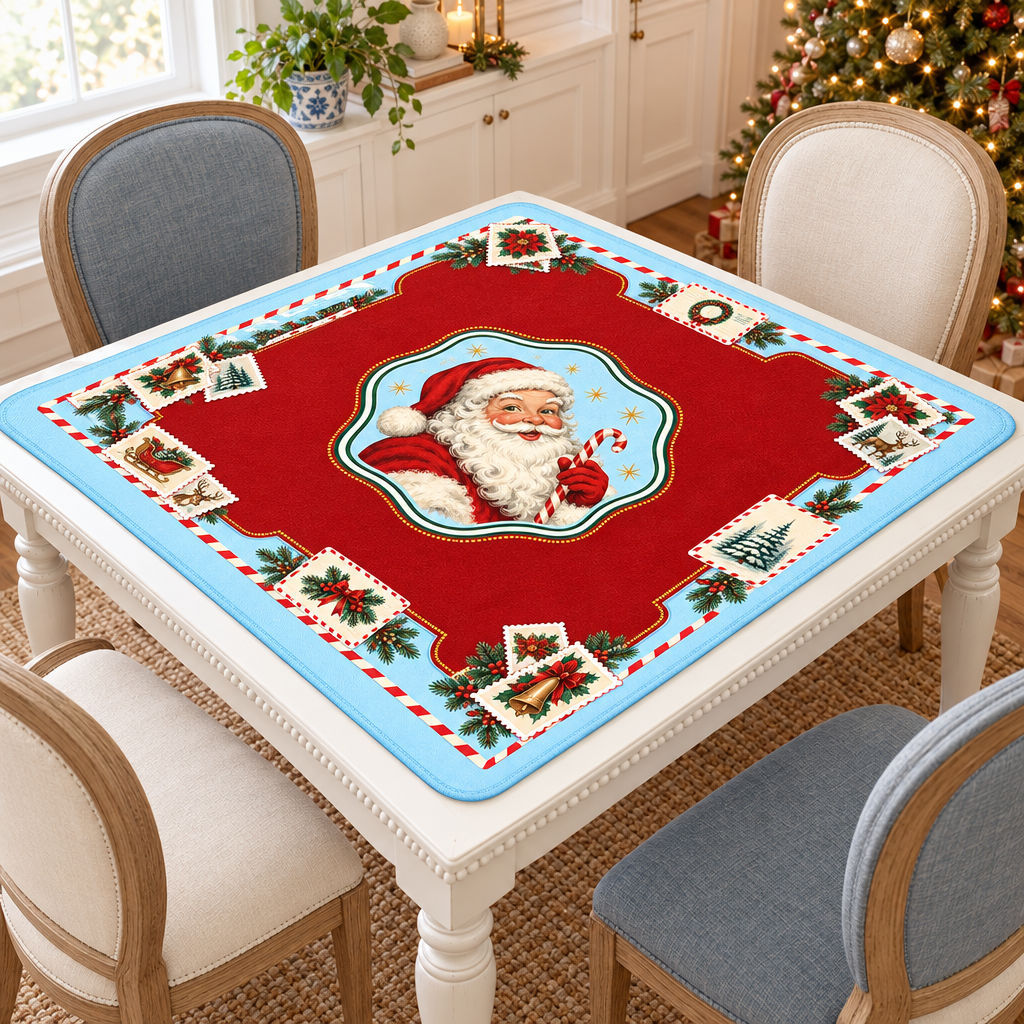
A garden mahjong tablescape is an outdoor game station that layers protective equipment, décor, and hosting elements—a mahjong mat anchors play space, racks hold tiles upright, and background styling (plants, lighting, table runners) creates an inviting gather spot. Set it up on any patio table with shade; a standard American set needs 152 playing tiles plus jokers, a mat sized to your table (usually 36"–48"), and cases or bags to shield acrylic tiles from sun and moisture between sessions. Setup takes 15–20 minutes. Cost varies by tile quality and mat style; prioritize UV-resistant mats and durable racks. Avoid direct midday sun (glare and heat stress acrylic), uneven surfaces, and leaving tiles exposed overnight. Mahstead's acrylic sets and purpose-built outdoor mats simplify the aesthetic while keeping tiles safe for seasons of patio play.
How do you protect tiles in an outdoor setting?
Sunlight, humidity, and temperature swings warp acrylic and fade printed designs. Bring tiles inside or store them in a case between sessions—never leave a set poolside or on an uncovered table for hours. Use a mat that sits flat (no wobble) so tiles don't shift and crack. Mats with felt backing grip patio tables; rigid or padded options protect tiles from impact if someone bumps the edge.
🀄 Shop best-selling mahjong sets →
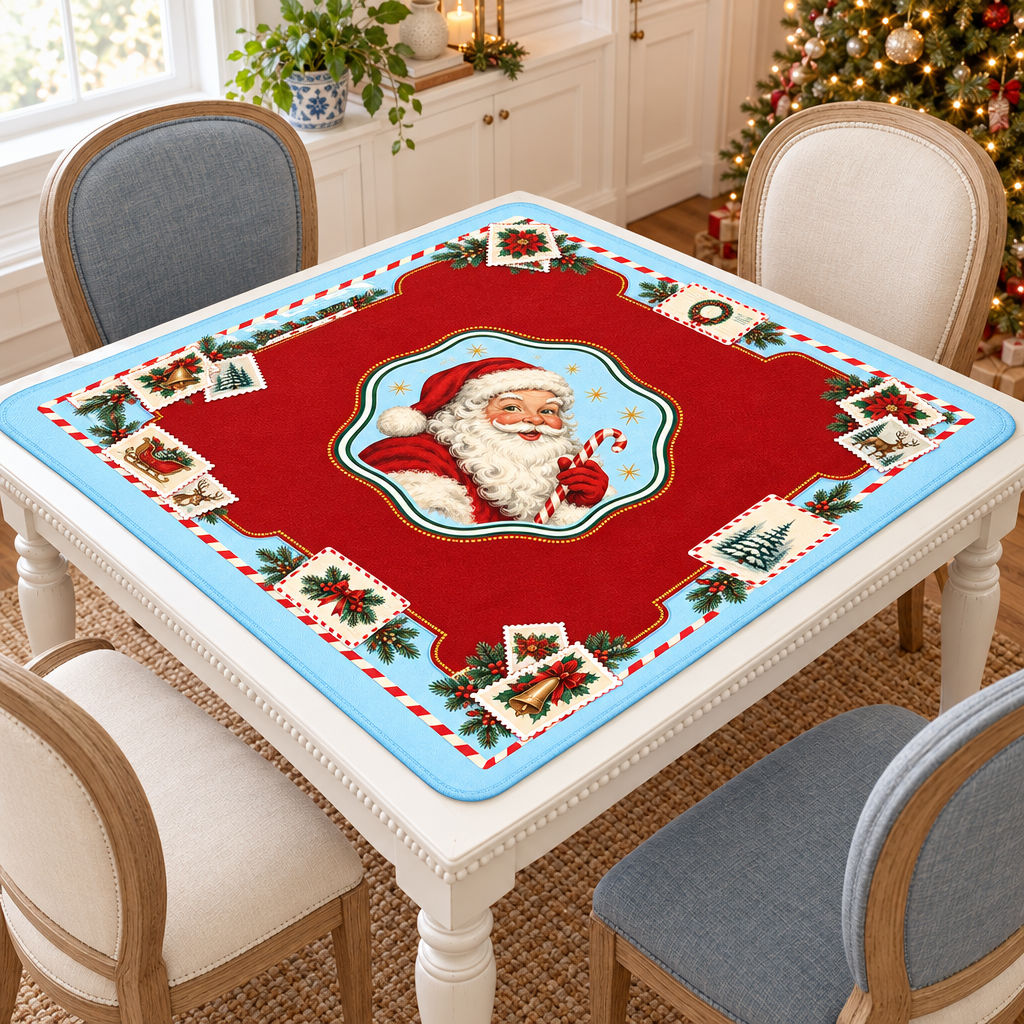
What size mat do you need for garden play?
Standard American mahjong mats range 36"–48" across. Measure your patio table length and width, then subtract 4–6 inches on each side for safety. A 36" mat works on a 42"–48" round or rectangular garden table; 48" fits dining tables. Check that the mat's weight and grip don't slide on wet surfaces—a mat with rubberized backing stays put even in morning dew.
📖 How to choose a mahjong mat →
Should you use racks outdoors, and how?
Racks with pushers keep tiles upright and organized, crucial for garden play where wind or uneven tables risk tiles tipping. Acrylic racks reflect heat less than wood and tolerate temperature shifts. Arrange racks on the mat's far edge (away from the dealer), pushers facing inward. If hosting beginners outdoors, racks reduce confusion and keep hands stable during the Charleston passing ritual.
🎲 Learn racks with pushers setup →
What décor elements enhance a garden tablescape without distracting play?
Layer your mahjong station subtly: place a table runner (neutral tone, 10–15 inches wide) behind the mat for visual depth, add potted plants or lanterns 2–3 feet back to frame the table, and use directional lighting (string lights or uplighting) that illuminates tiles without glare. Keep the mat area clear—no clutter within arm's reach. A simple centerpiece (small succulent, tea light in a holder) 12 inches off the mat adds warmth without blocking sightlines.
How do you transport and store a complete garden setup?
Group tiles, mat, racks, and dice into dedicated bags and cases that stack in a garden shed or garage. A good case protects acrylic from scratches and keeps sets dust-free between weeks. Label bags by set (if you host multiple games) so setup time drops. Store everything indoors in a climate-controlled space; rapid shifts from hot patio to cold storage can fog acrylic temporarily but pose no permanent damage if tiles return to room temperature within a few hours.
What lighting setup works best for evening garden mahjong?
Avoid harsh overhead fixtures that cast shadows on tiles—use diffused side or back lighting instead. String lights at 8–10 feet height create ambient glow; place a small warm-toned lamp or solar light 3–4 feet behind the mat for tile illumination. Test lighting during daylight first: glare on tiles makes it hard to read suits and numbers, especially from opposite seats. Candlelight looks lovely but risks wind-blown flames near tile bags—use battery-operated or shaded lanterns instead.
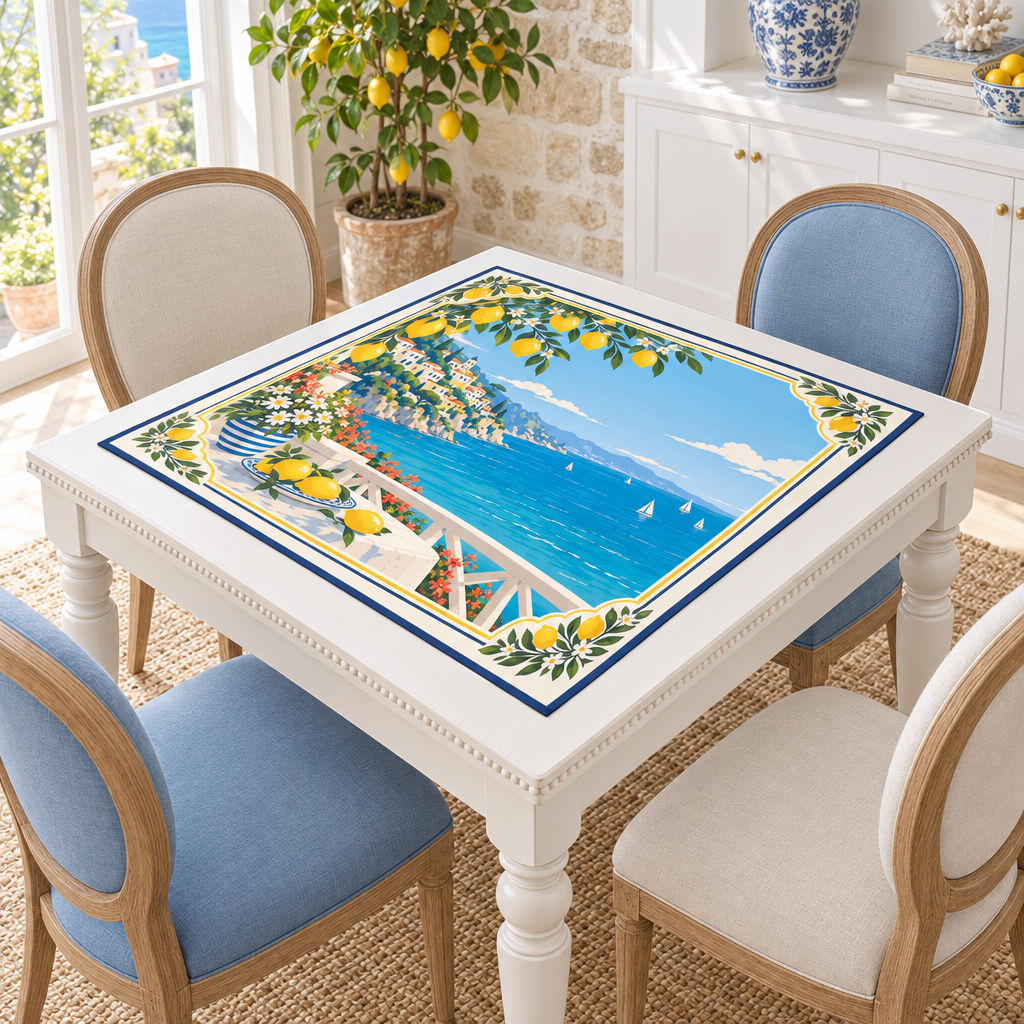
Decision Matrix: Garden Mahjong Setup Styles
Setup Style | Best For | Light Needs | Storage | Estimated Effort |
Casual patio (mat + racks) | Regular home games | Dappled shade + string lights | Bag in garage | 15 min setup |
Formal dinner party | Mixed-skill guests, one session | Directed spotlights, no glare | Protective case indoors | 25 min setup |
Poolside gathering | Beginner-friendly, high foot traffic | Soft overhead + side glow | Waterproof bag, shaded area | 30 min setup |
Covered porch (permanent-ish) | Frequent weekly plays | Any bright source + shade cloth | Open shelving, dust cover | 10 min setup |
Each style pairs with the best-selling collections—choose tile finishes and mat colors that read well in your garden's natural light.
Common Mistakes to Avoid
Direct sun on tiles: UV fades printed suits within two seasons. Invest in a patio umbrella or shade sail angled to cover the mat from 10 a.m.–3 p.m., or schedule games for early morning or dusk.
Mismatched mat size: A mat too small crowds racks; too large wastes table space and risks tiles sliding during shuffles. Measure twice, choose once.
Leaving sets uncovered overnight: Dew and temperature swings affect acrylic differently than sealed wooden tiles. Always store inside after play.
Uneven patio tables: Wobble causes tiles to shift and stack unevenly. Shim the table legs with plastic shims or move play to a level dining table brought onto the patio.
Choosing decorative over functional: Pretty but slippery placemats or thin runners under the mat cause the mat itself to slide. Mats designed for outdoor use have grip-backed bottoms for a reason.
What to Check Before You Buy
Mat texture: Does it grip your patio table surface without sliding, even slightly wet?
Tile clarity: Can you read Bams, Craks, and Dots from across a garden table in midday shade?
Rack stability: Do pushers move smoothly, and do the racks sit level on your mat without tipping?
Case weather-resistance: Is it designed for outdoor storage (e.g., waterproof zipper, ventilation to prevent condensation)?
Set completeness: Does it include 152 playing tiles plus jokers, and are spares included for damaged or lost tiles?
🎁 See our most-loved mahjong sets & accessories →
Hosting a Garden Mahjong Night: Quick Checklist
Three days ahead: Check patio table for level, clean mat and racks of dust.
One day before: Confirm weather; scout shade and lighting options; prep tile storage nearby.
Two hours before: Set up mat, racks, dice; arrange décor; test lighting; place current year's card at one seat.
15 minutes before guests: Pour drinks away from mat, arrange seating (dealer faces house), brief any newcomers on the Charleston.
After play: Wipe mat, bag all tiles immediately, store indoors before dew sets in.
Seasonal Adjustments
Spring/summer: Maximize shade. Morning games suit rising light; evening games need ambient + focused lighting. Risk: pollen on mat (dust, don't wipe).
Fall: Shorter days mean earlier setup for adequate daylight. Temperature swings are moderate; store tiles in climate-neutral space.
Winter: Late afternoon sun is low-angle and long-shadowed; position the table perpendicular to sun. Frost on mats reduces grip; wipe mats dry before play.
Rainy climate: Use a covered porch or gazebo. Transport mat in a waterproof bag; allow it to dry fully before rolling.
A garden mahjong tablescape transforms a simple patio into a welcoming play space that honors the game's social roots and your hosts' aesthetic. The key is marrying function (level mat, organized racks, readable tiles) with atmosphere (soft light, gentle décor, clean sightlines) so players focus on the game, not logistics. Start with a solid mat and best-selling set, add racks and a case, then layer in lighting and greenery at your own pace.
✨ Find your Mahstead set — free US shipping →

FAQ
Can I leave an acrylic mahjong set outside year-round?
No. UV rays fade tiles, and temperature swings warp acrylic. Always store sets indoors after each session. A covered patio offers some protection, but bring the bag inside overnight.
What's the best time of day to play in a garden?
Early morning (8–10 a.m.) or late afternoon (4–6 p.m.) minimizes direct sun glare and heat. Avoid 11 a.m.–3 p.m. unless you have a shade structure.
Do I need a special mat for outdoor play?
Any American mahjong mat works outdoors if stored indoors between sessions. Look for mats with rubberized backing to grip patio tables and prevent sliding during shuffles and the Charleston.
How do wind and humidity affect tiles?
Wind can blow lightweight jokers or small tiles off the mat—use shallow racks to contain them. Humidity fogs tiles temporarily but causes no permanent damage if stored in climate-controlled space.
Can I use a regular tablecloth under the mat instead of buying a mat?
Not recommended. Tablecloths bunch, slip, and don't provide the firm, level surface tiles need to shuffle and stack safely. A proper mat is a one-time investment that lasts years.
What's a good budget for a complete garden setup?
Costs vary by tile quality and mat design; see the product list for current pricing. Invest most in the mat and set; racks, cases, and décor are flexible add-ons.


View More
View More
View More
