
Mahjong Case Materials Compared: Which Works Best
Last updated: Nov 23, 2026
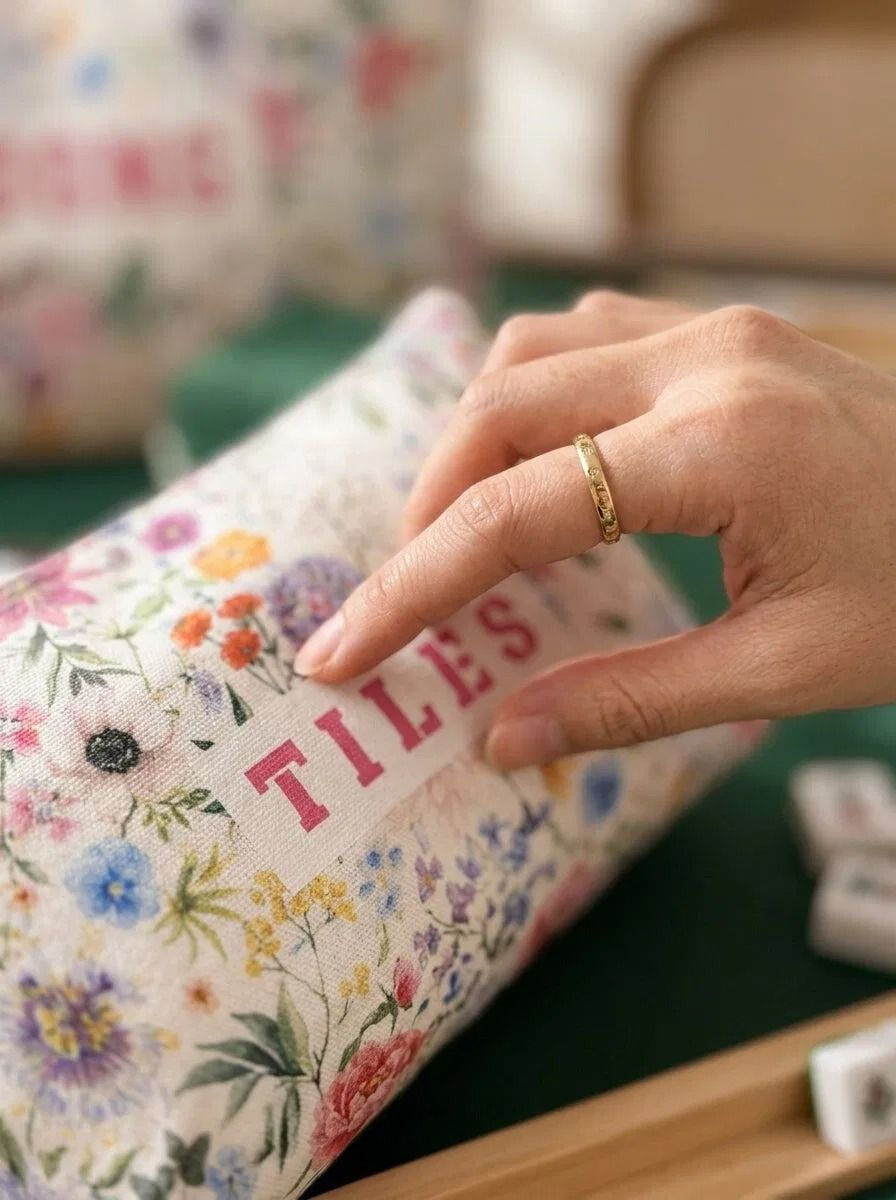
We carry three main case types in our collection of bags and cases. Fabric cases (woven polyester or canvas) are lightweight, affordable, and pack flat; ideal for players who host weekly at home and drive to friends' houses occasionally. Hard-shell cases (rigid polymer or molded plastic) protect against crushing and extreme temperature swings; they cost more but suit frequent travelers and players who store sets on shelves long-term. Hybrid designs combine a padded fabric exterior with reinforced rigid corners and base—a middle ground offering decent protection without full hard-case weight or price. All three fit a 160-tile set plus mats and racks. Pick fabric for casual weekly play; hard shell for air travel or protection; hybrid for regular transport. Check interior dimensions before ordering to confirm your mat and tiles fit comfortably together. 🀄 Shop best-selling mahjong sets →
What does "case material" really mean for mahjong?
Your case holds a complete mahjong set—152 tiles, 8 jokers, racks, mats, pushers, and dice—during storage and transit. The material determines how well it absorbs impact, resists moisture, weighs when packed, and ages over years of weekly games. A case is not just cosmetic; it's infrastructure. Fabric breathes and flexes; hard plastic is rigid and impact-resistant; hybrid blends both. The choice depends on your storage conditions (climate-controlled closet vs. humid garage), travel frequency (car trips vs. airlines), and how many seasons you plan to keep your set intact.

Fabric cases: Why do lightweight players choose them?
Fabric cases are made from woven polyester blends, canvas, or nylon—materials that weigh ounces and compress into tight spaces. They're ideal if you host weekly games in one home and occasionally drive thirty minutes to play elsewhere. The interior typically includes compartments for tiles and dividers for mats; zippers run along two or three sides. Cost is lowest among the three types. Drawbacks: fabric offers no crush protection if a case is stacked under other items, and it doesn't insulate against humidity or temperature swings. If your game room stays dry and you never fly with your set, fabric is practical and durable enough for ten years of regular use.
Hard-shell cases: When is rigid protection worth the investment?
Hard-shell cases use molded polycarbonate, high-density polyethylene, or rigid ABS plastic—the same materials as luggage. They resist crushing, protect against spills, and keep your set safe if the case is dropped or sat on. They're essential if you travel by air, store your set in a garage, basement, or car trunk where temperature and humidity vary wildly, or own multiple sets stacked on shelves. The trade-off is weight (roughly two to three pounds when packed) and cost; hard shells are the premium option. Interior layouts vary: some have removable tile trays, others have fixed compartments. A hard-shell case protects a 160-tile set for twenty years or more, even if checked as luggage.
Hybrid cases: Who benefits from the middle ground?
Hybrid cases combine a padded fabric shell (usually 8–12mm foam-backed canvas or nylon) with reinforced plastic corner guards, a rigid base platform, and sometimes a hard-shell carrying handle. They weigh between fabric and full hard shell (one to two pounds), cost moderately more than pure fabric, and offer real protection against dents and minor crushes without the bulk of a full hard shell. Hybrids suit players who drive to games two or three times monthly and need their set to survive a garage or closet but don't fly with mahjong. Interior typically includes a padded tile tray and zippered mat pocket. This type is the most forgiving for new players who haven't yet settled on where and how often they'll play.
Comparing the three side by side
Material Type | Best For | Weight | Protection Level | Cost Basis | Lifespan (weekly play) |
Fabric (polyester/canvas) | Home hosts, short car trips | Ounces | Mild (dust, small impacts) | Most affordable per product page | 8–10 years |
Hard shell (polycarbonate/ABS) | Air travel, storage in harsh climates | 2–3 lbs | High (crush, temperature, humidity) | Premium per product page | 15–20+ years |
Hybrid (padded fabric + plastic frame) | Monthly drivers, moderate protection needs | 1–2 lbs | Good (corner guards, base reinforcement) | Moderate per product page | 10–15 years |
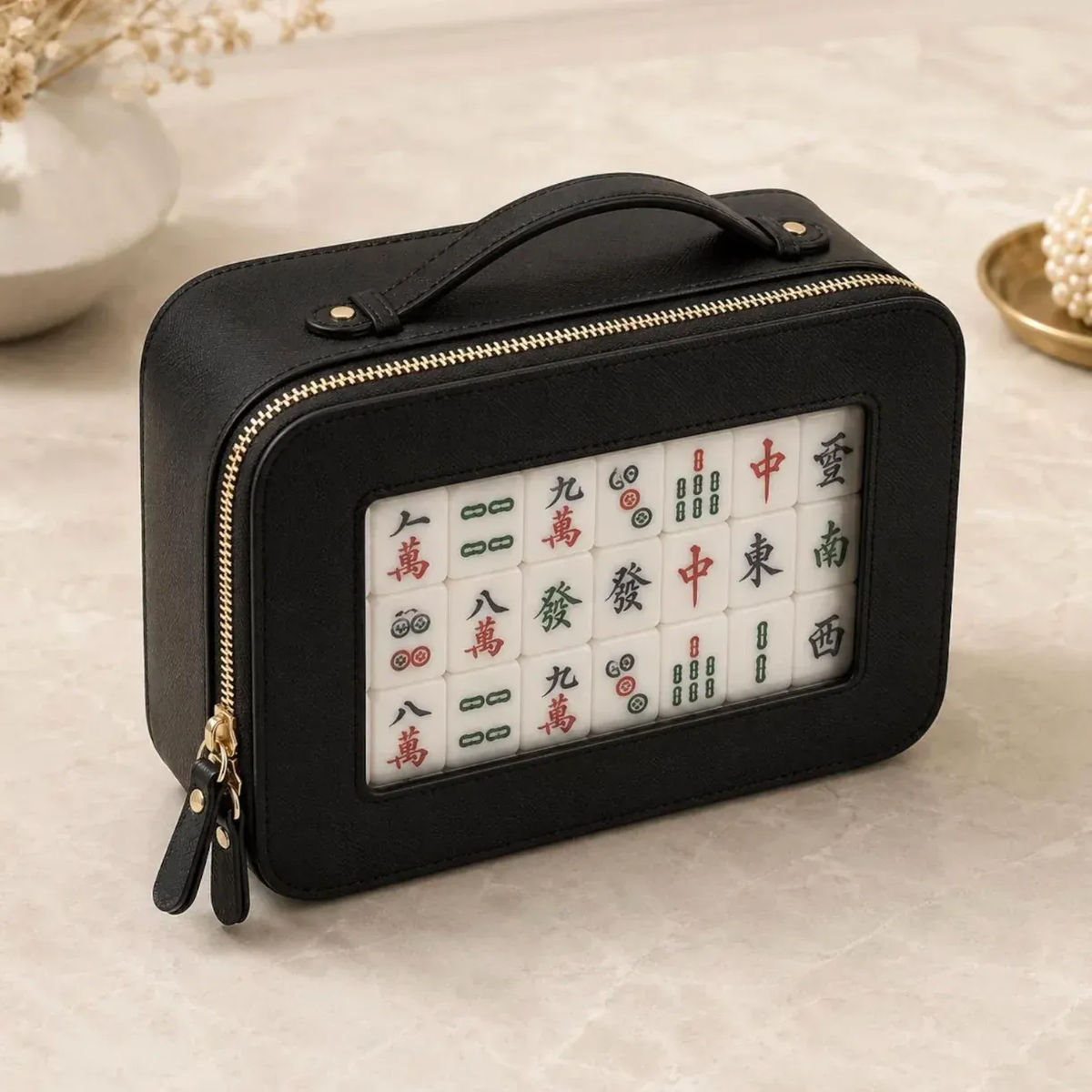
What to check before you buy
Fit: Measure your mat width and the tallest tile stack; confirm the case interior depth accommodates both stacked together. A 160-tile set fits in all three case types, but a mat rolled and tiles boxed might exceed interior height in compact designs.
Compartments: Fabric cases usually have zippered pockets for dice, pushers, and the mahjong card. Hard shells often have removable trays. Hybrids blend both. Decide which layout you'll use before checkout.
Climate: If your storage or vehicle is humid, hot, or uninsulated, choose hard shell or hybrid to resist warping and moisture. Fabric cases in stable indoor settings need no special climate protection.
Carry style: Do you prefer a shoulder strap, rolling wheels, or a top handle? Check product images to confirm the carry hardware matches your weekly routine.
Seal quality: Zippers on fabric cases should glide smoothly; latches on hard shells should click firmly. Read product descriptions for closure details.
✨ Find your mahjong case in our collection →
Real-world scenarios: Which case type wins?
Scenario 1: You host every Tuesday and Thursday at home; no travel. Fabric case. Weight and cost are minimal concerns; protection against dust and casual bumps is enough. Your set stays in one climate-controlled space. Five-year lifespan is fine before upgrading.
Scenario 2: You play weekly locally, drive to tournaments twice a year, fly to a mahjong retreat every eighteen months. Hybrid case. Monthly car trips demand better protection than fabric alone; annual air travel requires more than soft sides. The padded corners and rigid base handle both loads without the full cost or weight of hard shell.
Scenario 3: You own two or three sets, store them in a closet shelf, and fly nationally for games and family visits. Hard-shell case. Multiple sets stacked and air travel justify the premium. Hard shells protect each set from crushing by the others and survive airport baggage handling. Twenty-year durability spreads the cost across decades of play.
Scenario 4: You're new to mahjong, bought a set from our best-selling collection, and don't yet know your long-term play pattern. Hybrid case. It's the safest bet. You avoid the regret of buying a fragile fabric case that fails when you do travel, or overspending on hard shell before confirming you'll use it. Hybrids last long enough to outlive your first year of weekly games, and they resell or gift easily.
🎁 See our mahjong cases and complete sets →
How material choice pairs with your mahjong setup
Your case is only one part of protecting your game. If you've invested in a custom engraved set or a beautiful decorative option from our new arrivals, the case material matters even more. Fabric cases let you admire the tiles when the case is unzipped; hard shells hide your set but offer museum-level preservation. Pair a case with a quality mahjong mat—the mat protects tiles during play, the case protects the mat during storage—and you've built a complete system. Racks with pushers fit in all three case types and keep tiles organized inside. Chose your case first; the rest of your setup will nest smoothly around it.
Final frame: Return on investment
A fabric case costs least upfront but may need replacement if you travel or store your set in a variable climate. A hard-shell case costs most but becomes economical over fifteen years of weekly play—the per-year cost is trivial. A hybrid case splits the difference and is the lowest-regret choice if you're uncertain how you'll use your mahjong set long-term. None of these cases is objectively "best"; the best is the one that matches how you actually play and store your tiles. Before you add a case to your cart, decide: How many times per month do you leave your house with mahjong? Where do you store your set between games? Will your climate stay steady or swing hot-cold-humid? Answer those three questions, and the right material becomes obvious.
✨ Find your Mahstead set — free US shipping →

FAQ
Can I fit a mat inside a fabric case with tiles?
Yes. Most fabric cases have a mat pocket on the exterior or a divided interior tray. Roll or fold your mat, place tiles in the main compartment, and both fit comfortably. Check interior dimensions before ordering.
Do hard-shell cases protect against water damage?
Hard shells are water-resistant but not waterproof. Spills on the exterior don't easily seep in, and humidity is buffered better than in fabric. For full waterproofing, store your case indoors or use an additional waterproof bag.
Is a hybrid case strong enough for airline baggage?
Hybrids with reinforced bases and corner guards survive normal baggage handling. If your airline routinely crushes luggage or you check multiple heavy bags per trip, hard shell offers more certainty. Hybrids are adequate for occasional air travel.
How do I clean the inside of a fabric case?
Vacuum gently or wipe with a dry microfiber cloth. For stains, use a damp cloth with mild soap on the exterior only; avoid soaking the interior. Let air-dry fully before closing the zipper to prevent mold.
Will my case keep my set warm in a cold car?
No. Cases insulate minimally. In extreme cold (below freezing), acrylic tiles can become brittle; hard shells offer slightly more thermal buffering than fabric, but neither is a substitute for keeping your set indoors. Don't leave mahjong in an unheated car overnight in winter.
Can I store multiple 160-tile sets in one case?
Rarely. A single standard case holds one set plus mats and racks. Two full sets exceed most case interior volumes. Buy separate cases or use a large storage bin for multiple sets at home.
Do I need a case if I keep my set at home permanently?
A case protects against dust, accidental spills, and pets; it keeps tiles organized and ready to play. Even home-only players benefit from a fabric case for convenience and preservation. Hard shell or hybrid offer extra climate protection for high-humidity or temperature-swinging spaces.


View More
View More
View More
