
What Set Do You Need for Zung Jung Mahjong?
Last updated: Nov 23, 2026
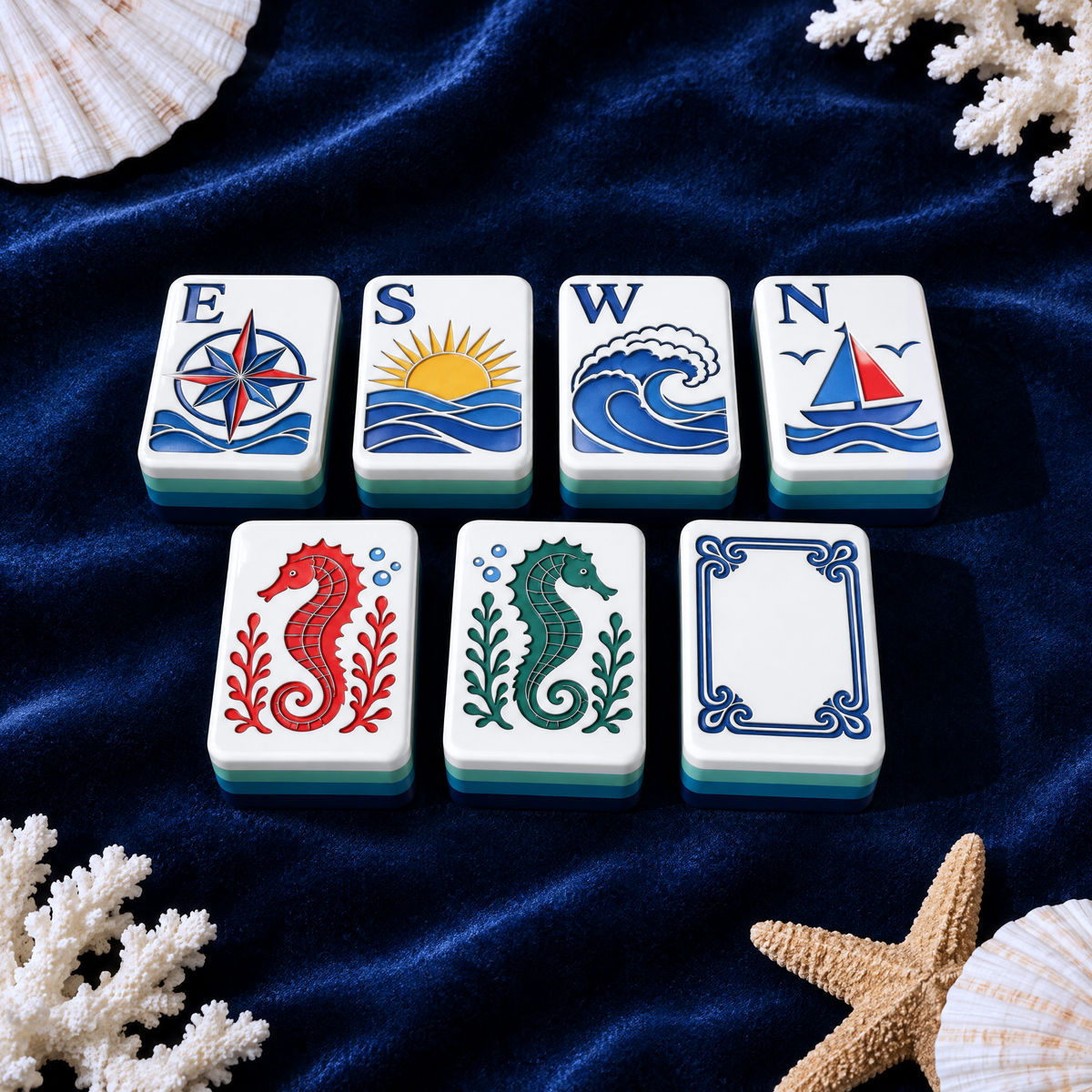
Zung jung is a Hong Kong mahjong variant played with 144 tiles (simpler than American mahjong's 152-tile standard) using Bams, Craks, Dots, Winds, Dragons, Flowers, and no jokers. Games are typically faster and less formal than American play—ideal for social groups learning mahjong. Most casual players use bamboo or acrylic sets; acrylic sets from our best-selling collection are durable, lightweight, and great for frequent home play. Cost varies by material and finish, but acrylic sets offer excellent durability for the price. Before buying, confirm your group's table size, whether you prefer quiet play (bamboo) or lighter handling (acrylic), and whether you'll play weekly enough to justify a higher-quality set. Avoid sets sold as "176 tiles"—they include spares and won't clarify whether they're truly 144 or 152 base tiles. 🀄 Shop best-selling mahjong sets →
Why does tile count matter for zung jung?
Zung jung uses exactly 144 tiles—4 copies each of Bams 1–9, Craks 1–9, Dots 1–9, 16 Winds (4 each: North, East, South, West), 12 Dragons (4 Red, 4 Green, 4 White), and 8 Flowers. There are no jokers in zung jung, unlike American mahjong. If a set claims 152 tiles, it includes 8 extra jokers and is designed for American play, not zung jung. Always ask the seller whether spares (extra tiles beyond the base 144) are included—they're useful backups but not part of active play. Many casual players mistakenly buy 152-tile American sets for zung jung, then wonder why tiles feel redundant or rules don't match the card they're reading.

Acrylic vs. bamboo: Which suits your group?
Acrylic tiles are lightweight, durable, and ideal for groups playing weekly or more often. They're easier on the hands during long sessions, quieter than some bamboo sets, and resist moisture and scratches. Bamboo tiles are traditional, quieter to shuffle, and feel premium; they're best for players with smaller groups, occasional play, or those who value aesthetic authenticity. For zung jung specifically, acrylic wins if your group includes beginners or players with hand fatigue—the tiles are easier to handle and sort. Acrylic also suits smaller apartments or shared tables where durability matters. Bamboo excels if your group plays monthly and values ritual and sound. Budget roughly 1.5–2× more for bamboo; acrylic from Mahstead's collection is tested for weekly play. If your group plays biweekly or less, either works fine—pick the style you'll actually enjoy handling.
Set design: Does it affect gameplay?
No—gameplay is unaffected by design. However, design affects enjoyment and readability. Engraved or embossed tiles with clear suit symbols (Bam bamboo, Crak character, Dot circle) and large numbers are easier to read during play, especially for newer players. Colorful sets (suits printed in different hues) speed up recognition without increasing accuracy. Plain monochrome sets require more focus and suit players already familiar with tile positions. For zung jung groups with mixed skill levels, engraved sets with visible suit markers reduce confusion and keep pace brisk. Ornate designs (such as inlaid gold or jade paint) don't change rules but can slow cleanup and increase costs without gameplay benefit—they're best for display rather than weekly play. Our recommendation: choose a design you find visually clear and pleasant, not flashy.
🎁 See our most-loved mahjong sets & accessories →
How to compare sets before buying: a checklist
Feature | What to Check | Zung Jung Priority | Why It Matters |
Tile count | Base tiles + spares listed separately | Must be 144 base | Wrong count breaks the game |
Material | Acrylic, bamboo, resin, bone | Acrylic for frequent play | Durability & hand comfort |
Tile weight | Grams per tile (if listed) | 7–9g typical | Affects shuffling feel |
Suit clarity | Engraved, printed, or plain | Engraved or printed | Reduces mistakes, speeds play |
Storage | Included bag, case, or bamboo rack | Bag or soft case | Protects tiles, eases transport |
Set completeness | Dice, pushers, rack, mat included? | Check against your needs | Avoid buying duplicates later |
Before ordering, measure your table—standard tables seat four and need 6–8 inches of clear space per player. A 144-tile set sits comfortably on tables 30×30 inches or larger. If you're playing standing up or on a small surface, lightweight acrylic is non-negotiable. Ask the seller whether the bag or case fits standard racks with pushers—some cases are too narrow. If you play on a bare table (no mat), buy a non-slip mat as well; it protects tiles and makes shuffling safer. Check whether the set comes with dice—zung jung uses two or three dice to randomize wall breaks, and many affordable sets don't include them separately.

What if you're upgrading from a beginner set?
If your group started with a cheap plastic or felt-marked set and now plays weekly, upgrading to a quality acrylic or bamboo set transforms the experience. Your hands will thank you after two-hour sessions, and tile recognition becomes automatic. When upgrading, keep the same material type if your group is used to it—switching from bamboo shuffling feel to acrylic might feel strange for a few games. Donate or sell the old set; don't try to mix tiles (they wear unevenly and sizes may differ). New players joining your group often worry they're "starting behind"—assure them that a good set only speeds learning, not competence. Your best-selling acrylic sets are perfect upgrades because they're tested by weekly players and priced fairly for the durability you'll get.
✨ Find your Mahstead set — free US shipping →
Where to buy: Online vs. local
Most local game stores and import shops stock only bamboo or mass-produced plastic sets—selection is limited and pricing is often high. Online retailers (including Mahstead) offer more styles, faster comparison, and free shipping across the US. When ordering online, confirm the seller's return policy in case tiles arrive chipped or counts are wrong. Zung jung-specific sets are rare in mainstream retail; you may need to search "Hong Kong mahjong 144 tiles" or ask the seller whether a 152-tile set can be adjusted (it can't—jokers are built in). Mahstead ships acrylic sets designed for American mahjong (152 tiles), so if you're committed to 144-tile zung jung only, confirm that zung jung-specific 144-tile sets aren't mistakenly being ordered. Local mahjong clubs (often at community centers, libraries, or cultural organizations) sometimes sell sets or recommend trusted sellers—worth asking before buying sight-unseen.
What to check before you buy
Tile count clarification: Confirm the listing states "144 tiles" for zung jung or "152 tiles + 8 jokers" for American. Don't assume; email the seller if unclear.
Material preference: Decide whether acrylic or bamboo fits your group's play frequency and budget.
Storage plan: Measure your storage space and confirm the bag or case ships with the set.
Table size: Ensure your table accommodates four players comfortably; a 30×30-inch table is the practical minimum.
Accessories you'll need: Racks with pushers, a non-slip mat, and dice may not be included—budget for them separately.
Shipping and returns: Confirm free shipping, tracking, and whether the seller accepts returns for damage or miscounts within 14–30 days.

FAQ
Can I use an American mahjong set (152 tiles with jokers) for zung jung?
Technically yes, but it's awkward. Zung jung ignores the 8 jokers and doesn't use them, so you'll have 8 unused tiles cluttering your storage. It's better to buy a true 144-tile set made for zung jung or Hong Kong play.
Do I need a mat, rack, or dice to play zung jung?
No—all three are optional. A mat protects tiles and improves shuffling grip. A rack with pushers organizes your hand and speeds play. Dice randomize wall breaks. Casual players skip all three; weekly groups find racks and mats worth the small cost.
How long does a good acrylic set last with weekly play?
Quality acrylic sets last 3–5 years with weekly play, often longer if stored in a dry space and cleaned occasionally. Bamboo lasts longer (5–10+ years) but costs more upfront.
What's the difference between "engraved" and "embossed" tiles?
Engraved tiles have suit symbols cut into the surface; embossed tiles have them raised. Both improve readability. Engraved is slightly more durable because the design can't wear smooth as quickly.
Should I buy extra jokers or blank tiles if my set includes spares?
For zung jung, no—you don't use jokers at all, so spares are dead weight. For future American mahjong play, keep them in the box; jokers sometimes crack or go missing.
Do I need to buy a set specifically labeled "zung jung," or can any Hong Kong mahjong set work?
Any Hong Kong mahjong set with 144 tiles works. "Zung jung" and "open mahjong" and "casual play" are often used interchangeably by sellers. The key is the 144-tile count and the absence of jokers.


View More
View More
View More
