
Little Four Winds Mahjong: Meaning, Rules & Points
Last updated: Nov 23, 2026
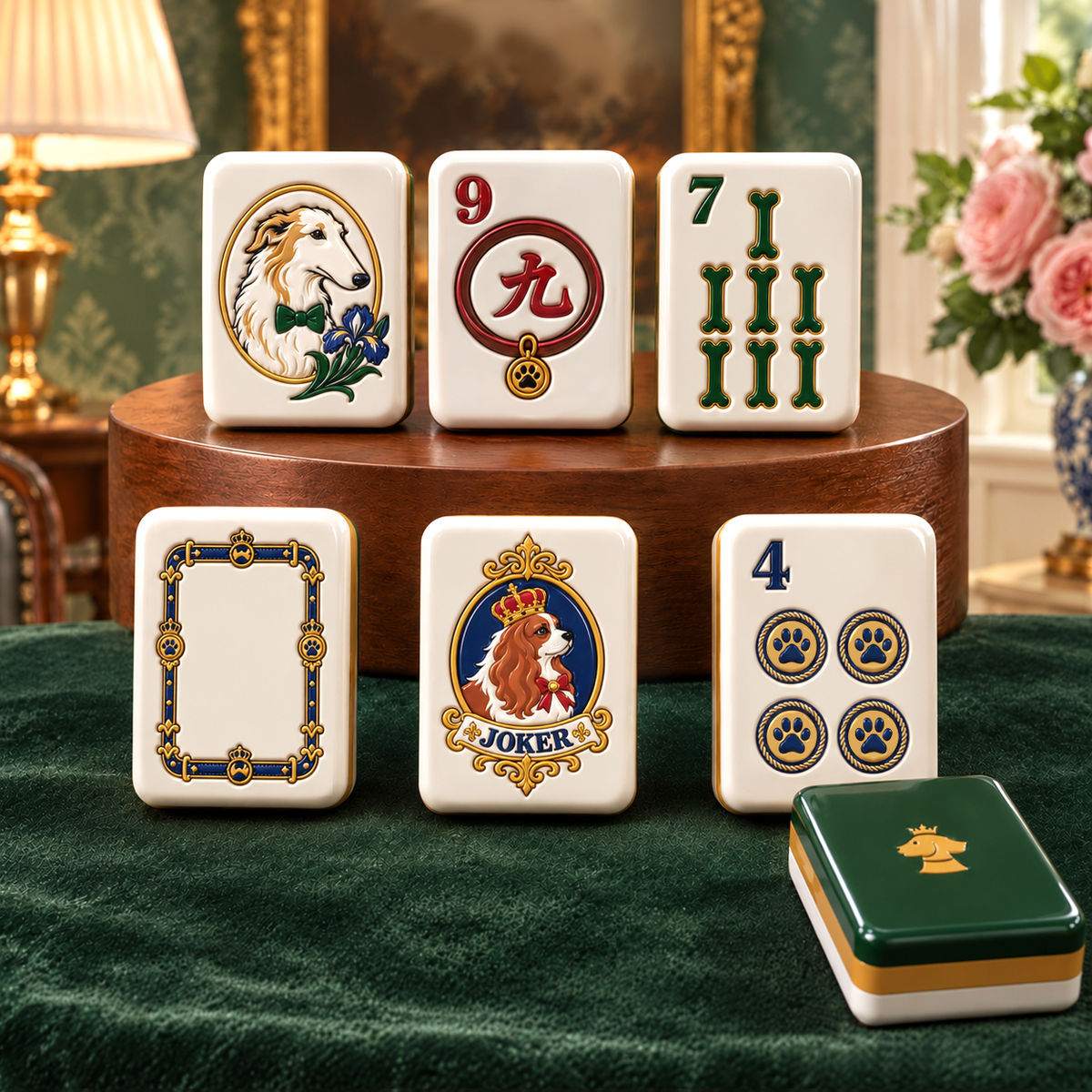
Little Four Winds is an American mahjong hand that pairs one wind (North, East, West, or South) with three pairs of the other three winds. You expose the pung, keep the three wind pairs hidden, and score 40 points (doubled if concealed) on the current season's National Mah Jongg League card. It ranks among the high-value hands because completing it requires holding four different wind tiles in specific groupings. The hand is called "little" to distinguish it from Big Four Winds, which exposes all four wind pungs or kongs. Unlike Chinese or Riichi variants where sequences count, American mahjong hands come only from the official card, and Little Four Winds appears in the honour (wind and dragon) sections. Many new players confuse it with Big Four Winds or miss that the pair must be one of the three wind pairs, not the pung—a costly error when you're one tile from winning.
What exactly is Little Four Winds in American mahjong?
Little Four Winds combines four wind tiles split into one pung (three identical winds) and one pair (two different winds from the remaining three). For example, three East winds as your exposed pung, plus a pair of North winds hidden in your hand. You cannot call a discard to complete this hand; you must draw your final tile from the wall, which makes it a concealed win worth double points (80 instead of 40). The hand appears only on hands marked in the honour section of the National Mah Jongg League card each year—you must check the current card to confirm it's legal this season.
The name comes from the four winds: North, East, West, and South. In American mahjong, winds are one of the seven honour groups (along with the three dragons, making nine honours total). Because this hand requires exactly three wind pungs or kongs plus one wind pair, it sits between the simpler 2 Pung hands and the supremely difficult Big Four Winds.

How do you score Little Four Winds?
In American mahjong, the National Mah Jongg League card assigns a fixed point value to every legal hand—there is no calculation. Little Four Winds typically scores 40 points when your final tile is discarded by another player (an exposed win), and 80 points when you draw it yourself from the wall (a concealed win). Some hands also carry a "limit hand" designation worth double again if certain conditions are met, though Little Four Winds is scored at face value in most seasons.
To determine the exact points in any given game year, check the current-year card in the honour section. The card layout groups hands by point value, so all 40-point hands sit together, all 60-point hands together, and so on. This is why reading the card correctly is the first skill every player must master—no guessing, no house rules.
What's the difference between Little Four Winds and Big Four Winds?
Hand | Exposure | Tiles | Points | Rarity |
Little Four Winds | One pung + three pairs | All winds | 40–80 | Moderate |
Big Four Winds | Four pungs or kongs | All winds | 60–120 (typically) | Rare |
Pung of Winds | One pung only | Four tiles | 20–30 | Common |
Big Four Winds requires you to expose all four wind pungs or kongs (or a mix), which is mechanically much harder: you need twelve wind tiles in exactly four groups of three. Little Four Winds asks only for three wind pungs plus one pair—four tiles in the pair, nine in the three pungs. Because Big Four Winds requires four exposed honour groups, it scores higher and appears far less often in a season's winning games. When you're within one tile of Little Four Winds and someone discards a wind, take it immediately if it completes your pung; if you draw from the wall instead, the hand jumps to concealed (80 points).
The practical difference at the table: Little Four Winds comes up two to three times per season for an average player. Big Four Winds may happen once every two or three years.
What mistakes do players make with Little Four Winds?
Confusing the pair with the pung. The most common error: you hold North-North-North (your pung) and East-East (your pair). A player discards South. You cannot take it to form a fourth pung—you already have your pung. Your hand is locked; you must draw to win, and if you complete a different hand from your draw, that's your win instead.
Forgetting concealed scoring. If you hold Little Four Winds and draw your final tile, you score 80. If you wait and someone throws your tile, you score 40. Many players don't recognize this in the moment and call the wrong hand.
Not checking the current card. Little Four Winds doesn't appear on every year's card. Before the season starts, you must verify it's legal. If it's not printed, no player in your group can win it—even if they hold the tiles.
Mixing up honours groupings. Winds belong to the honour category. Winds are never mixed with numbers (like "3 Dots, 4 Dots, East"). Every hand on the card specifies its suits and honour tiles exactly. If a hand calls for "Winds and Craks," you cannot substitute Bams or Dots. Read the card notation carefully, or ask the scorekeeper.
Exposing too early. If you expose your wind pung before you have a complete hand, other players will avoid throwing winds at you, blocking your win. Hold it hidden until you're one tile away from winning.
🀄 Shop best-selling mahjong sets →

How do you plan for Little Four Winds during the Charleston?
During the Charleston—the tile-passing ritual before play begins—you don't plan for a specific hand. The Charleston is random and equal: each player passes tiles to three other players in a set sequence, and no one directs the flow toward any hand. After the Charleston and your initial draw, you decide whether to build toward a hand on the card.
If you find yourself with two or three wind tiles of one type and winds of other types, Little Four Winds is worth keeping in mind if it appears on your card. Many players mentally note three strong honour tiles and watch the discards: if winds flow freely around the table, you have a better chance. If winds are being hoarded or called early, abandon the hand and pivot to number combinations.
The card itself will show which honour hands are highest value this season. If Little Four Winds is 40 points and other wind hands are 30 points, it's a worthwhile backup. If it's the only wind hand worth playing for (and you have the tiles), pursue it cautiously. Never build toward honour hands at the expense of number hands, which are far more common and reliable.
What's the right equipment for tracking honour hands?
When you're playing honour-heavy hands like Little Four Winds, a sturdy mahjong rack with pushers keeps your tiles visible and organized. Wind tiles can look similar at a glance—North, South, West, and East tiles all use symbols that differ subtly—so good visibility matters. A quality rack holds each tile upright and prevents them from tilting, which helps you spot patterns faster and avoid miscalling a pung.
For players who host weekly games and handle multiple sets over time, engraved acrylic tiles or a best-selling professional set with clear markings reduce misreads. Acrylic tiles resist wear and keep their etchings sharp, so wind symbols stay legible through hundreds of games.
If you're learning honour hands, a mahjong mat with position markings helps you practice exposing pungs in the correct discard zones and keeps your hand layout clear. A mat also protects your tiles from scratches and makes cleanup faster after the game.
🎁 See our most-loved mahjong sets & accessories →
What to check before you pursue Little Four Winds
Confirm the hand is on this year's card. Check the National Mah Jongg League card (issued each spring) in the honour section. If it's not printed, you cannot win it.
Count your wind tiles after the draw. Do you have at least four wind tiles? If yes, is a pung + pair possible from what you hold?
Note which winds are discarded early. If three players dump East winds in the first round, Little Four Winds is blocked. Shift to another hand.
Decide: exposed or concealed? If you expose your wind pung, other players know what to avoid. If you hold it hidden, you score 80 if you draw (concealed), 40 if someone throws. Plan accordingly.
Don't trap yourself. Keep a backup hand in mind. If Little Four Winds stalls, you need a second path to victory. Never discard safely for honour hands at the cost of staying alive.
✨ Find your Mahstead set — free US shipping →

FAQ
Can I use jokers in Little Four Winds?
No. Jokers are never legal in honour hands (winds and dragons). You must have four actual wind tiles, not wild cards.
Does Little Four Winds have to be exposed immediately?
Not necessarily. You can keep all tiles hidden (concealed hand = 80 points if you draw) or expose the pung once you are one tile from winning. Exposing earlier gives other players information and reduces your points to 40.
What if I already have three wind pairs and draw a fourth pung?
You cannot hold five winds in a legal hand structure. You must discard one wind tile to bring yourself back to a valid pattern (pung + pairs, or four individual tiles for other hands).
How rare is Little Four Winds compared to other winning hands?
Among honour hands, it's moderate—you might see it once or twice a season per player. Among all hands, you'll win it far less often than number-based hands, which outnumber honour hands on the card five to one.
Can Little Four Winds be called on a discard if I'm missing one tile?
Only if the discard completes your pattern exactly. If someone throws an East and you hold North-North-North (pung) and West-West (pair), you cannot call East. You must draw to win.
Do winds carry different point values depending on which one I use?
No. North, East, West, and South are all equal. The hand's value (40 or 80 points) depends only on whether you won via discard or draw, not which wind you chose.


View More
View More
View More
