
Japanese Mahjong Winning Hands: Riichi & Yaku Rules
Last updated: Nov 23, 2026
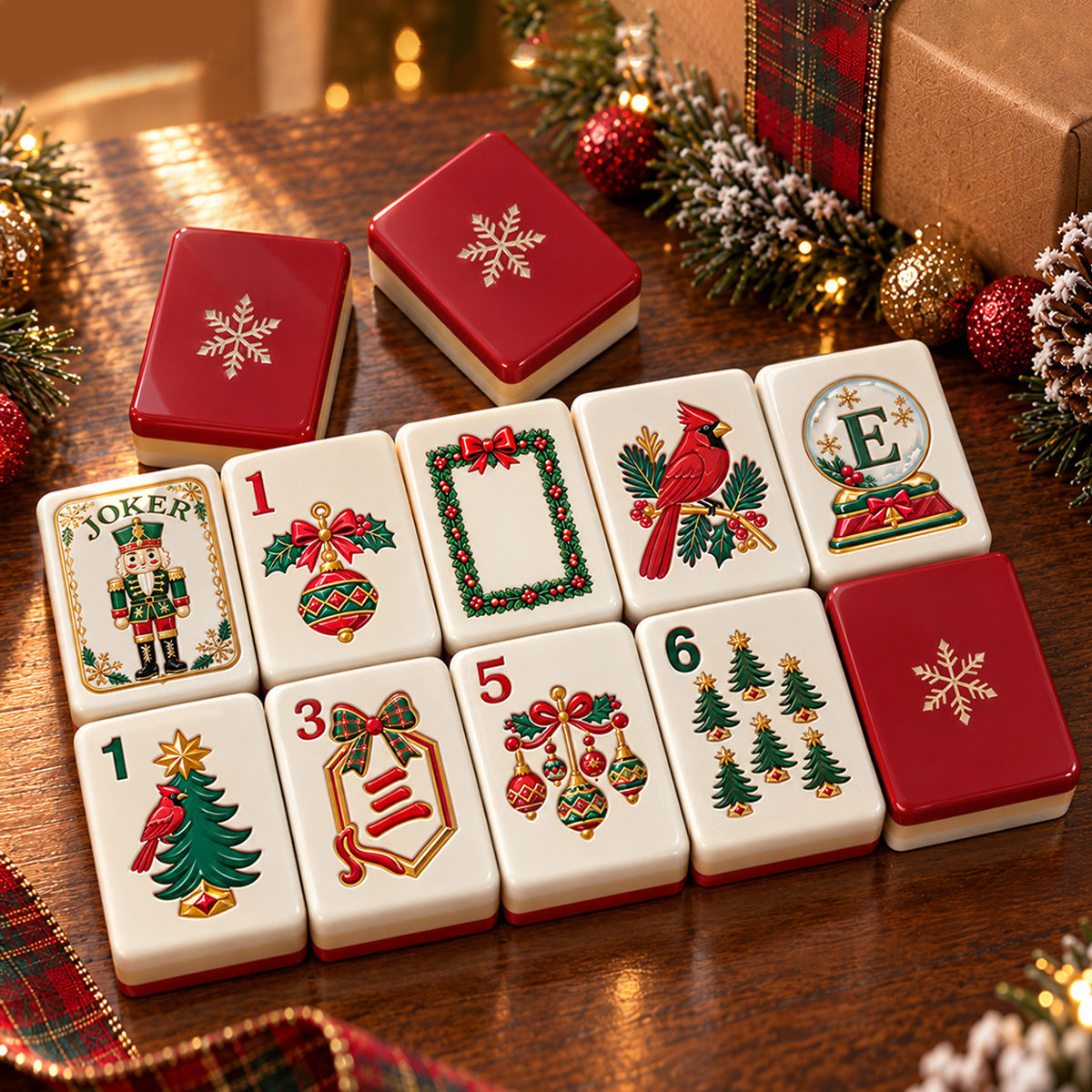
Japanese mahjong (riichi) winning hands are called yaku—specific tile patterns that score points. A hand needs at least one yaku to win; common ones include tanyao (no terminals), honitsu (one suit + honors), yakuhai (three honor pungs), and tanyao (simples only). Winning requires completing a wait—typically a pair plus melds—then declaring ready (riichi). Unlike American mahjong, riichi allows sequences (chows: 1-2-3 of one suit) alongside pungs and kongs, uses 136 tiles instead of 152, and plays with four jokers. Riichi mahjong also includes hand-doubling rules (fu and han) that multiply base points, making hand composition far more intricate than American variants. Learning yaku is essential—without one, you cannot win, regardless of your tile combination.
What is a yaku in riichi mahjong?
A yaku is a named pattern or condition that makes a hand winnable and carries a point value. Each yaku has a han (doubling level), which multiplies your base score. You must declare riichi (ready) before drawing a winning tile, signaling your hand is one tile away from complete. Without at least one yaku, your hand cannot win, even if all tiles are melded correctly.

How do sequences differ from American mahjong?
Riichi mahjong allows chows—sequences of three consecutive numbers in one suit (1-2-3, 5-6-7, 8-9-1 of Bams, Craks, or Dots)—as valid melds that can be exposed and called. American mahjong forbids sequences entirely; you may only expose pungs (3 identical) and kongs (4 identical). This makes riichi strategy more fluid: fewer melding restrictions mean more hand flexibility and more ways to reach ready. American players cannot call a run; riichi players can, opening different winning paths.
What are the most common winning yaku?
Tanyao (all simples): hand contains only 2–8 of each suit, no 1s, 9s, or honors. Pinfu (all sequences, no melds): hand is four chows plus a pair, all waiting on two tiles. Yakuhai (honor pung): three identical honor tiles (winds or dragons). Honitsu (half-flush): one suit plus honors only, no other suits. Chinitsu (full flush): all tiles one suit plus one honor pair. Each is worth 1–2 han; higher han hands score more points when you win.
How does scoring work compared to American mahjong?
Riichi scoring multiplies base points (fu × 2^han) by win type (self-draw vs. discard), with a fixed ceiling (mangan = 2,000 points, haneman = 3,000, baiman = 4,000). American mahjong awards fixed points per hand type listed on the card (no doubling system). Riichi games end when one player reaches 30,000 points; American games are typically four rounds (one per wind). Riichi is luck-heavy on individual hands but balanced over many games; American scoring is more predictable per hand.
Aspect | Riichi Mahjong | American Mahjong |
Tile count | 136 tiles | 152 tiles |
Sequences allowed | Yes (chows) | No |
Winning requirement | ≥1 yaku | Hand on card |
Scoring system | Fu × 2^han × multiplier | Fixed points per hand |
Ready declaration | Riichi (mandatory) | N/A |
Game length | First to 30,000 points | 4 rounds |
🀄 Shop best-selling mahjong sets →
What are closed hands vs. open hands?
A closed hand (tenpai) means all tiles are concealed until you win; you draw from the wall. An open hand allows you to call (pon) an opponent's discard to form a pung, or chi (chow) a discard to form a sequence. Open hands score lower than closed hands (closed is worth more multipliers). Most beginner yaku list closed hands first; learning to read which yaku unlock when you open is key to strategy.

How do you declare riichi and what happens next?
You declare riichi when your hand has exactly one tile to win (tenpai) and you place a 1,000-point stick in front of your tile rack—a public signal you're waiting for one specific tile. After riichi, you cannot change your hand shape; you can only draw and discard. If another player discards your winning tile, you win (tsumo if you self-draw, ron if you take a discard). If someone else wins before you, you lose your riichi stake. Riichi is optional but risky: you're locked in, but a one-han riichi win scores double.
Common mistakes new riichi players make
Declaring riichi too early: you must have exactly tenpai (one tile away). If not, you violate the rule and must pay a penalty. Forgetting yaku exist: a complete hand with no yaku is a dead hand; you've wasted a turn. Calling too many melds: open hands score lower; sometimes staying closed pays more. Ignoring fu: even with one yaku, base points matter. A hand with high fu (complex wait, outside honor) scores better than simple fu (standard wait).
🎁 See our most-loved mahjong sets & accessories →
What you'll need to play riichi mahjong
Riichi mahjong is played with the same tile structure as traditional mahjong—one standard set. However, learning hand patterns and yaku names requires study; many players use printed yaku charts at the table during early games. Our best-selling collection includes durable acrylic sets with clear markings that work well for both American and Japanese riichi play—the tile design is universal. Pair a set with a mahjong mat to mark walls and walls clearly, and racks with pushers to organize your hand and melds. For travel between games, a bag or case protects your set.
What to check before you buy a set for riichi
Tile clarity: Riichi uses the same Chinese suit markings (Bams, Craks, Dots) and honors as American mahjong, so any standard 136+ tile set works. Ensure characters are embossed or printed deeply—riichi games move fast and you need to read tiles at a glance.
Joker count: Riichi traditionally uses four jokers. Standard sets include these, but confirm the product description.
Organization aids: A mat with marked walls and a rack help riichi players manage open melds and closed hands separately.
✨ Find your Mahstead set — free US shipping →

FAQ
Can I use an American mahjong set to play riichi?
Yes. Both use the same tile design and count (if your set has 160 tiles, you use 136 for riichi). The difference is in rules and scoring, not hardware.
How many yaku do I need to memorize to play?
Start with five: tanyao, pinfu, yakuhai, honitsu, and chinitsu. Most casual games reference a yaku chart. Competitive play requires memorizing 40+, but beginners are never expected to know them all at once.
Does declaring riichi mean I must win on my next draw?
No. After riichi, you wait for any player to discard your winning tile—it might never come. If someone else wins first, your riichi stake is lost and the hand ends.
Why does American mahjong not use yaku?
American mahjong replaced yaku with a fixed card listing legal hands for each year. This simplifies play and keeps all hands equally valid; riichi's yaku system rewards pattern knowledge and strategy depth.
Can sequences help me win in riichi if I have no other yaku?
No. Sequences (chows) alone are not a yaku. You need a named pattern—tanyao, for example, plus your sequences—to make the hand winnable.
Is riichi mahjong harder than American mahjong?
They're difficult in different ways. Riichi demands yaku knowledge and hand-shape strategy; American requires reading the card and tile-passing skill. Most players find riichi steeper initially, then equally engaging once yaku become intuitive.


View More
View More
View More
