
Jade Mahjong Tiles: Pros and Cons for Players
Last updated: Nov 23, 2026
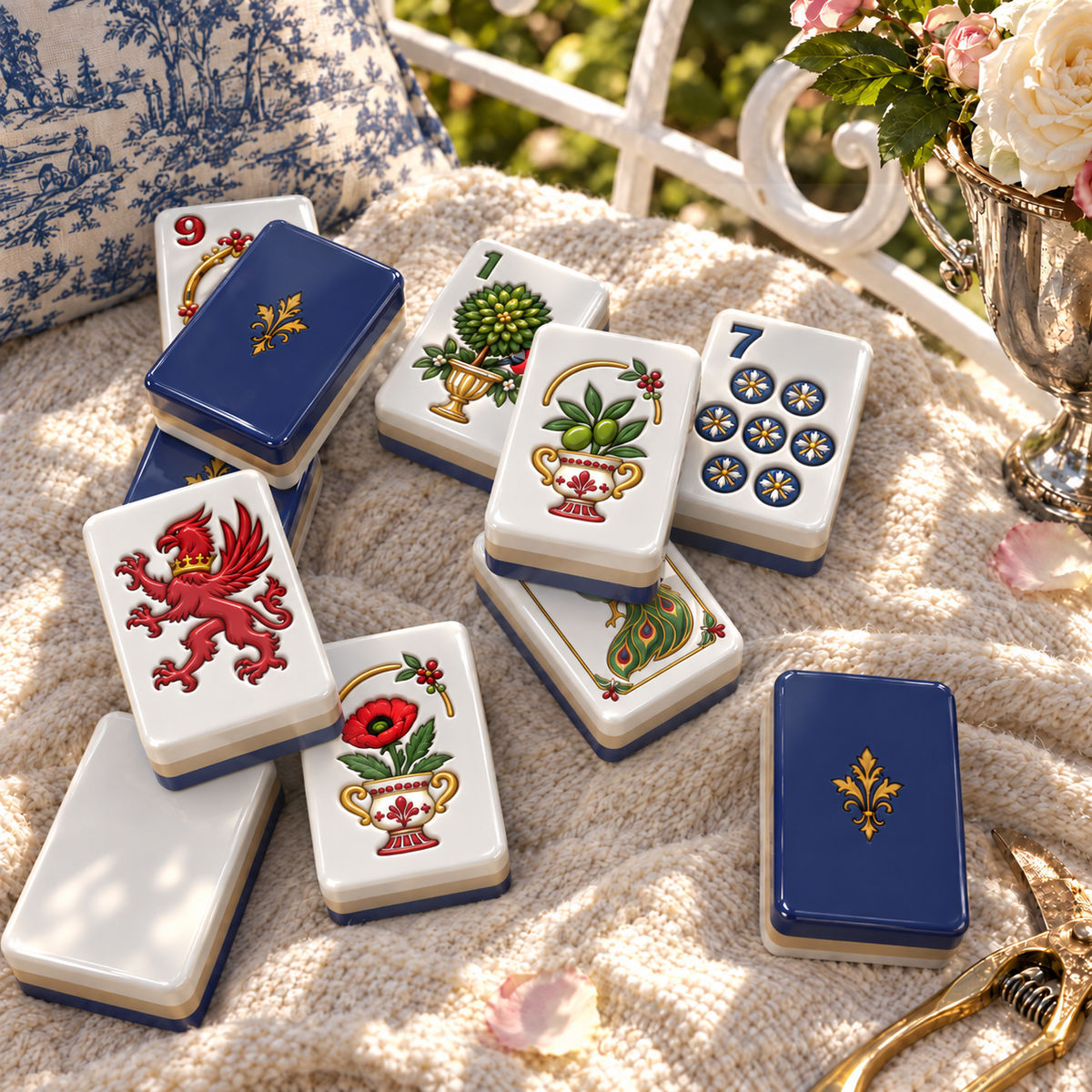
Jade mahjong tiles are heavier (often 8–12 grams per tile) and produce a distinct clack than acrylic, appealing to players who prize authentic feel and sound. The main pros: longevity, beautiful aging, and prestige; the cons are fragility (chips crack), maintenance (dust and humidity sensitivity), cost, and weight fatigue during long games. Jade is valued in Chinese, Hong Kong, and Taiwanese mahjong communities, but American mahjong players—governed by the annual National Mah Jongg League card—rarely need jade to play correctly. If you host weekly games in a stable climate, have a dedicated storage solution, and value heirloom quality over portability, jade rewards the effort. Otherwise, modern acrylic tile sets from our best-selling collection offer reliable play, durability, and lower risk.
Jade tiles carry romance and history but also real trade-offs. Before you commit to a set, understand what you're choosing and whether it fits your actual game life.
What makes jade tiles heavier and louder than acrylic?
Jade is a stone carved or molded into tiles, typically weighing 8–12 grams per piece versus acrylic's 3–5 grams. That mass creates a deeper, sharper clack when tiles strike each other—a sound many experienced players associate with authenticity and control. Acrylic tiles are faster to move, lighter on wrists after four hours of play, and produce a softer rattle. Neither sound is "correct"; they're just different. If you're learning or playing casually, you'll adapt to either in one session. Serious players who grew up with jade often miss it; those who learned on acrylic never do.

Are jade tiles actually more durable than acrylic?
Yes—if they're handled well. Jade doesn't yellow or cloud over decades; acrylic can fade under UV light or become scratched with rough shuffling. Jade tiles can last generations. The catch: jade chips and cracks if dropped, stacked carelessly, or exposed to sudden temperature swings. Acrylic tiles bend or warp under extreme heat and scratch visibly, but they almost never snap. In a home setting with careful storage, jade lasts longer. In a club passed through many hands, acrylic is actually more forgiving. Neither material requires you to play better; material choice is about long-term economics and your tolerance for repair.
What's the real cost difference, and do you get your money back?
Jade tile sets typically cost 2–4 times more than acrylic sets at entry level, based on material sourcing and hand-finishing. Mid-range acrylic American mahjong sets are standard for home players; premium sets with engraving and custom designs offer better value than premium jade if you're buying for regular play, not investment. Jade doesn't resell easily unless it's a rare vintage set or from a known carver—most secondhand jade tiles sell at a loss. If you're buying to own, not to flip, don't factor resale into the decision. Buy jade because you want to play with it, not because you think it's an asset.
How do humidity and climate affect jade versus acrylic?
Jade is hygroscopic (absorbs moisture) and sensitive to humidity swings, which can cause tiny cracks or warp the rack where tiles are stacked. Acrylic is inert and unaffected by humidity. If you live in a dry climate or store tiles in a controlled space, jade is stable. If you're in the Gulf South, Pacific Northwest, or other high-humidity zones, or if you travel with your set, acrylic removes one layer of fussiness. Neither material likes extreme heat; both should be stored away from radiators, car trunks in summer, or direct sun. Acrylic is more forgiving of casual climate abuse.
When should you choose acrylic instead, and what's a smart buying strategy?
Choose acrylic if you: play weekly (weight fatigue matters), travel, have young players at the table, or play in clubs where sets pass hands often. Choose jade if you: have a dedicated mahjong space, live in a stable climate, play the same set for years, and value ritual and feel over convenience. A practical middle path: start with acrylic to learn the game and commit to regular play, then invest in jade later if the romance calls to you. Our best-selling mahjong sets are acrylic with quality engraving and pushers—they're designed for the players who host weekly games and want reliability without fuss.

What happens if jade tiles chip or crack—can they be repaired?
Minor chips can be polished or left alone; major cracks typically require replacement of that tile. Finding a matching replacement is hard unless you buy a full set from a known source. Acrylic chips and cracks are also hard to fix, but replacement tiles are easier to find in bulk. Neither material is easily repaired by amateurs. Before buying jade, accept that if a tile breaks, you may need to retire the set or live with the defect. This is one reason many clubs and casual players choose acrylic—the stakes of accident are lower.
What You'll Need
Material | Best for | Weight per tile | Sound | Maintenance | Why choose it |
Jade | Serious collectors, stable home play | 8–12g | Deep clack | High (humidity, storage) | Longevity, prestige, feel |
Acrylic | Weekly home games, travel, clubs | 3–5g | Soft rattle | Low (dust, wipe clean) | Durability, portability, cost |
🀄 Shop best-selling mahjong sets →
Common Mistakes to Avoid
Buying jade without climate control: humidity ruins tiles faster than use.
Assuming jade is an investment: it rarely appreciates; buy for love, not profit.
Stacking tiles too high: both jade and acrylic suffer under pressure.
Ignoring the game variant: American mahjong works identically on jade or acrylic; your game doesn't depend on material.
Choosing by sound alone: if you're learning, material doesn't affect your learning curve.
What to Check Before You Buy
Before committing to either material, ask yourself:
How often do I play? (Weekly+ = acrylic makes sense; monthly = either.)
Do I store at home or travel with the set? (Home + stable climate = jade OK; travel = acrylic.)
Am I buying for myself or for a group? (Solo player = your preference; group = acrylic takes less risk.)
What's my real budget? (Jade costs more upfront and in maintenance; factor that honestly.)
Do I live in a humid climate? (Yes = acrylic is safer.)
Our engraved American mahjong sets are built to last through seasons of weekly play—acrylic tiles with precision pushers and custom designs. If you later choose jade for special occasions, you'll know exactly what you're adding.
🎁 See our most-loved mahjong sets & accessories →
The honest truth: your game doesn't depend on tile material. American mahjong is about reading the card, the Charleston, and knowing how jokers work. Jade is a personal choice—a way to honor the game's history and your own ritual. Acrylic is the practical backbone of modern home play. Neither is wrong. Choose based on your space, climate, and what brings you back to the table week after week.
✨ Find your Mahstead set — free US shipping →

FAQ
Do jade tiles play differently than acrylic in American mahjong?
No. American mahjong rules don't depend on tile material. Jade is heavier (feels different in hand), sounds different, and ages differently, but the game—card calls, joker rules, scoring—is identical. Choose based on comfort and durability, not play mechanics.
How long do jade tiles last compared to acrylic?
Jade can last 30+ years with care; acrylic lasts 10–20 years with regular play. Jade chips if dropped; acrylic scratches and can warp under heat. Longevity depends on storage, climate, and handling more than material alone.
Can I play American mahjong with jade tiles?
Yes. American mahjong uses 152 tiles plus 8 jokers. Jade sets exist for American play, though they're rarer than acrylic. Make sure the set has the correct tile count and includes jokers before buying.
Are jade tiles worth the extra cost?
Only if you: have a dedicated storage space, live in a stable climate, play the same set for years, and value the feel and sound. If you travel, play casually, or share sets in clubs, acrylic offers better value and lower risk.
Do jade tiles need special cleaning or storage?
Yes. Avoid humidity swings; store in a dry, cool place, ideally in a wooden rack or lined case. Wipe tiles with a soft, dry cloth. Never soak them. Acrylic needs only dusting and occasional wiping with a damp cloth—no special care.
Can I mix jade and acrylic tiles in one game?
Technically yes, but it's not recommended. Tiles will look and feel inconsistent, and the weight difference may throw off hand balance and shuffling. Use one material per set for fair, smooth play.


View More
View More
View More
