
Rubber Backed Mahjong Mat: What to Check Before You Buy
Last updated: Nov 23, 2026

A rubber-backed mahjong mat is a felt or cloth playing surface with a non-slip rubber base that anchors tiles during gameplay and protects furniture underneath. Most American game mats measure 30–32 inches square (enough for four players seated around a table) and fold or roll for storage. The rubber backing prevents sliding on polished wood, glass, or laminate tables, which is essential during spirited shuffles and draws. Thickness typically ranges from 1/8 inch to 1/4 inch, with thicker mats offering more cushion and noise reduction. Mats are sold individually or bundled with best-selling mahjong sets; they cost more with custom engraving or embroidery. Choose rubber backing over no backing if your table surface is slippery, and pick felt or microsuede tops based on whether you prefer speed (felt) or grip (microsuede). Avoid mats thinner than 1/8 inch if durability matters for weekly play.
Why does rubber backing matter more on some tables than others?
Rubber backing grips surfaces mechanically—smooth tables (glass, varnished wood, laminate) benefit the most because they offer no texture for tiles to catch on naturally. On textured or matte surfaces, a rubber backing is useful but less critical. If your game table is polished or slippery, rubber backing is non-negotiable; without it, tiles shift during the shuffle and discard phases, frustrating players and slowing the game. We've hosted weekly games on both types of surfaces, and the difference is immediate: games on polished tables without a mat feel chaotic, while even a basic rubber-backed mat transforms stability. Leather or older wood tables rarely need backing; modern furnishings almost always do.

What's the real difference between felt and microsuede tops?
Felt has less friction, so tiles glide during the shuffle with minimal resistance—ideal if you prioritize speed and prefer a lighter touch when drawing. Microsuede grips tiles more, creating slight resistance, which some players find steadier and easier to control. Felt mats are also easier to clean (wipe with a dry cloth) and dry faster if spilled on. Microsuede requires more care and can trap dust, but it feels premium and lasts slightly longer under heavy use. Choose felt if you play fast, shuffle hard, and value low maintenance. Pick microsuede if you want maximum tile control and don't mind occasional vacuuming. Both work for American mahjong; neither is "correct"—it's pure preference.
How do you compare mat sizes—and does thickness really matter?
Standard mats for four-player American games run 30–32 inches square; a few run 28 inches (tight but playable) or 34+ inches (luxury, rare). Measure your table's usable center space before ordering. Thickness of 1/8 inch handles regular weekly play and travels well; 1/4 inch adds serious cushion, reduces tile noise dramatically, and lasts longer but weighs more and folds less compactly. For portable mats that live in a bag, choose 1/8 inch; for a permanent game table, 1/4 inch earns its bulk. The rubber backing thickness is separate from the playing surface; quality mats use 2–3 mm rubber (roughly 3/32 inch) bonded to the top layer. A comparison table makes this concrete:
Scenario | Size | Thickness | Top Material | Why It Works |
Weekly rotating home games | 30–32 in. | 1/8 in. | Felt | Folds small, travels easily, fast play |
Permanent kitchen game table | 32–34 in. | 1/4 in. | Microsuede | Durable, noise-dampening, steady grip |
Travel/tournament bag | 28–30 in. | 1/8 in. | Felt | Minimal weight, folds tight, dries quick |
Luxury or engraved mat | 32 in. | 1/8–1/4 in. | Microsuede/embroidered | Custom design, slower play tempo, display-ready |
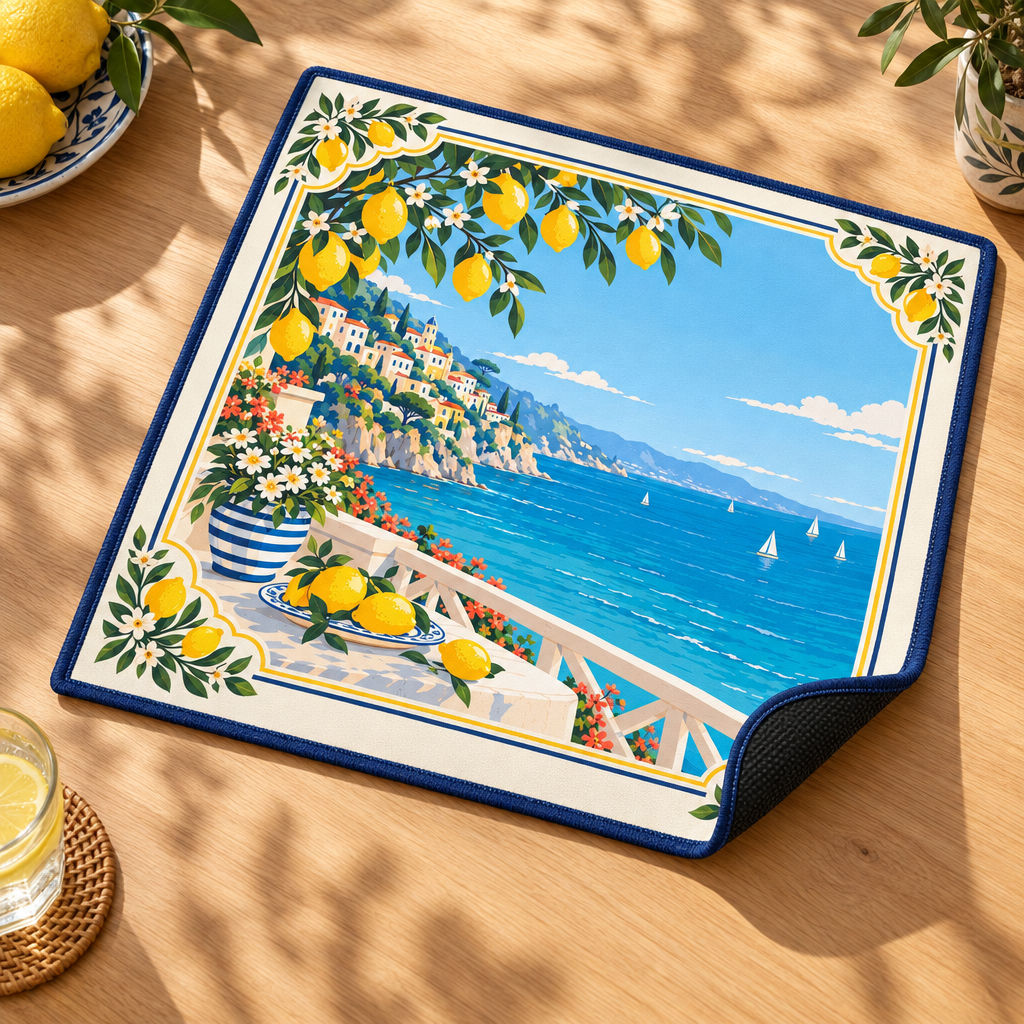
What should you check before ordering a rubber-backed mat?
Step-by-step checklist:
Measure your table center. Unobstructed width and depth. Mats should sit flat with at least 2 inches of table showing on each side for scoresheet, tiles, and snacks.
Test a sample rubber backing. If possible, press the mat corners and edges on a polished surface to confirm grip. Poor backing feels slippery or peels easily.
Verify the top material texture. Run your hand across it. Felt should feel uniform and smooth; microsuede should be soft, not rough or sticky.
Check weight and fold profile. If you store it in a bag, lift it and fold it three times to confirm it folds without cracking or bunching.
Confirm seam strength. Edges and corners should be bound or stitched cleanly, not fraying or glued visibly.
Ask about cleaning care. Some mats resist stains; others require dry-clean only. Clarify before purchase.
Browse our mahjong mats collection to see current sizes, backing types, and customization options available.
🀄 Shop best-selling mahjong sets →
How do custom-engraved mats compare to plain mats in durability and cost?
Engraved mats—whether embroidered with names, titles, or logos—cost more upfront but often use thicker, higher-grade felt or microsuede to support the embroidery. The engraving itself doesn't weaken durability; if anything, the reinforced top layer extends mat life under heavy use. A plain mat is best for weekly casual play and travel; an engraved mat suits permanent game groups, gifts, or club sets. Customization typically adds 3–6 weeks to production, so plan ahead if you want a mat for a specific event or season. From Mahstead's engraved American mahjong sets collection, you can see how custom tiles pair with custom mats—a cohesive look that transforms a casual game into something memorable. If you're building a lasting game tradition, the engraving investment pays back in team spirit and pride.
🎁 See our most-loved mahjong sets & accessories →
When is a mat vs. a table cover the right choice?
A mat is a temporary playing surface—lay it down before the game, roll it up after. A table cover (or tablecloth) stays on between games and often serves double duty as décor. Mats are ideal for rotating hosts (portable, quick setup) and rented or borrowed spaces. Table covers suit permanent game tables at home or a club, where the setup is always the same. If you play on multiple tables or travel weekly, invest in a mat. If you host the same four players every Thursday at your dining table, a fitted table cover makes more sense—it protects the table year-round and eliminates setup. Many players own both: a mat for portability and a cover for their home table. Learn more in our guide to mat vs. table cover choices.
✨ Find your Mahstead set — free US shipping →
FAQ
Does a rubber-backed mat work on any table surface?
Rubber backing grips smooth surfaces (glass, varnished wood, laminate) best. On textured or matte tables, it's optional but still helps during fast shuffles. Avoid mats on delicate or waxed surfaces without testing first—some rubber can mark them temporarily.
Can I wash a rubber-backed mat, and what happens to the backing?
Most can be spot-cleaned with a damp cloth and mild soap. Never machine-wash or soak—water can weaken the rubber-to-felt bond. Lay flat to air-dry, never in direct sunlight (fades colors). Check care instructions before purchase.
What size mat do I need if I have a small apartment?
A 28–30 inch mat works for four players in tight quarters. Fold it and store it in a closet or under a bed. Verify your table surface is at least 36 inches square before ordering so the mat sits stable.
Does a thicker mat slow down the tile draws and shuffles?
Slightly. Thicker mats (1/4 inch) add minor resistance and cushion, making shuffles quieter but marginally slower. Felt tops amplify this less than microsuede. Most players adapt within one game and don't notice after that.
Should I buy a mat bundled with a set or separately?
Bundled mats are often discounted but may not match your table size or preference. Buy separately if you already own a set or have specific size/texture needs. Bundling makes sense for gift sets or first-time players.
How long does a rubber-backed mat typically last with weekly play?
2–4 years with normal care (weekly wiping, no harsh cleaners). Thicker mats last longer. The rubber backing may loosen at edges before the felt wears out—this is cosmetic and doesn't affect play. Treat it as a consumable, not a lifetime purchase.


View More
View More
View More
