
Ivory Mahjong Tiles: Weight, Feel, and How to Choose
Last updated: Nov 23, 2026
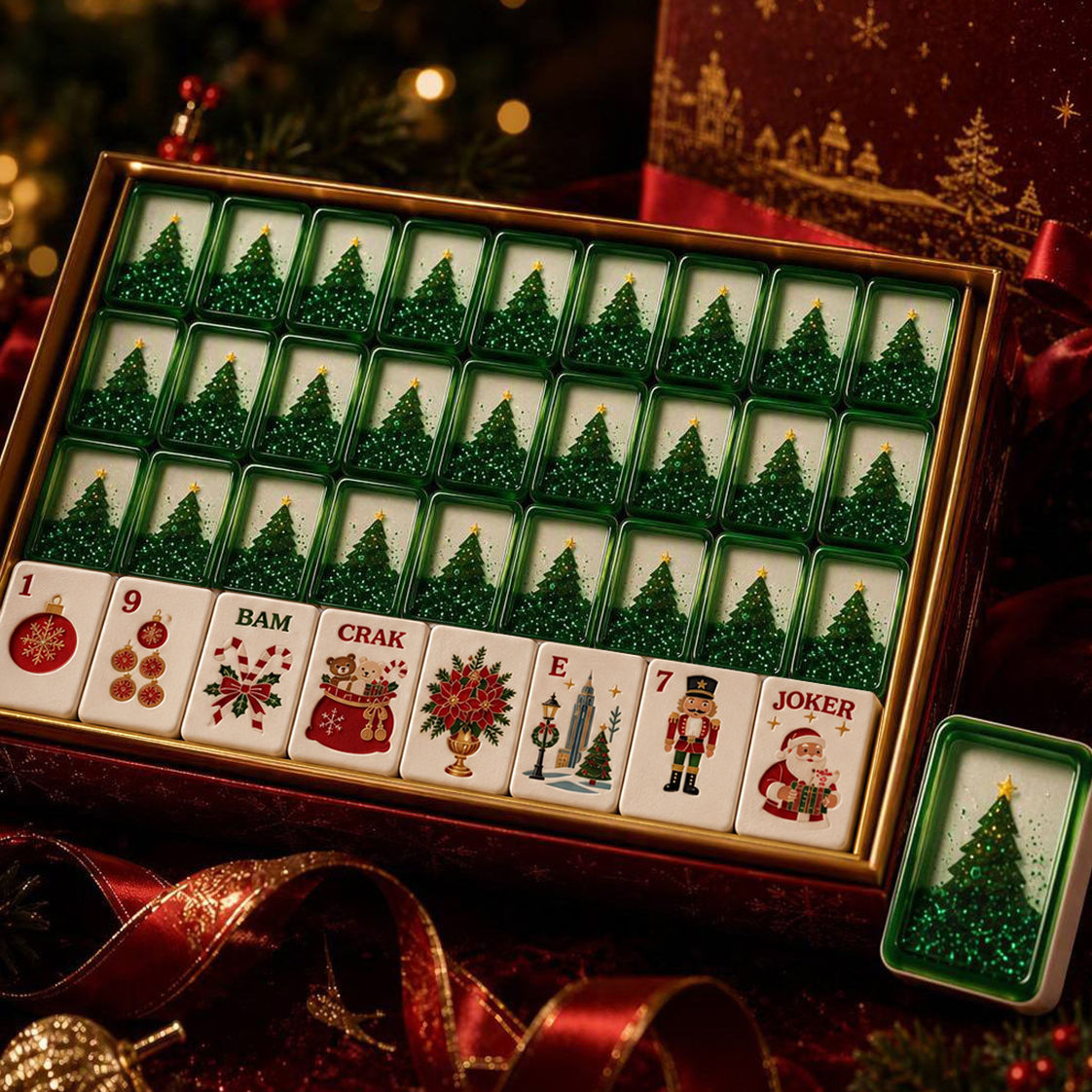
Ivory-colored acrylic mahjong tiles typically weigh 1.5–2.5 grams each, depending on thickness and resin density—lighter than traditional bone or bamboo but substantial enough to feel substantial in hand and slide smoothly across a mat. American mahjong sets contain 160 tiles total (152 in play, 8 spares). Ivory tiles, whether solid cream or with engraved designs, suit players who prefer a modern aesthetic and consistent weight distribution; they resist staining better than natural materials. Mahstead's acrylic sets ship with matching racks, pushers, and a carrying case, so weight and balance work together as a system. The feel matters: lighter tiles let you flick quickly during the Charleston; heavier ones slow your pace and reduce accidental knockovers. Avoid sets where tiles rattle loosely in racks—poor fit wastes energy and breaks concentration. Cost and durability align: acrylic tiles last years of weekly play without chips or fading, making them a practical investment for serious players.
Ivory acrylic tiles have become the standard in American mahjong, especially for players hosting regular games or joining clubs. They're not bone or bamboo—they're engineered resin—yet they deliver a satisfying weight and glide that keeps players engaged. The question isn't whether ivory tiles are "authentic"; it's whether they feel right for you, given your hand size, play speed, and how often you host.
Why does tile weight matter for your game?
Tile weight shapes how fast you move and how confident your grip feels. Heavier tiles (2–2.5 grams each) require more deliberate flicking and reduce nervous fidgeting; they're ideal if you play quickly or have a tendency to knock pieces. Lighter tiles (1.5–2 grams) respond to a gentle push and suit players with smaller hands or arthritis concerns. The weight also affects how tiles stack in racks: too light and they slide when you draw; too heavy and racks strain under tension. When you test a set, hold a tile between thumb and forefinger and flick it across the mat—it should glide smoothly without wobbling or tipping. If it feels like cardboard or aluminum, the acrylic is too thin or poorly cast.

What's the difference between ivory tile thickness and play quality?
Thickness directly impacts durability and tactile feedback. Standard American tiles are 18–22 mm thick (about three-quarters of an inch). Thicker tiles feel substantial, resist warping, and survive years of weekly play; thinner tiles may flex under pressure and develop soft spots where the face detaches from the body. When comparing sets, run your fingernail across the tile edge—you should feel a clean, even bevel, not rough plastic or uneven layers. Poor casting traps air bubbles or leaves seams, which snag racks and create dead spots where the tile feels hollow. A well-made ivory tile has consistent heft throughout; hold it to light and look for transparent zones or cloudiness, which signal inferior resin or recycled plastic. Our best-selling mahjong sets use virgin acrylic and consistent mold pressure to ensure every tile in your set feels identical.
🀄 Shop best-selling mahjong sets →
How does ivory tile color affect visibility and comfort?
Ivory tiles range from warm cream to cool off-white, depending on dye lot and manufacturing batch. Warm ivory (yellowish tone) pairs naturally with bamboo or wood racks and mats, creating a cohesive table scene; cool ivory (pale white) contrasts sharply with Bamboo suits, making Bams pop visually and reducing reading errors during fast play. Neither is objectively better—it's a preference. What matters is consistency: all 160 tiles in your set should match. Mismatched ivory can signal mixed batches or damaged stock, and it strains your eyes during long sessions. Engraved designs (hand-painted symbols or printed numbers) should have clean edges and consistent ink saturation. Faded or smudged engravings indicate poor quality control or age. If you're buying a set online, ask whether the vendor photographs actual stock—not just a render—so you know what you're getting. Color matters less for play mechanics but hugely for comfort and pride in ownership.

What role do racks and pushers play in the feel of ivory tiles?
Tiles don't live in a vacuum—they sit in racks and move with pushers, so the entire system's weight and balance must align. Ivory tiles designed for American play are typically matched to bamboo or acrylic racks that hold them at a slight angle (about 15 degrees), allowing you to see all three tiles without lifting. If your racks are too wide, lightweight tiles slide and clump; if too narrow, heavier tiles jam or warp the rack. Pushers (the small sticks used to move tiles forward during the draw) should be smooth wood or acrylic—rough pushers snag tile faces and chip edges. When you host a game, set up 15 minutes early and push tiles through a full cycle: they should move with minimal friction and snap into place with no rattling. If tiles bind or pop unexpectedly, your racks don't match your tile weight. The mahjong racks with pushers guide walks you through sizing and material choices so your entire setup flows together.
How do you test ivory tiles before committing to a set?
If possible, visit a local mahjong club, library, or community center and ask to handle a few tiles from an active set (many groups welcome newcomers and happily demo). Hold a tile in your dominant hand and perform these checks: (1) Flick it across a mat—does it glide or stick? (2) Stack two tiles and press gently—do they stay aligned or shift? (3) Run your fingernail along the engraved number or symbol—is it smooth or rough? (4) Tap the tile against another tile—does it sound crisp or dull? A crisp, high-pitched sound indicates solid acrylic; a dull thud suggests hollow spots or air pockets. If you're ordering online, buy from a vendor who offers a trial period or clear return policy. Photograph the tiles under natural light when they arrive so you have evidence if they don't match the listing. Weight alone doesn't guarantee quality—feel the entire set in context.
Concern | What to Check | Red Flag | Solution |
Too light | Tiles slip in racks or feel flimsy | Hissing sound when tapped; visible seams | Choose thicker acrylic or reinforced mold |
Too heavy | Hard to push; racks strain | Tiles crack under normal pressure | Select virgin acrylic, not recycled resin |
Inconsistent weight | Some tiles heavier than others | Uneven play during draws; frustration | Request tiles from a single batch/mold |
Dull engravings | Numbers hard to read mid-game | Smudged or faded print; rough edges | Inspect photos or ask for detailed images |
Wobbling in racks | Tiles shift when you brush them | Racks too wide or tiles too narrow | Measure rack width and tile edge tolerance |
🎁 See our most-loved mahjong sets & accessories →
What to check before you buy
Order from a source that specifies tile material (virgin acrylic), thickness (mm), weight (grams per tile), and includes photos of actual stock—not renders. Confirm the set includes all 160 tiles (152 playing, 8 spares) and that racks and pushers come in the same shipment, so nothing arrives damaged or mismatched. Ask whether the vendor certifies tiles as NMJL-compliant (meeting American Mahjong League standards for size and suit symbols). Request a return window if feel or consistency disappoints. Read reviews from players who've owned the set for at least six months—new sets feel different than broken-in sets, and you want to know how they age. Finally, measure your table and confirm tile count before hosting: 160 tiles fill roughly 3 cubic feet, so you need drawer or shelf space to store your set between games.
Our engraved American mahjong sets are cast in single batches to ensure uniform weight and color. Each set ships with acrylic racks, pushers, and a padded case, so everything balances from day one. Because we design and pack in Dallas, we inspect every tile against actual samples—not just spec sheets—before it ships to you. Free shipping across the US means no surprises at checkout.
✨ Find your Mahstead set — free US shipping →

FAQ
Are heavier ivory tiles always better for American mahjong?
Not necessarily. Heavier tiles suit faster players or shaky hands; lighter tiles work for small hands or arthritis. Test both and choose what lets you move tiles smoothly without strain for two hours.
How can I tell if an ivory tile's weight is consistent across the whole set?
Weigh a sample of 10 random tiles from different positions in the rack on a kitchen scale. They should vary by no more than 0.2 grams. If variance is larger, ask your vendor about batch inconsistency.
Do engraved ivory tiles weigh more than plain ones?
Engravings add negligible weight (paint or ink only). The tile base—acrylic thickness and density—drives nearly all weight variation. Engraving affects grip and visibility, not heft.
What's the difference between cream ivory and white ivory tiles?
Cream has a warm, yellowish tone and pairs well with natural wood; white is pale and contrasts sharply with Bamboo suits for visual clarity. Both play identically; choose based on your mat and aesthetic preference.
If my ivory tiles feel light or plastic-y, can I make them heavier?
No. Adding weight would unbalance the set and affect how they slide. Instead, swap for a heavier-acrylic set or adjust your play speed to match your tiles' natural momentum.
Do ivory acrylic tiles get slippery over time, or do they maintain consistent feel?
Acrylic tiles stabilize within the first 20–30 plays. Dust and mat wear can increase slipperiness; clean tiles monthly with a damp cloth and wipe dry. A good mat (not a plastic tablecloth) grips tiles consistently year-round.


View More
View More
View More
