
American Mahjong Tips: Play Better This Week
Last updated: Nov 23, 2026

American mahjong demands three core skills: mastering the Charleston (the mandatory tile-passing ritual), understanding joker placement rules, and reading the annual National Mah Jongg League card accurately. Most newer players rush the Charleston or miscount their hand after the pass, costing them winning chances. Jokers are wildcards but with strict limits—you cannot use them in single-tile or pair slots, and they're essential for quints and sextets. The League card changes every spring, so memorizing last year's patterns wastes time. Practice with a quality acrylic set like those in our best-selling mahjong sets collection so tiles don't slip during gameplay, and keep a current card visible at every session. One afternoon of focused practice on these three areas will visibly improve your score.
American mahjong is a game of speed, accuracy, and ritual. The difference between a decent player and a sharp one often comes down to habits formed early. After years of hosting weekly games, we've noticed certain mistakes repeat—and certain disciplines win. Here's what actually moves the needle.
Why does the Charleston matter more than players think?
The Charleston isn't just a courtesy pass; it's your first chance to shape your hand. Many players shuffle tiles randomly and pass without strategy, but strong players watch the discard piles during the game to decode their opponents' patterns, then use the Charleston to discard the tiles most likely to be called. Pass your dangerous tiles (ones no one discarded) to the right, then left, then across, in that order. Watch which tiles come back—if someone returns a 7 Crak three times, they probably don't want it, so don't build around it. Spend 30 seconds on each pass phase, not 10; rushing leads to tile-counting errors later. A silent player who passes with intent beats a chatty one who passes by habit.
🀄 Shop best-selling mahjong sets →
How do you actually use jokers without breaking the rules?
Jokers are the most misused tiles in American mahjong. The rule is simple but strict: jokers can fill a pung (3), kong (4), quint (5), or sextet (6), but never a single tile and never a pair. If you need a 5 Dot, you can use a joker; if you need two 5 Dots, you cannot. Many players discover mid-hand that they've "used" a joker in a pair slot and have to recalculate their entire winning hand. Write this on a card and tape it to your mat: "Jokers = pung, kong, quint, sextet only." Before you call Mah Jongg, whisper through your hand aloud: "Pung, pung, joker-in-sextet, pair, kong, joker-in-quint"—this catches 80% of errors before they cost you.
What does it mean to read the card correctly, and why do so many players misread it?
The National Mah Jongg League card is printed in sections by category and pattern type—"Like Numbers," "Consecutive Run," "Pair," etc.—and each row shows a legal hand. The card changes every year; a hand that won in 2025 might not appear in 2026. Players often memorize old hands and look for them on the new card, wasting time or forcing wrong calls. Instead: (1) identify your pair first, (2) scan the card for that pair in the section that matches your hand's shape, (3) check that every group of three or more tiles in that row matches your hand exactly. If your pair is White Dragons and you have two bunches of 1–2–3 Bams, you'd look for "Pair" hands with 1–2–3 Bams consecutive runs, not random patterns. Beginners often try to force a hand into a row that's close but wrong; the card must match perfectly or it doesn't win. Print the current year's card (the League updates it every March) and keep it laminated on the table.
Which hand-reading errors do even experienced players miss?
A common trap: confusing flowers and blanks with regular tiles. American mahjong has eight flowers and eight blanks (in our 160-tile sets). Flowers are joker-like—they don't appear in any hand on the card—so discard them immediately unless you're building a specific "Flowers" hand (rare at casual tables). Blanks do appear on some hands as part of the consecutive run or special sections. Know the difference: flowers have symbols and designs; blanks are plain tiles. Another mistake: forgetting that the Green Dragon (Bam tiles) and Red Dragon (Crak tiles) look different from each other and from the White Dragon (Dot tiles). If you need a Red Dragon and you pick up a Green Dragon, that's wrong. Slow down. Point at each tile as you verify it against the card. Say it aloud: "Red Dragon, not Green." This feels silly but cuts errors by half.
🎁 See our most-loved mahjong sets & accessories →

What's the fastest way to spot and call Mah Jongg before someone else does?
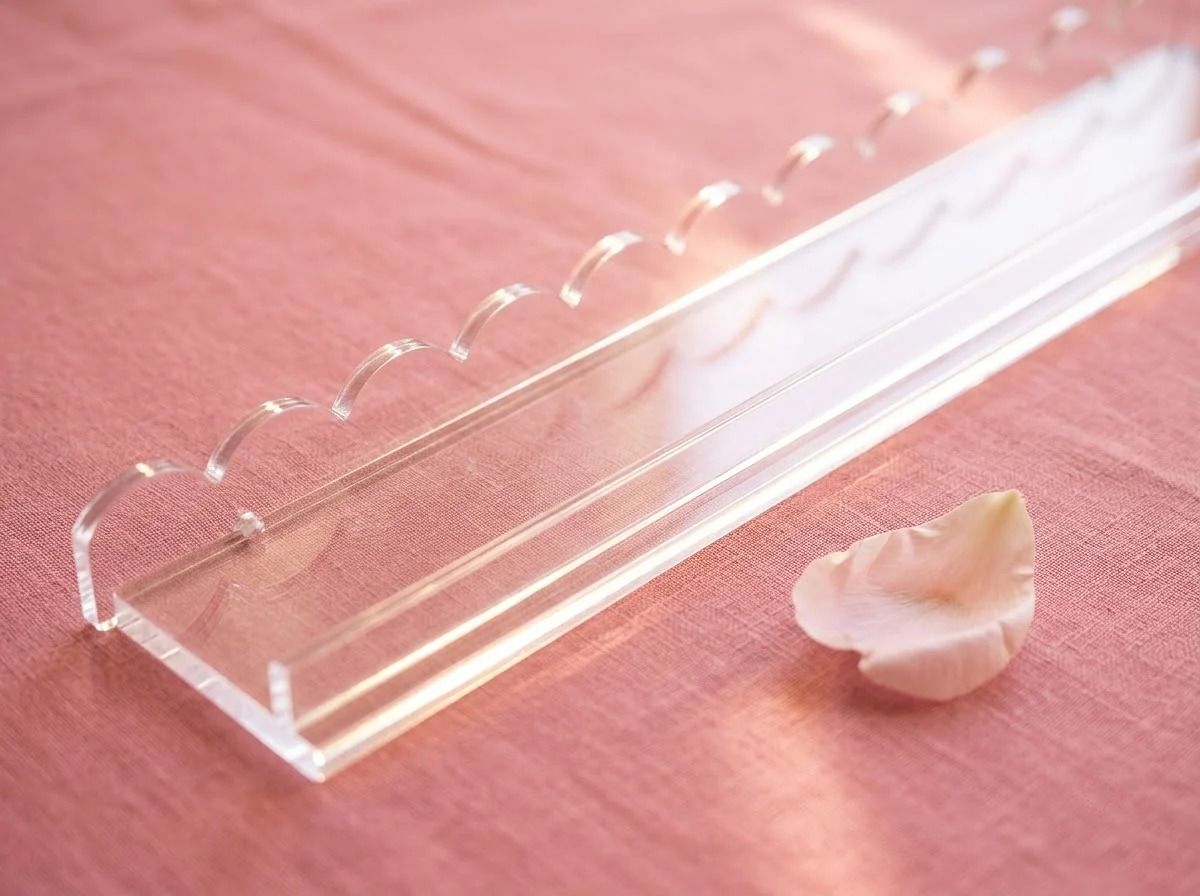
Speed is only useful if accuracy comes first. Once you've verified your hand against the card and confirmed every joker placement and pair, then you call. The timing edge comes from staying organized throughout the hand. Use a mahjong rack with pushers to group your tiles by suit and number—all Bams together, then Craks, then Dots, then honors. When a tile is discarded, your eyes should land on your rack first, not the discard pile. If it fits, it's already in sight. Keep your pair visible but slightly set apart so you don't forget it's there (a common panic-mistake: looking for a pair you already have). Three seconds of organization saves thirty seconds of scrambling. Players who keep their tiles in a visual line win faster than players who bunch them in a pile, even if both know the card equally well.
Skill | What It Prevents | Practice Time | Table Impact |
Charleston strategy | Passing tiles opponents need; slowing down game | 5 minutes/week | Win 1–2 extra hands per month |
Joker rule mastery | False calls; hand recalculation; embarrassment | 10 minutes/week | Confidence in tight moments |
Card accuracy | Wrong hands; looking for old patterns; confusion | 15 minutes/week (current card only) | Spot-on calls; fewer disputes |
Rack organization | Missed tiles; slow calls; missed chances | 2 minutes/hand | Faster calls; stronger reads |
Pair vigilance | Forgetting your pair mid-hand; restart chaos | 1 minute/hand | Fewer self-inflicted errors |
What to check before you buy a set and practice with it
A quality set makes tips stick faster. Tiles should be large enough to read quickly (about 1 inch square), smooth so they don't stick together mid-shuffle, and weighted so they don't slide during rack-checking. Acrylic tiles are easier to see in dim light than bone-and-bamboo, and they're less likely to mark or crack after years of play. Our best-selling mahjong sets are 160-tile acrylic sets with racks and pushers included, so you have everything needed to organize and practice right away. If you play weekly, a mat keeps tiles from shifting on a bare table and protects the surface; see our mahjong mats collection for options. A travel bag isn't essential for home games, but if you rotate hosting, it speeds setup and keeps tiles safe in transit.
✨ Find your Mahstead set — free US shipping →
Quick Tip Checklist for Next Game
[ ] Print and laminate the current year's National Mah Jongg League card.
[ ] Before the Charleston, decide which tiles are dangerous (unlikely to be called) and plan to pass them.
[ ] After the Charleston, count your hand aloud: 13 tiles + 1 drawn = 14.
[ ] Organize your rack by suit: Bams, Craks, Dots, then Honors (Winds and Dragons).
[ ] Set your pair apart visually so you don't lose track of it.
[ ] Write "Jokers = pung, kong, quint, sextet only" on a card and keep it visible.
[ ] When you think you have Mah Jongg, point at each group on the card and verify match.
[ ] Say your hand aloud before calling: "Pung, pung, joker-in-kong, pair, sextet."

FAQ
What's the biggest beginner mistake that pros avoid?
Misusing jokers. Beginners try to fill a pair slot with a joker; it's not allowed. Before calling Mah Jongg, say aloud: "Jokers go in pung, kong, quint, or sextet only—never in a pair." This one rule eliminates 90% of false-call panic.
Should I memorize old hands from previous years' cards?
No. The League card changes every March, and old patterns won't appear. Instead, spend five minutes weekly scanning the new card for your pair and learning the sections. Muscle memory for this year's card beats memorizing 2025's hands.
Why do some players organize their tiles differently?
Organization style is personal, but grouping by suit (all Bams, then Craks, then Dots) and keeping your pair visible separate works fastest in real games. Test this for two weeks and compare your call speed.
How do I know if my Charleston pass is strategic or just lucky?
Strategic: you pass tiles nobody discarded, because uncalled tiles are likely unwanted. Lucky: you pass randomly and hope. Watch the discard pile during the game and use that intel for next week's Charleston.
Can I practice these tips with a cheap plastic set?
You can, but tiles that stick, slip, or are hard to read will teach bad habits. A quality acrylic set with a rack moves your learning forward faster because the game feels like real play, not a chore.
Is there a shortcut to reading the card faster?
Yes: always start with your pair. Once you've spotted it on the card, the section narrows from 100+ rows to 10–20. Then match the rest of your hand. Pair first, every time, saves 20–30 seconds per hand.


View More
View More
View More
