
Printed Mahjong Tiles: How to Choose Engraved Sets for Play
Last updated: Nov 23, 2026
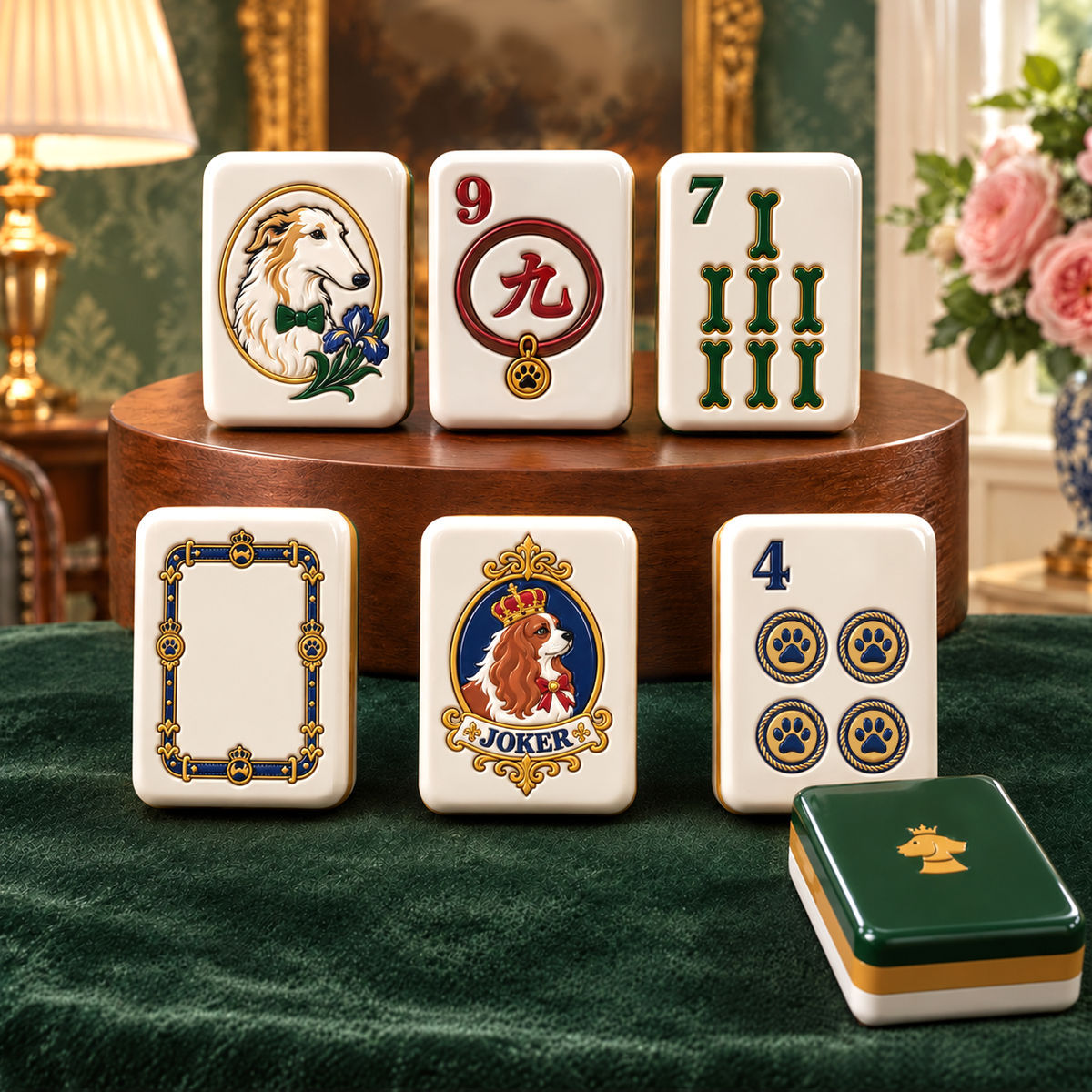
Printed mahjong tiles are the heart of every set. They're what your fingers touch, what your eyes track during the Charleston, and what determines whether a hand reads instantly or sparks debate. The right tiles make a game flow; the wrong ones turn it into a squint-fest. We host weekly games and test every design we stock, so here's what we've learned about picking tiles that work.
What design style matters most for readability?
Large, high-contrast symbols beat fancy fonts every time. A 1 Bam with a clear bird silhouette reads faster than calligraphy at the other end of a four-player table. Suit markers—the small Crak circles, Dot pips, or Bam bamboo stalks—should pop against the tile background, not blend into a watercolor. Hand-painted tiles look stunning in photographs but often fade or muddy under overhead light; laser-engraved acrylic holds crisp edges for years. Readability determines game speed and reduces scoring disputes when suits are ambiguous.
🀄 Shop best-selling mahjong sets →

Should you choose acrylic or ceramic tiles?
Acrylic tiles dominate American mahjong because they're lightweight, durable, and consistent. A tile that weighs under 2 grams shuffles smoothly; one that's too light floats and scatters. Ceramic hand-painted tiles have charm but chip at corners, stain if spilled on, and can develop hairline cracks inside racks. Acrylic tiles engraved with UV laser last longer because the design is fused into the material rather than printed on top. If you play weekly or travel with your set, acrylic outlasts ceramic by years. Ceramic works best as display art or for occasional casual play among careful hands.
How do printed vs. engraved tiles differ in durability?
Printed tiles have color applied to the surface—it can wear, scratch, or fade with handling. Engraved tiles have the design cut into or fused into the acrylic itself, so the pattern survives hundreds of shuffles. Over three years of weekly play, printed tiles often show wear at the edges where hands rub; engraved ones remain sharp. This matters most if you host regularly or share your set with a large group. Engraved tiles also resist staining from juice or coffee spills because there's no porous surface layer. If durability is your priority, engraved acrylic outperforms every other option.
What's the difference between joker-marked and blank joker tiles?
Some sets print a joker symbol (star, blank space, or "J") on eight tiles; others sell them blank and rely on context. Marked jokers are safer if you play with beginners or switch between variants—there's zero confusion about which tiles are wild. Blank jokers force you to remember which eight acrylic tiles fill that role, which works fine if everyone at your table knows the rule but breaks down if a new player joins mid-game. American mahjong requires jokers to be instantly recognizable as different from numbered tiles. Most engraved American mahjong sets ship with jokers clearly marked to avoid draw-pile chaos.
🎁 See our most-loved mahjong sets & accessories →

How do you compare tile sizes and weights for your table setup?
Standard American tiles are roughly ¾ inch × ⅝ inch—small enough to fit four across in a standard rack, large enough to read from six feet away. Jumbo or oversized tiles appeal to players with vision challenges but don't fit traditional racks and slow shuffles. Weight matters more than size: tiles under 1.5 grams per tile flutter in shuffles; tiles over 2.5 grams feel clunky but stack cleanly on racks. A mahjong mat with recessed tile troughs keeps lighter tiles from sliding. If you're buying for a multi-generational game (ages 8 to 80), standard-weight tiles work best because they balance readability, stack stability, and tactile feedback.
Comparison: Printed Tile Designs by Play Style
Design Type | Best For | Durability | Setup Time | Why It Works |
Laser-engraved acrylic | Weekly home games, tournaments | Lasts 5+ years | 2 minutes | Sharp symbols, no color fade, fast shuffles |
Hand-painted ceramic | Occasional display/casual play | 2–3 years with care | 3 minutes | Beautiful, traditional feel, chips at edges |
Screen-printed acrylic | Budget-conscious players | 3–4 years | 2 minutes | Readable, affordable, surface can wear |
Jumbo oversized | Low-vision groups, children | 4–5 years | 3 minutes | Large symbols, slower play, non-standard racks |
What should you check before ordering printed tiles?
Ask these five questions before checkout:
Are all 152 tiles identical within each rank? Mismatched tiles (one 5 Dot darker than the others) break the visual logic of pungs and kongs. Mahstead etches every tile in each set to the same spec.
Is the joker mark permanent and obvious? Jokers that are faint, small, or printed (not engraved) cause confusion mid-game.
Do suit symbols match the NMJL card? Bam bamboo, Crak circles, and Dot pips should correspond to the current year's hand card so new players recognize them instantly.
Will tiles fit your existing racks and mats? Standard American tiles are ¾" × ⅝"; verify before buying oversized or non-standard sets.
Is the set complete with 152 tiles plus 8 jokers? Many sets sold as "160 tiles" include spares; ensure you have enough for one full game out of the box.
✨ Find your Mahstead set — free US shipping →
How does tile design affect game speed and accuracy?
Tiles with large, centered numbers and bold suit markers let you spot your hand in under five seconds. Decorative, ornate tiles slow down tile recognition—you spend mental energy parsing the design instead of reading the number. Fast tile reading also reduces scoring errors: if everyone reads suits instantly, disputes about whether a tile is a Crak or Bam disappear. In tournament or competitive play, this matters. For casual games, design aesthetic ranks higher. If you host both competitive and fun games, choose tiles where readability never sacrifices style—our best-selling collection includes sets that do both.

FAQ
What's the difference between a 152-tile and 160-tile set?
A game requires exactly 152 tiles (108 numbered, 16 winds, 12 dragons, 8 flowers, 8 jokers). Sets marked "160 tiles" include spare tiles (extra jokers or blanks) so you have replacements if a tile breaks. You only play with 152.
Can I use printed tiles and engraved tiles in the same game?
No. Tiles must be identical within each rank so players instantly recognize pungs and kongs. Mixing printed and engraved tiles creates visual confusion and breaks game flow.
Do hand-painted tiles fade in sunlight?
Yes. Hand-painted ceramic and silk-screened acrylic tiles fade or discolor over months of sunlight exposure. Laser-engraved acrylic resists UV fading because the design is fused into the material.
Why do some sets have flowers and others don't?
American mahjong always includes 8 flower tiles (four identical pairs). Sets that omit flowers are incomplete and cannot form valid NMJL hands. Confirm your set has all 152 tiles before buying.
Are jumbo tiles worth buying if I have good vision?
Only if you prefer slower, more deliberate play or plan to share your set with players who have vision challenges. Jumbo tiles don't fit standard racks and mats, so they require equipment adjustments.
How do I know if engraved tiles will scratch?
Laser-engraved acrylic tiles are extremely scratch-resistant because the design is fused into the material. Surface scratches don't affect readability the way they do on printed tiles. Test by running your fingernail across a sample—engraved designs feel smooth.


View More
View More
View More
