
How to Use the Green Dragon Tile in American Mahjong
Last updated: Nov 23, 2026
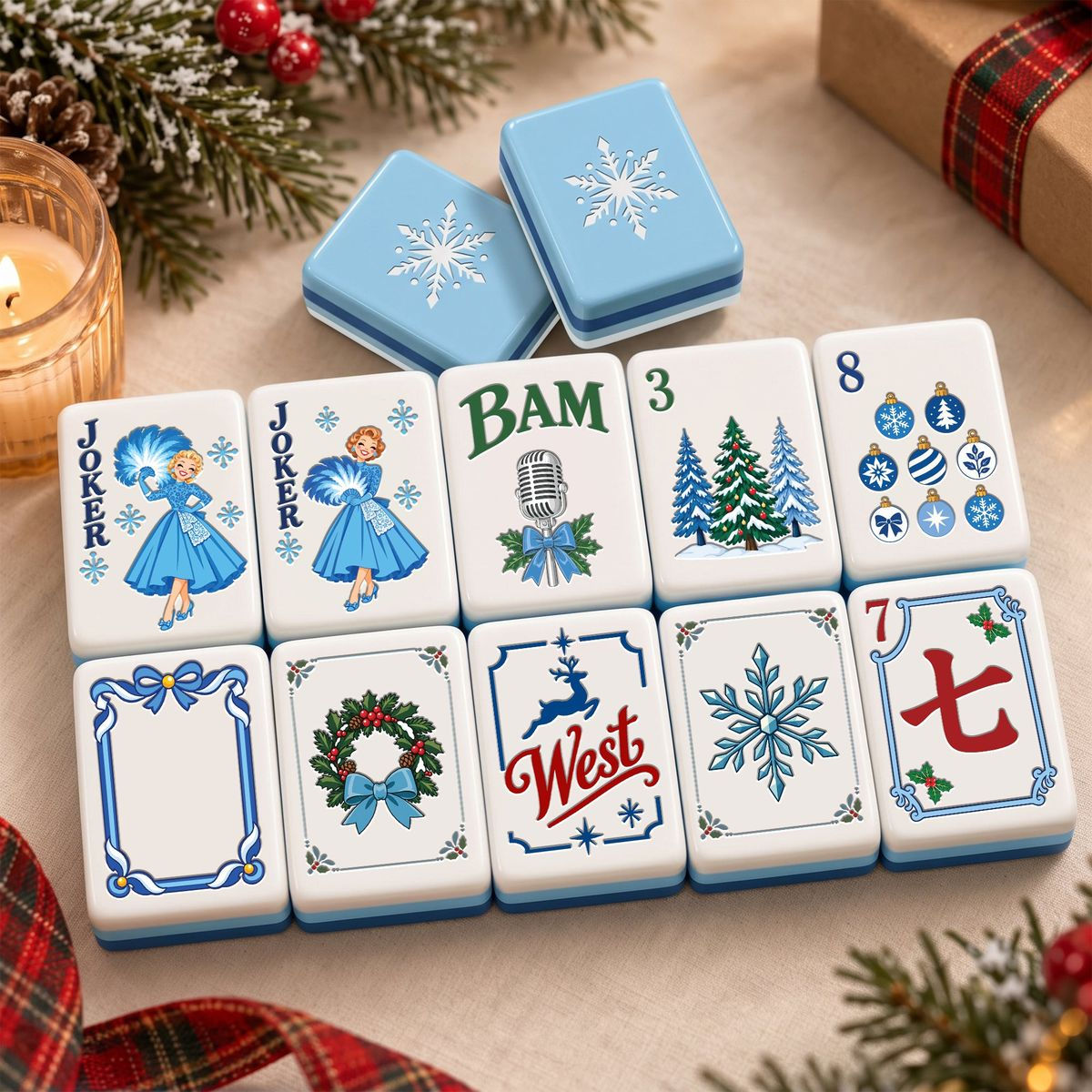
The Green Dragon (玄 or 绿) is a dragon tile paired with the Bams suit in American mahjong and also serves as a zero in honor scoring. Each standard set contains four Green Dragons. On the tile face, the Green Dragon typically displays a solid green character or symbol distinguishing it from the Red Dragon (paired with Craks) and White Dragon or Soap (paired with Dots). When building a hand, the Green Dragon appears only in specific patterns listed on the current year's League card—usually as part of pungs (three identical tiles), kongs (four identical tiles), or larger exposed melds like quints or sextets. You cannot use a single Green Dragon by itself or as a pair in American mahjong; it must be grouped with identical tiles or jokers. Beginners often confuse it with other honor tiles or accidentally try to form sequences (which don't exist in American mahjong). Spotting the Green Dragon correctly on your tile and checking the League card before declaring a hand prevents costly errors and keeps the game moving.
The Green Dragon is one of three dragon tiles in American mahjong and also serves as a zero in honor scoring. Each standard set contains four Green Dragons. On the tile face, the Green Dragon typically displays a solid green character or symbol distinguishing it from the Red Dragon (paired with Craks) and White Dragon or Soap (paired with Dots). When building a hand, the Green Dragon appears only in specific patterns listed on the current year's League card—usually as part of pungs (three identical tiles), kongs (four identical tiles), or larger exposed melds like quints or sextets. You cannot use a single Green Dragon by itself or as a pair in American mahjong; it must be grouped with identical tiles or jokers. Beginners often confuse it with other honor tiles or accidentally try to form sequences (which don't exist in American mahjong). Spotting the Green Dragon correctly on your tile and checking the League card before declaring a hand prevents costly errors and keeps the game moving.
Where exactly is the Green Dragon on your tile?
The Green Dragon tile displays a green-colored character (often simplified to a solid symbol or the Chinese character 绿) on a light background. Unlike Bams, Craks, and Dots—which show number sequences 1–9—the Green Dragon has no number; it's an honor tile. When you first open a new set, the Green Dragon tiles cluster together in the honor section. Holding it side-by-side with the Red Dragon (usually red/crimson) and the White Dragon (usually blank or white) confirms the color instantly. Many newer players mix up honor tiles during the initial tile sort; taking 10 seconds to separate all dragons first saves confusion mid-game.
🀄 Shop best-selling mahjong sets →

Can you use Green Dragon in every hand?
No. The Green Dragon only appears in hands specifically listed on the current year's National Mah Jongg League card. Not every hand on the card includes dragons at all; many use only number suits (Bams, Craks, Dots). Before declaring a hand, cross-check the League card to confirm that hand pattern actually calls for Green Dragon. If the pattern shows "GD" (Green Dragon notation), you need three or four identical Green Dragons in the required configuration. If the card shows that hand without dragons, you cannot substitute a Green Dragon into another tile position. The card changes annually each spring, so what worked last year may not exist this year—always play with the current card visible at your table.
How do you form a valid Green Dragon meld?
A Green Dragon meld in American mahjong must follow exposure rules: you need exactly three identical Green Dragons (a pung) or four identical Green Dragons (a kong). Jokers can substitute within the meld—for example, two Green Dragons plus one joker forms a valid pung. You cannot create a pair of two Green Dragons by themselves; pairs in American mahjong consist of identical number tiles or identical winds, and pairs never use jokers. A single Green Dragon alone is useless and cannot be held in your closed hand. When you have three or more Green Dragons (or two Green Dragons plus jokers), you may expose them on the table immediately if that hand pattern on the League card allows exposure at that point. This differs from Chinese mahjong, where dragons can form sequences; in American mahjong, dragons form only identical groups.
What's the difference between Green Dragon, Red Dragon, and White Dragon?
Dragon | Paired With | Used As | On Tile | Common Role |
Green Dragon (玄) | Bams suit | honor tile | solid green symbol | pung/kong meld |
Red Dragon | Craks suit | honor tile | solid red symbol | pung/kong meld |
White Dragon (Soap) | Dots suit; also zero | honor tile + zero | blank or white | pung/kong meld; honors scoring |
All three dragons are honor tiles with no numeric value. The White Dragon has dual function: it represents the Dots suit and counts as zero (0) in honor point calculations, which is why some players call it "Soap." Each dragon appears exactly four times in a standard American set. On the League card, hands may call for any combination—all three dragons, one dragon, or no dragons. Never assume a hand wants Green Dragon just because you have it; always match to the card first.

How do you recognize Green Dragon quickly when sorting your hand?
Develop a sorting habit: separate honor tiles from number tiles immediately after drawing. Place all four winds (North, East, South, West) in one section, all three dragons in another, and flowers to the side. Within the dragons, line up Green, Red, and White in a row by color. This layout lets you scan your hand in seconds to spot dragons you hold. When the discard pile grows, glance at it once per turn to track which dragons have been played; if all four Greens are gone, no one can complete a Green Dragon hand. Practice this routine in your first few games and it becomes automatic. Players who skip sorting waste turns fumbling through a jumbled hand and delay the game unnecessarily.
🎁 See our most-loved mahjong sets & accessories →
What mistakes do beginners make with Green Dragon?
Mistake 1: Trying to form a sequence (1 Green, 2 Green, 3 Green). American mahjong has no sequences—called chows in other variants. Dragons cannot connect numerically. Only identical tiles form valid melds.
Mistake 2: Using Green Dragon as a single tile or a pair. A solo Green Dragon is dead weight in your hand. You must have a minimum of three Green Dragons (or two plus a joker) to form a valid meld and declare a hand.
Mistake 3: Not checking the League card before declaring. You may hold three Green Dragons but have no valid hand on the card that uses them. Always verify the pattern first or face a misdeclare penalty.
Mistake 4: Confusing Green Dragon with another honor tile under poor lighting. Acrylic or ceramic tiles may look dull if you're playing in dim light. A dedicated mahjong mat with built-in cup holders and often a soft felt surface improves visibility and comfort.
Mistake 5: Forgetting Green Dragon pairs with Bams, not Craks or Dots. This is purely reference knowledge but prevents embarrassment. Red pairs with Craks; White pairs with Dots; Green pairs with Bams. The pairing system helps memorize dragon suits during scoring discussions.
What to check before you buy your first set
When you order a new American mahjong set, confirm the tiles are acrylic (durable, lightweight, easy to read) or ceramic (heavier, classic feel). Open the set in good light and lay out all four Green Dragons side-by-side to verify they look identical and match the Red and White dragons in quality. Check that the League card included with your set is the current year's card—older cards have been rotated out and won't match hands players are reading. If the tiles are engraved with numbers, ensure the green engraving is legible. Store your set in the accompanying bag or case to protect tiles from scratches and color fading over time.
✨ Find your Mahstead set — free US shipping →

FAQ
Can a Green Dragon ever be used as a joker substitute?
No. In American mahjong, jokers substitute for other tiles within a meld, but the Green Dragon itself is never a wildcard. A joker can stand in for a missing Green Dragon (for example, two Greens plus one joker = a pung), but a Green Dragon cannot replace a Bam or another tile.
What happens if I draw all four Green Dragons?
You hold four identical Greens (a kong), which is a strong meld. Look for a League card hand that requires a Green Dragon kong—not all hands do. If your current hand doesn't match the card, hold the kong and look for a better hand as tiles are drawn. Never declare a hand just to use tiles you hold; only declare when your full hand matches a pattern on the card.
Does Green Dragon scoring differ from Red Dragon or White Dragon?
All dragons score the same way when held as pungs or kongs in American mahjong. The difference is context: the White Dragon also counts as zero (0) in honor point tallies. Learn scoring by reading the current year's League card scoring guide or practice with your group; scoring varies by hand and game year.
If I hold two Green Dragons and draw a joker, can I declare a pung?
Yes, two Green Dragons plus one joker form a valid pung, and you may expose it on the table if your League card hand pattern calls for it at that stage. This is one of the few times jokers are useful in American mahjong—filling gaps in your pungs, kongs, quints, or sextets.
How do I tell if I'm looking at a Green Dragon or a green number tile (like a green Bam or green Dot)?
Number tiles (Bams, Craks, Dots) always show a number 1–9 and a suit symbol. The Green Dragon has no number and shows only the dragon character or symbol. If you see a number, it's not a dragon. When new to the game, ask a player at your table to point out the difference once; muscle memory follows quickly.
What if the League card this year doesn't include any hands with Green Dragon?
This is rare but possible. In that case, the Green Dragons in your set are just spares for that season. Keep them safe; next year's card may include many Green Dragon hands. This is why we always play with the current year's card—the tile pool and hand possibilities shift annually.


View More
View More
View More
