
Galentine's Mahjong Party Food Ideas & Hosting Tips
Last updated: Nov 23, 2026
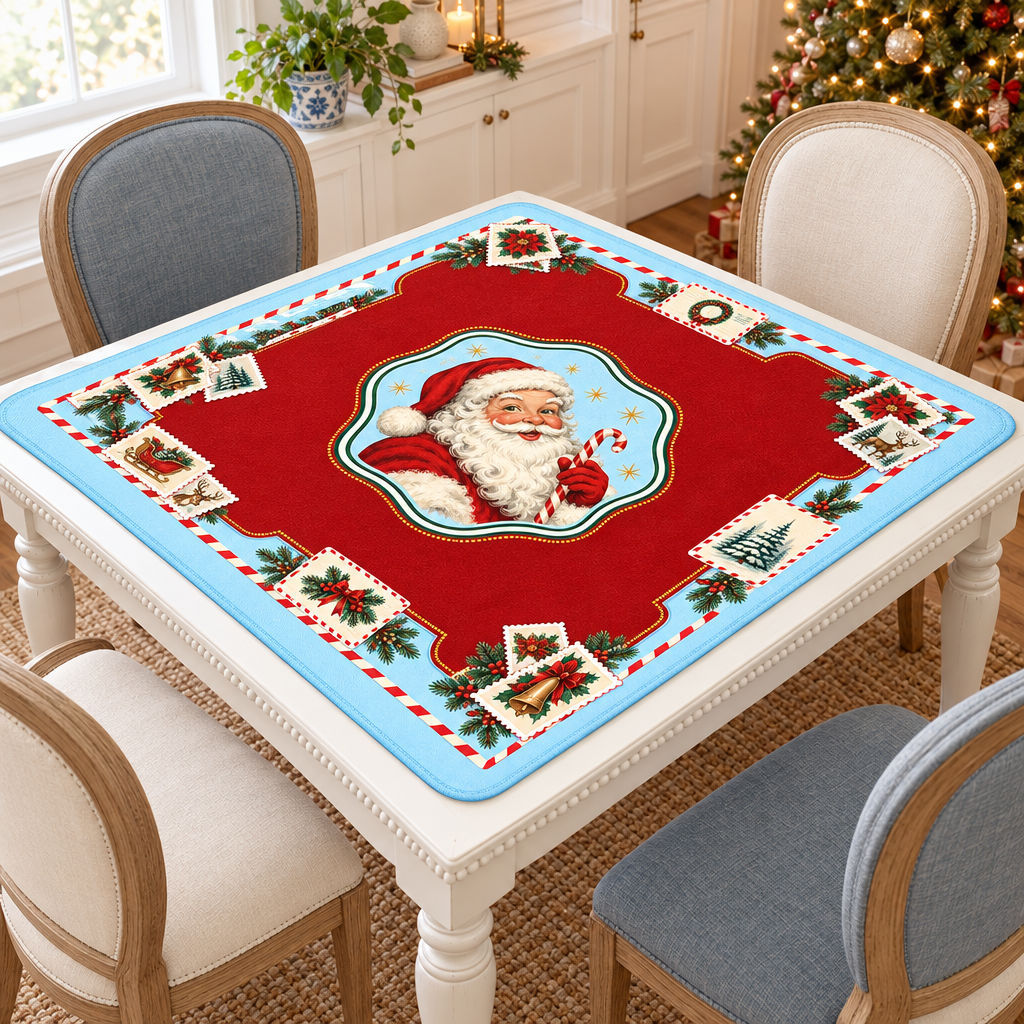
Galentine's mahjong party food should be bite-sized, low-mess, and easy to eat one-handed while holding tiles or pushing a rack. Serve charcuterie, hummus platters, spring rolls, fruit, brownies, and salted nuts—foods that won't grease hands or crack tiles. Skip soups, sauces, and anything that requires two hands or a fork. Offer still water, sparkling water, tea, and one cocktail or mocktail signature drink so players don't nurse warm wine all night. Set up a separate food table away from play, with small plates and napkins nearby. Mahstead's best-selling mahjong sets pair perfectly with a well-planned spread—your guests will focus on winning, not wiping their hands.
What foods won't damage tiles or stain your mat?
Skip anything greasy, wet, or requiring two hands. Slate tiles (cheaper but porous) stain easily; acrylic or bone sets resist grease better. Avoid: dips with oil, chocolate-covered anything, olives with pits, messy cheese strings, wet fruit. Safe bets: roasted nuts, pretzels, crackers with hard cheese, brownies cut into squares (not chunks), dried fruit, hard candy, popcorn in a bowl (not passed). The rule: if you wouldn't eat it in a car on a sunny day without wipes handy, it doesn't belong at the mahjong table.
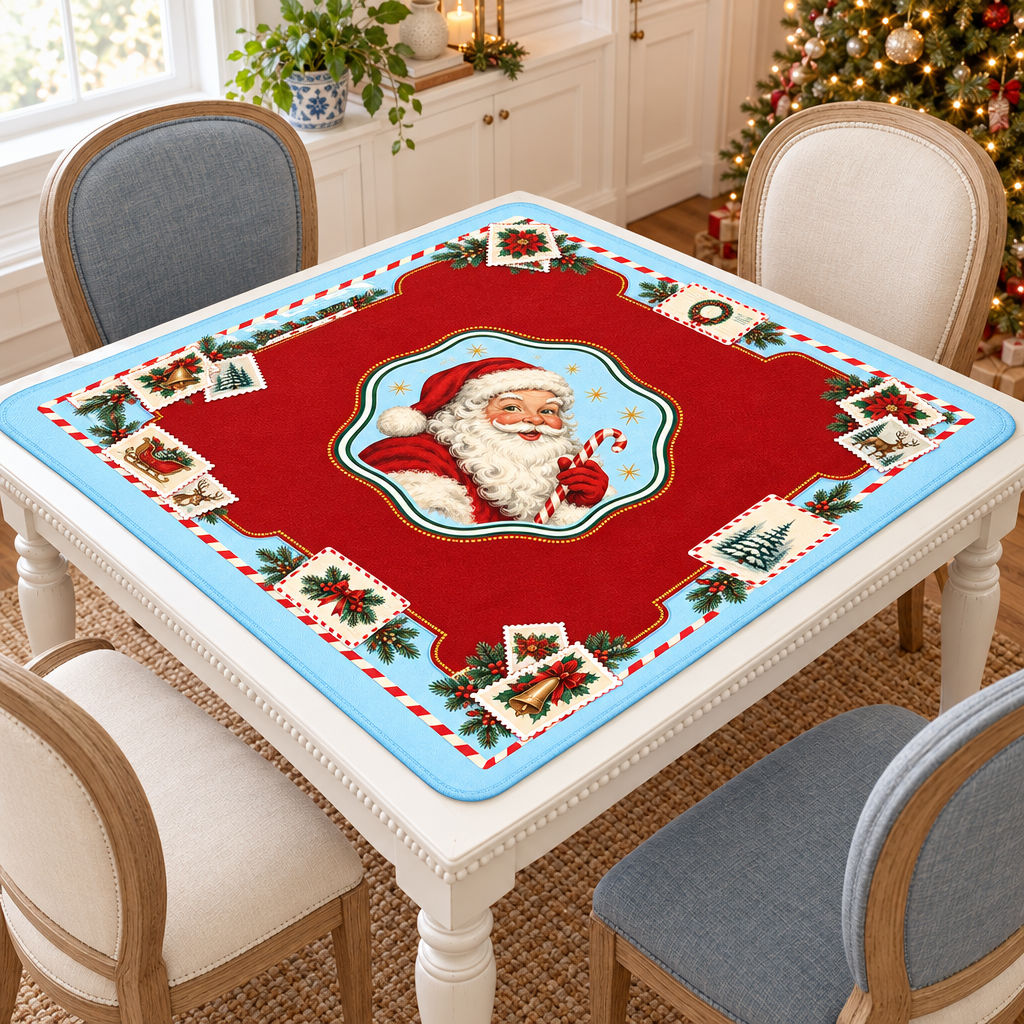
How do you set up a food station that doesn't slow the game?
Position the food table at least six feet from the mahjong surface. Use a separate small table—not the playing table. Stock it before players arrive: small plates, napkins, a trash bowl, wet wipes, water glasses, and a designated drink station. Place the spread on tiered platters or boards so guests don't lean over each other. Label spicy or allergen items with tiny cards. During play, ask one person (the dealer or watcher) to refill platters at scheduled breaks—after the Charleston, between games, not mid-hand. This keeps the action flowing and avoids tile-side food traffic.
What's a simple but impressive Galentine's mahjong menu?
Build a three-part spread: Savory, Sweet, Drink. Savory: prosciutto & fig jam crostini, marinated mozzarella balls, roasted chickpeas, marcona almonds, cherry tomatoes with basil (toothpicks, no sauce), smoked salmon on cucumber slices. Sweet: rose-flavored shortbread, pistachio macarons, dark chocolate squares with sea salt, strawberry jam thumbprint cookies, candied ginger. Drinks: a signature cocktail (champagne + raspberry liqueur + sparkling water), sparkling rosé punch, herbal tea, still and sparkling water. This menu costs less than takeout, looks intentional, and keeps hands clean. Prep all components the morning of; assemble on platters two hours before guests arrive.
Should you serve alcohol, and how much?
Serve alcohol only if all players are sober enough to play legally and safely. One or two signature drinks—not an open bar—keeps the energy celebratory without slowing turns or clouding judgment on hand reading. Offer the same volume in non-alcoholic options; many players skip alcohol or don't drink. Provide water constantly: mahjong players focus hard and stay seated, so dehydration creeps up fast. A good rule: one small pour per person at the start, then switch to water or sparkling drinks. Avoid "drink while you play" culture; it leads to spills, mistakes, and shorter games.
What are the best hosting logistics for food + four players?
Timing | Action | Why It Works |
30 min before arrival | Set up food table, platters labeled, napkins stocked, trash ready | Guests walk into calm, not chaos |
Players arrive (5 min) | Hand out small plates, offer one drink | Signals the party has started |
Charleston (10 min) | Snacking phase; no active hand risk | Built-in break to eat without guilt |
Games 1–3 (45–60 min) | Water only at the table; food off-limits during play | Keeps tiles clean, keeps focus sharp |
Between games (5 min per break) | Top up platters, offer refills, clear napkins | Players recharge, you manage traffic |
Post-game wind-down | Full dessert + cocktail round | Celebrate winners, laugh about hands |
Assign one guest as "food keeper" if you're playing; they handle refills so the host can focus on play and scoring.
🀄 Shop best-selling mahjong sets →
How do you handle spills or stains if they happen?
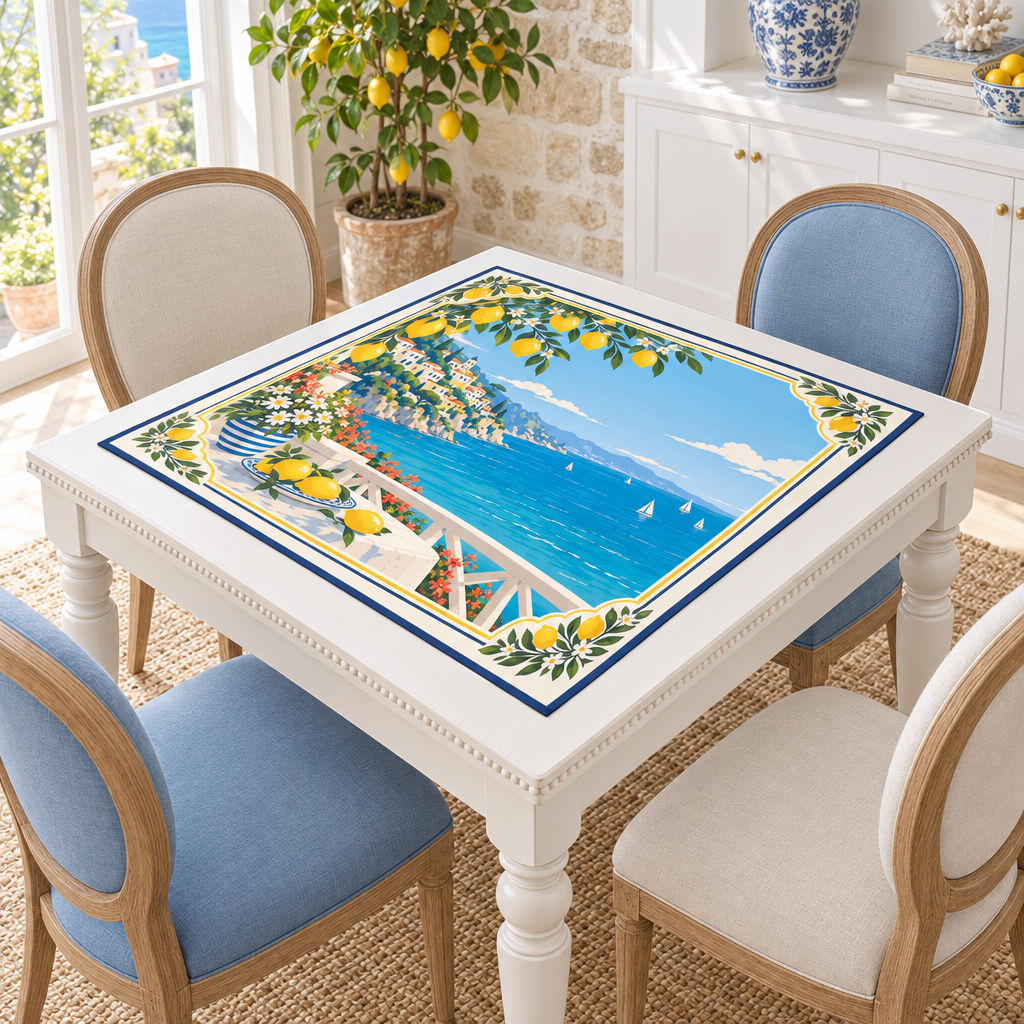
Act fast: blot (don't rub) with a clean, dry napkin. For acrylic tiles, use a damp microfiber cloth and let dry completely. For bone or bamboo tiles, wipe gently with a barely damp cloth and air-dry standing upright—water can warp wood. For mahjong mats, blot immediately, then spot-clean with mild soap and cool water; never machine-wash or dry-clean. Prevention beats cleanup: enforce a "sip only" policy at the table and keep a small bowl of wet wipes within arm's reach. If you're worried about accidents, use a thrift-store tablecloth under your mat as a sacrificial layer—no one's going to remember the food incident; they'll remember the hands you all laughed about.
🎁 See our most-loved mahjong sets & accessories →
Can you decorate your setup for Galentine's without being over the top?
Yes. Add small touches that don't interfere with play: a low vase of fresh flowers on the side table (not near the food), rose-gold or red napkins, candles away from the tile surface, a playlist at low volume. If hosting a full Galentine's party, use a pink or red tablecloth under your mahjong mat—it frames the game and feels intentional without gimmicky. Name cards at each seat with a sweet one-liner ("East Wind," "Lucky Hand," "Mahjong Maverick") add personality. Avoid helium balloons, streamers, or anything that can fall onto tiles. The best decoration is engraved tiles with witty or themed designs—your guests notice and feel special.
What should beginners know about hosting their first mahjong Galentine's?
Start with four players only; four is the standard game size and avoids chaotic breaks. Send an invite two weeks ahead with a note: "Beginner-friendly. We'll teach." Have printed copies of the current year's National Mah Jongg League card at the table and a phone with the league's mobile app as backup. Assign one experienced player as the rules keeper for the first game; new players tire of questions faster than slow turns. Keep the first game short (30 minutes max) so people stay engaged. Serve the food before the first game, not during; learning while eating is twice as hard. If anyone asks how to play American mahjong, send them the link a few days early so they can skim basics and feel less lost. You're hosting a party, not a tournament—keep the mood light and fun over competitive.
✨ Find your Mahstead set — free US shipping →
What to check before you buy supplies
Tile material: Acrylic tiles resist stains better than bone; good for messy parties.
Mat finish: Suede-backed mats hide spills; smooth mats show everything but wipe clean faster.
Racks with pushers: Test that your mahjong racks fit all tile sizes comfortably; pushers should slide smoothly so players don't knock hands into the spread.
Bag storage: If you're hosting multiple Galentine's parties this season, a sturdy travel bag or case keeps tiles, mats, and dice safe between events.
Number of sets: One 160-tile set covers one four-player game. If hosting six or eight players in two games, you need two sets—don't share mid-party.
Dice and pusher cleanliness: Wipe resin dice and pushers with a dry cloth before play; they collect dust and crumbs fast.

FAQ
Can I serve chips and salsa at a mahjong game?
No. Salsa stains tiles permanently, and salt oil transfers to hands and then to the tile fronts. Salted nuts or roasted chickpeas are safer alternatives.
How do I keep wine from being spilled on my mat?
Use stemless wine glasses and keep all drinks on the food table, not the play surface. Offer just one or two cocktails and water; open bar culture leads to spills.
Should I use tile covers or sleeves for a Galentine's party?
No. Sleeves slow the game and make tiles harder to read. A protective mat underneath your game surface absorbs minor spills better than sleeves ever will.
What's the best way to prep food on a budget?
Buy in-season fruit, nuts, and cheese from a grocery store deli counter. Assemble a charcuterie board yourself (half the cost of a catered one). Bake brownies or cookies the day before. Budget under $30 total for a full spread for four players.
Can guests bring food to a Galentine's mahjong party?
Yes. Ask guests to bring one item from a short list you provide (e.g., "sweet or savory, no sauces"). This spreads the work and keeps the menu clean and controlled.
How far in advance should I plan the menu?
Plan two weeks ahead, shop five days ahead, prep (wash, chop, marinate) one day ahead, assemble platters two hours before guests arrive. This removes day-of stress and keeps the focus on hosting.


View More
View More
View More
