
How to Store Mahjong Racks with Pushers: 5 Smart Methods
Last updated: Nov 23, 2026
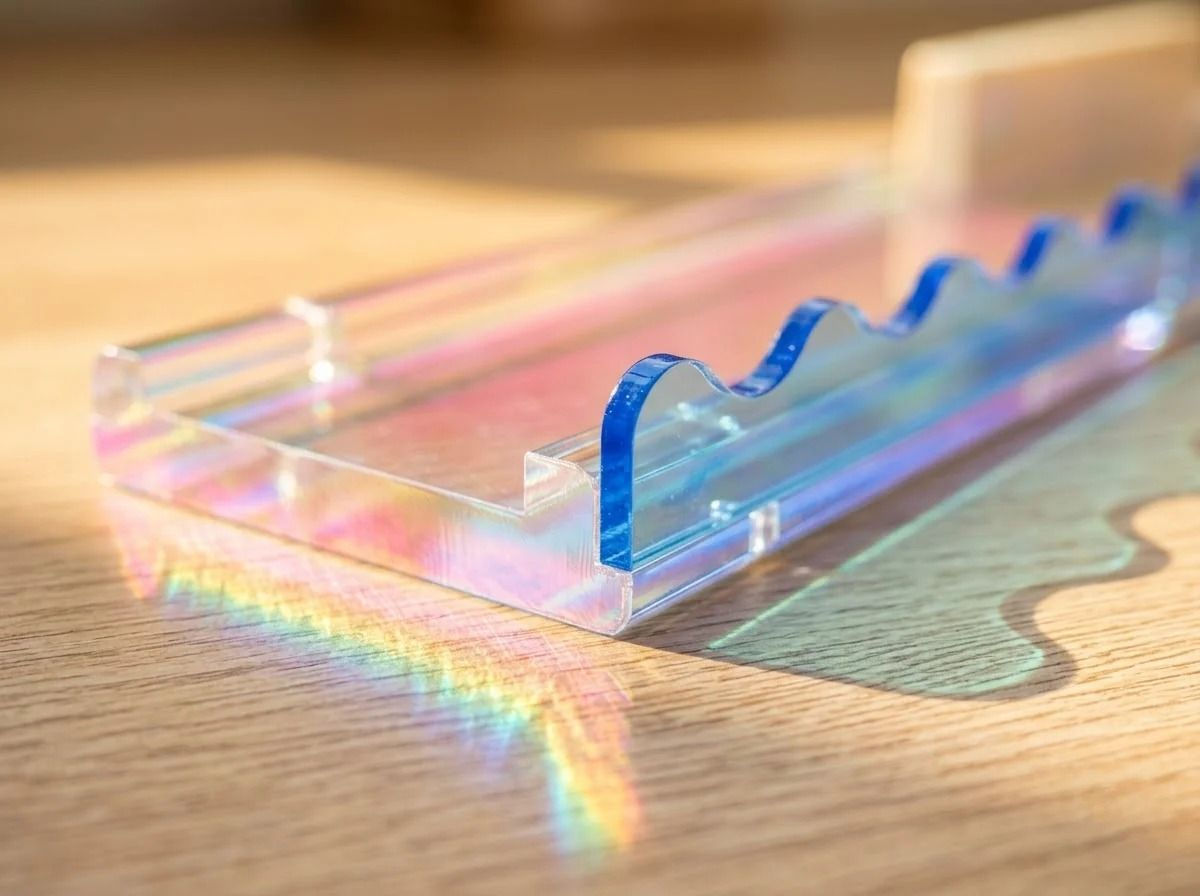
Store racks flat in a cool, dry closet away from direct heat and humidity, or upright in a dedicated container if space is tight. Never stack heavy items on top; never leave them near radiators or sunlit windows, which warp acrylic. For frequent players, a mahjong-specific travel case or padded bag protects racks during transport and between games. Most of us rotate our racks monthly (flip their orientation) to prevent pressure marks on the tile pushers. If your racks show white stress marks, they've absorbed moisture; a cool, dark shelf with silica packets underneath restores clarity over two weeks. Mahstead racks ship with protective foam—reuse that packaging as a storage base to cushion your tiles and prevent rack shift during long storage or moves.
Where should racks live when you're not playing?
Keep racks in a stable indoor spot: a linen closet, gaming cabinet, or shelf in your dining room. Avoid basements (mold risk), attics (heat swings), garages (temperature extremes), and sunny windowsills (UV fades acrylic). The ideal temperature stays 60–75°F with 35–50% humidity. A climate-controlled closet with a door beats open shelving; it blocks dust, light, and accidental bumps.

How do you prevent warping and stress marks?
Acrylic racks warp if exposed to heat above 80°F or direct sunlight for months. Never leave them in a hot car or next to a heating vent. Stress marks—white cloudiness in the plastic—form when moisture seeps into micro-cracks from humidity or improper cleaning. To prevent them: wipe racks only with a dry microfiber cloth; never use water or solvents. Store them with small silica gel packets (the kind from vitamin bottles or shoe boxes) to absorb excess moisture. Rotate rack orientation every 4–6 weeks so tile pushers don't rest on the same spot continuously.
What's the best way to organize multiple racks?
If you own three or more racks, use stackable, lidded storage bins with dividers or foam insert layers. Place each rack flat inside its own cushioned slot to prevent tile shuffling and plastic-on-plastic friction. Label bins by rack color, material (acrylic vs. wood), or game variant. For players with limited space, a mahjong rack storage bag or case designed with shoulder straps and internal padding lets you slide 2–3 racks vertically without crushing pushers. Mahstead's travel cases use semi-rigid construction to hold rack shape while protecting tiles from dust and bumps during transport between homes or clubs.
Storage Method | Best For | Humidity Risk | Space Used | Protection Level |
Flat closet shelf | Weekly players, stationary games | Low if dry | Minimal | Medium |
Upright in lidded bin | Monthly or seasonal storage | Low with silica | Moderate | High |
Dedicated travel case | Frequent transport, weekly hosts | Low (sealed) | Minimal | Very High |
Drawer dividers | Shared households, compact homes | Medium | Minimal | Low–Medium |
Open gaming cabinet | Display + active use | Medium (dust) | Moderate | Medium |
Should you use a case for storage or just for travel?
A dedicated mahjong case or bag is worth the investment if you transport racks more than twice a month—to club games, friends' homes, or tournaments. Semi-rigid cases with padded dividers protect against pressure and collision damage that flat storage misses. Use them for travel; store them in a cool closet between trips. If you play at home every week and rarely move your racks, flat storage on a shelf with silica packets is sufficient and costs less. However, a case also keeps racks organized and visible, so some of us store racks in cases year-round and simply stack cases in a closet—it's dual-purpose and takes no extra space.
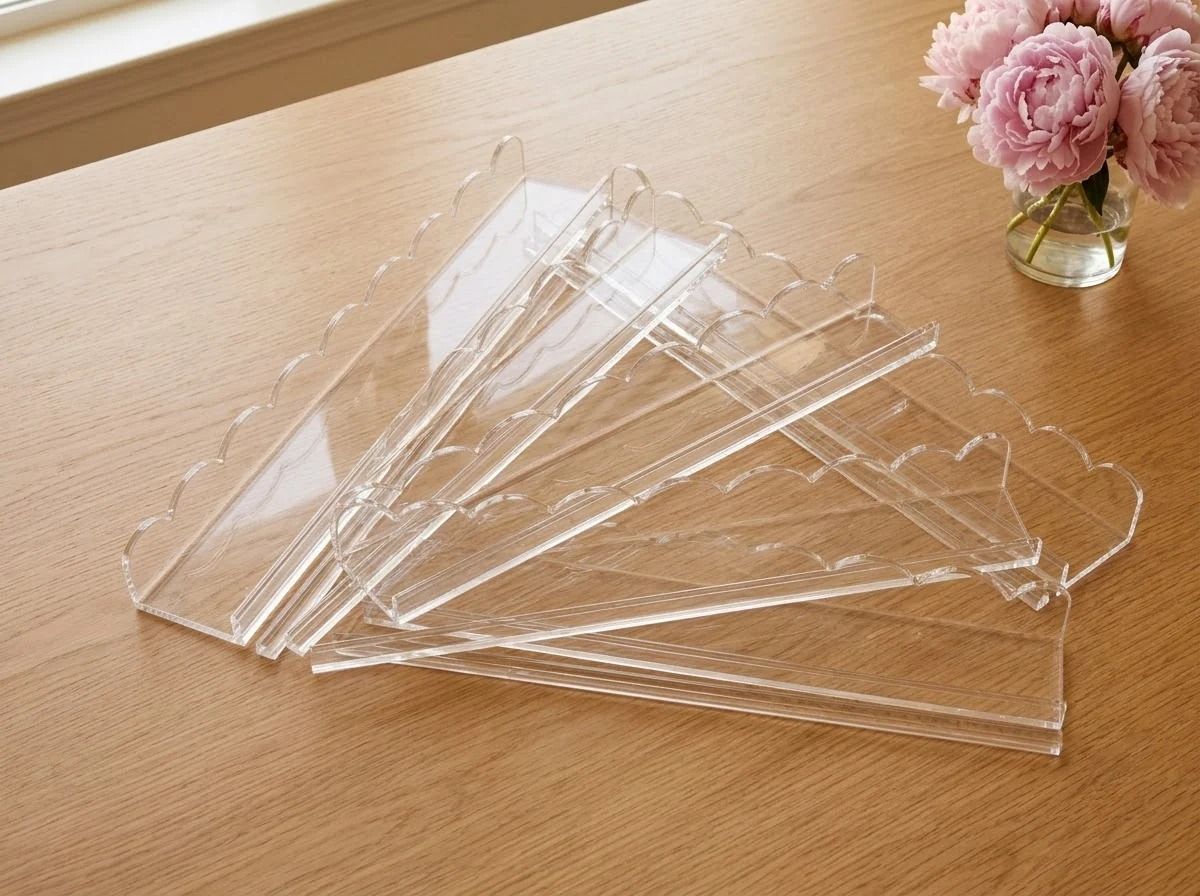
What do you do if racks show cracks, discoloration, or tile slippage?
Minor stress marks (white hazing) fade with time in a dry, cool environment—patience works. If a rack develops visible cracks, stop using it; continued play opens gaps where dirt lodges and tiles jam. Tile slippage (pushers don't grip tiles firmly) usually means the pusher mechanism is dirty: gently brush the groove with a dry, soft toothbrush. If that fails, the pusher may have worn or warped from heat; retirement or repair is the next step. Discoloration (yellowing or browning) is permanent and usually means UV exposure or age; it doesn't affect play, only appearance. Some of us replace discolored racks with fresh best-selling mahjong sets that include matching racks, especially if the old ones show multiple signs of wear.
What to check before you buy new racks or a storage system
Material: Acrylic racks are lighter and ship safely; wood racks are heavier but immune to UV and stress marks. Know which you own before choosing storage.
Rack count: A single rack fits in a drawer or small bin; three or more need a dedicated case or shelf system.
Climate: If your home has seasonal humidity spikes or no AC, prioritize sealed storage with silica gel.
Transport frequency: If you move racks weekly, invest in a padded case. If they stay home, a shelf suffices.
Existing gear: Check whether your mahjong mat or current American mahjong set has matching racks, so you can store them as a unit.
🀄 Shop best-selling mahjong sets →
How do you refresh racks that smell musty or feel sticky?
Musty smell indicates mold or mildew, usually from humidity in a basement or unventilated closet. Move racks to a dry, airy room immediately; place them with silica packets for 1–2 weeks. Once dry, the smell fades. Sticky residue—old dust or cleaning product buildup—comes off with a barely damp microfiber cloth (squeeze it nearly dry first), then a dry buff. Never soak racks or use soap; it leaves film that attracts more dust. If stickiness persists, the racks may have been stored near heat or smoky air; time in a fresh, cool space usually resolves it. Avoid chemical solvents; they can damage acrylic's finish.
Can you store racks in original shipping boxes?
Yes, if boxes remain dry and closed. Mahstead ships mahjong racks with protective foam—that cushioning is designed to absorb impacts during shipping and works equally well in long-term storage. Stack boxes upright or flat, not both mixed; consistency prevents pressure imbalance. Keep boxes in a closet, not a damp garage. If your original box is crushed or waterlogged, transfer racks to a new lidded bin with foam inserts or acquire a padded storage case instead. Original boxes take more space than a slim travel bag or case, so many of us retire them once we've verified the racks arrived undamaged.
✨ Find your Mahstead set — free US shipping →
How often should you inspect stored racks?
Check racks every 3–4 months, especially if you live in a humid climate or seasonal region. Look for stress marks (white cloudiness), visible cracks, mold (dark spots or fuzz on tile pushers), or odors. If silica packets have turned pink or saturated, replace them; that signals they've absorbed maximum moisture. Wipe racks with a dry microfiber cloth during inspection—this also removes dust and keeps acrylic clear. Monthly rotation (flipping flat racks so pushers don't rest on the same tiles) prevents permanent indentation marks and extends pusher lifespan. A quick inspection takes two minutes and often catches problems before they ruin playability.
🎁 See our most-loved mahjong sets & accessories →
FAQ
Can I store mahjong racks vertically for long periods?
Yes, if they're in a stable, lidded container. Vertical storage saves space but increases pressure on the bottom pusher row. Use dividers or foam layers to prevent racks from shifting, which can bend pushers or crack tiles. Rotate orientation monthly to balance wear.
Will silica gel packets ruin acrylic racks?
No. Silica absorbs moisture from the air, not from the acrylic itself. Place packets under or beside racks, never directly touching them, to avoid condensation pools. Replace packets every 2–3 months or when they're saturated.
Is it okay to store racks on top of my mahjong mat?
Only if your mat is in a protective case or bag first. Racks' weight and rigid edges can crease or puncture an unprotected mat. If you stack both in a travel case or bin, use foam or cloth dividers between them.
How do I know if my racks have warped?
Lay a rack flat on a level surface. Look for gaps between the rack edges and the table; tilt it gently to see if it rocks. Minor warping won't affect play, but severe warping (½ inch or more of curvature) jams tiles or crushes pushers and signals time to retire the rack.
Can I clean racks with a cloth that's been in a humid bathroom?
No. Moisture-laden cloths leave water residue that creates stress marks and attracts dust. Always use a dry microfiber cloth stored in a dry location. If a cloth is damp, air-dry it completely before using it on racks.
Should I store racks in a plastic bag to keep out dust?
Avoid thin plastic bags; they trap humidity and create condensation inside. Use a breathable fabric bag, a sealed hard case with ventilation holes, or a lidded rigid bin instead. Airtight storage without airflow invites mold.


View More
View More
View More
