
How to Store a Mahjong Rack Bag: Setup & Protection Tips
Last updated: Nov 23, 2026
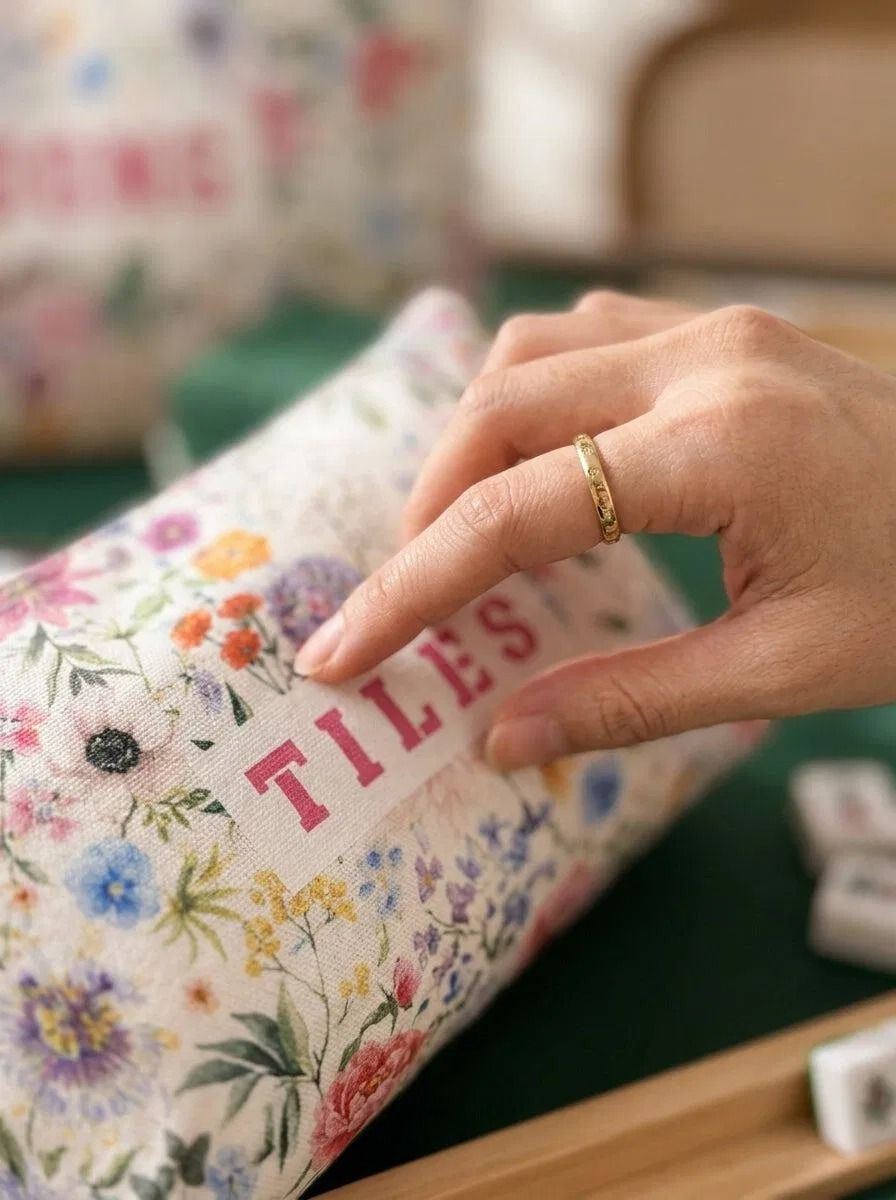
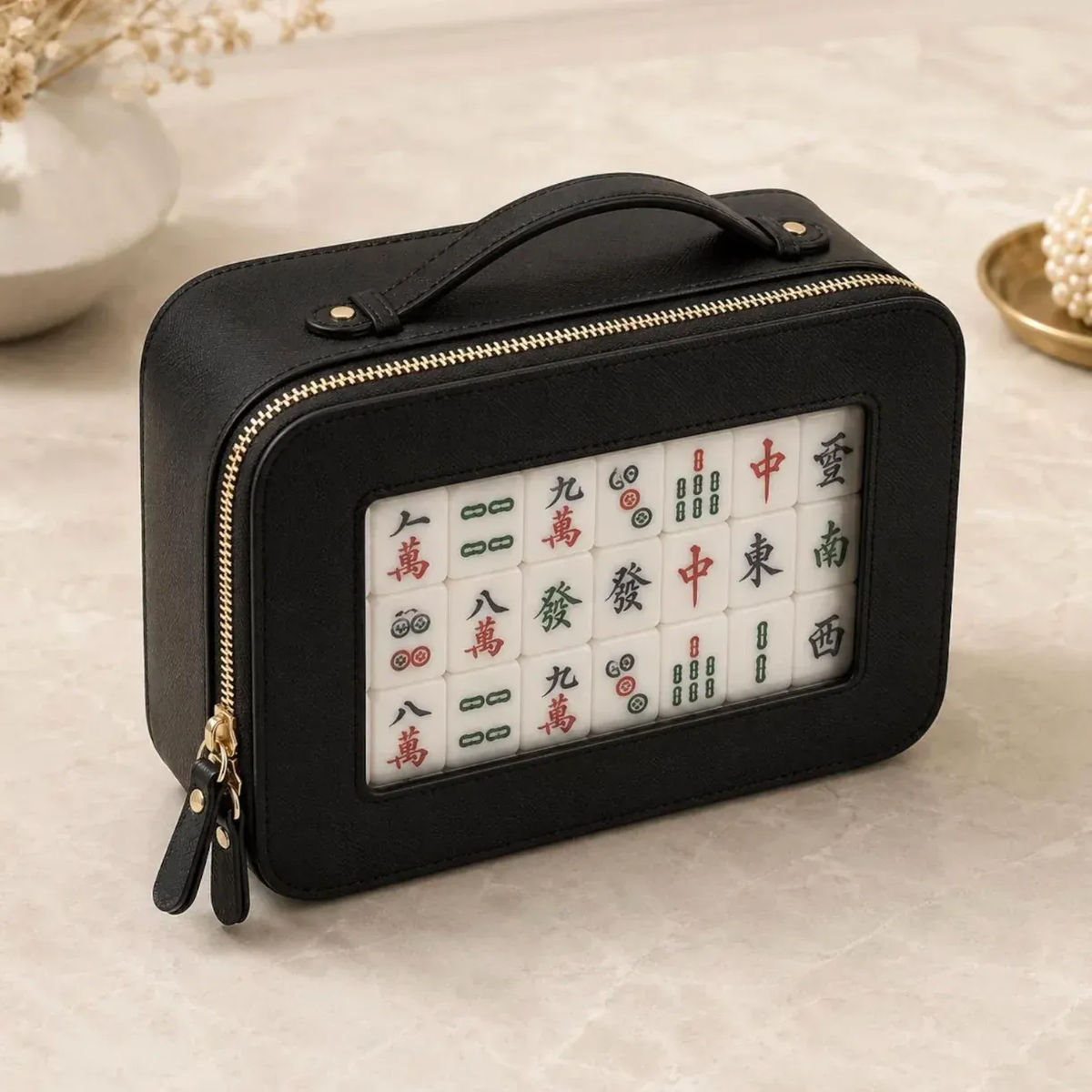
Store a mahjong rack bag in a cool, dry place away from direct sunlight and extreme temperatures—tile finishes fade and acrylic becomes brittle in heat. Pack racks with pushers vertically or horizontally, depending on bag depth; pad them with soft cloth to prevent tiles from shifting during transport. Keep mats rolled loosely (not folded) inside or alongside the bag. Store full sets in their original tile trays when possible, or use the bag's internal compartments if it has them. Check the bag's closure (zipper or magnetic flap) monthly for wear. Mahstead bags are designed with organized compartments so you can access racks and dice without disturbing the mat or set. Most players rotate storage locations seasonally—keep the main bag in a bedroom closet, not a garage or attic, to avoid humidity and temperature swings that warp acrylic and weaken joker count tracking.
How do you pack a rack into a bag without damaging tiles?
Racks with pushers hold tiles upright. Never lay a loaded rack flat or squeeze it into a bag sideways—tiles slip out or crack under pressure. Place the rack upright in the bag's main compartment, then surround it with soft padding (towel, bubble wrap, or a cloth napkin pouch). Slide dice and the reference card into external pockets. If your bag has a dedicated rack slot, use it; the bag will align the rack vertically and keep tiles stable during transit. Always empty the rack before folding the bag flat for long-term storage.

What's the difference between a bag and a case for mahjong gear?
A bag is soft-sided, lightweight, and designed for weekly transport—it folds flat, fits in a car trunk, and keeps gear organized with quick-access pockets. A case is rigid-sided or hard-shell, typically larger, and protects gear from crushing during storage or shipping. For weekly home games, a bag works fine. If you store your set unused for months or travel frequently to tournaments, a case prevents warping. Explore travel bags and cases that fit your routine—most hold one full set, one or two racks, a mat, and dice in separate compartments.
Should you fold or roll a mahjong mat inside a bag?
Roll your mat loosely around a cardboard tube or pool noodle to prevent creases. Folding a mat (especially vinyl or suede finishes) leaves permanent crease marks that catch tiles and disrupt smooth play after a few games. Mats also take up horizontal space in a bag, so rolling keeps it compact and accessible. If your bag has a mat pocket on the side or bottom, slide the rolled mat there first, then pack the rack and set above it. Never compress a rolled mat under heavy items—weight can flatten the tube and re-create creases. Unroll the mat as soon as you arrive at game night and let it air flat for 5–10 minutes before laying tiles.
How often should you check and clean your stored rack bag?
Inspect your bag quarterly for zipper jams, torn seams, and mold or moisture inside. Wipe the exterior with a dry microfiber cloth to remove dust. Check that all tiles in the racks still align vertically and that no tile is cracked or discolored. If you notice moisture, dry the bag completely before closing it again—humidity warps acrylic and encourages mildew. Clean compartment interiors with a slightly damp cloth (not wet), then air-dry for at least 4 hours before storing. Store dice in a separate dry pouch to prevent condensation from affecting their balance.
What storage location is safest for a mahjong rack bag?
Room temperature, low humidity, and darkness are ideal. A bedroom closet (55–72°F, under 50% humidity) beats a garage, attic, or basement, where temperature and moisture fluctuate. Avoid windowsills and exterior walls in winter; direct sunlight fades tile colors and weakens acrylic clarity. If you live in a humid climate, place a small silica gel packet inside the bag during off-season storage. Keep the bag away from radiators, air-conditioning vents, and pet areas—heat and animal dander damage tile finishes. Label your bag clearly so household members don't accidentally disturb it or store other items inside.
Storage Decision Framework: Where to Keep Your Mahjong Bag
Storage Option | Best For | Temperature Risk | Humidity Risk | Verdict |
Bedroom closet | Regular weekly play | Low | Low | ✓ Ideal |
Living room cabinet | Frequent players | Low | Low | ✓ Good |
Garage | Occasional storage | High swings | Moderate-high | ✗ Avoid |
Attic | Seasonal off-season | Extreme heat | Moisture traps | ✗ Risk |
Basement | Long-term storage | Stable but cold | High (mold risk) | ✗ Poor choice |
Climate-controlled closet | Any frequency | Stable | Low | ✓ Best |
🀄 Shop best-selling mahjong sets →
What goes wrong when you store a rack bag incorrectly?
Tile shifting inside the rack occurs when bags are stored horizontally or moved roughly. Tiles slide sideways, crack on each other, and jam the pusher mechanism. Creased mats develop permanent grooves that catch tiles during play and slow the game. Moisture and mold grow inside bags left in damp spaces; tile finishes become sticky or chalky. Zipper failure happens when bags are over-packed or stored in extreme cold. Faded tile colors result from sunlight exposure over weeks. Warped acrylic sets occur when bags are stored near heat sources or in hot cars. To avoid these, store your bag upright in a cool closet, use padding between racks, roll mats loosely, and inspect monthly. Our guide to racks with pushers explains how to load them correctly so storage won't damage the mechanism.
What equipment do you actually need in a bag?
When packing for a game night, include one complete American mahjong set (160 tiles + 8 jokers), two racks with pushers, one mat, one pair of dice, and the current-year National Mah Jongg League card in a card holder. Extras: a soft cloth for tile cleanup, a pen for scoring, and a small notepad. Our best-selling collection includes sets and racks that fit neatly into standard travel bags. If you're hosting, add a second set and mat so players can admire the design while one game finishes. Backup dice (two pairs) and spare jokers prevent game delays. For beginners, carry printed rules or download the National Mah Jongg League scoring guide on your phone.
✨ Find your Mahstead set — free US shipping →
How do you organize compartments inside a bag?
Main compartment (largest): Racks with tiles, padded carefully, standing upright or in a dedicated rack sleeve. Front pocket: Dice, card holder, and reference materials. Side pocket or flap: Rolled mat (if the bag has space). Bottom or rear pocket: Extra jokers, spare dice, cloth napkin, pen, scoring pad.
Label each compartment mentally so you don't rifle through tiles before the game. Store the bag with the heaviest items (full racks) at the bottom, lightweight items on top. If your bag doesn't have compartments, use small mesh pouches inside to separate dice, cards, and cleaning cloths from the tiles. This keeps everything findable and prevents damage from items pressing against the acrylic set during travel.
🎁 See our most-loved mahjong sets & accessories →
What to check before you buy a bag
Interior dimensions: Measure your racks (with tiles loaded) before ordering. Bags are sized for standard racks, but oversized or handmade racks may not fit. Compartment count: If you travel with mats, dice, and cards, choose a bag with at least three distinct pockets. Closure strength: Zippers are durable but can jam; magnetic or velcro flaps are simpler but may wear. Test the closure in-store if possible. Material: Nylon exterior resists moisture better than canvas. Suede or faux leather interiors protect tile finishes from scratches. Handle durability: Reinforced stitching at handle attachment points prevents tears when carrying a full, heavy bag. Free shipping: Mahstead offers free US shipping, so buy with confidence—returns are straightforward if dimensions don't match your gear.

FAQ
Can I store a mahjong rack bag in a car trunk year-round?
No. Car trunks experience extreme heat in summer and freezing cold in winter, warping acrylic tiles and weakening zippers. Use a bag only for transport to and from games, then move it indoors immediately.
Do I need to drain moisture from the bag after each game?
If you played in a humid room or damp basement, wipe the bag's exterior and interior pockets with a dry cloth before closing it. Let it air in a warm room for 30 minutes to prevent mold. For dry indoor spaces, this isn't necessary.
What happens if I fold a mat and store it in the bag?
Folding creates permanent creases that disrupt tile movement during play. Rolled mats stay supple and flat. If your bag is too small to roll a mat, store the mat separately in a rolled tube and pack the set and racks in the bag.
How long can a mahjong set stay stored in a bag without damage?
With monthly checks and proper storage conditions, indefinitely. If storing for over six months, open the bag once monthly, wipe the tiles, roll out the mat, and inspect for moisture or mold. This keeps finishes fresh and detects problems early.
Should I store backup sets in separate bags?
Yes. Separate bags prevent tiles from all your sets mixing if one bag is damaged. Label each bag with the set year or theme so you grab the right one for game night. Store them in the same closet for convenience.
Can a storage bag protect tiles if I drop it?
Padded bags absorb minor bumps but won't save tiles from a hard drop. Treat the bag as a transport and organization tool, not impact armor. Carry it gently and place it on seats or flat surfaces during travel, never on the floor where it can slide or get kicked.


View More
View More
View More
