
Mahjong Museums and Exhibits: Where to See the Game's History
Last updated: Nov 23, 2026
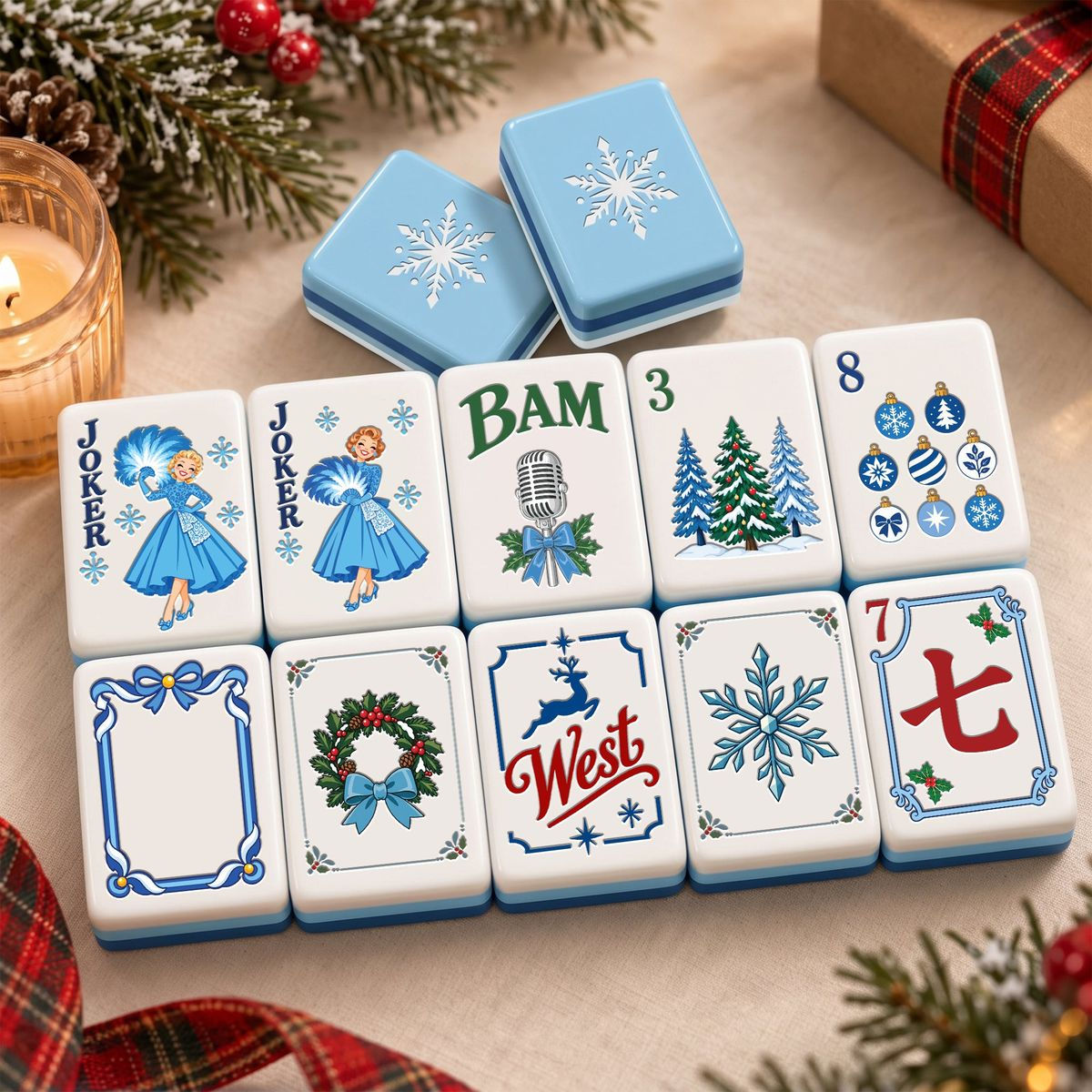
Mahjong museums exist in China, Taiwan, Japan, Hong Kong, and increasingly in North America, preserving tiles from imperial eras to contemporary art installations. Major institutions include the Shanghai Mahjong Museum (focusing on Shanghai-style play), the Taipei Mahjong Museum, and smaller regional collections in university libraries and private galleries. Most exhibits span 1–3 hours and showcase hand-painted vintage tiles, bone-and-bamboo sets worth thousands, rule card histories, and photo documentation of regional variants. Few charge admission; hours vary seasonally. As American mahjong players, visiting these collections reframes our understanding of the game—we play a deliberately Americanized variant invented in the 1920s, so seeing Hong Kong or Taiwanese layouts, jokerless Chinese tiles, and scoring systems reminds us how localized mahjong identity is. Our best-selling sets use modern acrylic and English numerals, a stark contrast to the ornate carved pieces you'll encounter in displays.
What museums exist outside Asia?
Most public mahjong museums cluster in China, Taiwan, and Hong Kong; Western institutions are rare. North American museums occasionally feature mahjong in broader Asian art or game-history wings—check university art museums, natural history museums in cities with large East Asian communities, and traveling exhibitions. Many do not advertise mahjong as a standalone draw, so direct contact (email, phone) often yields more information than websites.

How do I find an exhibit near me?
Search "(your city) + mahjong museum" or "Asian game collection." Contact community centers, synagogues, senior centers, and country clubs—many host private collections or borrow traveling shows. University libraries with East Asian studies programs sometimes curate temporary displays. Social media groups and mahjong-player forums often announce exhibits weeks before press releases. The best tactic: join a local player community and ask; collectors and teachers know which private collectors allow visits by appointment.
What do these exhibits typically show?
Museums display hand-carved bone, bamboo, and jade tiles from the Qing and Ming dynasties; printed paper sets from the 1920s–1970s; regional rule cards in original calligraphy; photographs of famous players; and modern artist interpretations. Shanghai museums emphasize fast-paced local play (no jokers, no complicated melds). Taipei exhibits showcase the Taiwanese variant and its scoring nuances. Larger collections include 3D models of tile placement and explainers of honor tiles, dragon meanings, and seasonal flowers. Most exhibits include English subtitles or QR codes linking to translations; audio guides are less common outside major cities.
Why should American mahjong players visit?
Visiting a museum reframes what American mahjong is: a deliberate simplification with heavy joker use, English numerals, and rigid annual card-based hands—invented in 1920s California by players who stripped the game to its essentials. Seeing a Shanghai set (often no jokers, smaller tiles, rapid discard) or a traditional Chinese hand teaches you that every variant solves a different social or speed problem. You'll notice why we use engraved sets with clear English markers—ease of learning—and why older Asian sets prioritize beauty and subtlety over clarity. This context makes you a more thoughtful player and collector.
🀄 Shop best-selling mahjong sets →
How to plan a mahjong museum visit
Pre-trip checklist:
Email 2–4 weeks ahead to confirm hours, entry, and photography policy (many prohibit photos of original artifacts).
Request English materials or audio guide in advance if available.
Plan 90 minutes minimum; major institutions warrant 2–3 hours.
Bring a notebook; tile origins, regional rules, and maker marks are not always in printed guides.
Ask staff about related collections nearby (some cities have multiple smaller exhibits).
During the visit:
Photograph the explanatory cards and rule diagrams; details often clarify only after re-reading at home.
Ask staff about local play styles—many curators are players and love teaching the nuances their exhibit highlights.
Note the materials and construction of tiles you admire; this shapes what you look for in a personal set.
Sketch or note any tiles or motifs that stand out; reference them when ordering custom pieces later.

Comparison: What You'll See at Different Regional Museums
Museum Focus | Tile Style | Rules Emphasis | Time Needed | Best For |
Shanghai | Carved bone, minimal color | Speed play, few jokers | 90 min | Learning traditional speed game |
Taipei | Hand-painted ceramic | Complex Taiwanese scoring | 2–3 hr | Scoring system study |
Hong Kong | Mixed eras (Victorian–1980s) | Flexibility, regional mixing | 2 hr | Variant history |
Japanese (rare) | Bone, silk pouches | Riichi mahjong rules | 90 min | Alternative Western variant |
Private (by appt.) | Owner's specialty (often vintage) | Collector's focus | 1–2 hr | Deep dives on specific eras |
What to check before you visit
Confirm online presence. Many regional museums lack websites; phone calls to tourism boards yield better intel than Google Maps.
Verify current hours. Smaller exhibits close seasonally or for renovation; a 2026 email beats a 2024 website listing.
Ask about photos. Original artifacts are often off-limits; reproductions and diagrams may be fair game.
Budget for travel time. Museums in Taiwan or Shanghai require airfare; plan a 3–5-day trip to justify the journey and visit 2–3 sites.
Bring a player friend. Discussions about rule differences and tile construction are richer with someone who plays the American game.
🎁 See our most-loved mahjong sets & accessories →
Bringing home what you've learned
After visiting a museum, your relationship with your mahjong set changes. You'll appreciate why custom engraving on acrylic tiles matters—clarity beats ornament for casual Western play—and why quality mats and racks with pushers are worth the investment when hosting the weekly game. You'll recognize the trade-offs: modern American sets sacrifice the artistry of carved bone for durability and legibility. That's not loss—it's design intention. Players who've seen museum tiles often become more intentional about how they host, store, and gift sets, understanding that every choice (material, engraving, packaging) reflects a philosophy of play.
Creating a personal collection inspired by museum visits
Consider documenting your discoveries in a small notebook: tile photos, rule cards, maker marks. Use this as a reference when commissioning a custom set or choosing travel bags for your pieces. Many players who've visited Asian collections develop a preference for sets with simple, legible designs—the museum experience clarifies what matters to your game. If you host frequently, a museum visit often sparks the impulse to upgrade or add a second set for teaching new players.
✨ Find your Mahstead set — free US shipping →

FAQ
Do I need to speak the local language to visit a mahjong museum?
Most major museums in Taiwan and Hong Kong offer basic English labels or QR-code translations. Shanghai museums vary; email ahead to request English materials. Hiring a local guide for 2–3 hours is affordable and transforms the experience.
Can I photograph tiles in museums?
Policies differ widely. Original artifacts (pre-1950 bone or jade) are typically off-limits; reproductions, modern displays, and explanatory cards are usually permitted. Always ask staff before shooting; some require a small fee for photography rights.
Are there online virtual tours of mahjong museums?
A few institutions (notably in Taiwan and Shanghai) offer partial 360-degree or video walkthroughs on their websites or YouTube. These complement but don't replace an in-person visit—the scale, texture, and detailed explanations are only in person.
What's the difference between a museum exhibit and a private collector's collection?
Museums are curated, documented, and open to the public on a regular schedule; private collections are owner-driven, often specialized by era or region, and require direct contact. Private visits are often more intimate but unpredictable in hours and scope.
How does visiting a museum change how I play American mahjong?
You'll recognize that American mahjong is a 1920s-era simplification designed for speed and clarity in English-speaking groups. Seeing traditional variants (Shanghai, Riichi, Taiwanese) teaches you the "why" behind our rules and joker-heavy design—and makes you appreciate the intentional trade-offs in modern sets.


View More
View More
View More
