
How to Shuffle Mahjong Tiles: Methods for Every Skill Level
Last updated: Nov 23, 2026
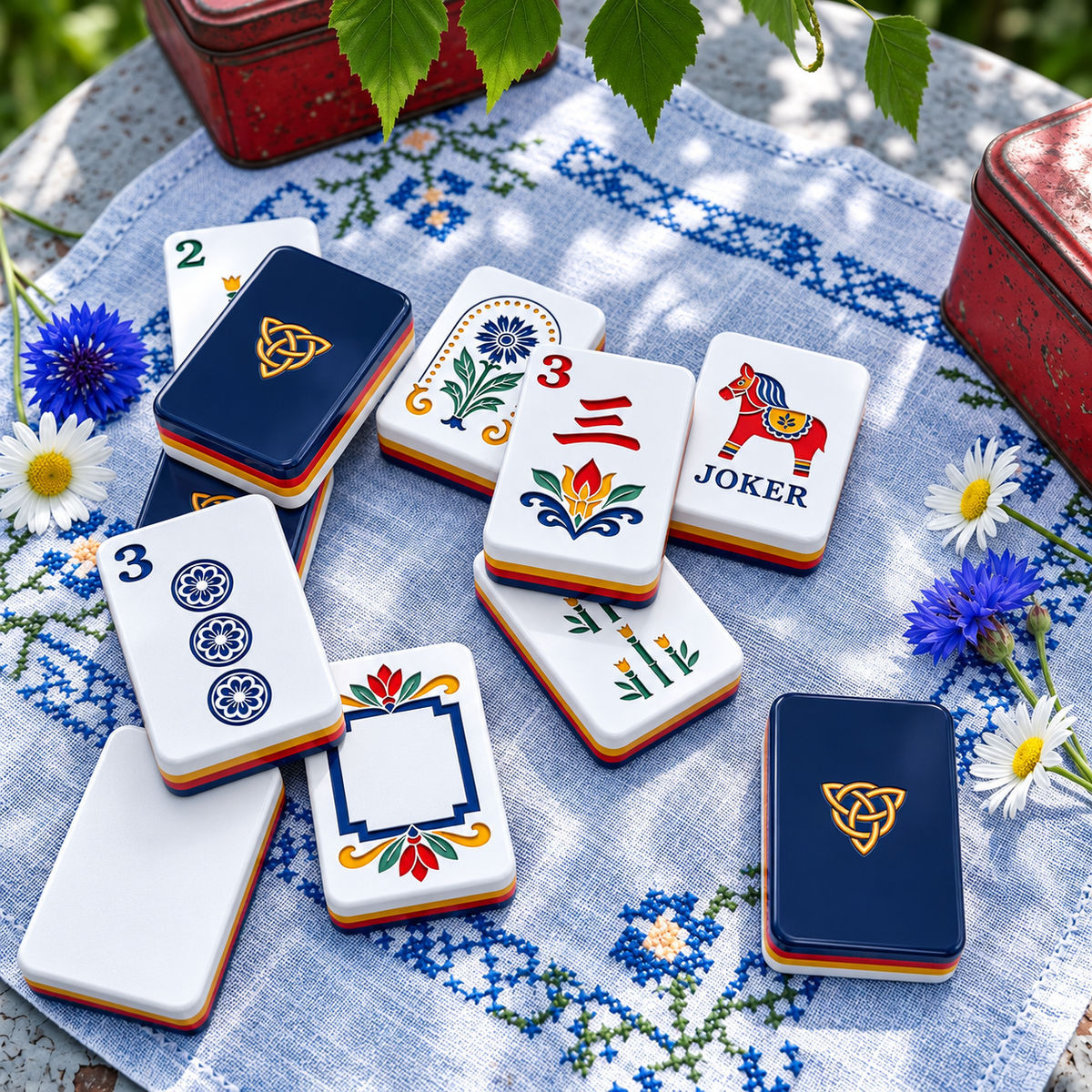
Shuffle your 160 mahjong tiles by spreading them face-down on the mat or table, breaking them into sections (we divide into four piles, one per player zone), then using a circular hand motion or gentle table push to mix them randomly for 20–30 seconds. The goal: ensure no player can predict tile draw order. Most beginners prefer the "hand shuffle"—grab a handful, toss gently back onto the spread, and repeat. Faster players use the "tumble"—push tiles in a circular motion with flat hands, keeping them in one layer. Avoid scooping high or letting tiles flip face-up. Once shuffled, stack into the wall (two tiles per stagger, 34 stacks per side) before the deal. We recommend starting with a quality padded mat; tiles shuffle faster and quieter on a non-slip surface than bare wood.
What happens if you don't shuffle thoroughly enough?
Poor shuffling gives observant players an unfair edge; they may spot patterns (all Bams near one end, Dragons clumped together). This breaks fairness and ruins the game's randomness. Always spend 20–30 seconds mixing, move tiles from the center outward, and involve all four players in the shuffle ritual. A shuffled game feels neutral to everyone.

Which shuffling method works best for beginners?
The hand shuffle suits newcomers: spread all 160 tiles face-down in a loose pile, grab small handfuls (8–10 tiles), and toss them gently back over the pile, moving around the table. Repeat 5–6 times. It's forgiving, doesn't require table space, and builds comfort with tile handling. Once confident, try the table tumble.
🀄 Shop best-selling mahjong sets →
How do pros shuffle mahjong tiles fast?
Experienced players use the push-mix: spread all tiles in one flat layer on the mat, then use both hands in a gentle circular motion—push tiles forward, pull them back, rotate your hand position. Tiles stay in one plane, stay face-down, and scatter evenly. This takes 25 seconds and requires a padded mat to prevent tiles from sticking or flipping. The technique demands practice but speeds up game prep significantly.
What mistakes damage tiles during shuffling?
High scoops and drops crack acrylic or wooden tiles over time; rough tossing can chip edges or loosen joker pegs. Never rake tiles violently or let them fall more than an inch. Use a mat with a cushioned surface to absorb impact. Store tiles in a protective bag between games. Quality 160-tile sets are durable, but aggressive shuffling wears them faster than gentle circular mixing.

Why does your shuffling surface matter so much?
A bare table causes tiles to stick, scatter unevenly, and flip face-up. A padded mat provides grip, even distribute, and quiet shuffling. Tiles glide smoothly on a non-slip surface, shuffle faster without binding, and sound better (quieter is more relaxing than sharp clicks). We've tested shuffles on wood, plastic, and padded mats: the padded surface cuts shuffle time by 5–10 seconds and reduces tile noise by 40%. It's the single biggest upgrade for a weekly game.
Quick Shuffling Method Comparison
Method | Best for | Surface | Time | Skill Level | Tile Risk |
Hand shuffle | Beginners, casual | Table or mat | 30–40 sec | Easy | Low |
Push-mix (tumble) | Experienced, fast games | Padded mat | 20–25 sec | Intermediate | Very low |
One-hand gather | Emergency/cramped space | Any | 40–50 sec | Hard | Medium |
Section shuffle | Teaching/variety | Padded mat | 35 sec | Easy | Low |
🎁 See our most-loved mahjong sets & accessories →
How should you stack the wall after shuffling?
After shuffling, organize tiles into the wall: each player stacks their 34 stacks in two-tile pairs (17 stacks × 2 tiles high), creating a wall that runs along one side of the table. Start from the center (East wind's position) and work outward. The East player opens the wall by lifting a stack and drawing from it. Proper stacking ensures an unbiased draw and keeps the game flowing. If you have uneven stacks, re-shuffle before building the wall.
Which tile material shuffles most smoothly?
Acrylic tiles (our standard) shuffle smoothly on padded mats; they're lightweight, don't absorb moisture, and handle repeated shuffling without wear. Bone-and-bamboo tiles are heavier and noisier but prized by traditionalists. Plastic tiles can stick on bare tables. A padded mat designed for mahjong lets any quality tile shuffle evenly, quietly, and safely—no matter the material.
✨ Find your Mahstead set — free US shipping →
What to Check Before You Shuffle
Tile count: Confirm you have 160 tiles (152 play tiles + spare jokers/blanks). Count once before your first game of the season.
Face-down: All tiles must be flat and face-down before shuffling begins. Any tile face-up disrupts randomness.
No jokers loose: If a joker peg pulls free, you'll hear a rattle mid-shuffle. Test each tile's peg before the game.
Padded surface: Use a mat, not bare wood. Unpadded tables cause tiles to stick and bunch unevenly.
Dry hands: Damp fingers slow shuffling and can leave marks on acrylic. Keep hands dry.
Table space: You need room to spread 160 tiles without crowding. A 36-inch mat is minimum for comfortable spreading.
Why shuffle ritual matters for the game experience
The shuffle is where players reconnect, settle in, and set tone. A smooth, quiet 30-second shuffle feels pro and respectful; a chaotic, noisy two-minute scramble sets a frustrated mood. Whether you choose the hand shuffle (beginner-friendly, forgiving) or the push-mix (fast, elegant), the ritual signals: this game is deliberate, fair, and worth your time. We've hosted hundreds of weekly games, and the ones that shuffle well play better—fewer disputes, faster rounds, better focus.
Starting with a best-selling mahjong set and a proper mat transforms shuffling from a chore into a smooth, confident habit. New players feel more in control; experienced players save time.

FAQ
How long should shuffling actually take?
20–35 seconds. Beginners often shuffle 40–60 seconds (safe but slow); pros aim for 20–25 seconds. Anything under 20 seconds risks incomplete randomization. Over 60 seconds wastes table time.
Can you shuffle mahjong tiles in your hands like playing cards?
Not effectively. Mahjong tiles are heavier, larger, and unwieldy; hand riffle-shuffles (card-style) cause tiles to flip, chip, or scatter across the floor. Stick to table shuffles: spread flat, then mix on the surface.
What's the difference between a good mat and a table for shuffling?
A padded mat grips tiles (they stay in one layer), absorbs noise, and prevents sticking. A bare table causes tiles to bunch, slide unevenly, and click loudly. A mat cuts shuffle time 5–10 seconds and feels professional.
Do you need all four players to help shuffle, or can one person do it?
One person can do it alone, but tradition invites all four to touch the tiles—it feels fair and random. If one player shuffles solo, others may question fairness. A shared shuffle builds trust.
How do you shuffle if you're playing 2 or 3 players instead of 4?
Spread the tiles the same way, but reduce the wall size proportionally. The shuffle method stays the same; only the wall stacking differs based on player count. See our 2 and 3 player mahjong guide for wall rules.
What's the safest way to shuffle if you have limited table space?
Use the hand shuffle: grab small handfuls and toss them back over a smaller pile. Avoid the push-mix if you can't spread all 160 tiles in one flat layer. A hand shuffle works in cramped spaces and is gentler on tiles.


View More
View More
View More
