
How to Host a Lunar New Year Mahjong Party
Last updated: Nov 23, 2026
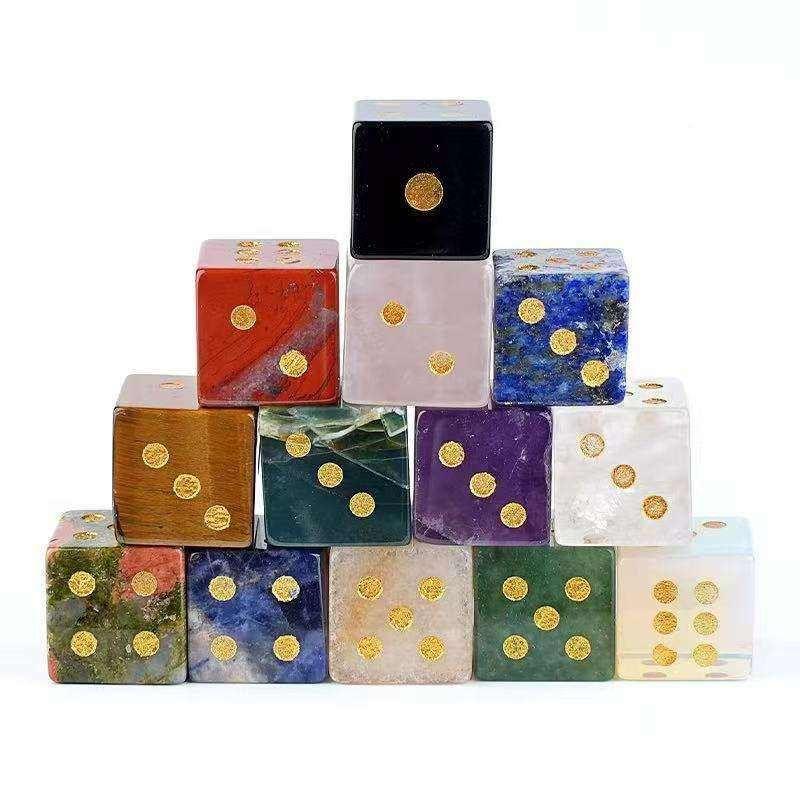
A Lunar New Year mahjong party brings together 4 players (occasionally 2 or 3) for 2–4 hours of tile play, with the Charleston tile-passing ritual setting the tone before the first hand. Plan 2–3 weeks ahead: confirm four committed players, secure a sturdy table (36 inches wide minimum), set out one standard 152-tile American mahjong set with 8 jokers, provide best-selling sets with clear acrylic tiles if hosting new players (easier to read in group settings), and arrange scoresheets or use pen and paper. Expect 15–20 minutes of setup (pulling tiles, organizing racks), the Charleston (5–10 minutes), then hands lasting 10–20 minutes each. Common misstep: forgetting extra jokers; always count to 152 playing tiles before the first hand. Budget for light food and tea; no betting required, though many players enjoy friendly stakes. Mahstead's engraved sets and mahjong racks with pushers speed setup and reduce tile-counting errors at the table.
What makes Lunar New Year the perfect mahjong season?
Lunar New Year (occurring in late January or February, depending on the lunar calendar) is the most auspicious time to play mahjong across Chinese, Vietnamese, and Taiwanese cultures—the game symbolizes unity, luck, and prosperity for the year ahead. Many households reserve this holiday specifically for multi-generational mahjong; the festive atmosphere, family gathering, and year-long gap since the last regular game make it feel special. Hosting a party (rather than joining an existing club game) means you control the date, guest list, snacks, and energy. Plan your party 2–3 weeks before Lunar New Year to lock in player availability and allow time to source or refresh tiles.
🀄 Shop best-selling mahjong sets →
How do you choose the right player lineup?
Four players form the ideal Lunar New Year table: East, South, West, and North (the four winds). Ideal guests are players who already know American mahjong or are willing to learn two days before; teaching a complete beginner at the party table eats an hour and deflates the celebration. If a fourth player cancels last-minute, look into 2 and 3 player mahjong rules—both are playable but use modified hands and scoring. Invite players who enjoy rhythm, banter, and a 2–4 hour commitment; tell them upfront whether stakes exist (friendly only, no pressure). A mixed-skill table works if one expert player mentors; avoid pairing a complete novice with three experts.
What equipment and supplies do you actually need?
Item | Qty | Purpose | Critical? |
Mahjong set (160-tile acrylic) | 1 | All 152 playing tiles + 8 jokers | Yes |
Racks with pushers | 4 | Hold & organize tiles, speed play | No, but faster |
Mahjong mat | 1 | Clear workspace, quieter clicks | No, but improves feel |
Scoresheets or paper | 4 | Track points each round | Yes |
Current-year NMJL card | 1 | Legal hand reference (free online or in set) | Yes |
Pens | 4 | Write scores | Yes |
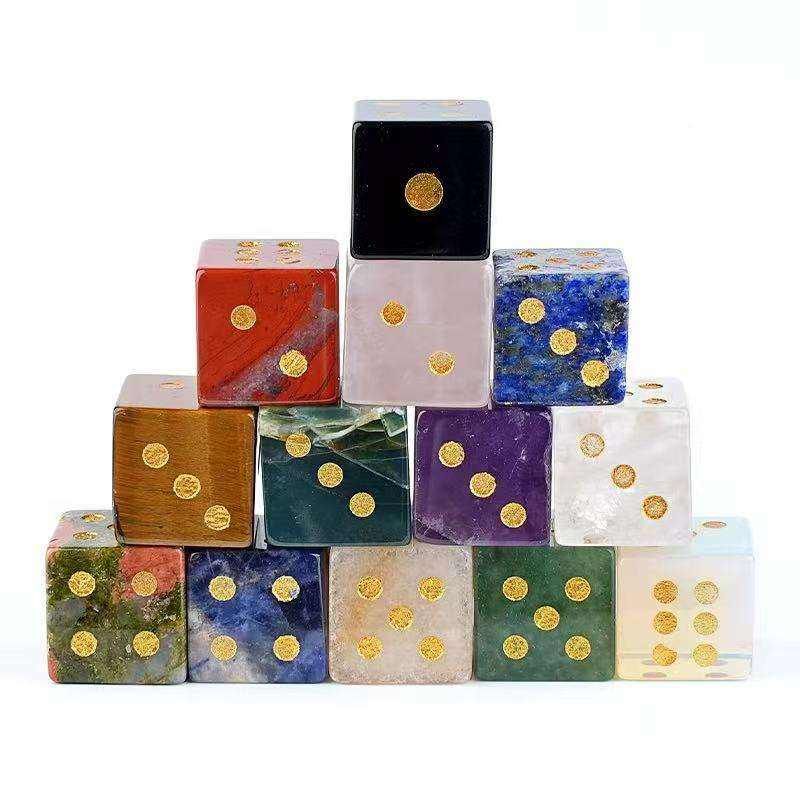
Dice (two standard 6-sided) | 1 pair | Determine dealer each hand | Yes |
Timer (phone OK) | 1 | Optional, keeps hand pacing consistent | No |
Snacks & tea | — | Hospitality, energy sustain | Yes |
Best-selling sets come with clear acrylic tiles and a scorepad; many players add mahjong racks with pushers and a mat for professional feel and noise reduction. Never assume a player owns racks; provide four for smooth tile management.
How do you structure the evening timeline?
30 minutes before: Set up the table (tiles, racks, mat, scoresheets, current NMJL card). Place snacks and tea within reach. Count tiles aloud—152 playing tiles + 8 jokers = 160. Missing even one joker forces a mid-game restart.
0–10 minutes: Greet players, orient them to the tiles and racks if new. Explain the Charleston (three-round tile exchange) using simple language: "Each player passes 14 tiles to their right neighbor, then left, then right again—the goal is to break up unwanted tiles and find a winning hand."
10–20 minutes: Execute the Charleston. Place the concealed wall between players. Roll dice to set the dealer. Draw tiles in the correct order (East draws 14, all others draw 13, the discard begins). This ritual sets the mood and synchronizes the table.
20 minutes onward: Play hands. Most hands finish in 10–20 minutes; slower hands (blocked by defensive play) may reach 25 minutes. After each hand, record points and rotate dealers counterclockwise.
Throughout: Watch for common errors—jokers used as single tiles (illegal), chows called as exposed melds (illegal in American mahjong), or a player drawing a tile when another player has already called—and correct gently before the hand concludes.
🎁 See our most-loved mahjong sets & accessories →
What are the most common hosting mistakes to avoid?
Mistake | Impact | Fix |
Tiles not pre-counted | Hand must restart mid-game | Count all 160 (152+8) aloud before guests arrive |
Player doesn't know hand names (pungs, kongs, pairs) | Constant rule stops, lost energy | Send a one-page hand-types handout the day before |
Scoresheet runs out or pens missing | Scrambling for supplies | Print extra scoresheets, bring 6 pens |
Music too loud | Can't hear meld calls or game talk | Keep background music at conversation volume |
No fourth player backup plan | Party collapses if someone cancels | Know 2-3 player rules or have a fifth name ready |
Eating near tiles (grease, spills) | Acrylic tiles slide, warp, or stain | Enforce snacks-away-from-tiles rule, provide small napkins |
Running hands too fast for beginners | Confusion, frustration, people leave | Agree before the first hand whether to play at relaxed or brisk pace |
Lunar New Year timing is tight—cancel early if a player can't confirm. Beginners need 15 minutes to acclimate; don't jump into a hand until everyone reads at least one tile correctly.
How do you keep the party festive and inclusive?
Mahjong is social theater, not just a game: commentary, friendly teasing, and shared celebration of wins matter. Serve tea or wine (never during active hands—spill risk). Play low-volume music from the Lunar New Year era (traditional or modern); silence feels sterile. Celebrate early wins (hands in the first 30 minutes) and commiserate on defensive hands. Rotate the dealer role so no one feels stuck in bad luck for too long.
Invite one player who knows the current NMJL card well enough to advise on hand legality; let that expert field questions without slowing play. If a player struggles early, quietly remind them that mahjong improves with repetition and the luck element means anyone can win the next hand. End on a high note—play only as many hands as enthusiasm allows (usually 2–4 hands equals 45 minutes to 2 hours of play); stopping while energy is high leaves players eager for next Lunar New Year.
✨ Find your Mahstead set — free US shipping →
What to check before you buy or borrow equipment
Tile count: Physically count 152 playing tiles + 8 jokers before the party. If using a borrowed set, recount in front of the lender. Missing tiles make hands illegal and force restarts.
Acrylic clarity: Hold tiles to light; cloudy or cracked acrylic slows recognition and frustrates players. Clear acrylic reads 2–3 feet away.
Joker legibility: Mark your 8 jokers clearly (some sets print them boldly; others use color). Unmarked jokers cause confusion mid-hand.
Rack stability: Racks should not tip easily when a player reaches for a tile. Test with a set of tiles before party day.
Mat surface: A mat should lie flat and grip the table; a curling mat slides and feels cheap. Canvas or neoprene holds best.
Scoresheet clarity: Use a template with four player columns, round number, and running totals. Bad penmanship or missing totals cause disputes.
FAQ
How many hours should I plan for a Lunar New Year mahjong party?
Plan 2–3 hours total: 30 minutes setup, 10–20 minutes Charleston, 30 minutes to 2 hours of active hands (2–4 rounds), and 15 minutes cleanup. Casual games run shorter; competitive groups stretch to 3–4 hours.
Can I host with only 3 players?
Yes, though the game feels different. Read 2 and 3 player mahjong rules and adjust the hand list, wall size, and scoring beforehand. Most three-player games use a modified hand card and faster rounds.
What if someone claims they don't know how to play?
Spend 10 minutes before the Charleston explaining what's in an American mahjong set (suits, dragons, winds, flowers), how to read the NMJL card, and what constitutes a legal pung or kong. They'll catch on within 1–2 hands; mahjong rewards repetition, not prior knowledge.
Is betting required for Lunar New Year mahjong?
No. Friendly games use points only. Many households track penny stakes (e.g., winner gets 5¢ per hand) for added excitement, but never pressure a guest into money play. Confirm stakes before the first hand.
How do I know if my set is complete and legal?
Count 152 playing tiles (36 Bams, 36 Craks, 36 Dots, 16 winds, 12 dragons, 8 flowers) and 8 jokers aloud. If any number doesn't match, buy a replacement set or borrow from a club. A single missing tile invalidates the game mid-hand.
Should I send house rules to guests before the party?
Yes. Email a one-page guide covering player order (East, South, West, North), Charleston steps, how to call a meld, bonus hands or no-bonus rules, and expected duration. New players especially appreciate advance notice, reducing anxiety and false starts.


View More
View More
View More
