
Best Mahjong Set for Grandparents and Grandkids
Last updated: Nov 23, 2026
The best set for grandparents and grandkids depends on tile size, durability, and whether you want personalization. Acrylic American mahjong sets with larger numerals suit players with vision concerns and younger hands learning the game. Our best-selling collection offers 160-tile sets designed for frequent play, with clear markings and sturdy cases for storage and travel. Sets range from classic designs to engraved titles, letting grandchildren feel ownership. Acrylic holds up better than bone or bamboo through repeated shuffling and teenage enthusiasm. Consider tile size—larger tiles (standard American) are easier to read and manipulate than smaller travel sets. A mat protects the playing surface and makes cleanup fast. Most families find a mid-range acrylic set with a dedicated case and mat worth the investment for 10+ years of regular play. 🀄 Shop best-selling mahjong sets →
Why acrylic beats bone or bamboo for multigenerational play?
Acrylic tiles don't crack from moisture, heat changes, or dropped hands. Bone and bamboo age beautifully but chip under casual play—especially with kids. Acrylic cleans in seconds with a dry cloth. We see families pass down acrylic sets; bone cracks when the garage gets cold. Acrylic also resists staining from snack spills, crucial when grandkids join. The trade-off: bone feels premium in hand, acrylic feels modern. For a set played weekly across ages, acrylic lasts longest.

What tile size matters most for mixed-age hands?
Standard American tiles (1.25 inches wide) suit most players. Grandparents with arthritis or vision loss appreciate the larger numerals and easier grip. Tiles too small force squinting and fumbling, turning game night into frustration. Travel sets use smaller tiles (1 inch or less), fine for adults on vacation but harder for learners or older hands to shuffle and read. Young grandchildren learn faster with larger, clearer markings—they see the suit symbols and numbers instantly. A good rule: if anyone asks "What tile is that?" too often, your tiles are too small. Standard size also works with commercial mahjong tables, hotel clubs, and league play if your group advances.
How much should a durable family set cost?
A quality 160-tile acrylic set from our best-selling collection is an investment you recoup over years. Budget sets (under entry-level) often have soft tiles that wear fast and indistinct markings. Mid-range sets (most shoppers' choice) include a case, mat, and clear engraving; they run longer than two seasons of weekly games. Premium sets feature custom engraving with grandkids' names or family jokes—perfect for heirlooms. See current pricing on each collection page to compare. Avoid the temptation to buy the cheapest option and add a case later; bundles with matching mat and bag save money and ensure compatibility. A family set is not an impulse purchase—it's a standing game-night fixture.
🎁 See our most-loved mahjong sets & accessories →
Does personalization make a set worth more to grandkids?
Yes—a set with grandkids' names, initials, or a family year makes them feel like custodians, not just players. Engraved sets from our mahjong titles collection cost a bit more but feel like a keepsake. Kids who help choose the design (dragon theme, family joke, initials) are more likely to attend game night and teach friends. Engraving also marks the set clearly if you play at clubs or bring it to travel. Non-engraved sets are cheaper upfront, work fine for casual play, and let you avoid deciding which child gets "custody" later. Many families buy one family set (engraved) and one generic backup for guests.
What else do you need besides the tile set?
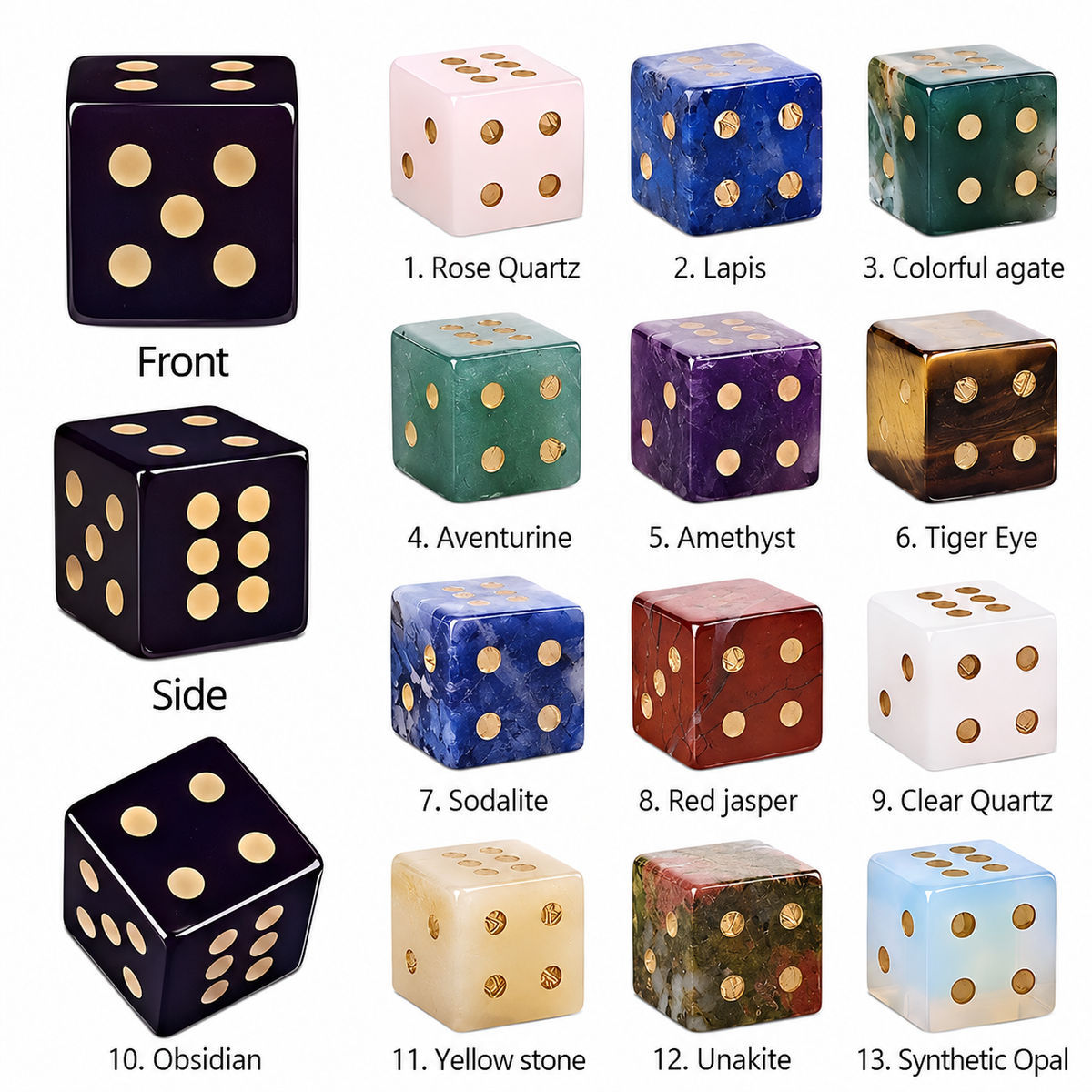
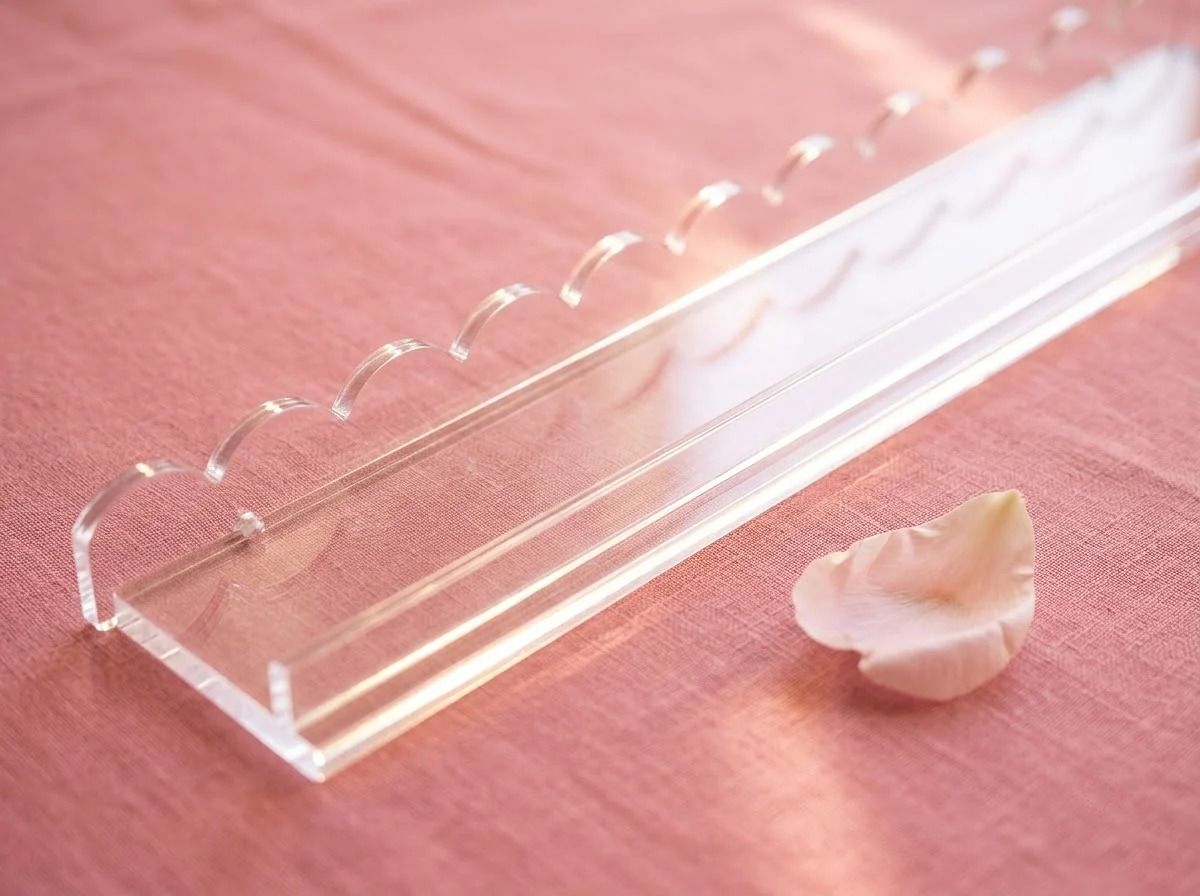
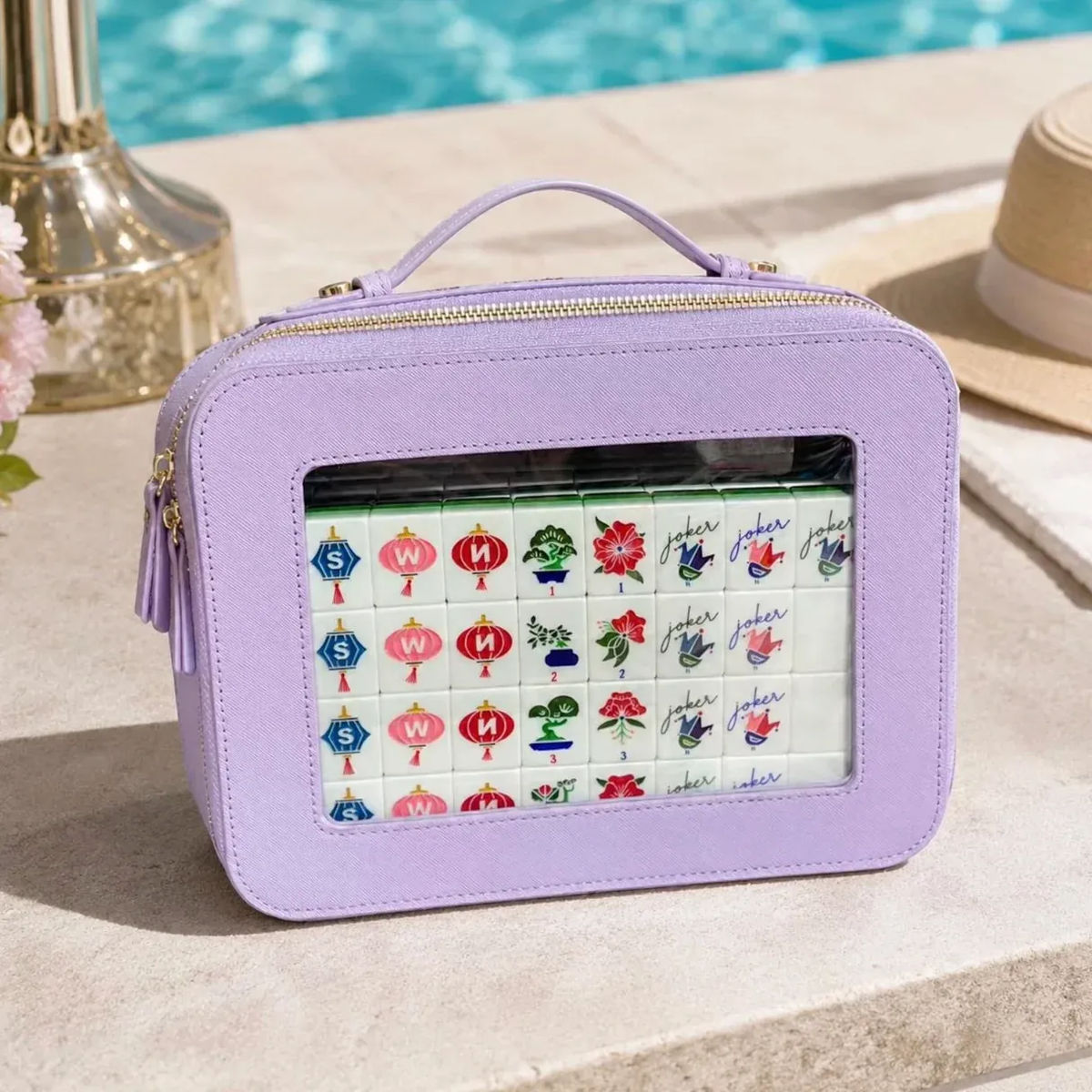
A mahjong mat protects tiles and the table, and speeds cleanup. Racks with pushers keep tiles organized and reduce dropped hands—especially helpful for players with limited dexterity or young kids still learning. A travel bag or case keeps tiles and accessories in one place, ready to go. Many families store their set in the dining room closet year-round, so a case prevents dust and loose tiles. Mahjong racks with pushers are optional but beloved by players who've used them; grandkids especially like the mechanical pusher. A dedicated dice set (standard for scoring) completes your station. If your group is learning, how-to guides and a current National Mah Jongg League card help avoid arguments about hand validity.
Scenario | Best choice | Why it works | Add to cart |
Grandparents teaching kids, weekly play | Standard acrylic set with mat, case, racks | Durability + readability + organization = fewer complaints | |
One visit per season, portability matters | Engraved acrylic set + travel bag | Compact, memorable, fits in a car. Engraving marks it as "ours." | |
First-time players, unsure about commitment | Mid-range acrylic set, no extras | Tests the waters. Upgrade to a mat/racks if they love it. | |
Holiday gift, multi-generational | Engraved set + mat + case + racks | Complete station says "this is serious family time." Feels like a real gift. | |
Grandparents only, frequent players | Premium acrylic set with racks + mat | Comfort matters after 3 hours; racks reduce hand fatigue. |
What to check before you buy:
Tile thickness: Thicker tiles (acrylic ≥6mm) survive clumsy shuffles; thin tiles crack or warp.
Numeral clarity: Can you read all marks at arm's length without glasses? Ask for a photo or sample if unsure.
Case quality: Does the lid latch securely? Do all compartments have felt or cushioning?
Matching mat and bag: Ensure they fit your tile set's dimensions—don't guess.
Joker count: A 160-tile set includes spare jokers; confirm your set has at least 8 jokers playable (never more than 8 in a hand, per American rules).
Return policy: Check before ordering; some shops have restocking fees for custom orders.
✨ Find your Mahstead set — free US shipping →
How long will a good set actually last?
A well-made acrylic set lasts 10–15 years of weekly play if stored dry and in a case. We've seen families use the same set for 20 years without major wear. Jokers and spare tiles may yellow slightly but remain playable. The biggest risk: losing tiles during moves or misplacing them at a club. A case labeled with your name prevents accidents. Racks and pushers wear faster than tiles (wood or plastic can split), but replacement racks are easier to source than replacing a full set. Mats show use after 3–5 years but still function. Treat a good set like you'd treat Tupperware: store clean and dry, and it rewards you.
FAQ
What's the difference between American mahjong tiles and Chinese or Hong Kong tiles?
American tiles are larger, use only three suits (Bams, Craks, Dots) with wind and dragon honors, and are played only with the yearly National Mah Jongg League card. Chinese and Hong Kong mahjong use smaller tiles, four suits, and different hand patterns. For grandparents teaching American mahjong, stick to American sets—mixing tile systems causes confusion.
Can grandkids learn American mahjong with the same set grandparents use?
Yes. Standard acrylic sets work for all ages. Younger players benefit from racks and pushers (easier to hold and organize tiles). Ensure they have a current season's National Mah Jongg League card and understand that hands change every spring—no improvisational play allowed.
Is a more expensive set really better, or am I just paying for engraving?
Engraving is optional and doesn't affect gameplay. Premium sets typically have thicker tiles, smoother shuffling, better-fitted cases, and superior numeral clarity. Mid-range acrylic sets perform just as well for casual family play. Spend more if you want the set to last 20+ years or feel like an heirloom.
Should I buy racks and pushers now, or wait to see if we like the game?
Start without them if you're testing commitment. Racks and pushers improve comfort and reduce dropped tiles, so if your group plays weekly, they're worth adding within a season. Bundled deals from Mahstead often make the combo price reasonable.
What happens if a tile cracks or gets lost?
A 160-tile set includes spare jokers; other tiles are harder to replace individually. Store your set carefully and play on a mat to reduce accidents. If a tile is truly lost, many players substitute a blank tile or check with online mahjong communities for replacement tile sources—but it's rare if you're careful.
Can I use a smaller (travel) set for regular family game nights?
Technically yes, but it's frustrating. Smaller tiles are harder to read, shuffle, and manipulate—especially for players with arthritis or kids still learning. Travel sets work for occasional use, but weekly play deserves standard-size tiles.


View More
View More
View More
