
How to Clean Wooden Mahjong Tiles: Care Guide
Last updated: Nov 23, 2026
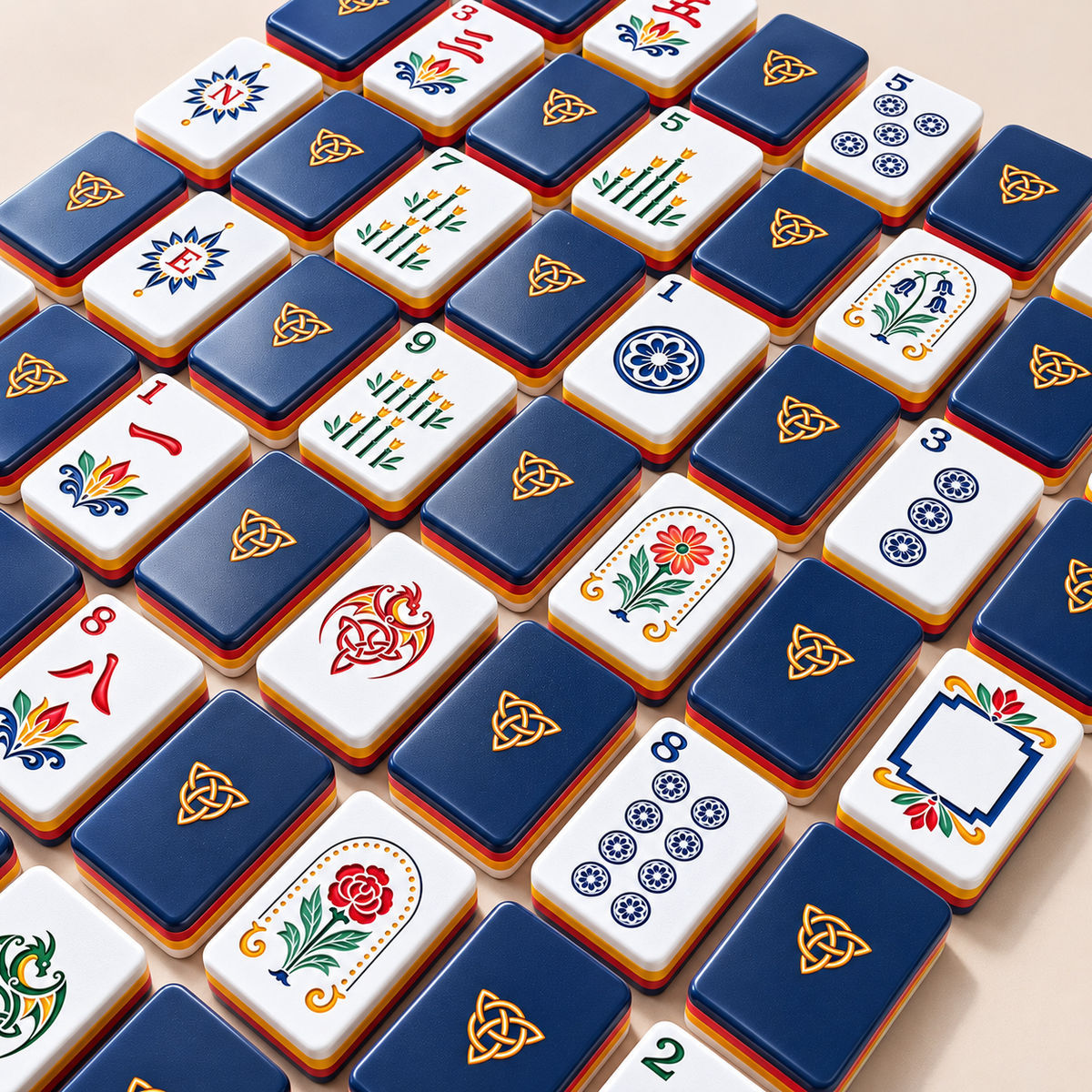
Wooden mahjong tiles need only gentle, dry cleaning to stay game-ready for years. Use a soft, lint-free microfiber cloth—the same type you'd use on eyeglasses—to wipe each tile after play, removing dust and skin oils that dull the surface. For stubborn marks, lightly dampen the cloth with distilled water (never tap water, which leaves mineral deposits) and wipe gently, then dry immediately with a second cloth. Never soak tiles, use soap, or apply oils; wood expands and warps with moisture, and soap residue attracts dust. Store tiles in a cool, dry place away from direct sunlight, which fades engraved designs. If tiles crack, warp, or lose bamboo or bone inlays, replacement is your only safe option—attempting glue repairs creates uneven surfaces that jam racks and throw off hand balance during play. We recommend checking tile condition annually and rotating storage location seasonally to prevent moisture pockets.
Why does wooden tile material matter for cleaning?
Wooden mahjong tiles—typically bamboo face with bone or bamboo backing, or solid bamboo throughout—absorb moisture quickly and swell permanently if exposed to humidity. Unlike acrylic tiles, wood demands hands-off water treatment. The engraved symbols are cut shallow enough that aggressive scrubbing or abrasive cloths erase fine line detail. Understanding your tile's core material helps you avoid the mistakes that cause irreversible damage: warping from washcloths, permanent staining from soap, and loss of inlay contrast from oil-based products.

What's the safest way to remove dust between games?
After every session, spend two minutes wiping each tile with a dry microfiber cloth in the direction of the grain—not circular motions, which can catch on edges. Mahjong tiles sit on racks and mats for hours; airborne dust settles into engraved lines and around inlays, creating a gritty surface that slows shuffling and pile-breaking. Cloth type matters: terry cloth and paper towels shed fibers that lodge in the grain; microfiber is lint-free and safe. Store the cloth in a sealed bag so it stays dry. If a tile feels sticky (often from hand lotion or humidity), use distilled water on the cloth—one light pass only, then immediate dry-off. Never leave damp wood sitting; wood that stays wet for even an hour begins to swell.
How do you handle stains without damaging engraving?
Stains on wooden tiles fall into two categories: surface (dust, fingerprints) and embedded (ink, food residue, sweat). Surface stains vanish with microfiber-and-distilled-water alone. For embedded stains, resist the urge to scrub or use rubbing alcohol, which penetrates the wood and destabilizes the finish. Instead, dampen a cloth very lightly—wring it until it feels almost dry—and make one slow pass over the stain, then dry immediately. If the stain persists after three attempts, accept it; further intervention risks wicking moisture into the bamboo core. Stains do not affect gameplay and fade naturally over months as wood breathes. Never use vinegar, hydrogen peroxide, or bleach-based products on wooden tiles; these open the grain and can bleach the bone inlays unevenly.
What storage conditions preserve tile longevity most?
Wooden tiles thrive in stable environments: 40–50% relative humidity, 65–72°F, no direct sunlight. Store them in their original case or a dedicated mahjong bag with dividers, away from kitchen windows, heating vents, and basements. Basements accumulate moisture even in dry climates; sunlit shelves fade engraved color and bamboo face over years. Seasonal rotation—moving tiles from a cool closet to a slightly warmer room during winter, then back during summer—prevents localized moisture buildup that causes one corner of the set to swell. If you play weekly, leave tiles in a breathable case, not sealed plastic; plastic traps humidity and promotes mildew on both tile and case. Check tiles monthly during humid seasons (spring, summer in most US regions) for soft spots or warping; early detection lets you replace individual tiles before the whole set becomes unplayable.
When should you retire a tile or entire set?
Individual tiles need replacement if they crack, warp noticeably (no longer sit flat on the rack), lose inlays, or develop permanent mildew spots. A single damaged tile disrupts hand balance and scoring reliability, so retire it immediately rather than tape over it; our best-selling mahjong sets come with spare tiles, but older sets may not. A full set is unplayable when five or more tiles show warping, more than two are cracked, or the surface feels grimy despite careful cleaning—this signals that original finish has degraded and wood is now absorbing oils and moisture. Before retiring a set, photograph any engraved symbols or maker marks; wooden tiles are often heirlooms, and documentation helps if you later want to restore or sell them. Replacement is preferable to repair; wood glue, epoxy, or tape creates uneven thickness that causes racks to jam and shuffling to catch.
Comparison: Wooden vs. Acrylic Tile Care
Factor | Wooden Tiles | Acrylic Tiles | Why It Matters |
Moisture sensitivity | High—swells, warps, mildews | None—stable in any humidity | Wooden tiles demand dry storage; acrylic is forgiving |
Cleaning frequency | After every session (2 min) | Weekly (5 min, more thorough) | Wood's grain traps dust; acrylic's smooth surface needs deeper cleaning |
Safe cleaning method | Dry microfiber only; distilled water sparingly | Soap, warm water, lint-free cloth; no abrasives | Wooden wood absorbs water; acrylic sheds surface dust faster |
Sunlight risk | Fades engraving, bleaches bamboo | Minimal if not intense UV | Wooden tiles are photosensitive; acrylic is stable for decades outdoors |
Lifespan if maintained well | 30+ years | 50+ years | Wood is durable but requires discipline; acrylic is lower-maintenance |
Repair feasibility | None safe; replace tile | Chip polish, crack epoxy possible | Once wooden tile is damaged, retirement is safest option |
🀄 Shop best-selling mahjong sets →

Common mistakes that damage wooden tiles irreversibly
Mistake 1: Using regular tap water. Tap water contains minerals and chlorine that stain bamboo and bone over time, creating permanent white or brown patches in the grain. Always use distilled water—it costs pennies at any grocery store—and use it only as a last resort, not habit.
Mistake 2: Storing in sealed plastic. Players often keep wooden tiles in plastic bags or sealed cases "to protect them." Sealed environments trap humidity, causing mildew on tiles and case alike within weeks in humid climates. Breathable linen or canvas cases, or the original cardboard boxes, allow air circulation.
Mistake 3: Leaving damp tiles in the rack. After cleaning with water, many players put wet or damp tiles directly into a mahjong rack with pushers—the wood cannot dry evenly and swells unevenly, warping the tile permanently. Always air-dry tiles flat for at least one hour before racking.
Mistake 4: Scrubbing with paper towels or sponges. Paper towels shed fibers that stick in the grain; sponges hold water. Both abrade the surface. Microfiber cloth is the only safe choice.
Mistake 5: Applying oils, waxes, or varnishes. Many assume wooden tiles need conditioning like wooden furniture. In fact, oils seal the grain and trap moisture inside, and waxes create a slick, brittle surface that peels. Wooden tiles are finished at manufacture and need no coating.
✨ Find your set today — browse our collection →
What to check before you buy wooden tiles
If you're purchasing a new wooden set, inspect it on arrival for manufacturing or shipping damage—cracks, warping, or inlays already loose—and photograph any defects for the seller. Ask whether the set includes spare tiles; older or vintage sets may not. Confirm that the grain direction is consistent across all tiles (a sign of quality finishing) and that bone or bamboo inlays are evenly set and not proud of the surface (raised edges jam racks). If you're inheriting or buying vintage wooden tiles, assume they've been stored improperly; clean them gently, inspect for mold (black spots or soft areas), and dry them in a cool room with low humidity for a week before play. Avoid tiles with deep chips or visible glue repairs—they're no longer playable and won't improve.
How your playing environment affects wooden tile care
Games held in air-conditioned rooms (constant 72°F, 40% humidity) preserve wooden tiles best; tiles age slowly and evenly. Outdoor summer games or kitchen tables near windows speed warping, as temperature swings and direct heat stress the bamboo core. Humid basements or near-bathroom storage accelerates mildew. If your weekly game rotates between homes, ask the host to store tiles in a dedicated closed shelf, away from bathrooms and kitchens. If you host, a mahjong mat placed on a dry dining table keeps tiles off cold granite (which sweats in summer) and isolates them from kitchen humidity. After each game, place tiles back in their case immediately—don't leave them on the table overnight, even indoors. Overnight exposure to varying room temperature and humidity causes micro-swelling that compounds over weeks.
🎁 See our most-loved mahjong sets & accessories →
The role of seasonal storage rotation
In most US climates, indoor humidity swings 20–50% seasonally: low in winter (heating dries air), high in spring and summer. Wooden tiles respond to these swings with tiny expansions and contractions that, repeated over years, can cause hairline cracks or uneven warping. Prevent this by rotating storage location: keep tiles in a cool, dry closet during summer (away from heat) and a slightly warmer shelf during winter (away from cold exterior walls). If your climate is consistently humid (Southeast, Pacific Northwest), consider a small dehumidifier near your tile storage, set to 45% RH; it costs little and pays for itself by extending tile life by years. Check tiles monthly during spring and summer by removing the set and inspecting for soft spots (sign of moisture) or visible warping. Early detection lets you dry the tiles in a cool room for a week and restore playability before cracks develop.
The honest case for replacing vs. restoring
Wooden mahjong tiles are beautiful and often sentimental, but they are not furniture—they are game components that must be flat, smooth, and consistent to play fairly. A cracked or warped tile throws off hand calculation, clogs racks, and makes shuffling audible and slow, breaking the game's rhythm. Many players try to repair damaged tiles with superglue, epoxy, or tape; these repairs always fail within weeks, as glue cures uneven and cracks reopen. The only repair that works is replacement. If your wooden set is decades old and you wish to preserve it, retire it from play and display it in a closed, climate-controlled cabinet with low-UV glass. For actual gameplay, upgrade to a new wooden or acrylic set; modern sets are finished better and include spares. You can always keep the vintage set as a keepsake, and your new set will serve your weekly games reliably for decades.

FAQ
Can I clean wooden mahjong tiles with a damp cloth weekly?
Only if the cloth is nearly dry and you air-dry tiles immediately afterward. Repeat wet cleaning—even "light" dampening—causes cumulative swelling and warping. Reserve damp cleaning for monthly deep cleaning, not habit.
What's the safest way to store wooden tiles during the off-season if I don't play for months?
Keep them in a breathable cloth bag or original cardboard box in a cool closet (not basement or attic). Check monthly for moisture or soft spots. Before playing again after a long break, inspect each tile and let the set acclimate to room temperature for 24 hours.
My wooden tiles smell moldy but have no visible spots. Are they salvageable?
Mold smell means moisture has penetrated the grain. Attempt rescue: remove tiles from the case, place them in a dry room with 35–45% RH and mild air circulation (not a fan directly on them) for two weeks. If the smell persists or soft spots appear, retirement is safer; mold returns after play in humid conditions.
Can I use rubbing alcohol to remove ink stains from wooden tiles?
No. Alcohol penetrates bamboo and destabilizes the original finish, opening the grain to future moisture damage. Accept the stain; it does not affect gameplay and fades over time.
How often should I replace individual tiles in an older wooden set?
Inspect annually. Replace tiles as soon as they show warping, cracks, or missing inlays. If more than one tile per suit (Bams, Craks, Dots) needs replacement in the same year, consider retiring the whole set; multiple failures signal widespread moisture exposure or age-related brittleness in the remaining tiles.
Is it safe to store wooden tiles in a freezer or refrigerator to prevent mold?
No. Extreme cold followed by room temperature causes rapid expansion and contraction, which cracks tiles. Freezers also have moisture (condensation), which accelerates warping. Maintain steady room temperature instead.


View More
View More
View More
