
How to Choose an American Mahjong Set: The Complete Buyer's Guide
Last updated: Nov 23, 2026
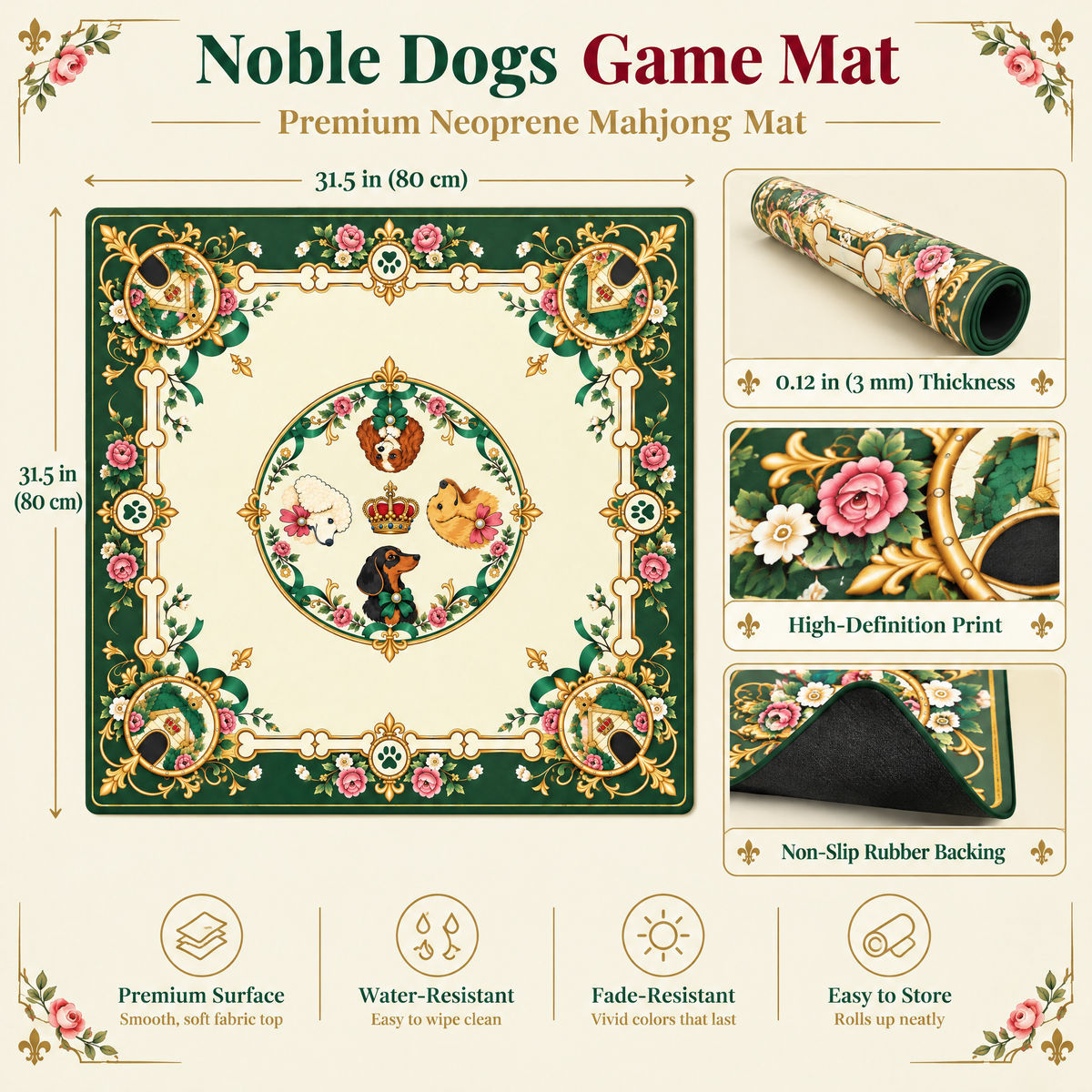
An American mahjong set contains exactly 152 tiles plus 8 jokers, designed for four players following the annual National Mah Jongg League card. You need three suits (Bams, Craks, Dots) numbered 1–9 in four copies each, plus winds, dragons, flowers and jokers. The main choice is material—acrylic tiles are durable and lightweight for travel; bone and bamboo feel traditional but cost more and require care. Tile size ranges from smaller (easier to hold, tighter hand) to larger (easier to read, slower shuffle). Consider whether you want a branded design, engraved personalization, or a classic look. Starter sets run affordable; premium sets with matching mats, racks and bags cost more but last decades. Mahstead offers engraved acrylic sets with free US shipping, so you can customize without adding expense. 🀄 Shop best-selling mahjong sets →
What material works best for your play style?
Acrylic tiles dominate American mahjong because they're lightweight, colorfast, affordable and require zero maintenance—just wipe them clean. Bone and bamboo sets feel beautiful and traditional but demand careful storage (moisture and temperature swings warp them) and cost significantly more. Ceramic and resin offer middle ground: they feel substantial and look premium but are heavier to shuffle and pack. If you play weekly at home, acrylic suffices; if you host rotating games or travel, acrylic's low weight matters. Bone suits collectors willing to invest time in climate control; it's not a practical choice for casual players.
How do tile size and weight affect gameplay?
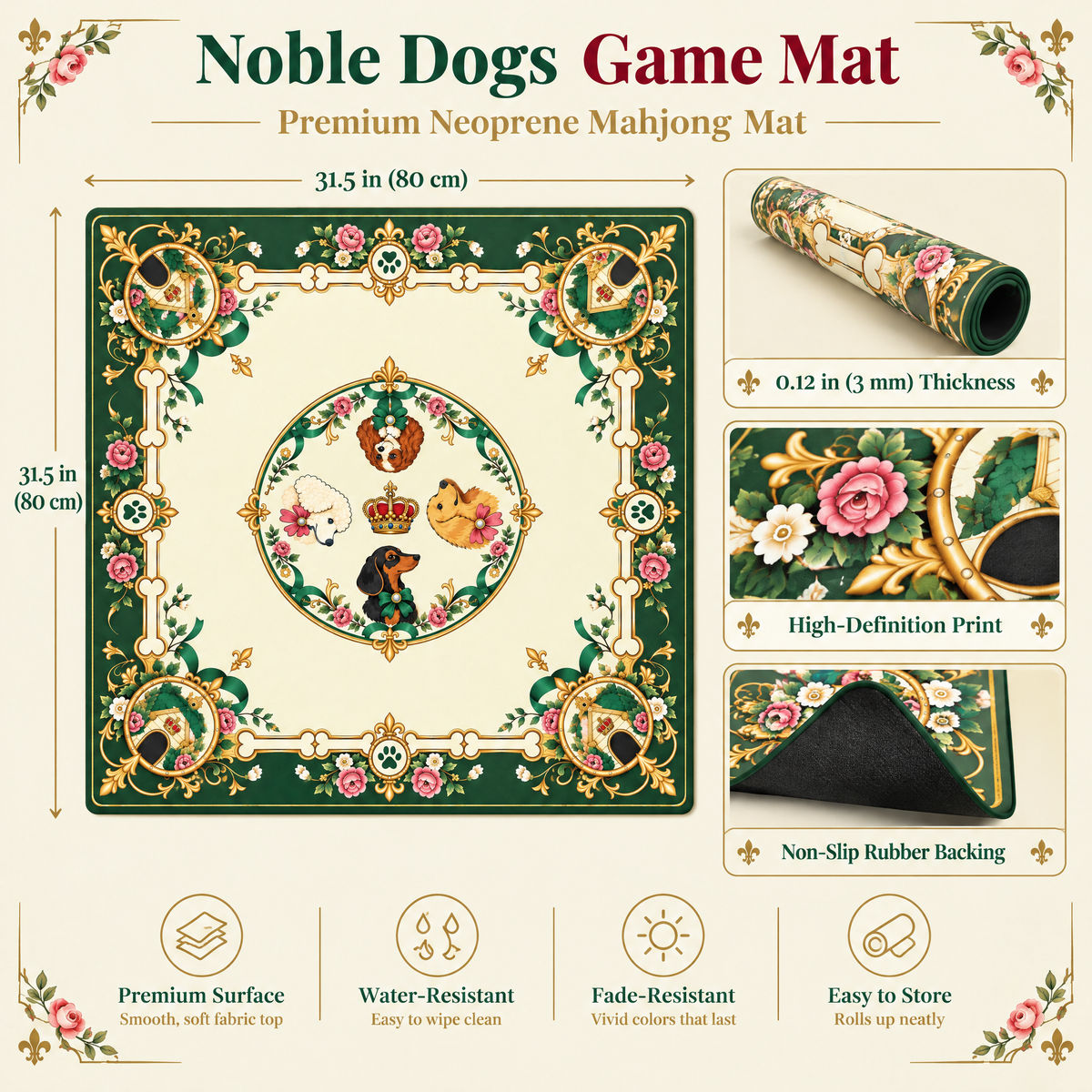
Smaller tiles (around 0.8 inches) fit compact hands and shuffle faster, ideal for players with limited hand strength or those who like rapid games. Larger tiles (1 inch or more) display numbers and suits clearly, reduce squinting, and feel premium—but they're heavier to hold for two hours and take longer to shuffle and sort. Medium tiles (0.9 inches) balance readability and comfort for most adult players. Test tiles at a friend's table before buying; hand size varies widely. Heavier sets (bone, bamboo, ceramic) fatigue some players; lighter acrylic sets let you play longer without strain.
Should you buy a set with engraving or personalization?
Engraved sets—whether with titles like "Mahj Champion," family names, or inside jokes—transform a game into a keepsake. Engraved American mahjong sets let you celebrate your group's identity without paying extra; Mahstead engraves at no upcharge. Blank sets suit players who rotate hosts or gift frequently. If you're buying for a permanent home game or a retirement milestone, engraving adds lasting joy. If you're a beginner or uncertain about long-term commitment, skip it—you can always upgrade later.
What's the real cost difference between starter, mid-range and premium sets?
Category | Who it suits | What to expect | Typical addition |
Starter acrylic | Beginners, casual groups, test players | Basic designs, standard tiles, no extras | Just the set |
Mid-range acrylic | Weekly players, one permanent table | Cleaner design, slightly thicker tiles, good shuffle feel | Mat or rack bundle option |
Premium acrylic with accessories | Serious hosts, multiple weekly games, travel needs | Custom engraving, included mat or rack, premium case or bag | Matching case, dice, pushers |
Starter sets cost least and play identically to premium sets—the game rules don't change. Mid-range sets often include mahjong mats or racks with pushers, which save money if you'd buy them separately. Premium bundles justify cost through durability and convenience, not gameplay. The National Mah Jongg League card doesn't care what tiles you own; your skill and strategy do.
🎁 See our most-loved mahjong sets & accessories →
What extras make sense to buy at the same time?
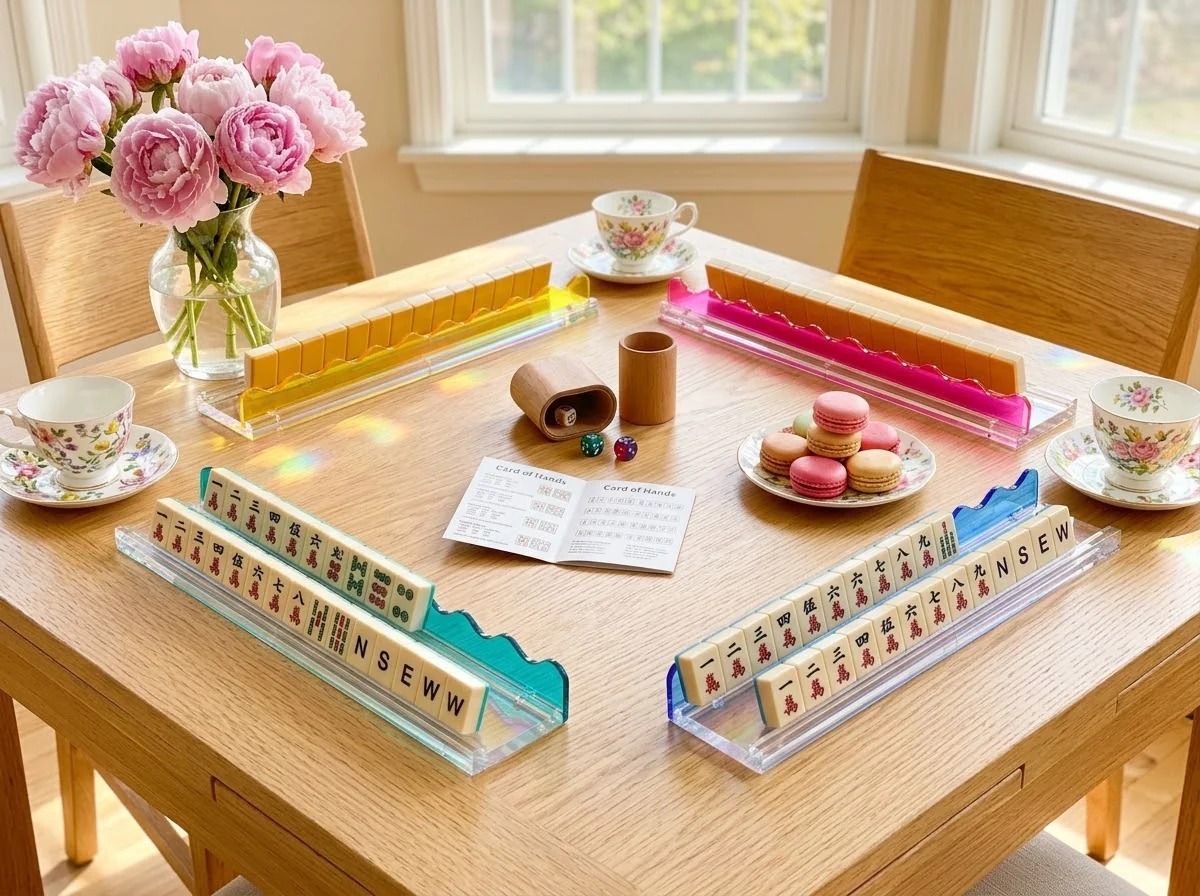
A mahjong mat protects tiles from spills, defines the play area, and adds grip during shuffling—nearly essential if you play on glass or polished wood tables. Racks with pushers organize your hand so you don't knock tiles over mid-reach; they're comfort, not rules. Bags and cases matter only if you transport sets regularly; home players don't need them. Dice come in many sets already but verify before ordering. Buy the mat now if hosting—you'll want it immediately. Buy the bag only if you travel monthly or more. Buy racks if your table has limited space or if players struggle holding 14 tiles steadily.
What should you verify before ordering?
Check these before buying:
Tile count: Confirm it's 152 playing tiles plus 8 jokers (or 160-tile set, which includes spares for replacement). No more, no fewer.
Suit clarity: Can you read Bams, Craks and Dots quickly under your home lighting? Order a set close to one a friend owns if possible.
Material authenticity: Verify tiles are acrylic, bone-and-bamboo, or ceramic—not plastic imitations or painted wood.
Joker design: Some sets mark jokers distinctly; others blend them. Decide which you prefer (blended jokers make them harder to spot—slower play).
Shipping timeline: Mahstead ships free across the US; confirm expected arrival fits your game schedule.
Return policy: Know whether you can swap colors or designs if the set doesn't match your table's look.
Buyers often overlook joker visibility and material weight. Test both at a demo before finalizing. A set you regret costs nothing to exchange early.
✨ Find your Mahstead set — free US shipping →
Comparing starter vs. hosting-ready setups
If you're joining an existing game, a starter acrylic set works perfectly—you're not responsible for the table experience. If you're hosting weekly, invest in a best-selling set bundled with a mat and bag; it signals serious play and solves storage instantly. If you're a gift buyer for a retiring player or milestone celebration, Christmas mahjong sets and engraved options turn the gift into a memory. New players should browse new mahjong arrivals to see what's current and popular—community favorites signal reliable quality. If you're uncertain about features, read what's in an American mahjong set to learn exactly what tiles and counts matter.
Quick decision checklist:
Playing at a friend's house? → Pick any acrylic set, no rush on extras.
Hosting weekly games? → Mid-range acrylic + mat + case.
Traveling to games? → Lightweight acrylic + travel bag.
Gifting a milestone? → Engraved premium set.
Testing the hobby? → Starter acrylic, plain design.
American mahjong sets last decades if you protect tiles from spills and extreme heat. Your first choice needn't be your last, but buying deliberately—matching your play frequency, group size, and care capacity—means you'll enjoy the set for years. Mahstead's free US shipping removes the barrier to swapping if you discover your preference later.

FAQ
Can I use a Chinese or Hong Kong mahjong set for American mahjong?
No. Chinese and Hong Kong sets lack American jokers, have different tile counts and suits, and include chow tiles (sequences) that don't exist in American rules. You must use an American 152-tile set to play by National Mah Jongg League rules.
What's the difference between a 160-tile and 152-tile set?
American play uses exactly 152 tiles and 8 jokers. A 160-tile set includes the full 152 playing tiles plus spare jokers and blanks for replacement if tiles crack or get lost—they don't enter the game. Mahstead sells 160-tile sets so you always have spares on hand.
Does tile material affect how the game plays?
Material doesn't change rules or strategy, only comfort and durability. Acrylic tiles shuffle fastest and weigh least; bone tiles feel premium but require humidity control; ceramic sits between. Beginners won't notice; serious players prefer material that suits their table and shuffle rhythm.
Do I need a mat, rack and case, or just the tiles?
Just the tiles suffice to play. A mat prevents spills and improves grip—nearly essential if your table is slick. Racks ease hand management; cases only matter if you transport sets regularly. Buy each only if it solves a real problem at your table.
How do I know if a set is authentic American mahjong?
Authentic sets have exactly 152 playing tiles plus 8 jokers; three suits (Bams, Craks, Dots) numbered 1–9; four winds; three dragons (Red, Green, White); and eight flowers. Count the tiles before opening; if it's 144 or 166, it's Chinese or a variant, not American standard.
Can beginners play with a high-end engraved set?
Yes. The set doesn't teach you; the card and group do. Beginners often use house sets or borrow. If buying your own, start affordable; upgrade later if you commit to the hobby long-term.
What if I order a set and dislike the design or tile size?
Contact Mahstead before finalizing to discuss options. Tile size and color preferences vary; ordering confidently means confirming details upfront rather than discovering regrets after arrival.


View More
View More
View More
