
History of the National Mah Jongg League: Rules & Impact
Last updated: Nov 23, 2026
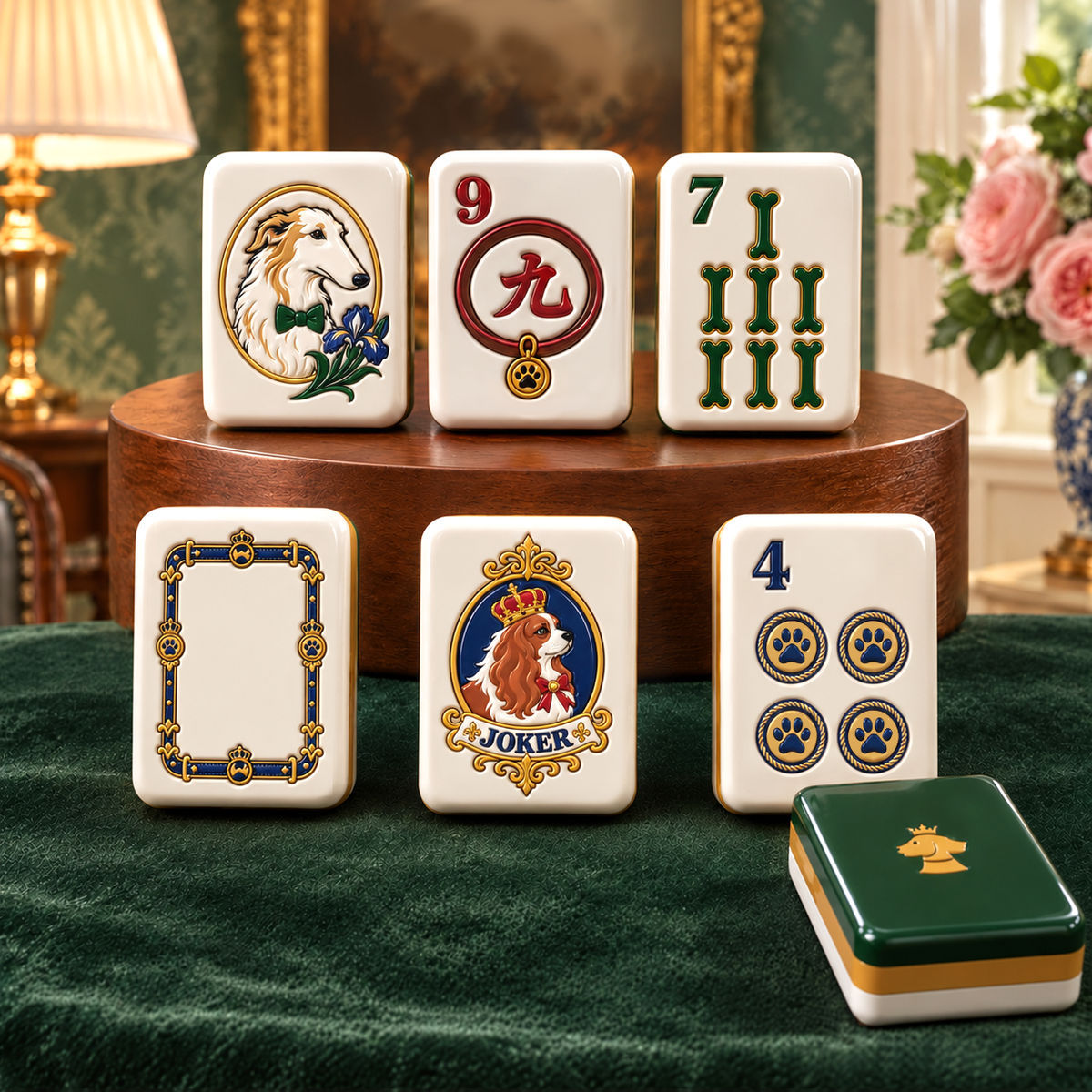
The National Mah Jongg League (NMJL) was established in 1937 to standardize rules for American mahjong, which had fragmented into dozens of local house rules since the game arrived in the US in the 1920s. The league publishes an official hand card every spring—players in a legal game may only score hands listed on that year's card. The NMJL also maintains the 152-tile count and structured hand types (like "2 Pungs + 1 Kong + 1 Quint + Eyes") that define American mahjong today. Membership in organized league play remains relatively small; the league serves primarily as the rule authority and card publisher for millions of casual home games played weekly across the US. If you host regular four-player games, you're already using the league's framework even if you've never joined formally.
Why did American mahjong need standardization in the 1920s–30s?
When mahjong swept into North America after World War I, the game arrived without a single rulebook. Chinese players brought regional variants; eager American promoters published competing rulebooks. By the early 1930s, a hand that won in one city lost in another. Wealthy players in New York wanted a unified standard so they could compete fairly across clubs. A group of serious enthusiasts formed the National Mah Jongg League in 1937 to write one definitive set of American rules and hold to it annually.

What exactly does the NMJL's annual card do?
The league releases a new hand card every spring. That card lists approximately 75–80 legal winning hand patterns, each showing the exact tiles required (e.g., "1 Pung of Bams + 1 Pung of Craks + 1 Kong of Winds," and so on). A hand scores only if it appears on the current year's card in the exact configuration played—you cannot win on a hand from last year's card or one you invent. The card is printed and updated year to year; serious players keep a current-year card at the table or on their phone. This single rule—"only hands on the official card count"—replaced decades of argument and kept the game unified across the country.
🀄 Shop best-selling mahjong sets →
How is the NMJL card different from Chinese or Riichi mahjong?
American mahjong is unique because winning hands are fixed and published, not calculated on the fly. In Chinese mahjong, you can score nearly any combination of patterns—pungs, chows (sequences), pairs—as long as they follow the hand structure rules. In Riichi (Japanese) mahjong, hands are scored by point value and the specific melds you declare. In American mahjong, your hand must match one of the league's listed hands exactly, no substitutions. This is why American mahjong players refer to "the card" constantly and why one set of 152 tiles works for the whole year: the card defines what wins, not math or local rules.
Variant | Hand Selection | Winning Rule | Scoring |
American | Fixed annual card, ~75 hands published | Exact match to card only | All hands count as meld (no point calculation) |
Chinese | Player-designed patterns | Any pungs/chows/eyes following structure | Points vary by hand complexity |
Riichi | Player-declared melds | Melds + pattern bonus | Point values by hand name |
Hong Kong | Player-designed, more flexible | Multiple melds + winning tile logic | Points by hand name + bombard rules |
This is why American mahjong games feel different: no one invents a hand mid-game, and every player holds the same rulebook (the card). If you've learned American mahjong, you're playing by league rules whether you own a league membership or not.
Did the NMJL make the game more popular or slower?
Standardization helped American mahjong survive the mid-20th century and stay alive as a social game. Without a unified card, the game might have fragmented further or been abandoned. However, the annual card also created a learning curve: new players must study the card before they can score, whereas Chinese mahjong has simpler, more intuitive patterns. The league's structure kept the game alive among dedicated players but never broadened casual interest the way mah-jong apps have done in recent years. Today, casual players often learn from YouTube or friends and never consult a printed card; serious home players and any organized league game follow the NMJL card faithfully.

What role does the NMJL play in today's game?
The league continues to publish the annual card each spring and maintains a small membership of tournament players and organized clubs. Most home games—the millions played weekly in living rooms across the US—use the current NMJL card without paying membership dues. The league also keeps historical records and runs occasional tournaments. For home players, the NMJL is less a "club to join" and more a "rules authority you rely on every time you play." If you've ever held a mahjong set with the standard 152 tiles and 8 jokers, followed the four-player, four-wind structure, and checked a hand against a card before declaring a win, you've been using the league's standardization for over 80 years.
🎁 See our most-loved mahjong sets & accessories →
How do home players access the NMJL card today?
The official card is available as a printed pamphlet (many players keep one at the table), a digital PDF, or a smartphone app. Some vendors, including Mahstead, can engrave or customize mahjong sets with commemorative titles or club names, which often include space for storing a card or quick-reference guide. Serious players often laminate or card-sleeve a copy for durability. If you host a weekly game, having a readable copy at arm's reach prevents disputes and keeps play flowing.
What to check before you buy a new set for league-standard play
Verify the tile count. Mahstead 160-tile acrylic sets contain exactly 152 playing tiles plus spare jokers and blanks—the full NMJL standard. Never add spare tiles to the game itself; use only 152 tiles and 8 jokers per round.
Confirm tile clarity. The NMJL card lists hands by tile number and suit (1–9 Bams, Craks, Dots) plus winds, dragons, and flowers. Make sure your tiles are legible under your home lighting. Acrylic sets with bold engraving stay readable for decades.
Pair it with a mat and racks. A mahjong mat protects tiles and reduces noise; racks with pushers let you organize your hand and prevent accidental reveals.
Keep a current card at the table. Without it, disputes over hand validity are common. Print one or reference it on a phone.
✨ Find your Mahstead set — free US shipping →

FAQ
Can I play American mahjong without the NMJL card?
Technically yes, but not "legal" American mahjong. Any game without the current official card is house rules, which may include hands or scoring invented locally. For consistent, portable play with other players, the card is essential.
Why does the NMJL release a new card every year?
The league updates the card annually to keep play fresh and address rule clarifications. Hands and point values can shift slightly; having a current card ensures all players follow the same rules for that season.
Is NMJL membership required to play American mahjong at home?
No. Membership is for organized clubs and tournament players. Home players use the card (often free or purchased inexpensively) without joining. Mahstead respects this and designs sets for casual and serious players alike.
How many hands are on the official NMJL card?
Approximately 75–80 legal winning hand patterns, depending on the year. Each hand specifies a unique combination of pungs, kongs, quints, sextets, and pairs, with joker rules.
Can I modify a hand to fit if I'm one tile short?
No. The NMJL card lists hands exactly. If your tiles don't match a hand on the card in every detail, you cannot score. This is what "American" mahjong means—precision by published standard, not improvisation.
What happens if I win on a hand from last year's card?
It does not score in any standard or tournament game. Always use the current year's card. Many casual players keep older cards for reference, but only the current card counts as legal.


View More
View More
View More
