
Bakelite Mahjong Tiles: Pros and Cons for Players
Last updated: Nov 23, 2026
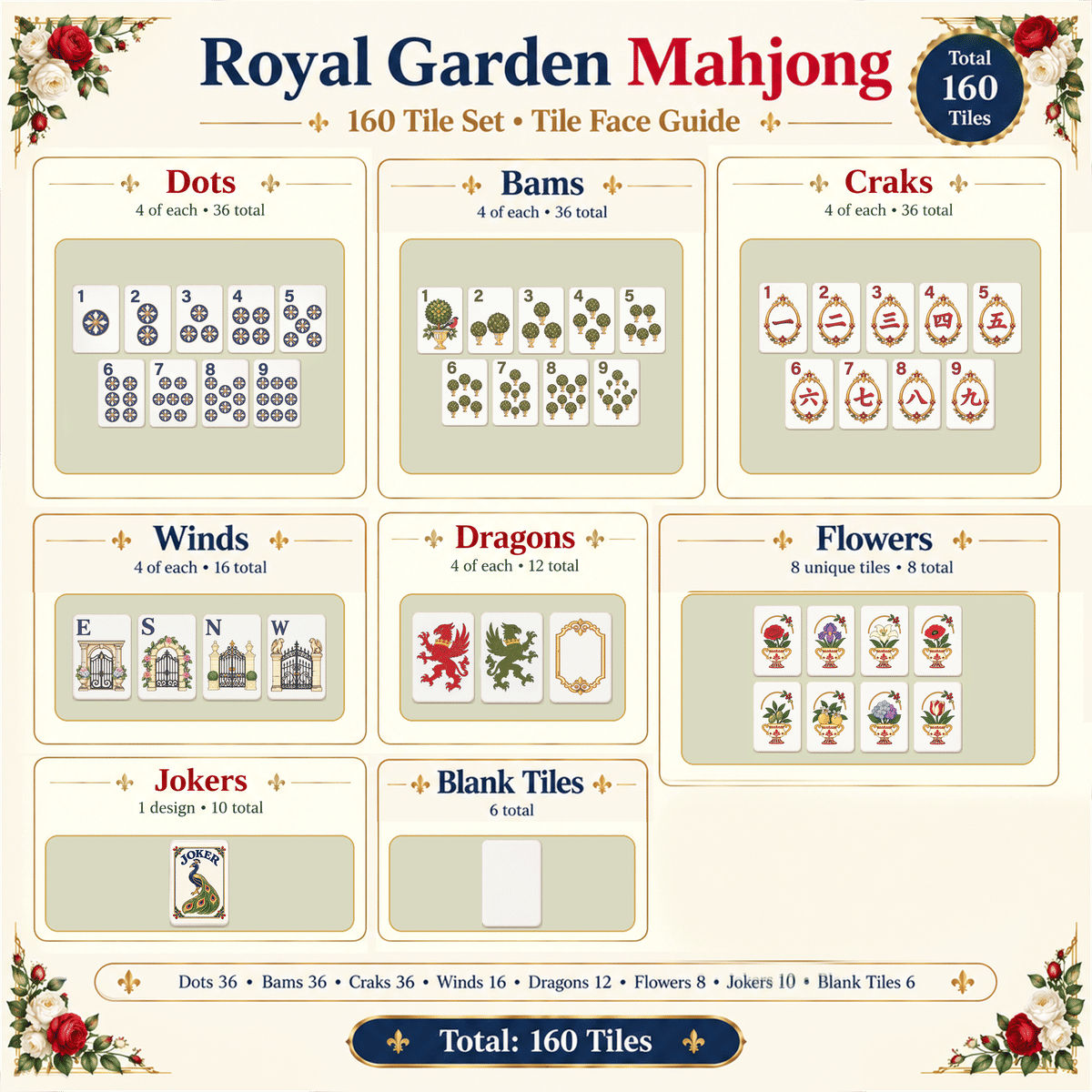
Bakelite tiles—made from phenol-formaldehyde resin—deliver the rich clack and heft that many players love, especially those from older sets or fond of 1960s–80s mahjong aesthetics. The material is heavier than acrylic, stains easily with humidity and age, cracks under impact, and commands a premium price. Acrylic is lighter, more durable, stain-resistant, and affordable—ideal for weekly games where tiles travel and weather varies. Bakelite suits collectors prioritizing authentic feel and players in dry climates with stable storage; acrylic suits frequent players, travel, and households with moisture. We recommend choosing based on how often you play, where you store tiles, and whether you value nostalgia or practicality. Our best-selling mahjong sets use acrylic with engraved detail, balancing durability and authentic gameplay for regular hosts.
Why do bakelite tiles sound and feel different?
Bakelite is denser and heavier than acrylic, giving tiles a substantial weight in your hand and a deeper, resonant clack when discarded on the rack. The material has slight friction—tiles don't slide as smoothly as acrylic across a mat. Many older players describe the sound as more "authentic" or "satisfying," especially if they grew up with 1960s–80s sets. The trade-off: bakelite is brittle and cold to the touch, whereas acrylic is warmer and more forgiving. If you prioritize traditional audio-tactile feedback over convenience, bakelite may feel worth the extra cost and care.

What happens to bakelite tiles over time?
Bakelite absorbs moisture and darkens with age and humidity exposure, a process collectors sometimes call "yellowing" or "patination." Tiles are prone to crazing—fine surface cracks that develop when the resin expands and contracts with temperature and humidity swings. Chips and fractures occur easily if bakelite tiles are dropped or knocked hard against each other; acrylic flexes and survives the same impact. Bakelite also retains odors and can develop a musty smell in damp storage. Over ten years, a bakelite set stored in a humid climate will show visible wear—color shifts, cracks, and reduced clack. Acrylic resists all of these: it won't yellow, crack, stain, or absorb odor, even after decades in a home with seasonal humidity swings.
How much more do bakelite tiles cost than acrylic?
Bakelite manufacture is slower and demands higher-grade resin, so sets consistently cost more than acrylic equivalents—often two to three times the price based on the retail lists for both materials. A standard 160-tile acrylic set (152 playing tiles plus spare tiles) is mid-range; bakelite versions of comparable design and size command premium pricing. Production volume is also lower for bakelite, limiting discounts. If you host weekly games and replace sets every few years due to wear, acrylic is more economical. If you buy once per decade and value the aesthetic, bakelite's higher cost spreads over decades of occasional play. Budget-conscious players and travel-focused hosts should choose acrylic; collectors and nostalgia-driven players may justify bakelite's premium.
Factor | Bakelite | Acrylic | Best for |
Weight and feel | Heavy, substantial, high friction | Lighter, smooth glide | Traditionalists seeking vintage authenticity |
Sound (tile clack) | Deep, resonant, slower | Bright, crisp, quick | Players who prize audio feedback |
Durability under impact | Brittle; chips and cracks easily | Flexible; survives drops | Weekly hosts, travel, active games |
Staining and discoloration | Absorbs humidity; yellows and crazes | Resists stains; remains unchanged | Long-term storage in variable climates |
Maintenance | Wipe-dry only; avoid moisture | Wipe-clean with water; low upkeep | Low-maintenance, frequent-use environments |
Lifespan (average use) | 10–15 years if kept dry | 20+ years in any climate | Casual and regular players |
Cost basis | Higher, 2–3× acrylic | Standard; most affordable | Budget and practical players |
Can you restore or repair cracked bakelite tiles?
Minor crazing (surface cracks that don't split the tile in half) cannot be reversed; they are cosmetic and do not affect gameplay. Tiles that are cracked across the thickness or chipped are functionally broken and must be replaced—bakelite cannot be glued and re-used safely. Some vintage collectors embrace the crazing as patina; others find replacement tiles from old stock, but these are rare and expensive. The safest approach: store bakelite sets in stable, dry environments (50–55% humidity, 68–72°F) and never expose them to direct sunlight or sudden temperature swings. A climate-controlled closet works far better than a basement or attic. If you cannot guarantee stable storage, acrylic is the better choice. We recommend engraved American mahjong sets in acrylic, which endure decades of play and storage without degradation.

How should you store bakelite tiles to prevent damage?
Bakelite tiles must be kept in a sealed, climate-controlled container—rigid plastic case or wooden box with latch—stored in a room that stays cool and dry year-round. Use silica gel packets inside the case to control moisture; replace them every six months. Avoid basements (cold, damp), attics (heat and humidity swings), garages (temperature extremes), and windowsills (direct sunlight). Bakelite stored in a bedroom closet or interior hallway of a climate-controlled home will age far more slowly than the same set in a humid kitchen or outdoor shed. If you travel with bakelite tiles—moving the set between venues or storing it seasonally—you risk crazing and warping. Acrylic travel-friendly mahjong sets and protective bags and cases make regular transport safe and hassle-free, whereas bakelite requires deliberate, stationary care. For players who move sets weekly or live in humid climates, acrylic is the practical choice.
Which material is better for American mahjong?
American mahjong uses 152 tiles plus 8 jokers, all of which must survive a full 4-player game, the Charleston tile-passing exchange, and frequent shuffling. Acrylic is superior for this active use: tiles flex slightly if bumped, resist chipping, and won't absorb sweat or humidity from a crowded table. Bakelite's brittle nature means even a standard game poses a small risk of cracks, especially if players are energetic or the table gets crowded. Acrylic tiles are also louder and brighter—they clack distinctly when discarded, making it easy to hear your move in a social game. Bakelite sounds more muted after it starts to craze, which can be distracting for players trained to listen for tile placement cues. For weekly mahjong hosting, casual learning, and competitive play, best-selling acrylic sets are the standard choice among active players. Bakelite suits display collections, occasional nostalgia-driven play, and players in permanently dry environments.
🀄 Shop best-selling mahjong sets →
Bakelite vs. acrylic: the decision framework
Your situation | Recommendation | Reason |
Host weekly mahjong games | Acrylic | Withstands frequent handling; resists moisture and impact |
Travel between venues; variable storage | Acrylic | Lightweight; won't crack or stain in transit or humidity |
Live in humid climate (southeast US, tropics) | Acrylic | Won't absorb moisture, yellow, or craze |
Play 1–2 times per year; stable dry storage | Either | Bakelite acceptable if stored in climate-controlled interior |
Collector or nostalgia-driven player | Bakelite | Authentic vintage feel; justify premium and careful storage |
Budget-conscious household or beginner | Acrylic | Affordability; no special maintenance or climate control needed |
Need tiles to last 20+ years with minimal wear | Acrylic | Proven durability; bakelite lifespan shortens with humidity |
What to check before you buy
Material confirmation: Ask the seller or check the product description explicitly—don't assume vintage-looking tiles are bakelite (many are acrylic with retro design). Bakelite has a specific heft and smell (faint chemical odor); acrylic feels lighter and odorless.
Storage capacity: If you choose bakelite, commit to dry storage—measure your humidity level with a hygrometer before purchase. If you can't maintain 50–55% humidity, buy acrylic instead.
Tile count and condition: A 160-tile acrylic set (152 playing tiles plus spares) is standard; make sure all jokers and blanks are present. For bakelite, inspect for visible crazing, chips, or discoloration before play—these will worsen over time.
Replacement tile availability: Bakelite tiles are nearly impossible to replace individually; buy a complete set you're willing to keep forever or accept as a long-term display piece. Acrylic tiles can sometimes be purchased in bulk if you lose a few.
Climate and play frequency: Be honest about your game schedule and home humidity. Weekly play in a humid region? Acrylic. Occasional seasonal play in a dry climate? Bakelite is acceptable. Frequent travel? Acrylic only.
🎁 See our most-loved mahjong sets & accessories →
We host weekly mahjong games and have tested both bakelite and acrylic over decades. Bakelite tiles deliver an undeniably nostalgic sound and feel—the deep clack, the weight in your hand, the sense of playing with an heirloom. But that charm comes with real costs: humidity sensitivity, brittleness, staining, and storage demands. Acrylic tiles are quieter only to unaccustomed ears; once you play a few rounds, the bright, crisp clack becomes satisfying in its own right. And acrylic tiles never crack, never yellow, never need special humidity control. For players who host regularly, travel, or live anywhere with seasonal moisture, acrylic is the smarter investment. For collectors or players in permanently dry climates who value historical authenticity, bakelite is worth the care. Choose bakelite if nostalgia and tradition matter most; choose acrylic if durability, convenience, and long-term value matter more. Our engraved mahjong sets in acrylic combine authentic American mahjong design with practical, decades-long durability—free US shipping on all orders.
✨ Find your Mahstead set — free US shipping →

FAQ
Will bakelite tiles crack if I travel with them?
Yes. Bakelite is brittle and sensitive to temperature and humidity shifts. If you move a bakelite set between venues or store it seasonally, expect crazing within a few years. Acrylic is travel-friendly and immune to these stresses.
Can I clean bakelite tiles with water?
No. Water and bakelite don't mix—moisture accelerates crazing and discoloration. Wipe bakelite tiles only with a dry microfiber cloth. Acrylic can be wiped gently with a damp cloth and dried immediately, making it easier to maintain during regular play.
How do I know if my tiles are bakelite or acrylic?
Hold them—bakelite is noticeably heavier and denser. Smell them—bakelite has a faint, chemical phenol odor; acrylic is odorless. Acrylic is slightly warmer to the touch. If you're unsure, ask the seller for a material specification before buying.
Are bakelite tiles worth the extra cost?
Only if you play rarely, store in a stable dry climate, and value vintage aesthetics. For weekly players, frequent travelers, or households with variable humidity, acrylic's durability and low maintenance make it the better value over ten to twenty years.
Do bakelite tiles affect gameplay or scoring?
No. Both materials are identical in size and game rules. The choice is purely about durability, feel, sound, and storage practicality. Bakelite will not make you a better player, and acrylic will not hold you back.
Can I mix bakelite and acrylic tiles in the same game?
Technically yes, but not recommended. The weight and friction differ noticeably, which affects how players read and handle the rack. Mixed sets create an inconsistent play experience. Use one material per set.


View More
View More
View More
