
Hangzhou Mahjong: Rules, History & How It Differs from American Play
Last updated: Nov 23, 2026
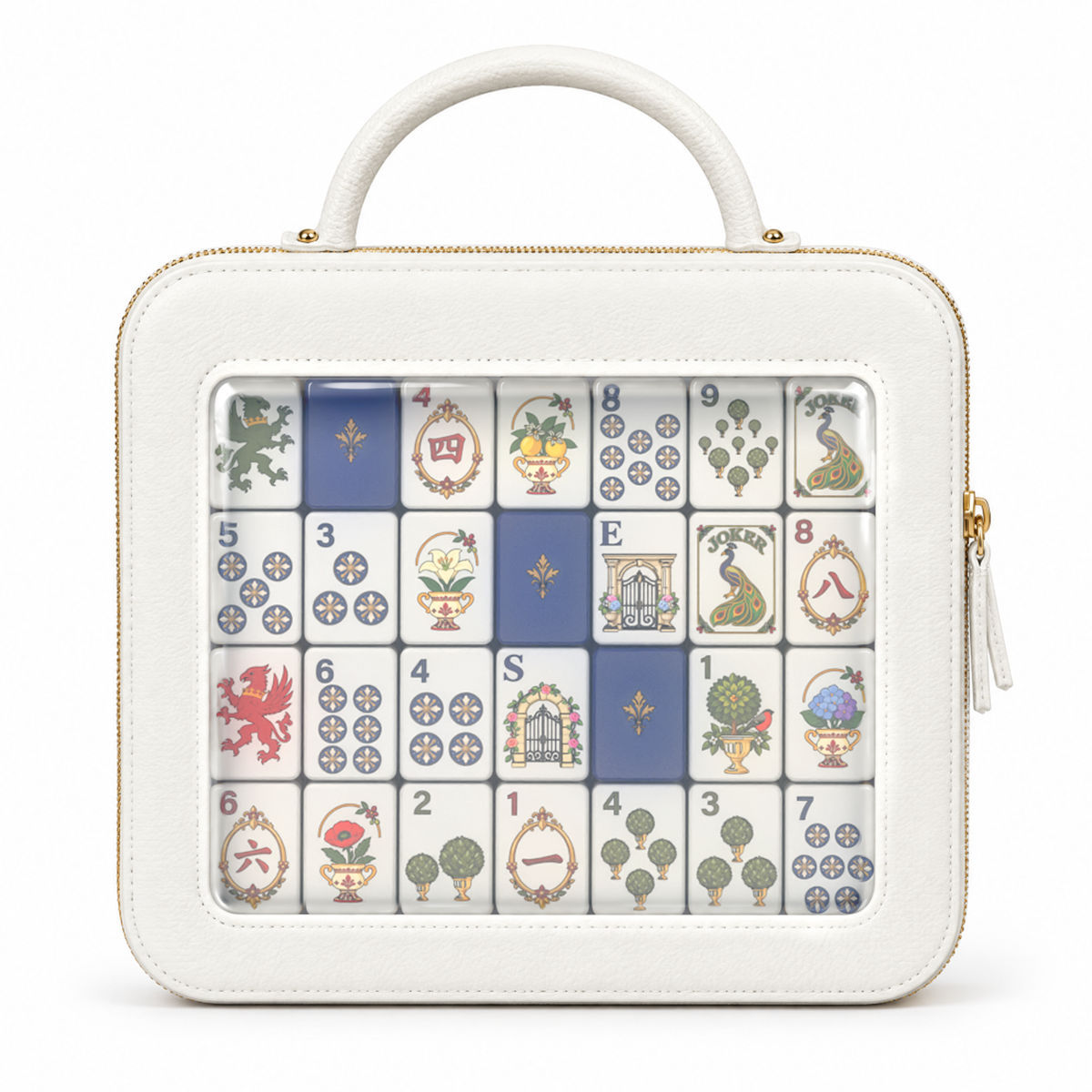
Hangzhou mahjong is a regional Chinese variant from Zhejiang Province that uses 108 tiles—three suits (Bams, Craks, Dots) in copies of four, numbered 1–9 only, with no winds, dragons, flowers, or jokers. Players draw and discard to form melds (pungs, kongs, chows) and complete their hand in roughly 15–20 minutes per round. Scoring is typically simple (hand wins or loss), with bonuses for special patterns like all one suit or all terminals. Unlike American mahjong, Hangzhou has no official yearly card, no Charleston pass, and allows chows (sequences like 1-2-3) to be called and exposed during play. The pace is faster and less formal; groups often play for modest stakes. If you're interested in mahjong variants, exploring American play first—which uses best-selling American mahjong sets—provides a solid foundation before learning regional Chinese rules.
What tiles does Hangzhou mahjong actually use?
Hangzhou mahjong strips the game down to its simplest form: 108 tiles total. Three suits (Bams, Craks, Dots), numbered 1 through 9, with four copies of each tile. No winds, no dragons, no flowers, no jokers. That's it. This lean tile set means faster rounds and fewer hand possibilities to memorize. The 1 Bam typically shows a bird. Because there are no honor tiles, every hand is built from number combinations alone.

How do you win a hand in Hangzhou mahjong?
You win by forming a complete hand of 14 tiles: four melds (each a pung, kong, or chow) plus one pair. A pung is three identical tiles; a kong is four identical; a chow is three tiles in sequence from the same suit (like 3-4-5 Craks). Unlike American mahjong, chows can be called and exposed during play. You draw one tile at the start of your turn and must discard one; the round ends when someone completes their hand legally or all tiles are drawn. Most rounds finish in 15–20 minutes, making Hangzhou play quick and engaging for casual groups.
What's the scoring system like?
Hangzhou scoring is simpler than American or other Chinese variants. A win typically earns a fixed point value—often 1 point or a modest chip value per round. Bonuses apply for special hands: all one suit (all Bams, all Craks, or all Dots) often doubles or triples the win; seven pairs also earns a bonus; all terminals (1s and 9s only) scores high. No winner typically pays all three opponents equally. Some groups play for no stakes at all, keeping score on paper. The speed and simplicity make Hangzhou ideal for newcomers to Chinese mahjong or for fast social play.
How does Hangzhou differ from American mahjong?
Feature | Hangzhou | American |
Tile count | 108 (no honors, flowers, jokers) | 152 (includes winds, dragons, flowers, jokers) |
Suits | 3 (Bams, Craks, Dots 1–9) | 3 (Bams, Craks, Dots 1–9) plus honor tiles |
Chows allowed? | Yes, called and exposed | No—no chows in American play |
Official hand list | None; common patterns vary by region | Yes, National Mah Jongg League card (updated yearly) |
Charleston pass | No | Yes, required before play |
Jokers in hand | None used | 8 jokers used; strict rules on placement |
Typical round length | 15–20 minutes | 25–40 minutes |
Scoring | Simple points + bonuses | Complex; varies by hand type |
Formality | Casual, social, often played for stakes | Structured, competitive, league-sanctioned |
American mahjong requires memorizing the current year's hand card (a printed sheet showing legal hand combinations). Hangzhou play is intuitive: form melds, complete a hand, win. There's no pass phase in Hangzhou; you begin play immediately. American mahjong forbids chows entirely; Hangzhou rewards them. If you've played American mahjong using our guide on American rules, you'll find Hangzhou refreshingly loose—but also less strategic, since the hand possibilities are narrower and bonuses are fewer.
Can you play Hangzhou with an American mahjong set?
Yes—with caveats. An American set includes 152 tiles: the full 108 for Hangzhou, plus winds, dragons, flowers, jokers, and blanks. You'd simply set aside all the honor tiles and jokers and play with only the Bams, Craks, and Dots (108 tiles total). However, this wastes most of your set. If you play Hangzhou regularly, you might prefer a dedicated 108-tile Chinese mahjong set, which is lighter and more portable. An American set does double duty if you switch between variants—useful if your group plays both American and Chinese in the same evening. Explore our best-selling mahjong sets if you're building a collection across multiple variants.

What hand patterns score highest?
Hangzhou rewards hands that feel complete or rare. An all-one-suit hand (all 27 tiles from a single suit) typically doubles the win; some groups triple it. Seven pairs (seven sets of matching tiles) is another high-scoring pattern. All terminals (only 1s and 9s) scores well because the hand is harder to build. A "clean" hand with no jokers or blanks is the baseline. A hand with a bonus pattern often earns 2–3 times the standard win value. Scoring varies by house rules; always agree on bonuses before the first tile is drawn. Because Hangzhou hands complete so quickly, many groups keep play light and focus on speed over point accumulation.
Is Hangzhou mahjong still played today?
Hangzhou mahjong remains popular in its home region and among older players in Zhejiang Province and Shanghai, though it has faded as other regional variants (Sichuan, Fujian, Shanghai standard) have grown. Casual groups in Hangzhou neighborhoods and family game nights still use Hangzhou rules; some online mahjong platforms offer it alongside Riichi and Hong Kong variants. In North America, Hangzhou is less common than American, Riichi, or Hong Kong play, but Chinese community centers and meetups in cities with large Zhejiang diaspora populations sometimes host games. If you're exploring regional variants, our mahjong variants pillar covers how American, Chinese, and Japanese rulesets compare. The simplicity and speed of Hangzhou appeal to newcomers and fast-paced social groups, even if competitive players prefer more complex scoring.
How do you start a Hangzhou game?
Shuffle all 108 tiles face-down. Each player builds a wall of 27 tiles in front of them (roughly 6–7 tiles per row, stacked two high). The dealer (chosen by rolling dice or by agreement) draws first. On your turn, draw one tile from the wall, then discard one tile face-up. Players to your left watch for discards they can claim to complete a meld (call a chow, pung, or kong). If no one claims your discard, the next player draws and plays. Play cycles until someone completes a 14-tile hand (four melds plus one pair) and declares a win, or until the wall empties (a draw). Most rounds finish in 15–20 minutes, making Hangzhou ideal for evening game sessions. Unlike American mahjong, there's no Charleston, no joker placement rules, and no hand card to consult—just tile play and quick decisions.
🀄 Shop best-selling mahjong sets →
What to check before you buy
If you want to play Hangzhou mahjong regularly, ask yourself:
Do you have a 108-tile set or an American set to repurpose? A dedicated 108-tile Chinese set is more portable and faster to set up than removing honor tiles from a full American set each session.
Will your group play multiple variants in the same night? If yes, an American set with all 152 tiles lets you switch between Hangzhou (108 tiles only) and American play without changing sets.
Do you need mahjong racks with pushers for quick tile organization? Fast-paced Hangzhou games benefit from racks that let players quickly display and sort their melds.
Is portability a priority? Hangzhou rounds are short (15–20 minutes), so groups often play multiple rounds in one session. A lightweight 108-tile set in a compact travel bag is ideal for meetups.
🎁 See our most-loved mahjong sets & accessories →
For American players curious about Hangzhou, the simplest entry point is learning the tile setup, the four-meld-plus-pair hand structure, and the allowance for chows. You can use an American set, set aside the honor tiles, and play a few test rounds with house rules adjusted for speed. Many groups post rules on a sheet and review them before the first draw—a good habit for any variant.
✨ Find your Mahstead set — free US shipping →

FAQ
Can I play Hangzhou mahjong with fewer than four players?
Hangzhou traditionally requires exactly four players (one per wall). Two- or three-player variants exist but require rule adjustments (fewer tiles drawn per turn, modified meld sizes). Most casual groups stick to four-player format. If your group is smaller, American mahjong offers official two and three-player rules as an alternative.
How long does a Hangzhou game session typically last?
A single round lasts 15–20 minutes. Most groups play 8–12 rounds in an evening (2–4 hours total), with breaks between rounds. American mahjong rounds are longer (25–40 minutes per hand), making Hangzhou faster for casual play.
What's the difference between Hangzhou and Shanghai mahjong?
Hangzhou uses 108 tiles and simple scoring; Shanghai uses 144 tiles (one suit removed) and more complex bonuses. Both allow chows, but Shanghai has stricter hand-completion rules and higher-scoring patterns. Hangzhou is simpler for beginners.
Do I need a mahjong mat to play Hangzhou?
No, but a mat is helpful. A mahjong mat protects tiles from scratches, dampens noise, and provides a grid for organizing melds. For casual play on a dining table, a mat is optional; for frequent games, it's a practical investment.
Is Hangzhou mahjong played competitively in tournaments?
Rarely outside Zhejiang Province. Most Hangzhou play is casual and social. American mahjong, by contrast, has active tournament circuits and league play. If you want competitive mahjong, American rules are more established in North America.


View More
View More
View More
