
Girls Night Mahjong Tablescape: Host the Perfect Game
Last updated: Nov 23, 2026
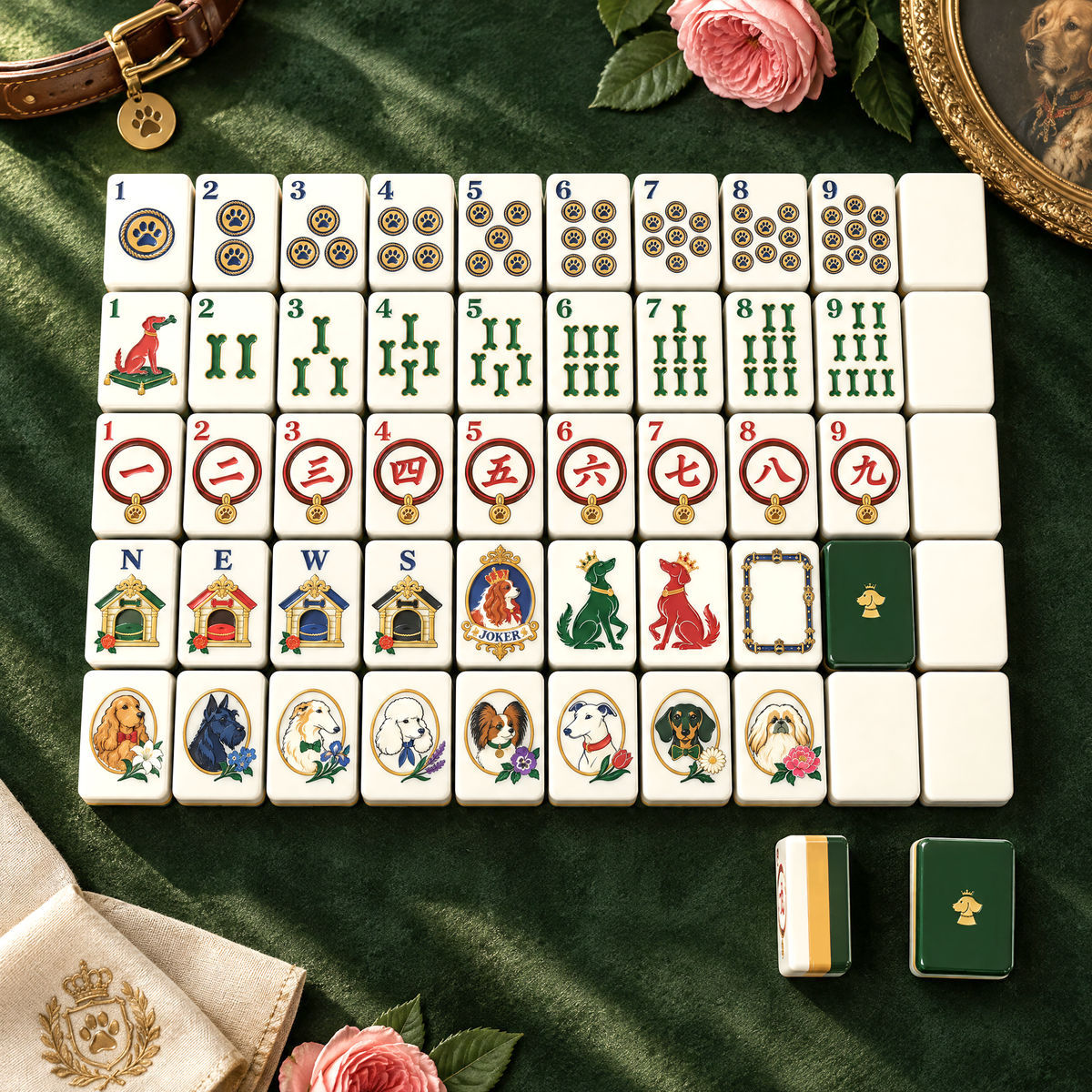
A girls' night mahjong tablescape is the table environment you design around a complete American mahjong set: the 160-tile acrylic set itself, a quality mat to protect the surface and define play space, individual racks to hold and organize each player's tiles, and the lighting, seating, refreshments, and décor that frame the game. A standard four-player game takes 90 minutes to three hours; your setup should accommodate 14–16 inches of space per player, clear sightlines to the wall display, and room for a small snack zone. Start with a best-selling mahjong set in a color or theme that suits your group's personality—engraved sets with inside jokes, seasonal designs, or classic palettes all work—then layer in a matching mat, racks, and a bag for storage and travel. Mahstead acrylic sets ship ready to use, and most groups find that investing in a cohesive look (matching mat, racks, and set finish) elevates the whole experience and reduces setup friction on game night.
What makes a mahjong tablescape feel intentional?
A tablescape isn't just a table—it's a frame for the game and a signal to your players that you've thought about their comfort and joy. The difference between "we're playing mahjong" and "welcome to mahjong night" is intention: a mat that protects the table and anchors the space, racks that let players see their tiles clearly without hunching, good lighting so no one squints, and enough elbow room that four people don't feel cramped. The best tablescapes also balance function with personality—a set in a color your group loves, perhaps with custom engraving, turns the tiles into a conversation piece before the first hand is even drawn.
🀄 Shop best-selling mahjong sets →

How do you choose a mat that ties the whole look together?
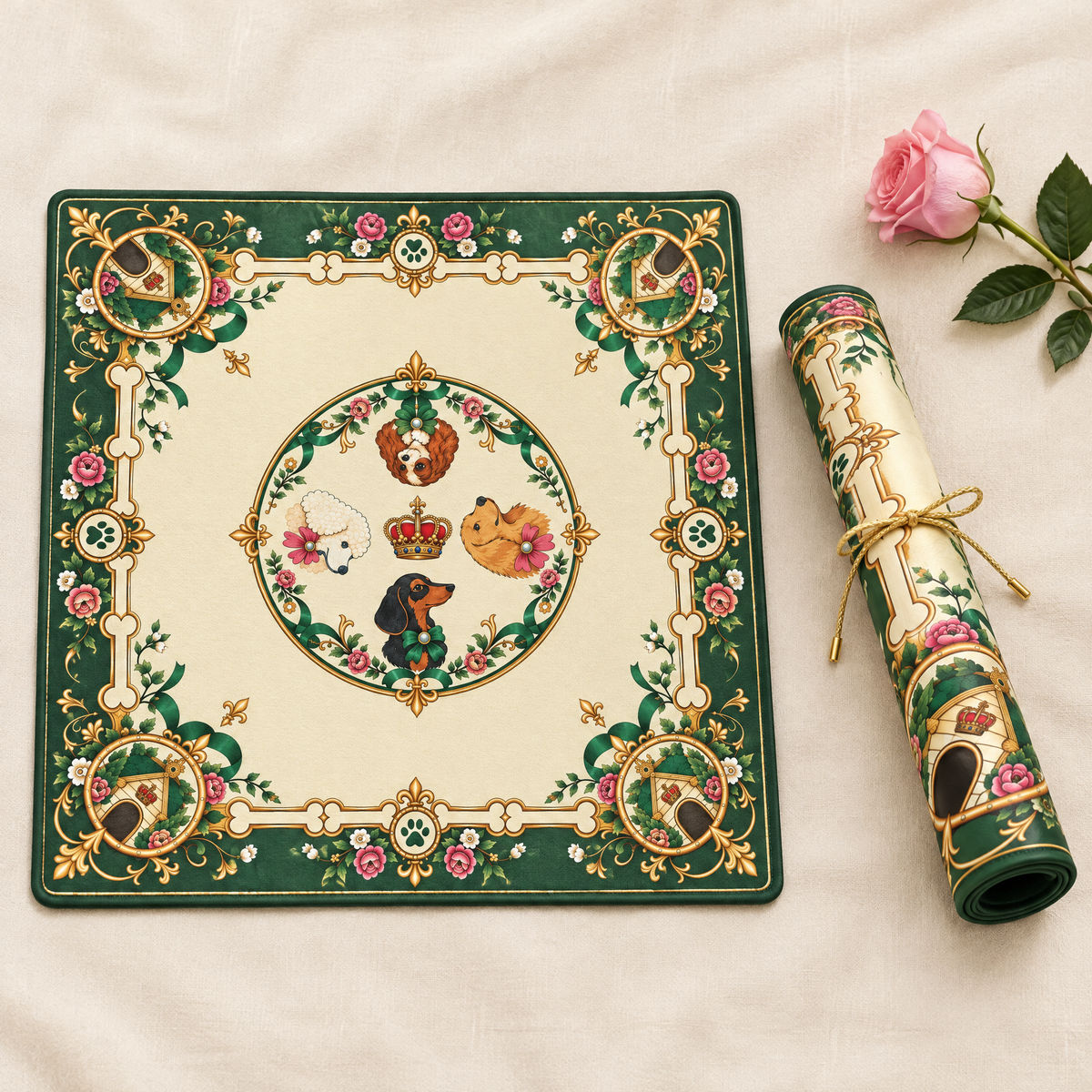
A mat does two jobs: it protects your furniture and visually anchors the tablescape. Size matters—most home games use a mat that covers roughly 30"×30" to 36"×36" so all four players can see the tiles and wall without leaning across the middle. Color and texture are next: a mat in a solid neutral (black, beige, gray) works with any set and any décor; a patterned or jewel-toned mat can echo the theme of your set or room. Many of us pair mahjong mats with acrylic sets because the mat's surface is grippy enough to keep tiles from sliding during play and soft enough to protect acrylic from scratches. Felt or neoprene mats last longer than paper and fold or roll for storage. Check the mat's thickness (typically 1/8" to 1/4") and whether it has measurement guides printed on the edge so you can verify the wall length and dealer position at a glance.
Why do racks and pushers matter to the tablescape aesthetic?
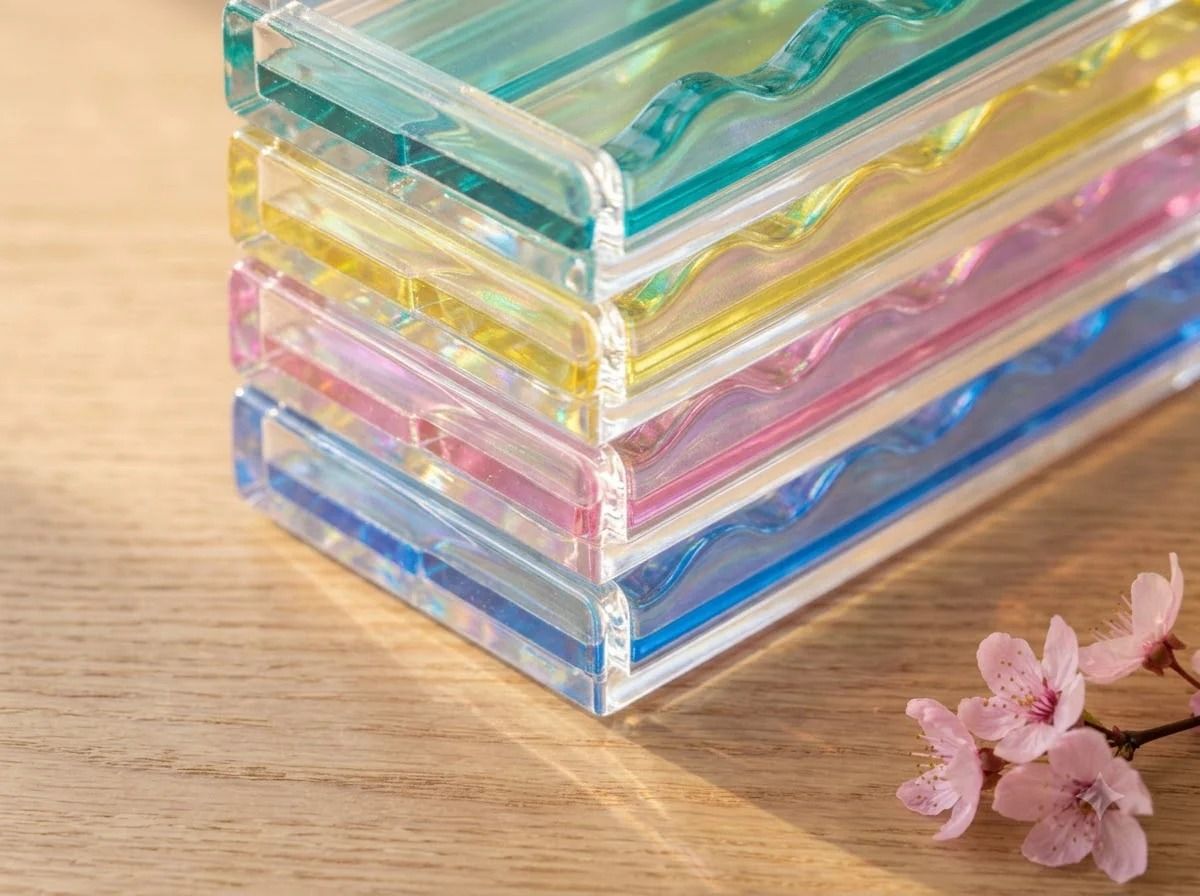
Racks serve a practical purpose—they prop your tiles at a readable angle and keep your hand private—but they also set the tone visually. A tablescape with racks feels organized and intentional; without them, tiles clatter across the mat and players hunch over. Most players prefer racks with pushers—the pusher is a stick that nudges tiles along the rack so you don't have to touch individual tiles with your fingers, speeding up play and keeping hands cleaner. Four matching racks in a color that complements your set (wood tones, acrylic finishes, or painted designs) create visual coherence. They also ensure each player has equal visibility and status, which matters for group dynamics. If your set is bold and colorful, neutral racks let the tiles shine; if your set is classic, a decorative or personalized rack can add flair.
What's the lighting and seating strategy for four hours of play?
Good light prevents eyestrain and makes the game faster and more enjoyable. Overhead ceiling lights work, but overhead alone can create glare on shiny tiles and cast shadows on the mat. We often supplement with a desk lamp or two positioned to the side and slightly behind the play area—aim light at the mat surface, not at players' eyes. Seating should let players sit upright with elbows at table height; dining chairs or cushioned stools beat couches (where you sink) or bar stools (where you perch). Leave 18–24 inches of space between each player's seat and the table edge so they can comfortably reach their racks and slide tiles out to the wall. Consider noise: a mat muffles tile crashes better than a bare table, and racks prevent tiles from sliding across the surface mid-game, reducing distraction.
How do you move from setup to storage without losing the magic?
A good mahjong bag or case protects your entire tablescape setup and makes next week's game a one-grab-and-go experience. Look for a bag that holds the complete set, mat (rolled or folded), all four racks, and pushers in separate compartments so nothing gets scratched or lost. Hard cases offer maximum protection if you're storing near a radiator or damp area; soft bags are lighter and easier to store in a closet. Label the bag or include a checklist inside (set, 8 jokers, mat, 4 racks, 4 pushers, 2 dice) so the host doesn't have to hunt for a missing piece before game night. We've all shown up to a friend's house only to discover the pushers were left behind—a packed bag eliminates that scramble and keeps your tablescape consistent week to week.
Tablescape Checklist: From Bare Table to Game-Ready
Element | Why It Matters | What to Check |
160-tile set | Core gameplay and visual theme | Color, finish (acrylic shine), any custom engraving |
Mat (30"–36") | Protects table, defines space, keeps tiles from sliding | Size, grip texture, thickness, color match to set |
4 racks with pushers | Organizes tiles, speeds play, frames the table | Height, comfort grip, color coordination, all 4 pushers included |
Lighting (side + overhead) | Prevents eyestrain, speeds tile recognition | No glare on tiles, covers whole mat, doesn't cast shadows on players |
Seating (4 chairs) | Comfort during 2–3 hour games | Table-height elbows, 18–24" clearance from table edge |
Snack zone | Keeps attention on tiles, not on spills | Small side table, coasters, no liquids over the play mat |
Storage bag/case | Protects setup, enables repeat play | Compartments for set + mat + racks, easy to grab and go |
What to check before you buy
Set finish: Acrylic sets have a polished, jewel-like look; some are frosted. Both work, but frosted reflects less glare under bright lights if that matters to your space. Mat surface grip: Felt mats grip tiles well but attract dust; neoprene mats wipe clean and grip equally well. Rack compatibility: Standard racks fit all American mahjong sets, but check that your set's tiles fit snugly in the rack slots (acrylic tiles are slightly larger than bone/bamboo, so a mat designed for bamboo may feel loose). Bag weight: If you're the one carrying the setup to a friend's house, a soft bag under 10 pounds beats a hard case that requires two hands. Color coordination: Your mat, racks, and set don't have to match exactly, but they should feel intentional together—test photos on your phone before buying if you're ordering online.
🎁 See our most-loved mahjong sets & accessories →
Sample Tablescape Setups
The Minimalist: Black mat + clear acrylic set + natural wood racks + overhead light. Works with any décor, lets the tiles be the art. Pairs well with a sleek soft case for storage.
The Seasonal Host: Engraved set with a theme (holiday, birthday month, inside joke) + a jewel-toned mat that echoes the tiles + coordinating racks + warm side lighting and cloth napkins. Changes with each season or celebration; storage bag keeps it protected between parties.
The Traveler: Compact mat + lightweight acrylic set + collapsible or nesting racks + a padded travel bag. Fits in a car trunk; bring it to a friend's house or game night hosted elsewhere without fuss.
Why your group will notice the difference
We've hosted mahjong nights at bare tables (tiles slide, glare makes reading hard, racks were forgotten) and at intentional tablescapes (everyone settles in immediately, tiles stay in place, the game starts on time and runs smoothly). The difference isn't about expense—it's about signal. A thoughtful setup says, "I respect your time and your enjoyment." Players sit straighter, pay better attention, and actually want to come back. A tablescape also reduces friction: no hunting for pushers mid-game, no squinting at tiles, no spilled drinks because the mat is a gentle barrier. Over a season of weekly games, an intentional tablescape saves hours of frustration and makes every round feel like the real deal.
✨ Find your Mahstead set — free US shipping →
Related reading
For a deeper dive into the tools that support a great tablescape, see our guides on how to choose a mahjong mat and racks with pushers explained.
FAQ
Can I use a regular tablecloth instead of a mahjong mat?
You can, but a mat is better. Tablecloths wrinkle, bunch under the wall, and don't grip tiles, so they slide during play. A mat lies flat, stays in place, and protects tiles from scratches. See our guide on mat vs. table cover for details.
How much space does a four-player mahjong tablescape actually need?
A 36"×36" mat fits comfortably on a standard dining table or card table. Allow 18–24 inches of clearance on all four sides for players' chairs and elbows. A round table works if the mat fits; a square or rectangular table is easier to manage.
Do the racks have to match the set color?
No. Many players prefer neutral wood or clear racks because they don't compete with the tiles. But if your set is engraved or has a special theme, matching or coordinating racks make the whole setup feel cohesive and intentional.
What if someone in my group has a visual impairment or eyesight sensitivity?
Use a mat with high contrast to the tiles (dark mat with light-colored tiles, or vice versa), position side lighting to reduce glare, and ensure racks are tall enough to bring tiles to eye level without hunching. Large-print NMJL cards and dice with raised pips also help. Discuss needs with your group before game night.
How do I keep the set and mat clean between games?
Wipe acrylic tiles with a soft, dry cloth; a barely damp microfiber cloth works if tiles are sticky. Neoprene mats wipe clean; felt mats can be vacuumed. Store everything in the bag away from sunlight and heat to prevent fading or warping over time.


View More
View More
View More
