
Girls Night Mahjong Party Prizes: Ideas & Hosting Tips
Last updated: Nov 23, 2026
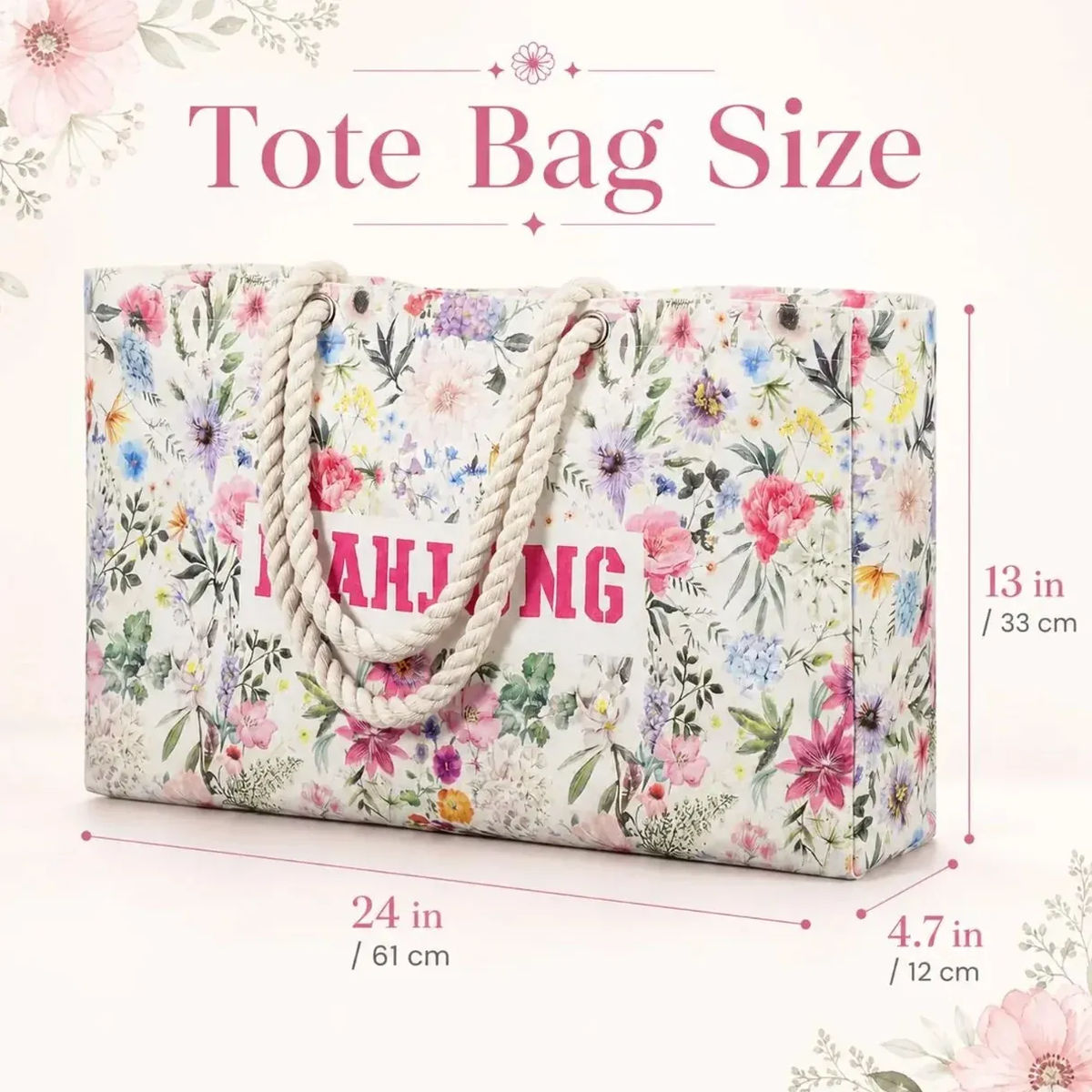
Girls' night mahjong party prizes range from silly gag gifts (tile-themed mugs, funny socks, snack boxes) to keepsake-quality items (custom sets, engraved racks, monogrammed bags). Winners typically receive one prize per hand won or a season-long trophy; losers often get a "joke" prize to keep the mood light. You can spend as little as a few dollars on novelty items or invest in something lasting like an engraved mahjong set that marks the occasion. Smart hosts gather prizes beforehand, wrap them in advance, and tier them by desirability so the night stays fun and drama-free. Mahstead's best-selling mahjong sets include designs perfect for celebration gifts—many players treasure them as keepsakes long after game night.
What kinds of prizes work best for mahjong parties?
The best mahjong night prizes balance fun, practicality, and memory-making. Gag gifts (tile-print scarves, bamboo-themed candles, mahjong-joke books) get laughs; keepsake gifts (engraved sets, custom mats, monogrammed racks) become treasured reminders of the night. Many hosts layer them: hand-win prizes are small and quick, season-end or championship prizes are larger. The key is choosing items tied to mahjong culture or inside jokes your group shares—it shows you know your players.
🀄 Shop best-selling mahjong sets →

How much should you spend on mahjong party prizes?
Prize budgets depend on your group size and game frequency. A casual weekly night might budget modestly per player; a seasonal tournament or milestone celebration justifies higher spend. Many groups use a pool system: each player contributes a small amount before play, and the pooled money buys one or two standout prizes. Others keep it ultra-lean—dollar-store finds, homemade treats, or humorous items printed at home. The magic isn't the price tag; it's that prizes arrived thoughtfully chosen and wrapped with care.
Can you give mahjong sets as prizes?
Absolutely—and it's often the most appreciated gift. An engraved American mahjong set with the winner's name, the date, or a funny team name becomes a cherished piece. Some groups commission a set for the season's top scorer or to commemorate a milestone game (someone's 100th hand, a big win streak). A quality set signals respect and permanence—it says, "Your mahjong prowess matters to us." First-timers or newer players also love receiving a beautiful set as a prize; it encourages them to keep playing.
🎁 See our most-loved mahjong sets & accessories →
What accessories make smart secondary prizes?
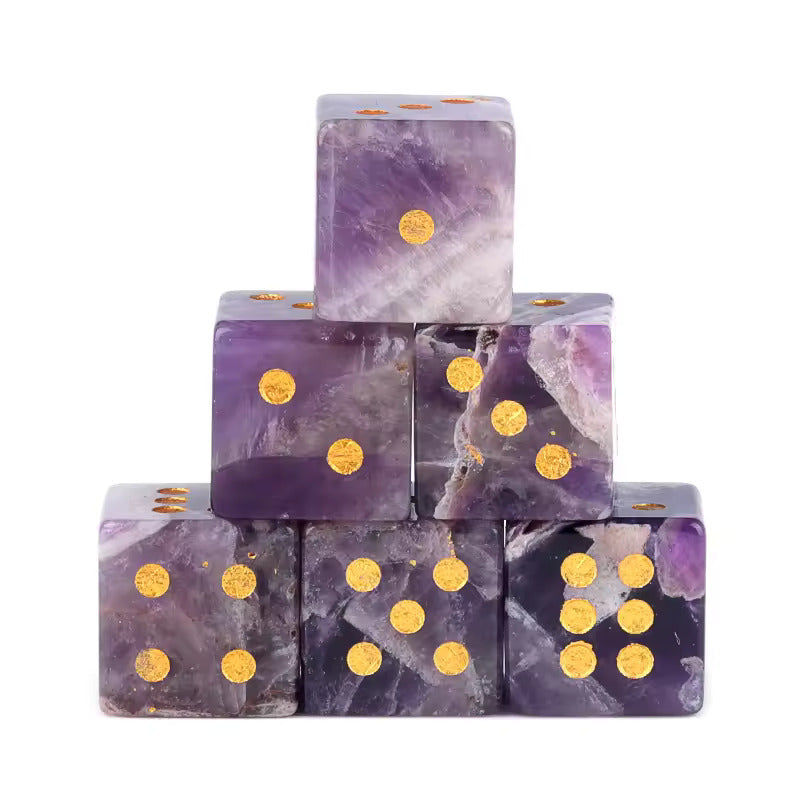
Beyond full sets, mahjong accessories are ideal prizes. A custom-designed mat keeps hands clean and speeds play; racks with pushers reduce hand fatigue and look sleek; a durable travel bag or case protects gear between games. These items are personal—winners use them every time they play and think of your group. Dice sets, tile markers, or a monogrammed scoring notepad also work. Tiering prizes (small wins → small accessories, big wins → full sets or premium gear) keeps everyone engaged throughout the night.
Should you use joke prizes for losing hands?
Yes—joke prizes are a staple of mahjong nights and keep the energy lighthearted. Think tile-themed socks, a funny mahjong book, a bag of her favorite candy, or a playful gag item your group will laugh about. Assign joke prizes to either the most hands lost in a round or drawn randomly to avoid singling anyone out. The tone matters: prizes should be funny, not mean. Make sure every player knows it's all in good fun. Many groups rotate joke prizes between games so the same person doesn't feel stuck with the same gag all season.
Prize Strategy & Planning Checklist
Prize Type | Who Wins | Tone | Works Best For |
Gag/novelty item | Losing hands or random draw | Humorous, light | Every week; keeps morale up |
Accessory (mat, rack, bag) | Hand winners; mid-season scorers | Practical, encouraging | Regular groups; promotes better play |
Engraved set or custom item | Season champion; milestone game | Formal, meaningful | One-time or annual event |
Cash or gift card | Tournament final rounds | Neutral, flexible | Casual groups; no strong preferences |
"Mystery prize" box | Random hand winners | Suspenseful, fun | Big events; high energy |
How do you keep track of prizes fairly?
Establish rules before the night starts. Write them down if playing with new people. Decide: Is each hand win a separate prize, or do you tally wins and award at day's end? Do jokers taken during the Charleston count as a "round win"? What happens if someone wins multiple hands—do they take multiple prizes or sit out for a round? Clear rules prevent resentment and let everyone relax and enjoy the game.
Many groups keep a scoreboard and announce standings at intermission. A simple printable sheet (or a whiteboard) with each player's name, hands won, and prize status keeps things transparent. Some hosts assign "prize keeper"—a rotating role so one person isn't managing the pile all night. Others wrap prizes in numbered bags and draw after each hand, so winners don't see what they're getting until it's revealed.
Real-world hosting tips from weekly players
Theme your prizes to your group. If you're all new parents, give baby-themed or "self-care" items. If it's a milestone celebration, commission an engraved set from Mahstead's mahjong titles collection and make it the headline prize.
Wrap everything in advance. Unwrapping is part of the fun—it adds theatre and pause between hands. Pre-wrapped prizes also prevent accidental peeking or last-minute scrambling.
Keep joke prizes genuinely funny. An inside joke that references something that happened at a past game is gold. Avoid anything that touches on appearance, financial stress, or politics. Aim for punches about mahjong itself (a tile-print towel with "washed-hand" jokes printed on it, for instance).
Mix price points. High-value prizes matter to some; others genuinely prefer gag gifts. Offer variety so everyone leaves happy. A few premium items (a custom set, a luxury mat) alongside a dozen smaller prizes balances investment and excitement.
Plan for ties or draws. If two players tie for most hands won, either they split a prize, each take one of equal value, or play a quick tiebreaker hand. Decide this rule at the start so no one feels blindsided.
Consider charitable prizes. Some groups donate prize money or items to a local food bank or shelter in honor of the night. It builds goodwill and gives the evening deeper meaning.
What to check before you buy mahjong prizes
Is the prize wrapped and ready, or will you need to source packaging? Mahstead ships items in protective boxes; adding gift wrap or tissue takes extra time.
Does the gift work for all skill levels? A beginner might love a set; an expert might already own five. Read the group's dynamics.
Will it last? A quality mahjong set or mat becomes a keepsake. A cheap novelty item might end up in a drawer.
Is personalization clear if ordered? If engraving or custom text is involved, confirm the name, date, or message weeks in advance to avoid rush mistakes.
Do you have a backup? One prize no-show can derail the mood. Keep one extra gag item or small gift on hand.
✨ Find your Mahstead set — free US shipping →

FAQ
Can you use cash or gift cards as mahjong party prizes?
Yes, if your group prefers it. Cash is neutral and lets winners choose; gift cards to restaurants, coffee shops, or bookstores work if you know tastes. Many groups find physical prizes more memorable and fun to unwrap, but cash never offends.
What if someone doesn't want their prize?
Ask beforehand or offer a swap. Some players decline gag items or duplicate sets. Having a "pass" option prevents awkwardness. Consider a raffle draw instead of direct awards—it lets winners select or exchange.
How many prizes do you need for a 4-player game?
For a casual night, 4–6 prizes total (mix of hand-win and end-of-night awards). For a tournament, 1 grand prize, 1–2 runner-up prizes, and 2–4 small gag prizes. Avoid a prize for every single hand unless it's a big event.
Is an engraved mahjong set expensive as a prize?
Engraved sets range in cost depending on design and personalization; see current pricing on product pages. Many groups pool money or host a yearly prize tournament where the winner gets one, making it feel special without straining the budget.
Can you mix new and vintage mahjong sets as prizes?
Absolutely. Vintage sets are conversation starters and often appreciated by collectors. New sets like those from Mahstead offer modern aesthetics and durability. Mixing them adds character and shows you've chosen thoughtfully.
What if your group plays different mahjong variants (American, Chinese, Riichi)?
Stick to prizes that don't assume one variant—accessories (mats, bags, racks) work for all styles. If giving a set, confirm it matches your group's main game. An American mahjong set won't help someone who plays only Riichi, for example.


View More
View More
View More
