
Fujian Mahjong Setup: Rules, Tiles & How to Play
Last updated: Nov 23, 2026
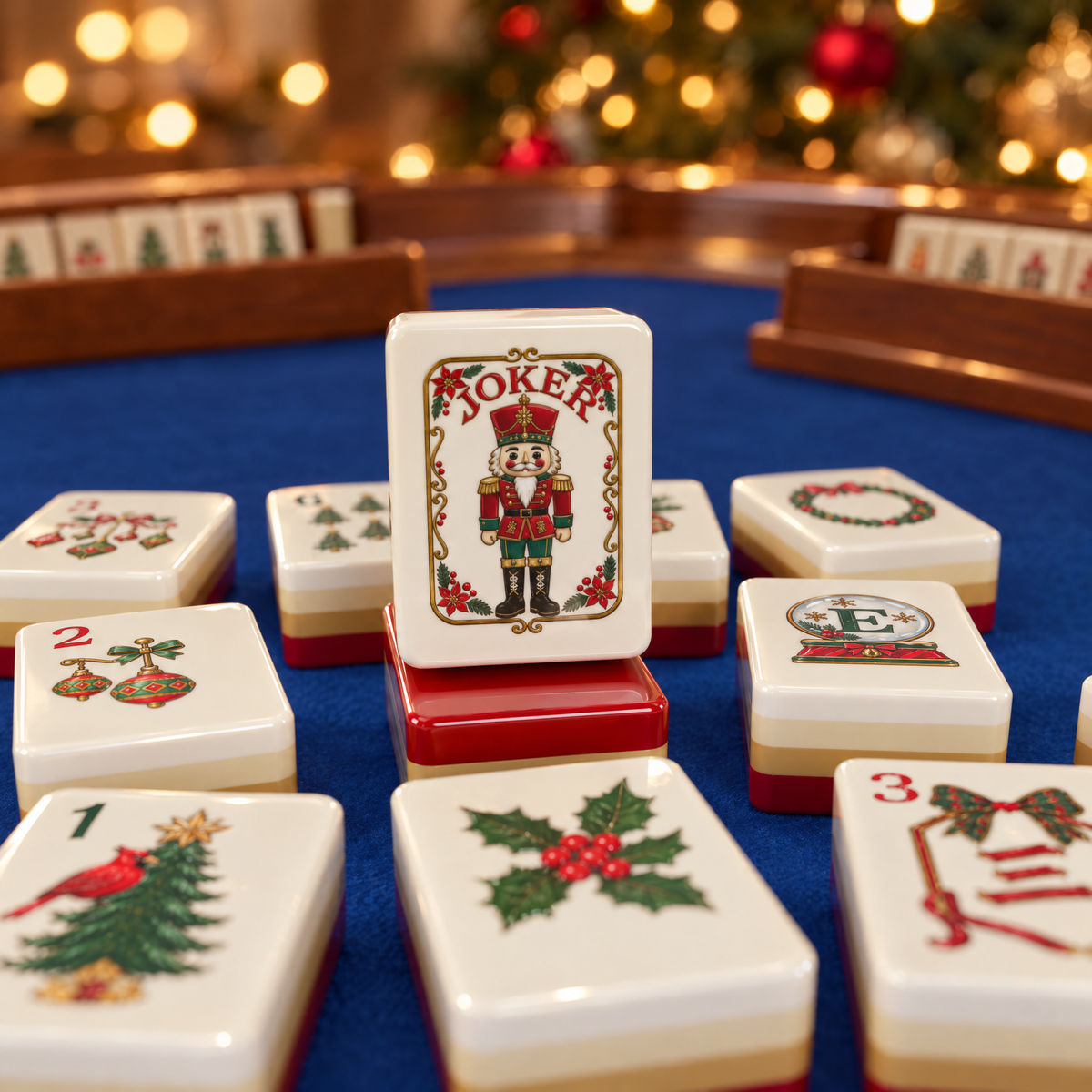
Fujian mahjong is a Chinese regional variant played with 136 standard tiles (Bams, Craks, Dots 1–9, four of each; Winds; Dragons; Flowers) across four players. The game emphasizes speed and live discarding; unlike American mahjong, there are no jokers, no pre-fixed hand patterns, and no "dead wall" system. Players build melds (pungs, kongs, chows) on the table in real time, and winning typically requires fewer tile combinations than other variants. Setup involves a shuffle, a short draw to determine dealer, and rapid tile distribution. Fujian play values quick calculation over memorized patterns. The game is common in southern China's Fujian province and among diaspora communities; house rules vary widely. For casual cross-variant hosting, a versatile 160-tile acrylic set works if you remove jokers and flowers, though authentic Fujian sets are purpose-built and lighter.
Fujian mahjong is a regional Chinese variant that rewards quick thinking and live meld building. Unlike American mahjong's pattern-card system or Hong Kong's fixed hand structures, Fujian play unfolds dynamically: players declare winning combinations as they form them, and the game moves fast. If you've played American mahjong and want to explore a Chinese regional style, or you host games in a mixed community, understanding Fujian setup and rules helps you bridge variants and welcome new players to your table.
What tiles does Fujian mahjong use, and how many?
Fujian mahjong uses 136 tiles: three numbered suits (Bams, Craks, Dots) with numbers 1 through 9, four copies of each (108 tiles); 16 Winds (N, E, W, S—four of each); 12 Dragons (four each of three types); and no Flowers or Jokers in play. The 1 Bam traditionally shows a bird. Tiles are smaller and lighter than American acrylic sets, often made of bamboo or bone. A standard game draws exactly 136 tiles; no jokers are added mid-play. This simpler tile count makes hands more predictable than American variants and speeds decision-making. If you own a best-selling mahjong set designed for American play, you'd need to remove the eight Flowers and all Jokers to approximate Fujian play, though authentic Fujian sets feel and handle differently.

How does the deal and draw work in Fujian mahjong?
In Fujian mahjong, players shuffle and draw one tile each to determine the dealer (highest tile wins); the dealer sits East. Tiles are stacked in a wall of four rows, 34 tiles per side, facing inward. The dealer draws first from the wall (typically the right end, moving left), then play passes counterclockwise. Each player draws one tile per turn; when a player draws a tile that completes a winning hand, they declare "win" immediately and score. No "dead wall" is held back as in Hong Kong variants. The rapid draw-and-discard cycle keeps play brisk; players have only seconds to decide. Dealing is often the dealer's role throughout the game or rotates after each hand depending on regional custom. Beginners should practice the draw sequence a few times before playing to avoid delays.
What melds are allowed, and how do you declare a winning hand?
Fujian mahjong permits three types of melds: pungs (three identical tiles), kongs (four identical), and chows (three consecutive tiles in one suit, e.g., 3–4–5 Bams). Unlike American mahjong, chows can be called and exposed during play. Players draw, discard, and watch the discard pile; if another player's discard completes your pung, kong, or chow, you call it and place it face-up on the table. All melds except the final winning hand are exposed. A winning hand (called "hu" or "win") typically requires a winning combination plus a pair; regional rules vary on whether winning requires all melds to be exposed or if one hidden combination is allowed. Some Fujian groups allow no hidden melds; others permit one. Confirm local rules before the first hand. The speed of play means you must recognize melds instantly and call them aloud before the next discard is made.
How does Fujian mahjong scoring differ from American mahjong?
Fujian mahjong scores based on meld types and tile combinations, not memorized pattern cards as in American play. A basic win (no special combinations) earns a small base payment from each opponent. Bonus points arise from special conditions: all pungs, all kongs, terminal tiles (1 or 9), Dragons, Winds, or melds of the same suit. Most Fujian games use a "points" system where players settle chip or cash stakes per hand; amounts vary by region and house rules. American mahjong uses a rigid hand pattern card, pre-drawn Chows, and joker substitutions; Fujian requires no pattern reference and no jokers at all. Scoring happens in real time, not at a tally sheet. This makes Fujian faster but demands agreement on point values before you sit down. Unlike the National Mah Jongg League card system used in American play, Fujian has no official governing body or standardized scoring rulebook—your group's rules are binding.
What are the key differences between Fujian and American mahjong?
Aspect | Fujian | American |
Tile count | 136 tiles | 152 tiles |
Jokers | None in play | 8 jokers (required) |
Chows (sequences) | Allowed, can be called | Not allowed; no sequences |
Hand patterns | Dynamic, improvised | Fixed, from current-year card |
Exposing melds | During play as called | Pungs, kongs, quints, sextets only |
Scoring | Bonus-based, varies by region | Points + calculation from card |
Game speed | Fast, live declaration | Moderate, pattern-dependent |
Dealer draw | From wall start, counterclockwise | Wall drawn during Charleston/setup |
Fujian play emphasizes improvisation and reaction; American is pattern-driven. If you host both variants, make the rule differences clear at the start and let players choose which version fits the evening's energy and skill level.
🀄 Shop best-selling mahjong sets →

What equipment do you need to host Fujian mahjong?
Authentic Fujian play uses traditional tile sets (bamboo or bone, 136 tiles) and a hard surface or felt mat. If you want to adapt American equipment, you can use an acrylic 160-tile set by removing Flowers and Jokers before each session—this adds setup time but works in a pinch. A mahjong mat designed for American play is larger than needed for Fujian (which typically uses a compact 30×30-inch layout), but it provides a clean, organized surface and protects the table. Mahjong racks with pushers are optional in Fujian play—many players hold tiles in hand—but racks keep the game tidy and help newer players manage a full hand visually. Dice (standard six-sided or acrylic pair) determine the dealer's starting position on the wall. If Fujian becomes a regular in your rotation, invest in a purpose-built Fujian set; they're lighter, faster to handle, and signal respect for the game's tradition.
What should you check before playing Fujian mahjong for the first time?
House rules: Confirm chow rules (are they allowed? can you call them from the discard pile?), whether a winning hand must have all melds exposed or one hidden, and what tile combinations trigger bonus points. Different regions of Fujian province play slightly differently; diaspora groups often add house rules passed down through family. Write these down or record them in a group chat so no one disputes scoring mid-game.
Tile authenticity: If using a borrowed or unfamiliar set, check that all 136 tiles are present and undamaged. Missing a Crak or Dragon mid-game derails the session. Count the suits: 36 Bams, 36 Craks, 36 Dots, plus Winds, Dragons, and Flowers. Jokers should be removed entirely.
Player experience: Fujian mahjong assumes familiarity with basic meld recognition and live-play speed. If any player is new to mahjong, teach American or Hong Kong variants first, or slow the pace and allow longer thinking time on the first hand.
Betting clarification: Agree upfront on per-hand stakes or chip values. Fujian games often involve money; disputes over amounts kill friendships. Make it explicit before shuffling.
🎁 See our most-loved mahjong sets & accessories →
How does Fujian mahjong fit into a mixed-variant game night?
Many players host evenings with rotation—one hour of American, one of Hong Kong, one of Fujian—to keep the group engaged and broaden skills. Fujian is shorter and faster than American (typically 4–6 hands per hour vs. 2–3), so it's ideal as a wind-down or a quick round between longer games. The lack of a pattern card removes setup friction; you can start a Fujian hand within two minutes of the previous one finishing. This makes it popular with groups who value speed or want to maximize hands played in an evening.
The challenge is tile set management: swapping between American (152 tiles + Jokers) and Fujian (136 tiles, no Jokers) requires counting and removing pieces each time. Some groups keep two separate sets on hand. If you play Fujian regularly alongside American mahjong, a dedicated best-selling mahjong set for each variant eliminates confusion and speeds transitions. Engraved sets also make it clear which is which at a glance—useful if you host groups or teach beginners.
What to check before you buy equipment for Fujian mahjong
Set size: Fujian tiles are traditionally smaller and lighter than American acrylic sets. If you adapt an American set, count the exact tiles you need: 136 (remove 8 Flowers and 8 Jokers from a 160-tile set). Mark which tiles to set aside so you don't lose them.
Storage: Fujian sets live in compact boxes; American sets often come in larger bags. If you're switching variants frequently, use a labeled travel bag or case to keep each set separate and protect tiles during transport.
House rules document: Write down your group's scoring, chow, and exposure rules. Share it digitally or print a copy for each player. Revisit and update it annually if new players join.
Practice hand: Before hosting strangers or new players, play one live hand yourself to confirm tile count, scorer clarity, and table layout. This catches missing tiles or rule confusion before money or stakes are on the table.
✨ Find your Mahstead set — free US shipping →

FAQ
Can I use an American mahjong set to play Fujian mahjong?
Yes, with prep. Remove the eight Flowers and eight Jokers from a 160-tile set; you'll have 144 tiles. American sets lack authentic Fujian tile aesthetics and weight, but the tiles themselves work. Count carefully each time to avoid a mid-game shortage.
Do I need to memorize a hand pattern card for Fujian mahjong like I do for American?
No. Fujian hands are improvised and scored live based on meld types and tile combinations. There's no pattern card. This makes the game faster but requires real-time scoring agreement and quick tile recognition.
How long does a typical Fujian mahjong hand take?
5–10 minutes, depending on player experience and betting complexity. American hands usually take 10–15 minutes. Fujian's lack of pattern-card lookup and shorter tile count accelerates play. Very experienced Fujian players may finish a hand in 3 minutes.
Are chows (sequences) allowed in Fujian mahjong?
Yes. Chows (three consecutive tiles in one suit, like 4–5–6 Craks) are a standard meld in Fujian play and can be called from the discard pile. This is a major difference from American mahjong, which has no chows at all.
What's the best way to learn Fujian mahjong if I only know American?
Start by learning the tile differences (no Jokers, no Flowers; 136 tiles total). Practice recognizing chows and hand-completion logic with one experienced player in a low-stakes setting. Play 2–3 test hands before joining a regular group. Ask for written or recorded house rules specific to that group.
Is there an "official" Fujian mahjong rulebook or League card?
No single governing body standardizes Fujian rules the way the National Mah Jongg League does for American mahjong. House rules and regional variations are normal. Always confirm your group's specific rules on scoring, chows, exposure, and melds before sitting down to play.


View More
View More
View More
