
Fundraiser Mahjong Outfit Ideas: Games, Sets & Themes
Last updated: Nov 23, 2026
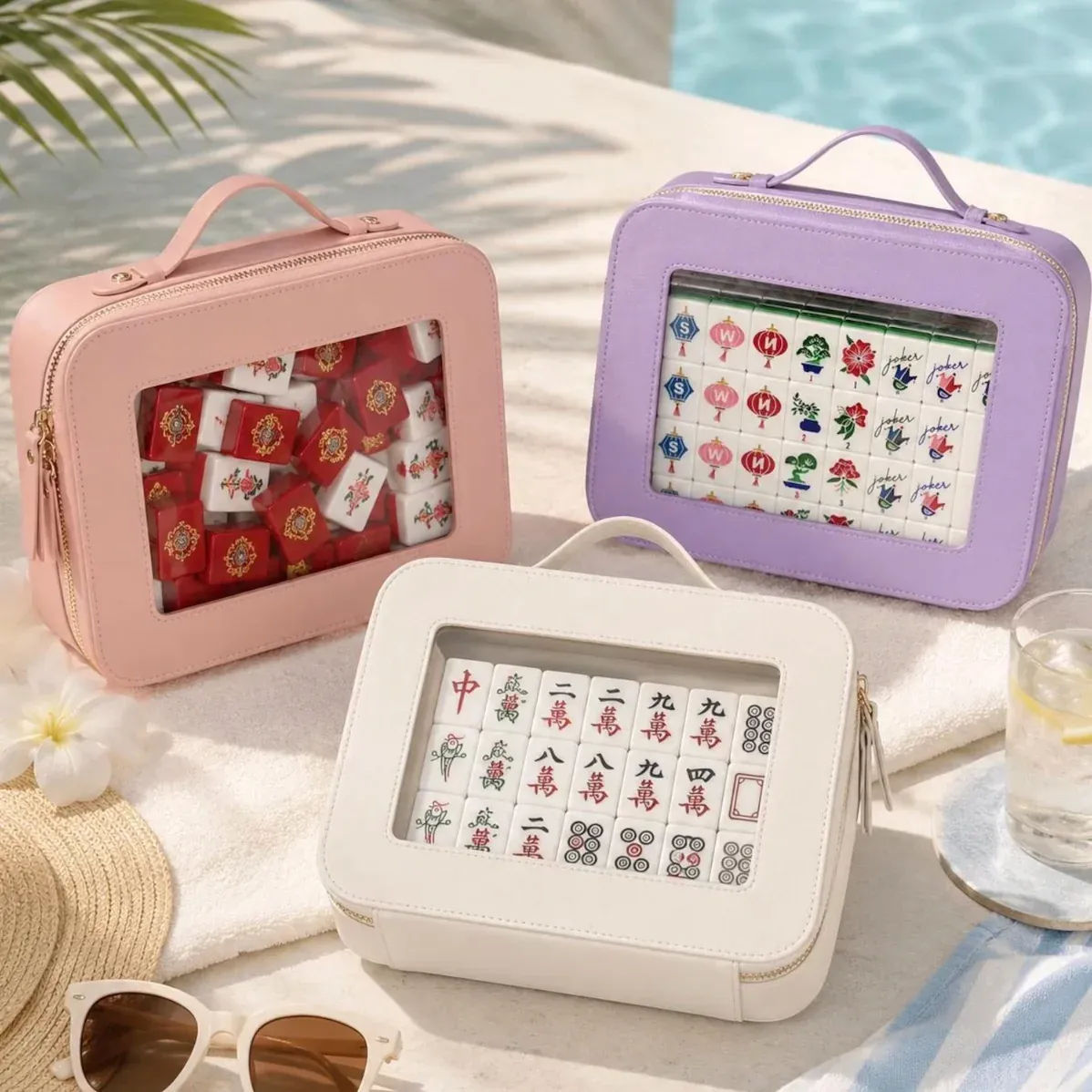
A mahjong fundraiser outfit includes one or more American mahjong sets (152-tile + 8 jokers each), play mats, racks, scorecards, and hosting supplies—all chosen to reflect your organization's brand or cause. Players typically pay entry, donations, or tournament-style fees to participate; set designers at Mahstead create engraved and themed sets that double as conversation starters and merchandise. Plan for 4 to 6 players per table, 2–3 hours per session, and decide whether you'll run casual drop-in play, tournament brackets, or themed table "stations" around your venue. Branded or seasonal sets from our best-selling collection turn passive fundraising into an experience donors remember and repeat—avoid generic borrowed sets that lack personality or break mid-event. Budget for sets (your core anchor), quality mats (comfort matters over 2+ hours), and durable bags if tables move between venues.
A fundraiser centered on mahjong works because the game attracts repeat players, draws curious newcomers, and gives your organization a reason to gather donors in a fun, low-pressure setting. The key is choosing the right set, mat, and layout so players stay comfortable, engaged, and—crucially—feel that their money goes to a cause they believe in.
What makes a mahjong fundraiser outfit different from casual home play?
A home game is intimate; a fundraiser is a brand experience. Your set, mat, and table setup communicate professionalism and care. Branded or cause-themed sets signal that your organization invested thought into the event—not just borrowed a random game. Quality mats protect tiles from venue floors (sticky spills, outdoor dirt, damaged finishes). Racks with pushers reduce tile fumbling and keep play moving, so you fit more games into your event window. Hosting supplies—scorecards printed with your logo, dice caddies, tile racks that stand tall—let players focus on play, not logistics. Home sets can be basic; fundraiser outfits speak.

How many sets, mats, and racks do you need?
Count your expected player capacity and divide by four: a standard American mahjong game requires exactly four players per table. A 40-person fundraiser with two simultaneous tables needs two complete sets, two mats, two rack systems, and two scorecard stations. If players rotate (say, winners advance, losers sit out a round), you might run 3–4 sessions in an evening and reuse the same sets—so two setups cover rotation play. If you want station play (tables stay seated and play continuous rounds), add a third set as a buffer in case tiles jam or a joker goes missing. For larger fundraisers, a rotating tournament format uses fewer sets but requires a bracket display and time management; simpler drop-in play is more forgiving. Each set lasts years if stored dry; buying extra mats ($) and bags ($) is cheaper than scrambling mid-event when one mat tears or gets sticky.
What's the best way to theme your mahjong outfit for your cause?
Theme via set design first. Engraved sets with your organization's logo, a holiday message, or a playful cause-related motif (animals, career paths, cultural heritage) become keepsakes and photo-ops. Players take photos holding branded tiles; donors associate the fun experience with your mission. Engraved American mahjong sets let you print slogans, years, or cause names on the carrying case—instant merchandise. Then layer theme through mats: solid colors that match your brand palette or venue aesthetic keep the visual cohesive. If your fundraiser is seasonal (holiday charity drive, spring festival), Christmas mahjong sets or spring-themed tiles create instant relevance without extra décor. Finally, small touches—table runners, printed rules cards with your logo, refreshments in your brand colors—amplify the theme without overwhelming the game. The set is the hero; everything else frames it.

How do you set up tables so fundraiser play runs smoothly?
Start with a quality mahjong mat as your foundation—it protects tiles, marks player positions clearly, and stops tiles sliding on wobbly venue tables. Pair each mat with a rack system with pushers: raised racks keep tiles visible and organized, pushers let players discard quickly, and the whole setup signals "we know what we're doing." Place a scorecard and pen at each player's position; consider laminated cards you can reuse (erase scores between rounds). Set a timer where all four players can see it—many fundraiser hosts use a phone on silent, vibrating at 15-minute and 5-minute marks so play stays on schedule. If your venue is loud, a visual timer on a tablet or portable display works better. Position a travel bag or storage caddy just off-table so staff can quickly swap in a fresh set if tiles get lost or scattered. Assign one staff member per 2–3 tables to float and answer rules questions; have a printed copy of simplified American mahjong rules at each table so experienced players can self-referee and rookies don't feel lost.
What's a realistic cost framework for a fundraiser mahjong outfit by scale?
Event Size | Tables | Sets Needed | Core Outfit Cost Basis | Why This Works |
Small (8–16 players, 1 event) | 2 | 2 complete sets | 2 sets + 2 mats + 1 bag | One backup set, reusable mat cushions fit most venues |
Medium (20–40 players, multi-round) | 4–5 | 2–3 sets | 3 sets + 3 mats + 2 bags + racks | Rotation play; one set rests while others play |
Large (50+ players, all-day) | 8+ | 4 sets + extra tiles | 4 sets + 4 mats + 4 bags + 4 rack systems | Continuous play; tile replacement spares matter |
Engraved sets (branded, keepsake-quality) cost more than plain tiles but generate photo content, media interest, and repeat attendance—offset against ticket revenue. Pre-owned or loaner sets from community centers save upfront cost but risk mid-game breakage and feel generic to donors. For a one-time fundraiser with 20–30 players, two high-quality best-selling sets and matching mats create a professional, branded experience without overextending budget. If your organization plans annual fundraisers, invest in four sets and a carrying infrastructure—your cost per event drops year two.
How do you attract and keep fundraiser players engaged?
Announce theme and difficulty level upfront. Label tables "Beginner" (simplified rules, experienced volunteer dealer) and "Experienced" (full rules, self-dealing). New players join the beginner table without fear; repeat players cluster at experienced tables and see familiar faces, building community. Offer small, silly prizes (branded socks, a donated gift card) for "most laughs," "best tile shuffle," or "lucky loser"—recognize fun, not just winners. Rotate new volunteers as dealers so people don't feel stuck; keep sessions to 45–60 minutes so a player can drop in, play one or two rounds, and leave satisfied. Pair gameplay with food, a silent auction, or a speaker who frames your cause during a natural break. Make the mahjong the draw, not a side activity—it's where people bond and stay engaged.
What to check before you buy:
Tile count: Standard American mahjong uses exactly 152 tiles + 8 jokers. A 160-tile set includes spares; never mix tiles from different sets (tone, thickness mismatch ruins play).
Carrying case durability: Fundraiser sets travel between venues. Check that cases have reinforced handles and latches that don't pop open mid-transport.
Mat dimensions: Measure your venue tables (most standard tables are 36"–42" diameter). A mat that hangs over creates trip hazards; one that's too small leaves no edge for players' hands. See mat selection guidance.
Rack height: Some racks are adjustable; confirm they work for seated play with your table height. Too tall, and players can't see opponents' tiles; too short, and tiles stack awkwardly.
Joker count: American mahjong requires exactly 8 jokers in play. Sets with extra jokers or damaged jokers slow down the game.
Storage: If you store sets for months between events, keep them in a dry climate. Humidity warps tiles; heat cracks acrylic.
🀄 Shop best-selling mahjong sets →

FAQ
Can we use one set for 8 players in a round-robin format?
Yes. Rotate players every 45–60 minutes; the same set plays continuous rounds. You'll need extra racks or a holding area for waiting players. One set stretches to cover roughly 12–16 players over a 3-hour event if turnover is smooth.
What if players are beginners—do we need special "teaching" sets?
No. Use the same set for all players. Provide simplified rules cards at beginner tables, assign a knowledgeable volunteer dealer, and play with a "no penalty" rule for the first 10 minutes so newcomers learn without pressure. All standard American mahjong sets work equally well for teaching.
Should we engrave our organization's name on the set or the case?
Both strengthen the brand. Engraved tiles on a case and a custom logo on the case exterior turn the set into merchandise that donors take home and remember. It's a small cost adder that pays off in event photos and word-of-mouth.
How do we prevent tiles from going missing during a multi-table fundraiser?
Assign a staff member to a "tile station" where used tiles are checked back in after each session. Keep the set in a locked bag between rounds. Use quality bags with secure closures so tiles don't spill during transport. Count tiles at setup and breakdown; a missing tile ruins the next game.
Is a mat necessary, or can players play on a bare table?
A mat is essential for fundraisers. It protects tiles from sticky/rough table surfaces, defines the play area clearly, cushions tile noise (important in shared venues), and looks professional. Bare tables often have no edge, so tiles slide off or stack unevenly. A quality mat ($) is worth every cent over multiple events.
What's the difference between a mahjong mat and a table cover?
A mat is thick, padded, and sized to fit the play area; a table cover is thin fabric that drapes the whole table. For mahjong, use a mat—it provides the cushioning and defined boundaries players need. See mat vs. table cover comparison for details. --- 🎁 See our most-loved mahjong sets & accessories →


View More
View More
View More
