
Mahjong Mat vs Tablecloth: Which Is Best for Your Game
Last updated: Nov 23, 2026
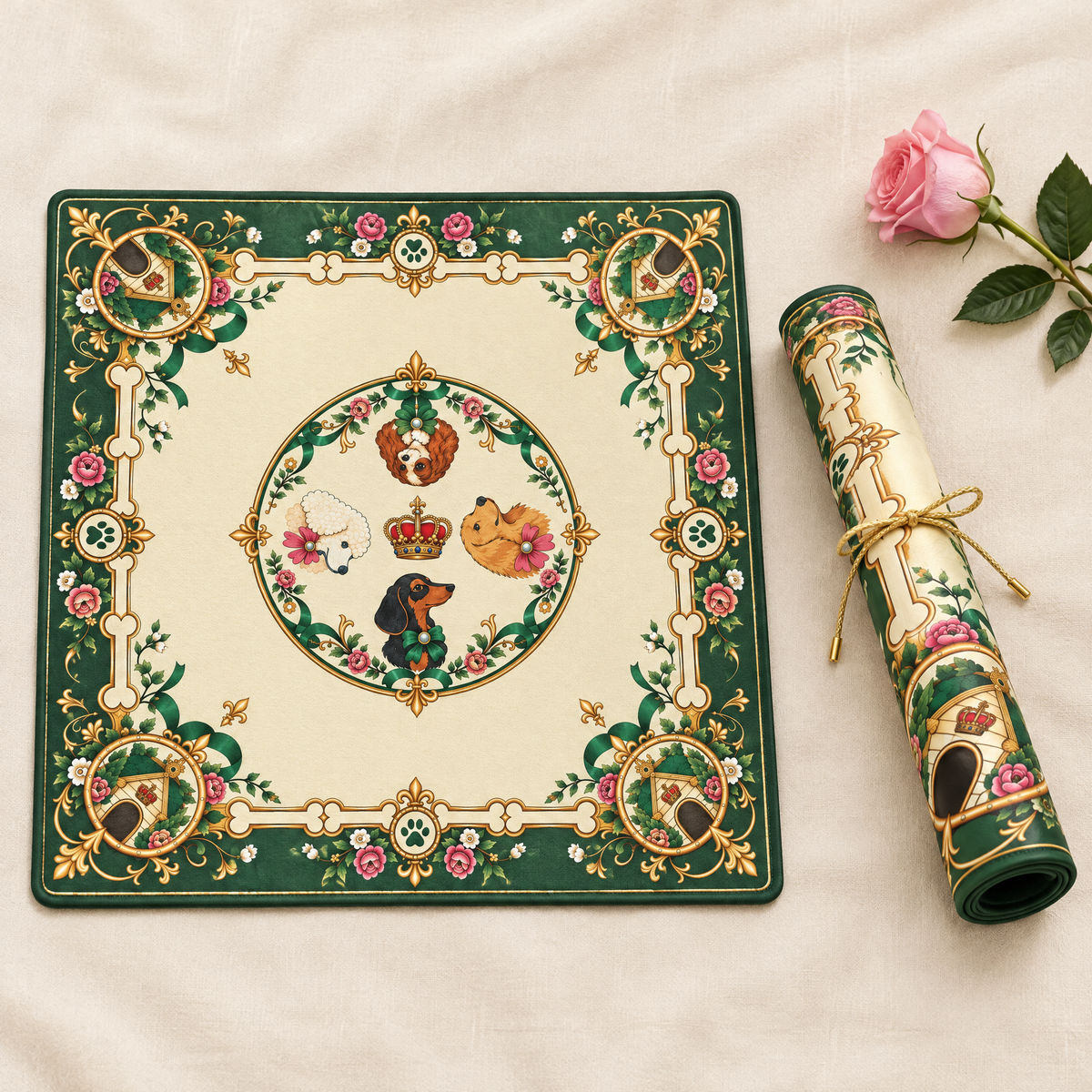
A mahjong mat is a dedicated playing surface, usually 36–40 inches square with raised edges or a quilted structure that holds tiles in place; a tablecloth is a draped fabric layer placed over an existing table. Mats cost more upfront but last longer, resist spills better, and need no table underneath; tablecloths are cheaper, portable, and work on any flat surface but show wear faster and can shift during play. If you host weekly games or need the tiles to stay put during draws, a mat is the standard choice. Tablecloths suit casual, occasional play or travelers with limited space. Mahstead's mahjong mats come in acrylic or felt with engraved layouts, while accessories like racks with pushers pair well with either surface. 🀄 Shop best-selling mahjong sets →
What's the actual difference in how they hold tiles?
A mahjong mat has a firm, textured surface—often quilted or embossed—that creates friction, so tiles don't slide when you draw or shuffle. Tablecloths are loose fabric, typically cotton or synthetic blend, that can bunch or slip as you move tiles across them. During a fast draw or when someone bumps the table, mat tiles stay stable; tablecloth tiles may scatter or require constant repositioning. For serious weekly play, this matters. A mat is built for repeated use; a tablecloth works for casual games where a few scattered tiles aren't the end of the world.
Which one lasts longer under real weekly use?
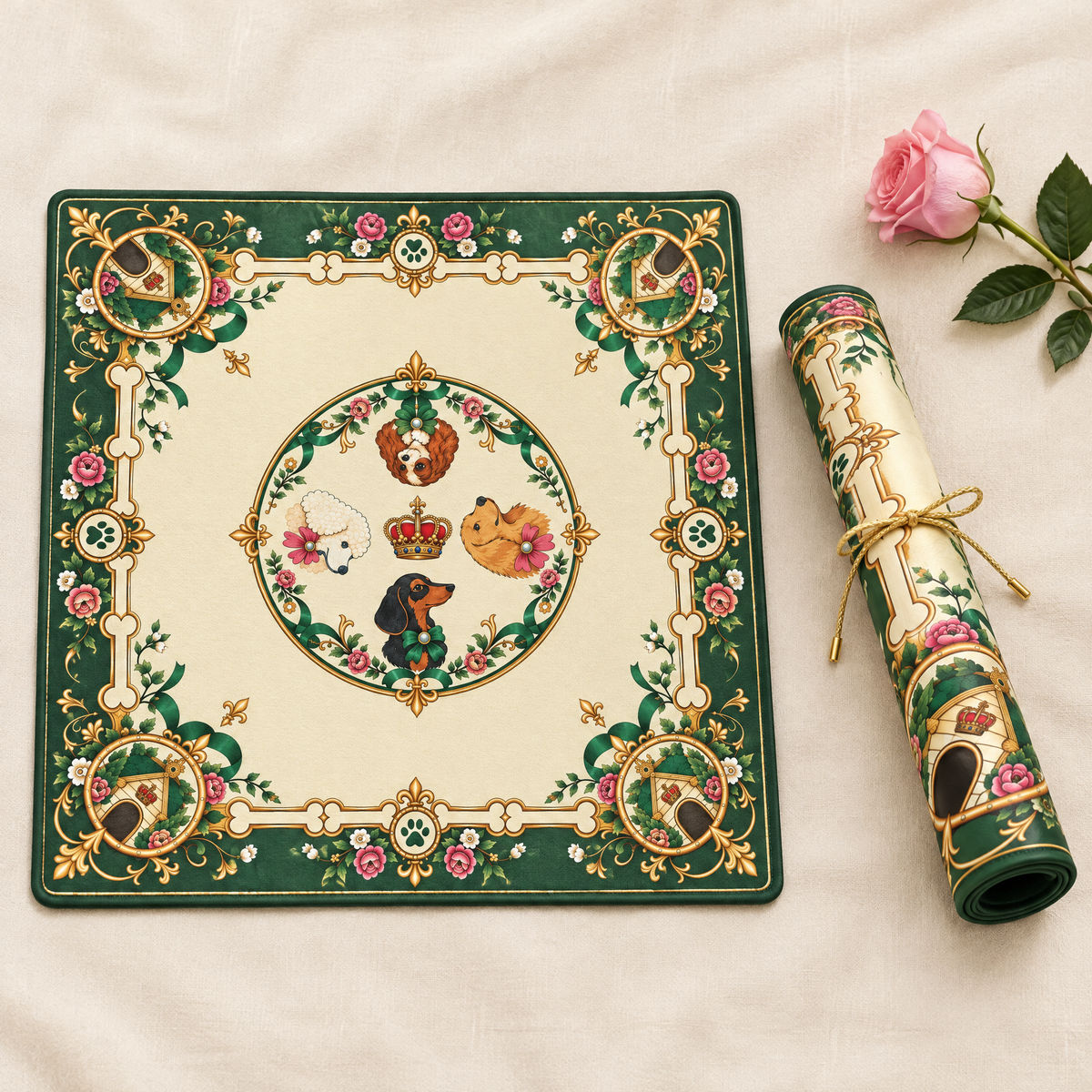
Mats hold up to 100+ game sessions before showing visible wear if cared for. They resist staining, are easy to wipe clean, and don't fray. Tablecloths show fraying at edges, fade faster, and often need replacement every 1–2 years with regular play, especially if your group spills coffee or eats snacks over the tiles. A mat is a long-term investment; a tablecloth is consumable. If you play every week, a mat pays for itself in durability alone within a year or two.
How much setup and storage do you need?
Aspect | Mat | Tablecloth |
Setup time | 2–3 min (unfold, smooth) | 1–2 min (drape over table) |
Table required | No (stands alone or on any surface) | Yes (draped over existing table) |
Packed size | 36–40″ square, rolls or folds | 2–3″ thick bundle |
Storage footprint | Needs a closet shelf or bag | Fits in a drawer easily |
Portability (to a friend's house) | Requires a mat bag or case | Easy in a tote or suitcase |
Mats need dedicated storage; if you're short on space, a tablecloth wins. But if you host at your own table every week, a mat's setup time is negligible, and you're done fussing. Tablecloths fold into almost nothing, ideal for travelers or players who rotate venues.
🎁 See our most-loved mahjong sets & accessories →
What does the layout on a mat actually do for you?
Many mats include an engraved or printed layout showing wind positions, flower placement, and discard zones. This is pure convenience—no fumbling to remember "East sits here" or "flower goes there." A tablecloth is blank, so you place tiles anywhere and rely on memory or verbal reminders. Beginners and mixed groups love a mat's built-in guide. Experienced players often prefer a mat for consistency, especially when hosting new players. A blank tablecloth lets you play anywhere with no setup, but you lose that visual anchor.
Spills, stains, and real-world accidents—which handles them better?
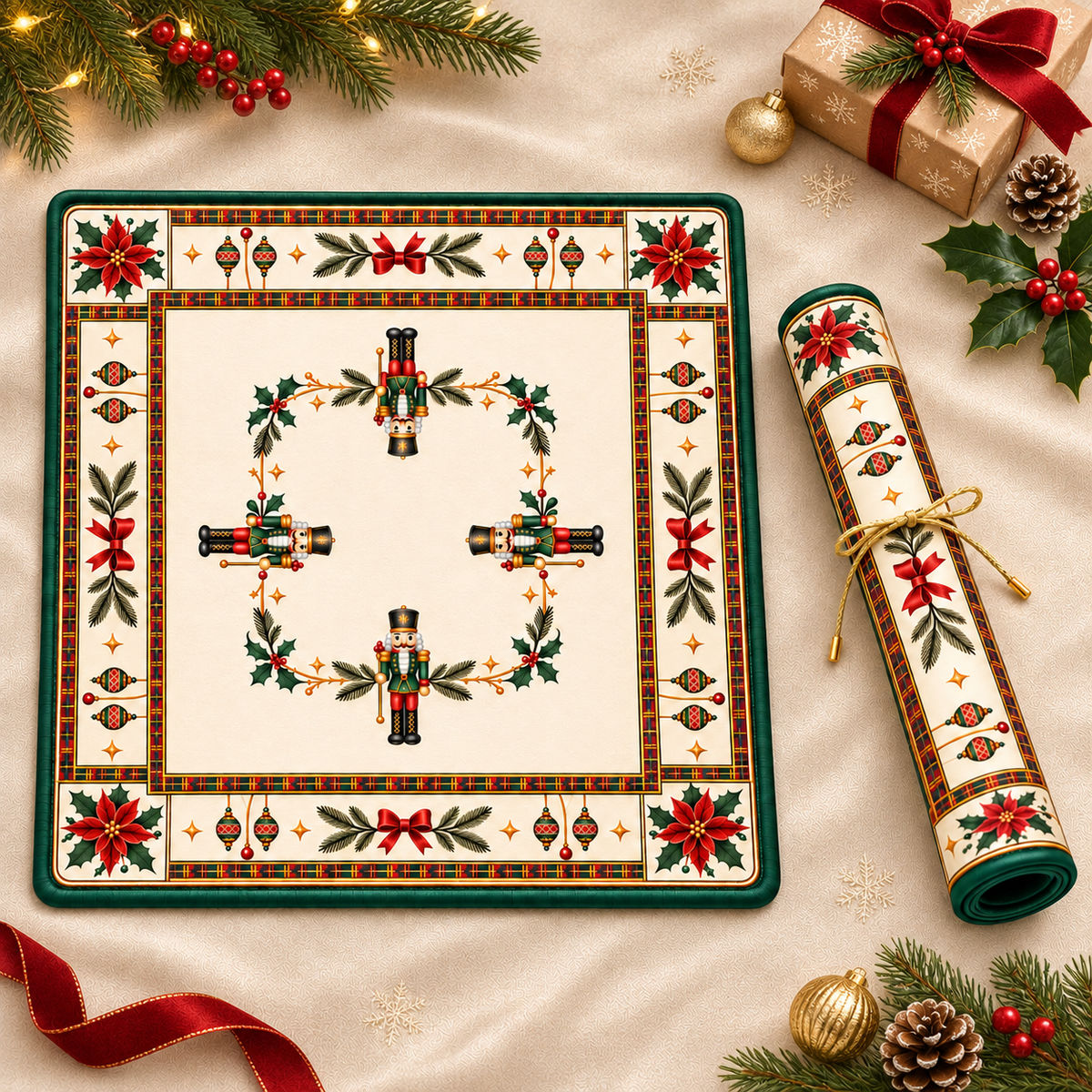
A quality mat resists spills and stains. Wine or coffee sits on the surface until you wipe it clean with a damp cloth. Tablecloths absorb liquids, stain permanently, and can transfer moisture to your table or tiles. If your group drinks while playing (common at many tables), a mat is a practical no-brainer. A tablecloth requires careful eating and drinking habits—or an extra tablecloth on standby. We've seen tablecloths ruined in a single session after a wine glass tips; mats simply get a quick wipe and are ready for next week.
✨ Find your Mahstead set — free US shipping →
What to check before you buy
Size: Measure your table or the floor space where you'll play. A mat typically ranges 36–40 inches square—ideal for four players seated around a table edge. If your table is smaller or you're playing on a folding card table, verify the mat fits with at least 2 inches of overhang on each side so tiles don't fall off.
Material: Mats come in acrylic (washable, durable, slightly stiffer) or felt (softer, warmer to the touch, requires gentler cleaning). Tablecloths are cotton or polyester blends. Test the texture in person if possible—how it feels under your hand matters over dozens of games.
Edge binding: Check whether a mat has reinforced or folded edges. Loose edges fray quickly; bound edges last years. Tablecloths should have finished hems to resist fraying.
Engraved vs. blank: Decide if you want a printed layout (helps teaching and consistency) or prefer a blank surface (more versatile, cleaner look). An engraved mat from Mahstead's collection includes tile placement guides; a blank tablecloth gives you total freedom.
Budget: Mats are the higher initial cost, tablecloths are lower. But mats cost less per year of use over time.
Where to use it: If you rotate between two homes or take it to clubs, a mat bag or case (included with many mats) is essential. A tablecloth fits anywhere without gear.
Mat vs. tablecloth: who each is for
Choose a mat if:
You host the same game weekly at your table.
Your group includes new players or rotating attendees.
You want a surface that lasts 3+ years.
Spills happen or food is around the tiles.
You prefer a consistent, professional look.
Grip and stability matter during fast play.
Choose a tablecloth if:
You play rarely or casually.
Your group is experienced and doesn't need a layout guide.
You travel frequently between venues.
Storage space is tight.
Your table is already beautiful and you just want a protective layer.
Budget is the main driver.
Most serious players own both: a mat for their own table, a tablecloth for traveling to someone else's house. Racks with pushers pair well with mats, keeping hand tiles organized and off the playing surface. A blank tablecloth works with any setup.
The real decision: frequency and care
The simple rule: if you play weekly, invest in a mat. If you play monthly or less, a tablecloth makes sense. A mat signals "this is serious," keeps your tiles in place, and becomes invisible—you stop thinking about it after the first game. A tablecloth is always a layer between you and the real playing surface, and you'll notice it slipping or fraying within a year. We've found that even players who started with tablecloths upgraded to mats after one season of consistent games. They're worth it.
FAQ
Do I need a special table for a mat?
No. A mat works on any flat surface—dining table, folding card table, even a concrete floor. Unlike a tablecloth, it doesn't drape or require an existing table.
Can I use a mat outdoors?
Briefly, yes—on a patio or picnic table. But extended sun fades engraved designs and can warp acrylic mats. A tablecloth is slightly more weather-tolerant, though both are best indoors.
How do I clean a mat after a messy game?
Wipe the surface with a damp cloth and mild soap, then air-dry. Don't soak it or use harsh chemicals. A tablecloth can be spot-cleaned or machine-washed, but repeated washing weakens seams.
Will a mat make tiles harder to draw?
No. A mat's texture actually helps tiles grip, making draws smoother. A tablecloth can be slippery when new, though it improves with use.
What size mat do I need for four players?
A 36–40 inch square mat seats four comfortably around a standard dining table. Measure your table first; if it's smaller than 4 feet on a side, verify the mat fits before ordering.
Can I use both a mat and a tablecloth together?
Yes—place the mat on top of the tablecloth for extra protection and cushioning. Some players do this, though it's usually unnecessary unless your table is uneven or you want extra grip.
Do mats come with carrying bags?
Many do, though it depends on your purchase. Check the product details. Tablecloths don't usually need cases because they fold into almost nothing.


View More
View More
View More
