
Finding Mahjong Teachers in Pennsylvania: A Player's Guide
Last updated: Nov 23, 2026
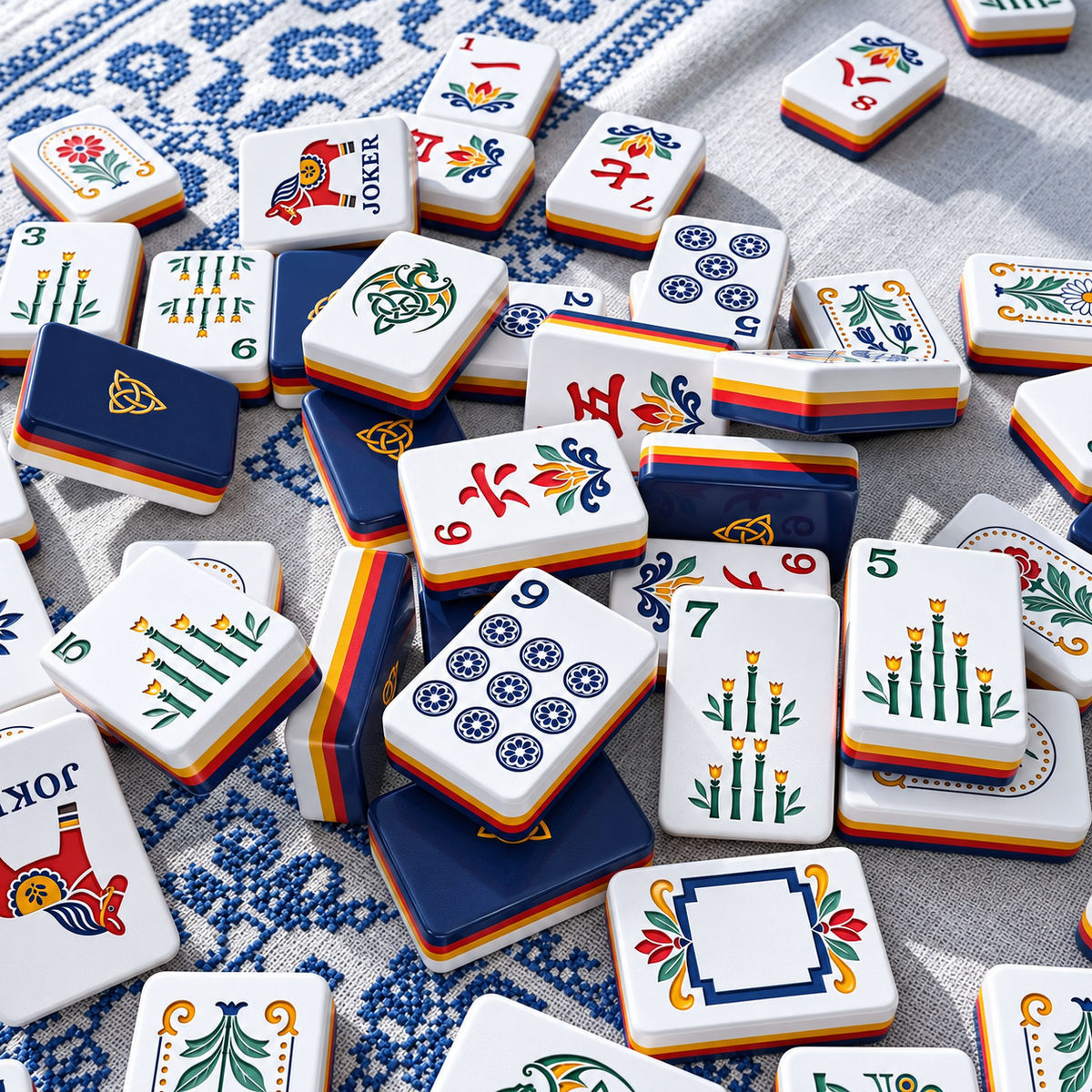
Finding a mahjong teacher in Pennsylvania depends on your location and learning style. Start by checking community centers, public libraries, and synagogues in your area—many host weekly games or maintain instructor lists. Search online for "mahjong group" or "mahjong club" plus your city name, or ask at local country clubs and senior centers. The National Mah Jongg League publishes a directory of affiliated clubs and events; their website helps locate active groups near you. Most teachers charge hourly rates or ask for a donation to cover materials. Expect 4–8 weeks of regular practice to learn American mahjong basics. Beginner lessons typically cover tile recognition, the Charleston, hand reading from the NMJL card, and fundamental rules. Bring a notebook; many instructors loan demo sets. Avoid teachers who skip the official NMJL card—that's the rulebook for American play. Mahstead's best-selling mahjong sets are ideal for learners because they use standard tile size and clear markings.
Where Do Pennsylvania Mahjong Teachers Typically Teach?
Pennsylvania's mahjong community centers in cities like Philadelphia and Pittsburgh, at synagogues (which have traditionally hosted the game), libraries offering adult programming, and organized clubs that meet weekly. Many instructors operate informally—asking friends at your workplace or checking bulletin boards at coffee shops can surface a neighbor who plays. Country clubs and senior living communities often host regular games with experienced players willing to mentor. The NMJL website and Meetup.com occasionally list active groups by zip code. Start local; word-of-mouth is your fastest route to a real player who teaches.

What Should You Ask a Potential Teacher?
Ask whether they teach American mahjong (not Chinese or Hong Kong variants), if they use the current year's NMJL card, how long lessons run, whether you learn in a group or one-on-one, and what's included. Request references or ask about their own playing history. Find out if they loan sets for practice or expect you to bring one. Clarify the cost upfront—some charge per session, others ask for a block fee or monthly commitment. A serious teacher will answer every question and explain their teaching order (tile names, the Charleston, hand recognition, scoring). Red flags: vague answers, unwillingness to show you the official card, or promises you'll be tournament-ready in two weeks.
🀄 Shop best-selling mahjong sets →
What Does a Typical First Lesson Cover?
A good first lesson introduces the 152 tiles, their names and suits (Bams, Craks, Dots, winds, dragons, flowers, and jokers), and basic terminology—pung, kong, quint, sextet, exposure, and concealed hand. You'll learn why American mahjong has no chows (sequences that can be called) and how jokers function. The teacher should explain the Charleston (the tile-passing ritual before each game) and walk you through reading a simplified hand from the NMJL card. Expect hands-on tile sorting; you'll shuffle, practice calling, and start recognizing patterns. Most teachers avoid scoring on day one—that comes week two or three. A 90-minute lesson typically covers tile names and one full Charleston demo.
How Long Does It Take to Become a Competent Player?
Most adult learners grasp the basics in 4–8 weeks of consistent weekly play. "Competent" means you can recognize a hand on the card, execute a legal call, and follow a full game without constant rule checks. Tournament-level speed and strategy take 6–12 months of regular table time. The bottleneck is usually hand recognition—memorizing where to find patterns on the card—not tile names or scoring. Practice between lessons is crucial; play with a study partner or replay hands solo. Using a mahjong mat during practice helps organize tiles visually and speeds up tile-grouping habits you'll need at the table.
Stage | Timeframe | What You Can Do | Practice Setup |
Beginner | Weeks 1–4 | Name tiles, execute Charleston, find basic hands on card | Weekly lesson + 1–2 casual games |
Intermediate | Weeks 5–12 | Spot hands quickly, understand suit combos, play full games | Weekly games with peers + card study |
Competent | Months 4–6+ | Play without rule interruptions, adapt strategy, join club games | Club games, monthly tournaments |
🎁 See our most-loved mahjong sets & accessories →
How Do You Practice Between Lessons?
Build a home practice habit: meet a study partner for 30–45 minutes weekly to play casual games using the current NMJL card. Shuffle and deal a sample hand; practice calling one exposable combination per hand before moving on. Review tile recognition by laying out all 152 tiles and naming them aloud. Use online flashcards or apps (many free tools exist) to drill tile names and dragon/wind associations. Replay hands from your lessons on paper—write down which tiles you held and which hand on the card they matched. If you have a mahjong rack with pushers, use it; racks train your hand angles and tile-reading speed in ways loose tiles don't. Record lessons (with your teacher's permission) and re-watch the Charleston segment; the passing rhythm is muscle memory, not mental.

What Equipment Should You Bring or Own?
Bring a pen and notebook to every lesson—jot down hand patterns, rule exceptions, and any questions that come up. A set of your own (or one your teacher lends) is helpful for solo practice; avoid playing with chipped or unclear tiles, which confuse beginners. A mat or cloth surface keeps tiles organized and prevents spilling. Many learners find a travel bag useful after 4–6 weeks when they start attending club games—sets need protection in transit. Dice are standard (every game needs them); better sets include quality dice. Mahstead's engraved American mahjong sets are durable and come with everything you need except a mat or bag, which are sold separately. For the first lesson, ask your teacher what to bring; most provide a demo set.
✨ Find your Mahstead set — free US shipping →
What Should You Check Before Committing to a Teacher?
Ask whether the teacher uses the current year's NMJL card—American mahjong rules and hands change annually, and outdated teaching is a waste of time. Confirm they teach the American variant (not Chinese or Hong Kong mahjong, which have completely different rules and tile counts). Request a trial lesson or audit a game before paying for a course. Verify they're patient with questions and willing to repeat explanations. Check whether the lesson pace suits you—some teachers move fast, others slow. Find out if they can accommodate your schedule or offer makeup sessions. A teacher who plays in local tournaments or club games is usually more credible than one who teaches only. Trust your instinct: if you leave confused or talked-down-to, find someone else. Pennsylvania has enough mahjong activity that you can afford to be choosy.
How Does Learning Mahjong Differ from Learning It from a Book or Video?
A teacher provides live correction: they catch bad Charleston habits, show you why you're misreading the card, and slow down for questions. Videos and books can't adapt to your confusion in real time. A teacher also introduces you to the player community immediately—you'll get names of other groups, tournament schedules, and social invitations that books don't offer. That social scaffolding keeps beginners motivated past the frustrating week-three slump. However, books and videos are excellent supplements; use them to drill tile names and hand patterns between lessons. The ideal approach: take 6–8 structured lessons, then play weekly in a group and refer to videos or guides on reading the mahjong card as needed.
Is There a Specific Region in Pennsylvania with More Active Teachers?
Philadelphia and Pittsburgh have the largest organized mahjong communities, with clubs, regular tournaments, and multiple instructors. Suburban areas around those cities have strong secondary groups. Smaller towns and rural areas have fewer formal teachers, but Facebook groups for mahjong often identify players willing to mentor in a group setting. The NMJL's events calendar shows sanctioned tournaments and club meetings by state; that's your best source for finding activity near you. If you're in a low-activity area, consider traveling to a club game once monthly to accelerate learning and stay motivated.
To deepen your foundation, review how to play American mahjong and what's in an American mahjong set before your first lesson—you'll ask sharper questions and waste less time on basics. Once you've completed lessons and feel ready for your first home game, ensure you have quality equipment: compare mahjong sets by design and build to find one that will last through years of weekly play.

FAQ
Can I learn mahjong entirely from a book or app without a teacher?
Unlikely. The Charleston, hand-matching speed, and table etiquette are easier to learn live. Most self-taught players get stuck around week three when hand recognition gets complex. A teacher prevents that plateau.
How much do mahjong lessons typically cost?
Costs vary widely—hourly private lessons range from $30–$80, while group lessons or club donations average $5–$20 per session. Ask your teacher upfront and confirm what's included.
What if I can't find a teacher in my area?
Check the NMJL website for the nearest club group and ask if anyone teaches remotely or runs monthly workshops. Online lessons have become more common post-2020; some instructors teach via video call.
Do I need my own mahjong set before lessons start?
No. Most teachers loan sets. However, buying your own within 4–6 weeks helps; you'll practice more if it's available at home.
Should I learn American mahjong or Chinese mahjong?
American mahjong is more beginner-friendly if you live in Pennsylvania—the community is larger, and the NMJL card is standardized. Chinese mahjong has different tiles, hand composition, and no written reference, making it harder for beginners self-teaching. Stick with American unless you have a specific reason to switch.
How do I know if a teacher is qualified?
Ask if they play in NMJL tournaments, how long they've played, and whether they can explain why certain hands are illegal. A qualified teacher knows the current year's card, plays regularly, and can answer rules questions without hedging.


View More
View More
View More
