
Mahjong Playing for Pairs: Mistakes to Avoid
Last updated: Nov 23, 2026
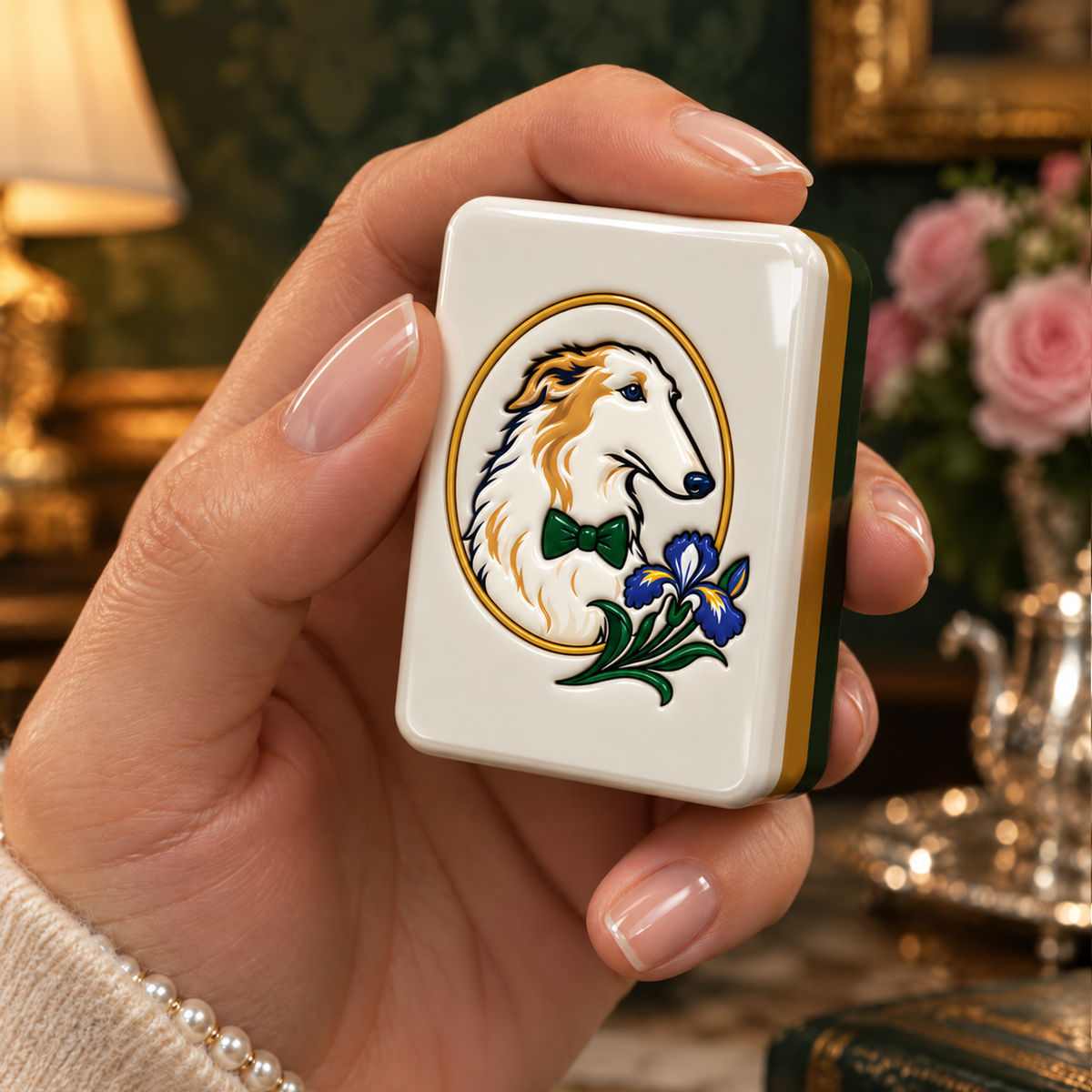
Pairs in American mahjong make six recurring errors: misreading the National Mah Jongg League card during the Charleston, exposing the wrong pung or kong at the table, chasing too many hands at once, miscounting jokers, forgetting that jokers cannot anchor a single tile or a pair, and signaling discard choices to a partner (which is illegal in tournament play and unsporting in friendly games). The most costly? Burning a strong hand by discarding a tile your partner just called for exposure. To avoid this, learn how jokers work—they substitute only in exposed melds, never in your concealed hand—and review the current year's card layout before the game starts. Pairs who study the card structure and respect silence at the table win more often and enjoy the rhythm of play instead of scrambling to catch up.
Why do pairs lose tiles to each other during the Charleston?
The Charleston is a tile-passing ritual where players exchange tiles in three rounds before hands are dealt; many pairs bungle it by passing cards they think the other will want, not realizing each player must pass independently based on what they see in their own 14 tiles. The rule is simple: you pass to your right in Round One, left in Round Two, and across in Round Three—without negotiating beforehand. Pairs who talk during the Charleston or pass deliberately weak tiles to "help" their partner often end up discarding those very tiles later and regret it. The fix: understand the Charleston fully before you sit down, pass based on your own hand's needs, and trust that strong play—not coordination—wins hands.

How do partners accidentally burn each other's exposures?
One partner exposes a pung (three identical tiles), and the other immediately discards the fourth tile to the discard wall, thinking the exposure is complete. But that's wrong: in American mahjong, a pung stays live. If a partner calls for the fourth tile, it becomes a kong (four identical tiles), and the player who discards it just handed an advantage to an opponent or prevented a winning claim. Another trap: exposing a meld with a joker, then later realizing the joker could have anchored a single tile in hand instead—wasting flexibility. Pairs need to agree silently on which melds to expose and which to hold back, and never expose a meld just because you can. The best pairs hold their exposures until they know which hand they're building, not the moment they draw a third matching tile.
What does "chasing too many hands at once" really cost a pair?
In American mahjong, the current year's card shows dozens of hand patterns—pong patterns, kong patterns, sequences of Winds, flowers, dragons, and number combos. Novice pairs try to play six or seven patterns at once, discarding tiles randomly in hopes that one hand will click. This scatters your draws and makes you unpredictable to opponents, who then hold safer tiles. Meanwhile, your partner doesn't know which hand you're building, so they can't protect you with their discard or warn you before you trash a critical tile. Strong pairs commit to one or two patterns maximum and signal that choice by the tiles they keep and discard—not by talking, but by consistency. You discard Winds early if you're not building a Wind hand; you hold Dots if Dots are your suit. Your partner learns your rhythm and adjusts their own hand accordingly. This focus wins more hands in fewer rounds.
🀄 Shop best-selling mahjong sets →
Why do pairs miscalculate jokers and lose suddenly?
A pair holds four Craks in hand and sees one joker on the table already claimed by an opponent. They think they can still build a five-Crak pung (three Craks + two jokers). But in American mahjong, a joker cannot anchor a pair—it can only substitute in an exposed pung, kong, quint, or sextet. That hand is impossible. More broadly, pairs often lose track of how many jokers are left in the wall or already exposed. At the start of the game, 8 jokers enter play out of the standard 152-tile set. If your pair sees two jokers in an opponent's exposure and two more in the discard wall, only four remain hidden—a number that matters if you're betting on drawing one to complete your hand. Keep a quiet count: watch every exposed joker and update your odds. The pair that knows joker scarcity wins the races.
How does silent signaling destroy a pair's game?
Illegal signaling looks like a player hesitating before discarding, or tapping the rack, or touching tiles in a specific order—tiny cues meant to tell their partner what hand they're building. In tournament play, this earns a penalty or disqualification. In friendly games, it's considered poor sportsmanship and breaks trust. More importantly, it costs the pair the strategic richness of the game: your partner can't read your true hand, so they make weaker decisions and often discard directly into an opponent's win. The best pairs play in silence and communicate through pure tile logic—the tiles you keep, the tiles you throw, the speed of your play. If you always hold 1–3 Bams when you're building a Bam hand and always flush them fast when you're not, your partner learns your language and acts on it. This silent partnership is the core skill that separates winning pairs from rest.

What's the difference between "watching the card" and "memorizing the card"?
Watching the card means glancing at the current year's patterns during the game; memorizing the card means studying it before you arrive. Pairs that watch on the fly are slow, miss opportunities, and second-guess themselves. Pairs that memorize the main patterns—and the position of each pattern on the card—snap into hands fast, spot conflicts early, and adjust without hesitation. You don't need to memorize every hand, but you should know: Which hands use all Dots? Which hands require a Flower? Which hands use Winds in sets of two vs. three? Which hands trap a Soap (White Dragon) that also serves as zero? Spend 15 minutes with the card before each gaming session. Your pair will move at tournament tempo and stay ahead of the discard wall.
Common Pair Mistakes Comparison Table
Mistake | What Happens | How to Spot It | Fix |
Signaling during Charleston | Partner passes wrong tiles; hand falls apart | One player hesitates or arranges tiles oddly | Each player passes based on their own 14 tiles—no eye contact, no delays |
Exposing too eagerly | Opponent reads your hand; you're forced to chase | Meld appears before you've drawn 10+ tiles in | Hold exposures until your hand is clear (usually after a few discards) |
Losing track of jokers | You build a hand that needs an impossible joker anchor | You forget how many jokers are visible or left | Count visible jokers aloud to yourself; update count after each exposure |
Chasing multiple hands | Discards scatter; partner can't predict your needs | You keep Bams and Craks and Winds equally | Commit to one suit and one pattern; fold the rest early |
Burning partner's exposure | Fourth tile goes to discard wall or opponent takes it | You discard the matching tile right after partner exposes three | Never discard a tile that matches a recent partner exposure unless forced |
Talking about hands at the table | Illegal in tournaments; bad sportsmanship in friendly play | Phrases like "I'm building Winds" or "Hold your Dots" | Play in silence; let tile choices speak |
🎁 See our most-loved mahjong sets & accessories →
What to Check Before You Play
Before your pair sits down for a game:
Study the current year's National Mah Jongg League card (available online and often included with new sets from best-selling mahjong sets collections) at least 10 minutes before play.
Verify all 152 tiles and 8 jokers are in the set. Count once before the game; don't count during play.
Set up on a quality mat or table cover so tiles don't slip and confuse your counts. Many pairs lose games because tiles move mid-draw.
Agree on silent signals beforehand—or agree to no signals at all in tournament mode.
Rehearse the Charleston once without real stakes so both players know the passing order and timing.
Keep a notepad for joker counts and hand tracking if you're new to the game.
Why Equipment Matters for Pairs
A pair's focus should be on tiles and strategy, not managing a broken set or fighting a slippery mat. Poor equipment causes distractions: a mat that bunches up makes tile counting unreliable; tiles that stick together slow down draws; racks without pushers make exposure clumsy. Invest in a complete, well-made set and a mat designed for American mahjong before your first high-stakes game. The right gear removes friction and lets you focus on the game itself.
✨ Find your Mahstead set — free US shipping →

FAQ
Can I talk to my partner during the game to tell them what hand I'm building?
No. In tournament American mahjong, any communication about your hand—words, gestures, or signals—is illegal and draws penalties. In friendly games, it's poor form and undermines the strategic depth of play. Let your tile choices and discard pattern speak for you.
My pair always discards the tile I just exposed. How do we stop burning each other?
Before each exposure, pause for one second so your partner registers what you've claimed. Better: develop a rhythm where you expose melds only after you've committed to a hand pattern; your partner will learn which tiles are "safe" to discard.
How many tiles should I keep in my hand if I'm not sure which hand to build?
Hold no more than 7–8 distinct tiles in concealed hand while you explore. Discard everything else quickly. Once you've drawn 10+ tiles and seen the wall, commit to one pattern. Splitting focus between two hands at once is the biggest early-game error pairs make.
Do jokers count as tiles toward the 152-tile count?
Yes. American mahjong uses exactly 152 playing tiles plus 8 jokers; the jokers are part of the full count. A standard set contains all 160 tiles needed to play one complete game.
Why does my pair keep exposing a pung when we should hold it for a kong?
Habit and impatience. Train yourselves to hold any three-tile meld in concealed hand until you see if a fourth is coming. Only expose when you're sure you won't need the flexibility—usually late in the game when you're close to winning.
Can we use hand signals in friendly play or is it always banned?
Even in friendly games, silent play is the standard and most rewarding. Signaling turns American mahjong into a guessing game instead of a skill game. The joy comes from reading your partner through pure tile logic—that's where the craft lives.


View More
View More
View More
