
Finding Mahjong Teachers in California: A Player's Guide
Last updated: Nov 23, 2026
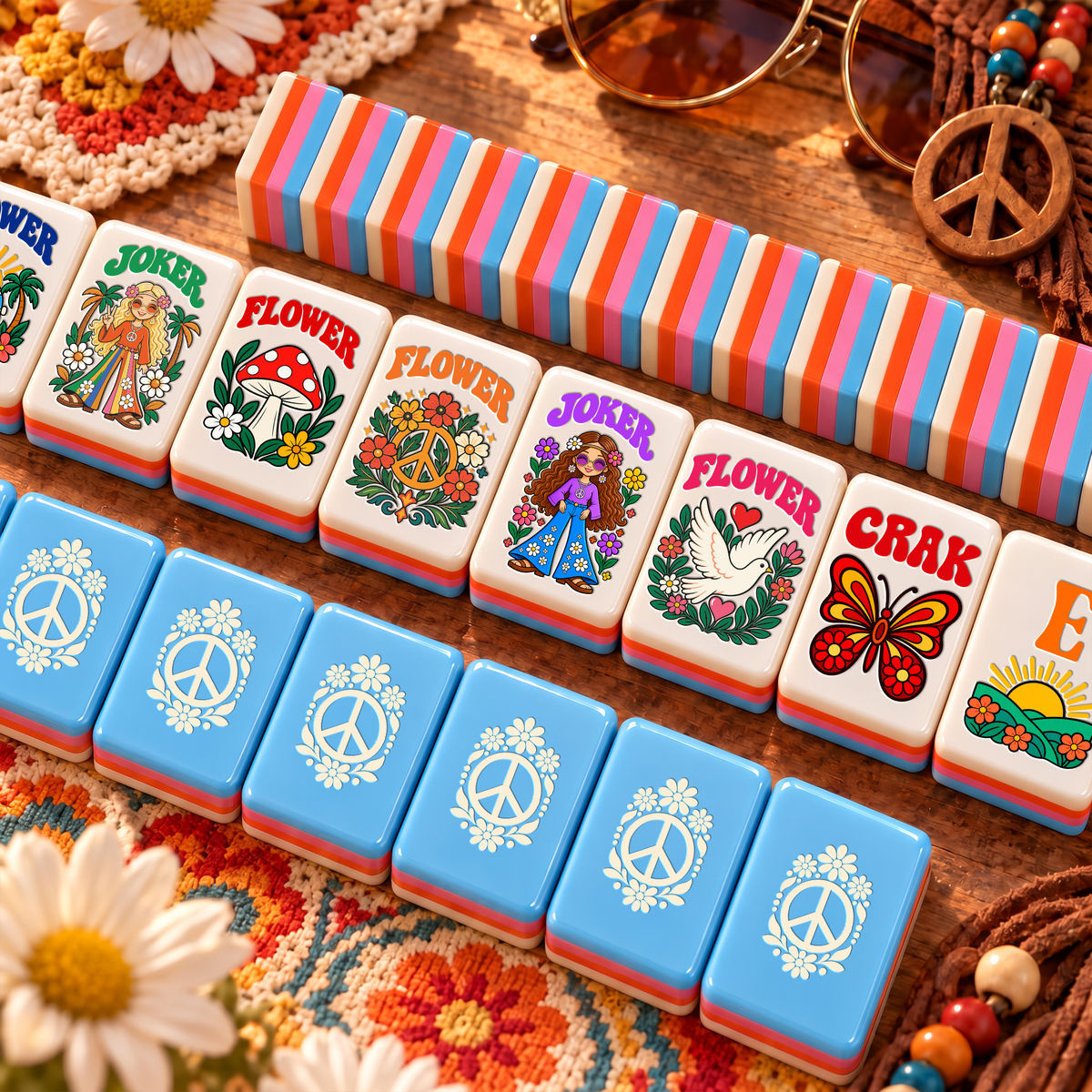
California mahjong teachers are found through community centers, libraries, synagogues, country clubs, recreation departments, and online meetup boards—search "[your city] mahjong lessons" or "mahjong near me" to start. Most teachers focus on American mahjong and charge by the hour or offer group sessions; expect beginner lessons to cover the 152-tile set, how to play American mahjong, the Charleston tile-passing ritual, and reading the National Mah Jongg League card. Instruction typically runs 4–12 weeks for foundational skills. Quality teachers verify that you own a proper 160-tile set with all eight jokers intact, teach from the current year's League card, and emphasize hand recognition over memorization. Cost varies widely by region and instructor experience; ask about trial sessions before committing.
California has a vibrant mahjong community across cities and regions. Here's how to find qualified teachers and what makes instruction effective.
Where Do California Mahjong Teachers Actually Teach?
The most reliable places to find mahjong instruction are municipal recreation departments, community colleges, senior centers, public libraries, country clubs, and synagogues—especially in the Bay Area, Los Angeles, San Diego, and Sacramento regions. Search "[your city] parks and recreation" or "[your city] continuing education" to see class listings. Meetup.com and local Facebook groups for mahjong players often list instructors and group games. Some teachers advertise through local newspaper community boards. Call ahead: many teachers run seasonal cohorts (fall and winter are busiest) and maintain waiting lists.

What Should a Good Mahjong Instructor Cover?
A solid teacher begins with tile identification: the three suits (Bams, Craks, Dots), winds, dragons, flowers, and jokers—all 152 playing tiles in a standard set. They explain the Charleston, the tile-passing ritual that opens every game. They teach how to read the current year's National Mah Jongg League card, since American mahjong hands come only from that card. They cover exposure rules—when you can show a pung (three identical tiles), kong (four), and how jokers function. A comprehensive beginner course addresses hand recognition, scoring basics, and at least one full practice game. Avoid instructors who teach "any hand you want" or skip the League card; that's not American mahjong.
🀄 Shop best-selling mahjong sets →
How Long Does It Take to Learn, and What Does Beginner to Intermediate Look Like?
Most players reach playable-beginner level (recognizing patterns, managing tiles, joining a casual game without slowing everyone down) in 6–10 hours of instruction plus practice. Intermediate players read the card fluently, understand position-dependent scoring, and can call or pass hands confidently; this typically takes 12–20 hours. Advanced players memorize card patterns and optimize strategy. Your pace depends on game experience, comfort with pattern recognition, and practice frequency between lessons. Teachers who assign homework—studying the League card or playing informal games with friends—accelerate learning.
What Equipment Should You Have Before Your First Lesson?
Bring a complete 160-tile American mahjong set with all eight jokers present and readable. Your teacher will verify the tile count and joker integrity on day one. Some instructors provide demo sets for trial lessons, but you'll need your own set to practice between sessions. Many players also use a mahjong mat to protect tiles and organize play zones, and racks with pushers to keep your hand hidden until discard. These aren't required for lessons—mats and racks are comfort tools—but they speed up play and reduce tile wear. Bring pen and paper to take notes on the card patterns your instructor highlights.
🎁 See our most-loved mahjong sets & accessories →

How Do You Decide Between a Private Instructor, a Class, or a Meetup Group?
Format | Best For | Pace | Cost Basis | Drawbacks |
Private lesson | Personalized attention, flexible schedule, self-paced learning | You set it | Usually hourly rate | Higher per-hour cost |
Class cohort | Peer learning, structured timeline, group energy | Fixed 6–12 weeks | Often semester fee | Less one-on-one; set start dates |
Meetup/drop-in | Social play, zero instruction pressure, free or low cost | Informal | Minimal or donation | Assumes some prior knowledge; uneven skill levels |
Hybrid | Learn privately, then join a group game | Fastest skill gain | Hourly lesson + game cost | Requires two time commitments |
Most California players start with a 6-week class or a few private lessons, then join a casual weekly group to cement skills. Some instructors offer a trial single-session lesson; use it to gauge teaching style and confidence.
Red Flags and What to Check Before You Sign Up
Ask the instructor or organizer: Do they teach from the current year's National Mah Jongg League card? (Answer must be yes.) Do they verify that students own a full 152-tile set with jokers before or during the first lesson? Do they explain the Charleston and exposure rules, or skip to "playing for fun"? Do they allow you to attend one session before paying for a course? Avoid anyone who claims mahjong is "easy to learn in one afternoon," requires a deposit non-refundable, or teaches a house variation instead of American League rules. A good instructor lets you bring your own set, offers clarity on what's covered, and can answer questions about the League card.
✨ Find your Mahstead set — free US shipping →
How to Prepare Your Own Set for Lessons
Inspect your tiles before your first session: ensure all 152 tiles are present (no missing numbers, suits, or dragons), all eight jokers are legible and not faded, and there are no cracked tiles. Shuffle the jokers into the set to familiarize yourself with how they're handled—they can be mixed with any pung or kong but never used alone as a single tile or pair. Organize your understanding of tile names: 1–9 Bams (the bird tile is the 1 Bam), 1–9 Craks, 1–9 Dots. Know the dragons (Red, Green, White) and winds (North, East, West, South). A pre-lesson review of what's in an American mahjong set cuts down on terminology confusion and gets you ready to focus on game strategy.
What to Check Before You Buy
Tile count: Confirm it's a 160-tile set (152 playing tiles plus spares).
Joker legibility: All eight jokers should be clearly marked and distinguishable.
Case or bag: Check whether you need a mahjong bag or case for transport to lessons.
Surface: Confirm your mat or table is flat and uncluttered.
Instructor availability: Contact before buying; some areas have wait lists or specific session start dates.

FAQ
What's the difference between American mahjong and other variants like Chinese or Hong Kong mahjong?
American mahjong uses a League card to define legal hands (sequences and sets change yearly), relies on the Charleston for tile exchange, and restricts joker placement. Chinese and Hong Kong mahjong allow sequences (chows), have no League card, and follow different hand-validity rules. Your teacher will clarify which variant they teach; most California instruction is American.
Do I need to memorize the entire League card before my first lesson?
No. Your instructor will teach you to recognize hand patterns, not memorize them. You'll learn to scan the card quickly and spot hands that match your drawn tiles. Pattern recognition comes faster with practice than rote memorization.
Can I find free mahjong instruction or practice groups in California?
Yes. Many libraries, community centers, and senior centers offer beginner classes at low cost or free drop-in games. Meetup.com often lists free or donation-based mahjong groups. Call your local recreation department or library to ask about free sessions.
What if I buy a mahjong set and decide it's not for me?
A quality set from a retailer like Mahstead is made to last decades, so you can keep it as a gift, donate it to a library, or sell it to another player at a local group. Many players buy sets for family members or friends once hooked on the game.
How do I know if an online instructor is legitimate?
Ask for references, check whether they teach from the current League card, request a trial video session, and verify they explain tile counts, jokers, and Charleston rules. Legitimate instructors can answer specific questions about hand validity and scoring.
Can I learn mahjong entirely online, or is in-person instruction better?
Online video lessons work well for rules and card-reading basics, but in-person lessons let an instructor watch your tile handling, speed, and decision-making—and catch mistakes immediately. Many California players combine a few online tutorials with in-person group play.


View More
View More
View More
