
Mahjong Tiles Reviews: What Matters When You Buy
Last updated: Nov 23, 2026
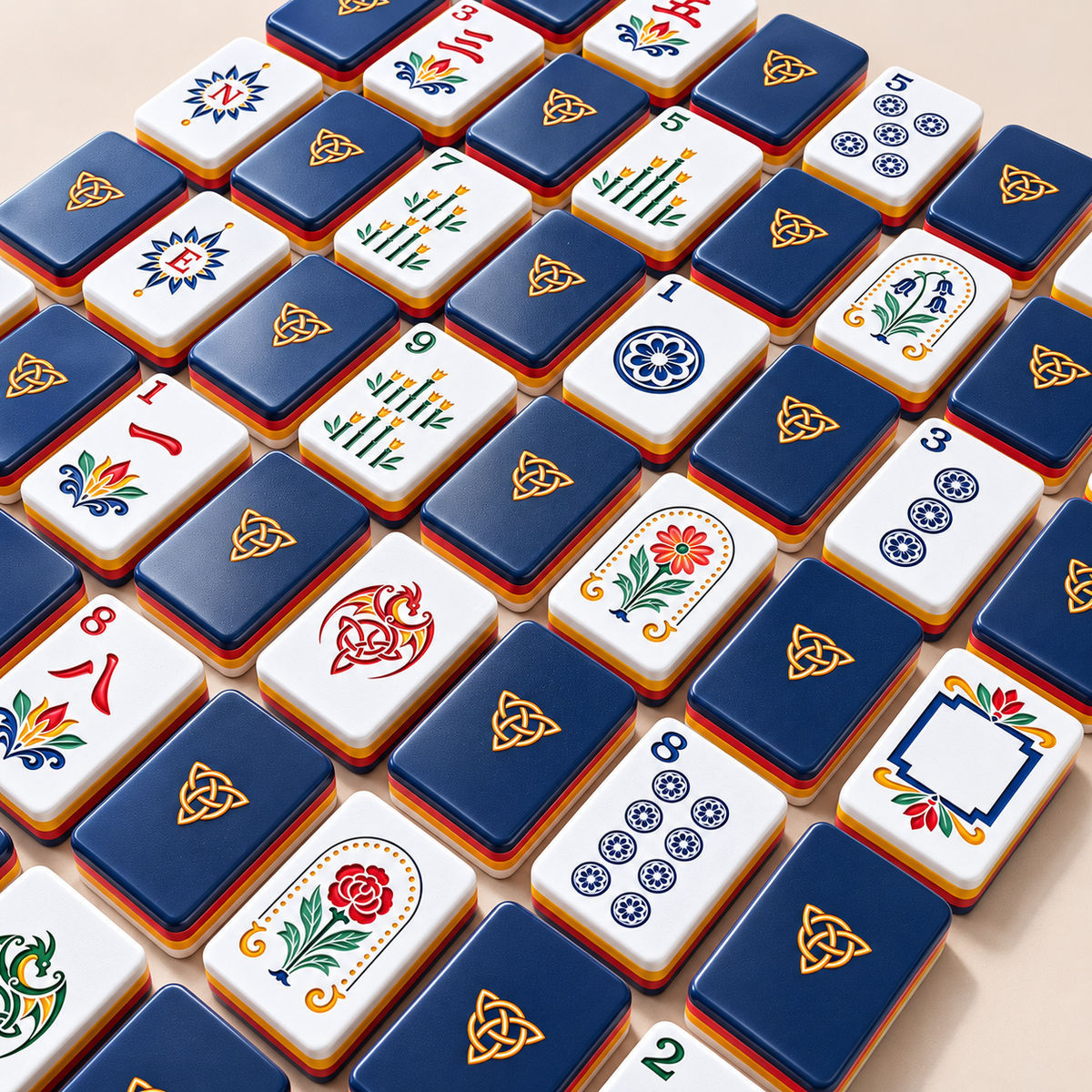
Most mahjong tile reviews focus on aesthetics, but what separates a keeper from a regret is durability, readability, and whether the set works for your game style. Acrylic tiles—the standard for American mahjong—vary wildly in thickness, engraving clarity, and chip resistance. American mahjong uses 152 tiles plus 8 jokers; any set claiming to add playable tiles to that count is misinformed. You'll find best-selling mahjong sets range from bright traditional designs to personalized engravings, each built for different budgets and hosting needs. Before ordering, check: tile weight (heavier = more table feel, but harder on wrists), whether engraving is laser-etched or painted (etching survives shuffling; paint chips), joker design (blank jokers confuse new players), and whether the case fits your storage. Mahstead's 160-tile sets arrive with spare tiles and include pushers and a mat option, covering the full hosting toolkit. Read reviews mentioning shuffling noise, readability under dim light, and how engraving holds after 50+ games—those signal real daily use, not just unboxing videos.
What do reviewers actually mean by "premium" tiles?
"Premium" is marketing noise unless tied to specifics: acrylic thickness (measured in millimeters), surface finish (matte vs. glossy affects grip), and engraving method. Laser-etched symbols survive 100+ shuffles; painted details wear within months if players shuffle aggressively. Heavier tiles (those with brass or composite cores) feel substantial but fatigue players on long hosting nights. Glossy tiles are faster across mats; matte tiles grip better but show dust. Check reviews mentioning how tiles feel mid-game, not just in the unboxing.

Why do some tiles feel slippery on the mat?
Acrylic finish quality matters far more than material type. Smooth, glossy surfaces (often seen in budget sets) glide too fast, making precise pushes impossible. Rougher matte finishes grip better but require regular mat maintenance to prevent grime buildup. Engraved American mahjong sets sold for serious play prioritize grip—the engraving itself adds micro-texture, which actually helps control. If reviews say "tiles won't stay in position" or "too slippery to push," the acrylic blend or finish is the culprit, not the mat.
How does engraving quality affect legibility?
Deep laser engraving creates sharp contrast between the tile body and symbol, readable from arm's length across a table. Shallow engraving or screen-printed designs blur under dim lighting (common in home game spaces). Chinese and Hong Kong sets often use painted details; American sets typically favor engraved symbols. If you're over 50 or play under standard home lighting, hunt for reviews specifically mentioning "easy to read across the table" or "clear symbols in low light." Deep engraving costs more upfront but prevents squinting during 4-hour sessions.
Design Type | Best For | Durability | Readability | Care |
Laser-engraved acrylic | Serious weekly players | 5+ years, shuffling-proof | Excellent, all lighting | Wipe with dry cloth |
Painted/screen-printed | Casual or gift sets | 1–2 years, paint chips | Fair in dim rooms | Avoid harsh shuffling |
Inlaid (jade, bone inserts) | Collectors, low-play sets | 10+ years | Excellent | Handle gently, store dry |
Personalized/custom engraved | Corporate gifts, club play | 5+ years | Excellent | Same as standard engraved |
What's the real difference between American, Chinese, and Hong Kong tile sets?
American mahjong uses 152 tiles + 8 jokers and draws hands only from the current-year card; Chinese and Hong Kong variants use 144 tiles, allow sequences (chows), and permit melds not on a printed card. Tile size and weight differ: American sets are typically larger and heavier. A good review compares which game variant it's designed for—buying an American set for Hong Kong rules, or vice versa, wastes money. Check the set description for "American mahjong compatible" explicitly. Our best-selling mahjong sets are optimized for American play and clearly labeled.
🀄 Shop best-selling mahjong sets →

How many jokers should a set have, and why does it matter?
American mahjong plays with exactly 8 jokers (part of the standard 152-tile count). Jokers substitute for missing tiles in melds—they're essential, not optional. A set sold as "160 tiles" contains 152 playable tiles plus spares; the spares are extra jokers and/or blank tiles for replacements if one gets lost or damaged. Never buy a set claiming to add extra jokers into play—that breaks the game. Beginners often ask whether joker design matters; it does for identifying them fast during rapid play. Blank jokers (unmarked or minimal design) confuse newer players; sets with bold joker graphics or custom designs are easier to spot. If a review praises or criticizes joker visibility, that's a real factor for your hosting style.
What should you check before ordering?
Before checkout, verify:
Tile count matches your game (152 playable for American mahjong, 144 for Chinese/Hong Kong)
Engraving is laser-etched, not painted, if you play weekly
Joker design is clear enough to spot mid-shuffle
Case or bag fits your storage space (measure your shelf)
Acrylic thickness is stated (thinner = lighter, but less durable)
Return or replacement policy covers damage in transit
Matte finish if you want grip; glossy only if you have a textured mat
Set includes a mat and pushers or is bundled with them separately
🎁 See our most-loved mahjong sets & accessories →
Reviews mentioning unboxing and first impressions are fun but unreliable—look for long-term feedback: "after 6 months of weekly play," "tiles still shuffle smoothly," or "engraving hasn't worn." If a review doesn't mention how many games the reviewer has played, it's probably not useful for durability assessment.
Real red flags in reviews
Avoid sets with reviews saying: "tiles arrived chipped," "paint flakes after a few plays," "jokers don't slide properly," or "engraving too shallow to read." These signal manufacturing or quality-control issues, not individual mistakes. Conversely, reviews praising "consistent tile weight," "smooth pushing," and "bright engraving after 50+ games" indicate tested reliability. If multiple reviewers mention the same problem, it's systemic—move on.
Common buyer mistakes:
Confusing tile count with playability. A 160-tile set has 152 game tiles + 8 spare tiles, not 160 playable tiles. You always play with exactly 152 tiles and 8 jokers in American mahjong.
Buying the wrong variant for your game. Confirm the set is labeled "American mahjong" if that's what your group plays. Chinese and Hong Kong sets look similar but use different rules and tile counts.
Ignoring engraving depth. Painted designs look sharp initially but wear quickly. Laser-etched symbols last a decade. For weekly play, laser engraving is non-negotiable.
Choosing by aesthetics alone. A gorgeous set that shuffles poorly or has tiles that stick together is worse than a plain set that performs flawlessly. Function > beauty for regular hosts.
Not checking joker clarity. If you can't instantly identify a joker during rapid play, your game slows down. Blank or minimal joker designs cost you time every session.
What to check before you buy:
Is engraving laser-etched (not painted)?
Are tiles clearly readable under your home lighting?
Is joker design distinct enough to spot instantly?
Does the case or bag fit your storage?
Are spare tiles included (for replacements)?
Does the set come with a mat and pushers, or do you need those separately?
What's the return policy if tiles arrive damaged?
Mahstead's engraved American mahjong sets include detailed specs (thickness, joker style, finish) and real photos, not AI renderings. Free US shipping means you're not padding cost to offset delivery. Pair your set with a mahjong mat and racks with pushers—together they define how your game feels week to week.
✨ Find your Mahstead set — free US shipping →
The best review is one from someone hosting the same way you do: if they play weekly, under your lighting, with your player count, their feedback is gold. Generic praise ("beautiful set!") tells you nothing about shuffling, durability, or readability. Search reviews for friction—real complaints reveal real issues.

FAQ
Do acrylic tiles wear out, or do they last forever?
Laser-engraved acrylic tiles last 5–10+ years with weekly play if cared for (no harsh shuffling, dry storage). Painted tiles chip within 1–2 years. Matte finishes wear faster than glossy under heavy use. Chips are cosmetic unless they catch the mat or interfere with pushing.
Can I use American mahjong tiles for Chinese or Hong Kong rules?
No. American sets use 152 tiles (no sequences allowed); Chinese and Hong Kong use 144 tiles and draw hands with chows/runs. Using an American set breaks those games. Buy the variant matching your group's rules.
Why do some reviews say tiles are "sticky" or "stick together"?
Glazed or excessively smooth acrylic can create static or slight adhesion when stacked. Matte finishes minimize this. Humidity also plays a role—sets stored in damp conditions swell slightly. A good mat reduces sticking when tiles are in play.
Should I buy a set with painted jokers or blank jokers?
Painted jokers (with symbols, colors, or designs) are easier to spot during rapid shuffling. Blank or minimal jokers slow down players who are hunting for them mid-game. For weekly play, distinct joker design is a small but real quality-of-life win.
What's the difference between "160-tile" and "152-tile" sets?
American mahjong plays with exactly 152 tiles + 8 jokers. A 160-tile set contains those 152 playable tiles plus 8 spares (extra jokers and/or blanks for replacements if one breaks). You never add the spares into play—they're insurance only.
How do I know if tiles are too thick or too thin?
Thin tiles (under 8mm) are lightweight, cheaper, and prone to cracking if dropped. Thick tiles (10mm+) are durable but tire your hands on long hosting nights. Medium thickness (8–10mm) is the sweet spot for balanced durability and comfort. Reviews mentioning "hand fatigue" after 4 hours signal overly thick tiles.
Can I mix tiles from two different sets?
Yes, if they're the same size and style. Mixing painted and laser-engraved tiles, or different thicknesses, looks jarring and plays poorly (some tiles slide faster). Stick to one set or buy exact replacements from the same design.
What does "engraving depth" really mean for gameplay?
Deep engraving (0.5–1mm) creates sharp contrast, readable from across the table in all lighting. Shallow engraving (under 0.3mm) blurs in dim rooms and wears faster. Deep engraving costs slightly more but pays for itself in reduced squinting and longer durability.


View More
View More
View More
