
Finding Mahjong Teachers in Arizona: A Beginner's Guide
Last updated: Nov 23, 2026
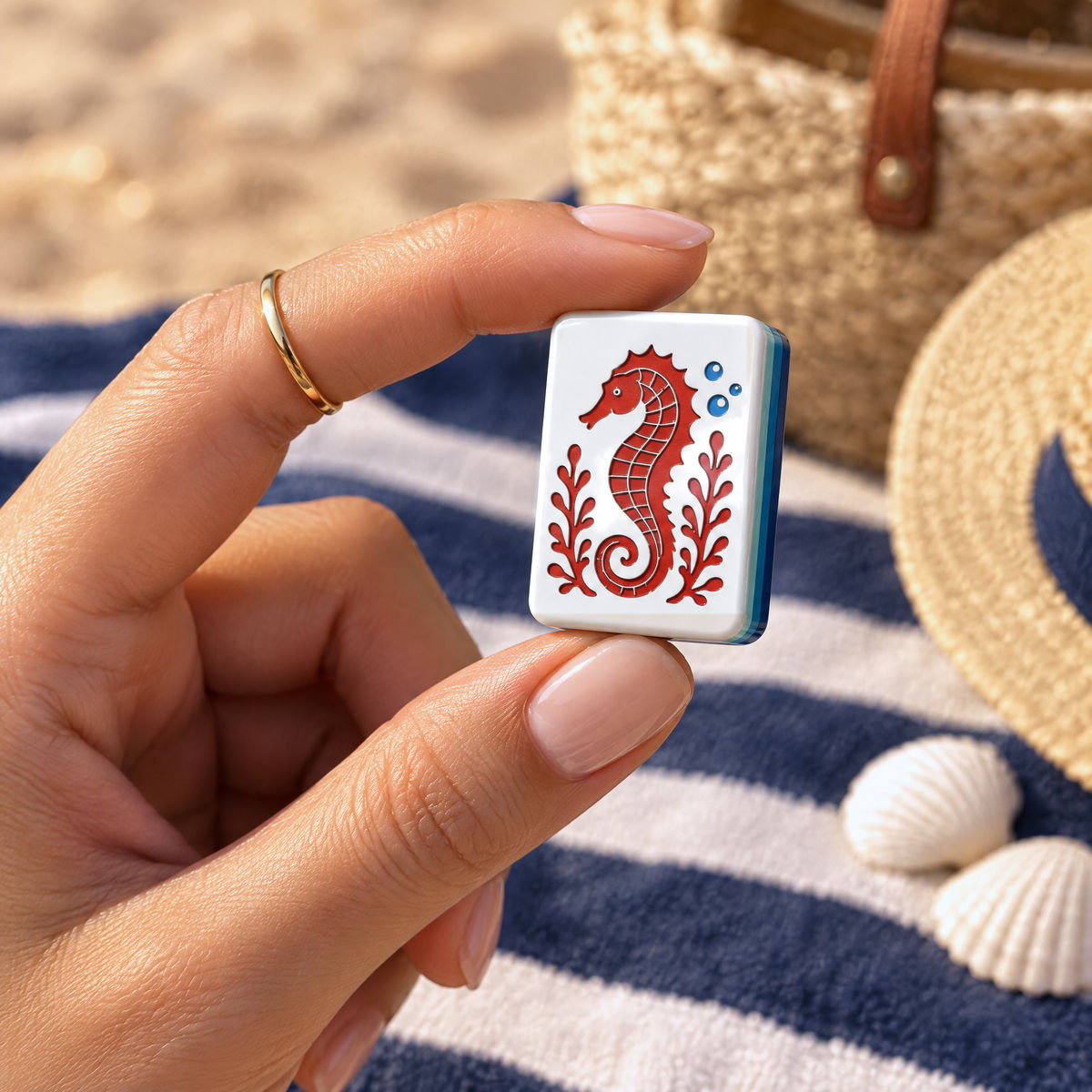
Finding a mahjong teacher in Arizona means checking community centers, libraries, synagogues, country clubs, and meetup boards in Phoenix, Tucson, Scottsdale, and Tempe first—these host regular games and can refer instructors. Private lessons run anywhere from beginner fundamentals (how to read the tile symbols, the Charleston passing ritual, hand structure from the current National Mah Jongg League card) to advanced scoring and strategy over 4–12 weeks. Ask a prospective teacher whether they teach American mahjong with the official card, and whether they'll use a full 152-tile set so you learn on the actual game equipment. Arizona's dry climate means tiles stay flat and durable indoors, but you'll want quality pieces if you're committing to lessons—consider a best-selling mahjong set with a mat and racks so you can practice at home between sessions.
Where do mahjong teachers advertise in Arizona?
Most organized instruction happens through community hubs rather than solo instructors with websites. Start at public libraries in Phoenix, Tempe, Scottsdale, and Tucson—many host open game nights and bulletin boards. Synagogues and Jewish community centers frequently run beginner classes or have member directories of active players. Country clubs in greater Phoenix often host mahjong leagues and can connect you with teachers. Check Meetup.com for "mahjong Arizona" groups; these often list lessons, weekly play times, and host contact info. Facebook groups dedicated to Arizona mahjong also post instructor recommendations. Ask at a community game—experienced players are usually eager to point newcomers toward solid teachers, and word-of-mouth remains the most reliable way to find someone who actually plays well.

What should you ask a mahjong teacher before booking?
A good instructor will clearly answer these five questions without hesitation. First: Do you teach American mahjong using the current year's National Mah Jongg League card? Some teachers use older cards or Chinese variants; American mahjong is rules-based on the annual official card issued each spring. Second: Will we play with a full 152-tile set plus jokers and a proper mat? Teaching on incomplete or toy sets creates bad habits. Third: How long is each lesson, and how many weeks until I can play a full game? Expect 90-minute sessions over 6–8 weeks minimum for beginner solids. Fourth: Do you teach the Charleston, tile-counting, and hand-reading together, or separately? The best teachers integrate all three from week one. Fifth: Can I see a sample hand from your current teaching materials? Reputable instructors reference the official card structure, not invented games. If an instructor hesitates, seems vague, or claims they'll teach you to "win big" or "beat any opponent," keep searching.
🀄 Shop best-selling mahjong sets →
How do beginner lessons differ from advanced play groups?
Beginner lessons focus on tile recognition, hand patterns, and the official card structure; you learn why a hand works before you play against others. Advanced play groups assume you already read hands fluently and emphasize speed, betting strategy, and defensive play. A typical beginner lesson covers tile symbols and suit names (Bams, Craks, Dots, Winds, Dragons), the passing ritual called the Charleston, how jokers work in American mahjong, and how to read a mahjong card to spot your hand on the current year's League card. Advanced players skip these basics and instead drill discarding patterns, probability, and table politics. Most Arizona teachers offer beginner courses, but ask directly whether the class is strictly for first-timers or mixed skill; mixed classes move slowly and beginner-only classes build confidence faster.
What equipment do you need before starting lessons?
You need a 152-tile American mahjong set, a cloth mat, and racks with pushers. A teacher might provide tiles for in-class play, but you cannot practice at home without your own set—and home practice between lessons cuts your learning time in half. Here's the decision: buy once, buy well. A quality set with acrylic tiles, a padded mat, and smooth racks resists wear, sits flat on any table, and teaches proper technique (smooth tile handling matters for speed and accuracy). A cheap or novelty set feels flimsy, tiles stick or slide, and you'll develop sloppy habits. Engraved sets with titles or personalization work well as gifts if you're inviting a friend into your hobby, but for serious solo study, pick a durable best-selling design and a dedicated mat. Arizona's low humidity is actually ideal for acrylic tiles—they won't warp or crack like bamboo or bone tiles do in coastal climates. Pair your set with racks and pushers so you can organize your hand properly and practice the tile-setting rhythm your teacher demonstrates.
What you need | Why | Beginner priority |
152-tile American set (acrylic) | Durable, matches official game | Essential before week 1 |
Cloth mat | Protects tiles, defines play space | Essential |
Racks with pushers | Proper hand organization, wrist strength | High—teachers expect it |
Dice | Determines who plays East, wall position | Included in most sets |
Mahjong card (printed, current year) | Reference during play, required rule source | Essential |
Case or bag | Transport to lessons, storage | Medium—nice to have by week 3 |

Should you join a play group instead of taking lessons?
A play group works if you already know the basics; jumping into a game with strangers when you can't read tiles or recognize hands is frustrating for everyone. However, many Arizona groups do run "newcomer nights" where experienced players teach while playing casually—these fall between formal lessons and competitive play. If your local library, synagogue, or country club offers this, it's a free way to test the game before committing to paid instruction. The trade-off: group play is slower (players explain each hand) but less structured, so you might miss concepts a formal teacher would highlight. Lessons give you a roadmap; play groups give you speed and social connection. Most successful learners do both—take 6–8 weeks of lessons, then join a casual play group for 3–4 months before entering any league play. This path costs less than pure private instruction and keeps you engaged when lessons end.
🎁 See our most-loved mahjong sets & accessories →
What does a typical mahjong lesson cost and how long does it take?
Private instruction in Arizona typically ranges based on instructor experience and whether you share a lesson with others; one-on-one lessons are more expensive than group sessions. Most teachers offer four to eight-week beginner packages designed so you can play a full game by the end. A beginner should budget for 6–12 hours of instruction total, whether crammed into intensive weekend workshops or spread over weekly 90-minute sessions. Length depends on your prior card-game experience—players familiar with Rummy or bridge often grasp hand patterns in 4–5 weeks, while complete beginners usually need the full 6–8. Ask each teacher for their package structure: do they charge per session, per course, or per hour? Do they offer makeup lessons if you miss a session? Some teachers build practice into lessons (you play half the time); others teach concepts only. The second model is faster but requires more home study. Factor this into your decision—a teacher charging less per hour but requiring heavy independent study might cost you more in total time than a pricier instructor who plays through every concept.
How do you accelerate learning between lessons?
Your home practice routine matters as much as class time. Between lessons, spend 30 minutes daily on these three tasks: (1) memorize tile symbols—most beginners can identify all 152 tiles in under two weeks of casual study; (2) read three to five hands per day from the current year's official card without a teacher's help, checking yourself against the card key; (3) set up a full game solo, arrange your tiles, and practice the Charleston passing ritual slowly until you can do it without thinking. Use your own set and mat so your hands build real muscle memory. After week three, recruit a friend or family member for 30-minute casual games where you both refer to the card constantly—zero judgment, zero scoring, pure learning. This dramatically cuts your time to competence. Many Arizona players skip home practice and wonder why lessons feel slow; consistent solo work doubles your progress. Your teacher will notice and can jump ahead to strategy topics.
✨ Find your Mahstead set — free US shipping →
What to check before you buy your first mahjong set
You're about to invest in equipment you'll use for years. Here's an honest checklist:
Tile material: Acrylic (most durable, ideal for Arizona's dry climate), bamboo or bone (beautiful but crack easily), or resin (middle ground). Ask your teacher which they recommend.
Tile thickness: Thicker tiles (usually 3mm or more) feel substantial and last longer; thin tiles chip easily.
Joker count: American sets must include 8 jokers for standard play. Your set should have these plus spare tiles for replacements.
Mat quality: A padded cloth mat should lie flat and protect both tiles and your table surface. Cheap mats wrinkle and slide.
Rack design: Racks should be smooth (no splinters), have a gentle slope, and include pushers that glide without resistance.
Packaging: Sets arrive in boxes or cases. Check reviews or ask the seller whether tiles rattle in transit or arrive secure. Free US shipping means arriving safely is non-negotiable.
Clarity of symbols: Stand-in or cartoon-style tiles confuse beginners; you need clear, traditional tile markings that match your teacher's and the official card.
Test-drive a set at your teacher's location or a community game before ordering online if possible. If buying unseen, stick with established mahjong set collections known for consistent quality and damage-free delivery.

FAQ
Can I learn mahjong online with an Arizona teacher via video?
Yes, many Arizona instructors now offer remote lessons via Zoom or video call. This works well for tile recognition and card reading; hand-setting practice is harder to supervise remotely, so expect more homework. Confirm your teacher checks your tile arrangement on camera before you commit.
What's the difference between American and Chinese mahjong, and which should I learn first?
American mahjong uses an official card with fixed hand patterns and specific rules about jokers and melds; Chinese mahjong is open-ended and relies on pure tile reading. Arizona teachers almost always teach American mahjong first because it has a lower skill floor and a clear competitive structure. If you want to learn both, master American first (6–8 weeks), then Chinese becomes easier because you already read tiles fluently.
Do I need to memorize the entire mahjong card before my first lesson?
No. Your teacher will introduce the card structure gradually—usually tile symbols in week one, hand patterns in weeks two and three, and card reading strategies by week four. Trying to memorize all patterns before you understand the logic wastes time. Passive exposure during lessons plus 30 minutes of daily practice between sessions is the right pace.
Are there beginner-friendly mahjong groups in Tucson or Phoenix I can join after lessons?
Both cities have active communities with open play nights at libraries, synagogues, and community centers. Ask your teacher for referrals, or check Meetup.com for "mahjong Phoenix" and "mahjong Tucson" groups. Many newcomer nights welcome post-lesson learners. Start with groups labeled "casual" or "beginner-friendly" rather than competitive leagues.
What's the fastest way to go from zero to competitive-ready in Arizona?
Intensive group lessons (two sessions per week for 4–6 weeks) plus daily 30-minute home practice plus joining a casual play group immediately after. Most serious learners reach casual-league readiness in 3–4 months this way. Pure one-on-one lessons take longer because you don't get table time with other players.
Should my mahjong set be personalized or engraved for personal use?
Personalization is a lovely touch for a set you'll own for years, but only after you've played 50+ games and confirmed you love the sport. Your first set should be durable and neutral so you can gift or share it if your interest shifts. Once you're committed, engraved or titled sets make wonderful keepsakes or gifts for friends you're teaching.


View More
View More
View More
