
Finding Mahjong Teachers in Alabama: A Local Player's Guide
Last updated: Nov 23, 2026
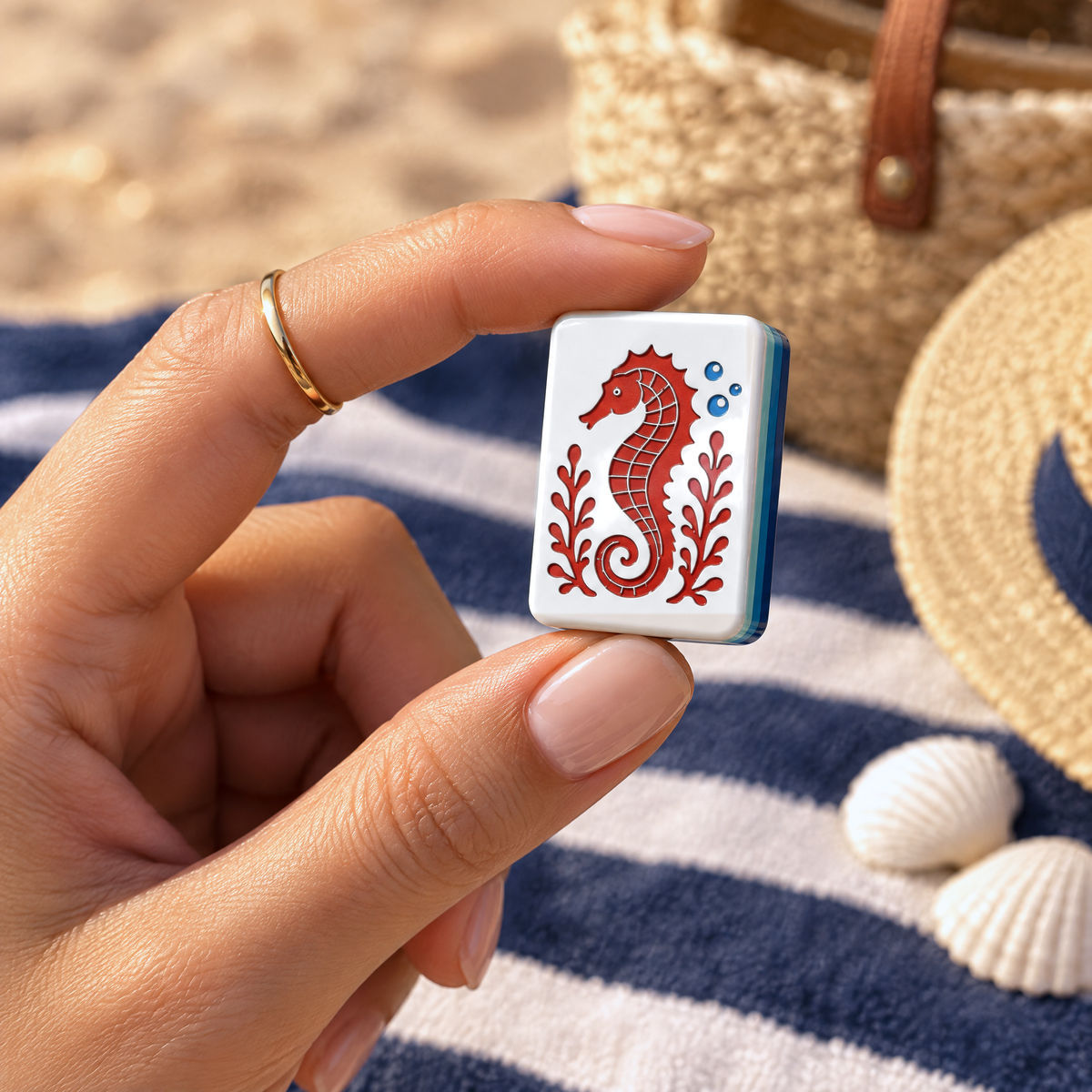
Alabama mahjong teachers are found primarily through community centers, libraries, synagogues, country clubs, and online meetup boards in larger cities like Birmingham, Montgomery, and Huntsville. Most instructors teach American mahjong and charge hourly rates; lessons typically run 90 minutes to two hours and cover tile mechanics, the National Mah Jongg League card, the Charleston tile-passing ritual, and basic strategy. Community centers often offer drop-in classes for beginners, while private instructors provide customized pacing. Before enrolling, confirm the teacher uses the current year's NMJL card, clarify whether American or another variant is taught, and ask about group vs. individual rates. Many Alabama players start with a best-selling set from Mahstead—acrylic tiles are durable for weekly lessons and travel.
Where do Alabama mahjong teachers advertise?
Community centers in Birmingham, Montgomery, Tuscaloosa, and Huntsville regularly list mahjong instruction on their websites and bulletin boards. Public libraries often host free beginner sessions or maintain teacher referral lists. Synagogues and country clubs in urban areas frequently sponsor ongoing games and can recommend certified instructors. Online meetup boards, Facebook community groups for Alabama residents, and regional mahjong forums connect players with independent teachers. Some instructors maintain simple websites or advertise through word-of-mouth at local game nights. The surest approach: call your nearest community center or library and ask for the mahjong coordinator.

What does a good first mahjong lesson include?
A solid beginner lesson covers the 152-tile set composition (three suits, winds, dragons, flowers, jokers), how to sort and rack tiles, the Charleston passing sequence, and how to read the current National Mah Jongg League card. The teacher should demonstrate one complete hand from the card, explain pungs and kongs (exposed melds), clarify that jokers cannot be used in pairs or single tiles, and walk through actual play: drawing, discarding, and claiming. Avoid teachers who skip the card or claim you can play "any hand you want"—American mahjong requires the official card. A 90-minute session should leave you comfortable enough to join a beginner table with a friend. Good teachers encourage questions and let you handle tiles throughout.
How much do mahjong lessons typically cost?
Private instructors in Alabama generally charge hourly rates; confirm the exact amount by contacting them directly. Group classes through community centers are often lower cost per person. Some teachers offer introductory discounts or package deals (e.g., four lessons at a reduced rate). Ask whether the rate includes providing a set or whether you bring your own. If you don't own tiles yet, consider a 160-tile acrylic set from Mahstead—they're durable, easy to shuffle, and designed for repeated use in lessons and casual games.
🀄 Shop best-selling mahjong sets →
What's the difference between American and other mahjong variants?
American mahjong is played with exactly 152 tiles plus 8 jokers, requires hands from the current year's NMJL card, and allows no sequences (chows)—only pungs, kongs, quints, and sextets. Chinese and Hong Kong mahjong use 144 tiles, allow sequences, have no printed card, and permit jokers in pairs. Riichi (Japanese) mahjong uses 136 tiles and has a completely different hand-ranking system. Taiwanese mahjong combines elements of Chinese play. Most Alabama teachers focus on American mahjong because it's the dominant variant in the U.S. and the easiest for beginners with a printed reference card. Confirm which variant your teacher offers before signing up. Learn the rules of American mahjong in detail here.

How do you prepare to play after lessons?
After 2–3 lessons, you're ready for a real game. Print or bring the current year's National Mah Jongg League card; your teacher will tell you which year. Arrive 15 minutes early to shuffle tiles and practice the Charleston. Bring a notepad to track the discard pile. If hosting at home, use a dedicated mahjong mat to define the playing area and protect the table—it also helps others see tiles clearly. Wear reading glasses if you need them; acrylic tiles can be harder on the eyes in dim light. Start with a single hand to get comfortable, then join a full game. Many groups play multiple rounds; expect 2–3 hours per session.
Setup Element | Why It Matters | Cost Basis |
160-tile acrylic set | Durable, easy to shuffle, no splinters | Entry-level sets widely available |
Current-year NMJL card | Required; older cards have outdated hands | Updated annually each spring |
Mahjong mat | Protects table, defines boundaries, improves visibility | Specialized mats start affordable |
Racks with pushers | Keeps tiles organized, speeds play, reduces strain | Optional but recommended for regular players |
Carrying case | Protects tiles during transport to lessons | Travel cases available; helpful if you host weekly |
🎁 See our most-loved mahjong sets & accessories →
What should you ask a teacher before signing up?
Do you teach American or another variant? — American is most common; clarify upfront.
Do you use the current year's National Mah Jongg League card? — Essential; older cards have different hands.
Is the lesson individual or group, and how many students? — Group lessons are social but move slower; individual lessons are tailored.
What's included? — Does the teacher provide tiles, or do you bring your own?
How long is each session, and how many lessons does a beginner need? — Typical: 90–120 minutes, 3–5 lessons to play independently.
Can you observe a session before enrolling? — Reputable teachers welcome observation.
Do you recommend any equipment (mat, racks, case)? — Good teachers know what helps students practice at home.
What to check before you buy equipment for home play
If you decide to host games after lessons, buy once and buy well. A 160-tile acrylic set lasts years with normal care; bamboo sets show wear faster. Verify the set includes exactly 152 playing tiles plus jokers—Mahstead sets include 160 tiles with spares for replacement. A mahjong mat protects your table and signals the game zone to guests; choose one that fits your table size. Racks with pushers are optional for casual play but invaluable if you play weekly and want to reduce hand strain. A bag or case lets you transport tiles safely to lessons or to a friend's house. If you buy everything at once, budget accordingly—or start with just a set and mat, then add racks and a case as you host more often.
✨ Find your Mahstead set — free US shipping →
Finding community after your first lessons
Once you've completed lessons, ask your teacher where beginners typically play. Many Alabama cities have weekly games at community centers or private homes; these groups often welcome newly trained players. Online meetup boards, Facebook groups for your city, and local synagogues sometimes advertise open game nights. Playing regularly—even once a week—builds skill faster than occasional solo study. After a few months of consistent play, you'll know whether you want to host your own group, join a tournament, or play casually. The teacher relationship often continues: good instructors remain available to clarify rules, suggest strategy, or help troubleshoot hands.

FAQ
Can I learn mahjong without a teacher?
Yes, with books or videos, but a live teacher corrects mistakes immediately, answers questions in real time, and explains the card faster. Most players learn better and stay motivated with in-person instruction—even two or three sessions jump-start understanding.
Is American mahjong harder than Chinese mahjong?
American mahjong is arguably easier for beginners because the printed card tells you which hands are valid; you don't memorize hand rankings. Chinese mahjong requires learning patterns from memory, which takes longer but offers more freedom in hand creation.
What if I don't own tiles when lessons start?
Ask your teacher whether they provide a set for lessons or whether you should buy one beforehand. Many teachers have loaner sets. If you're buying, a 160-tile acrylic set is standard, lasts years, and costs less than wood or ivory alternatives.
How long before I'm ready to play in a real game?
Most players are comfortable at a beginner table after 2–3 solid lessons plus one or two practice games at home. Playing with an experienced player as coach during your first real game builds confidence quickly.
Should I join a club or just play casually with friends?
Start casual with friends; if you catch the bug after a month or two, look into clubs or organized game nights. Clubs offer consistent schedules, tournament opportunities, and a wider skill range to learn from.
What's the difference between a mahjong mat and a card table cover?
A mahjong mat is designed for tile play—it has a textured surface, defined boundaries, and is sized for four players. A table cover protects the table surface but doesn't organize the game space. Compare them here.
Can I play mahjong with two or three players instead of four?
Yes. American mahjong has variant rules for 2 and 3 players; ask your teacher to show you. Most regular games use four players, but knowing the variants is useful for informal home play.


View More
View More
View More
