
Brunch Mahjong Party Ideas: Host Your Best Game Day
Last updated: Nov 23, 2026
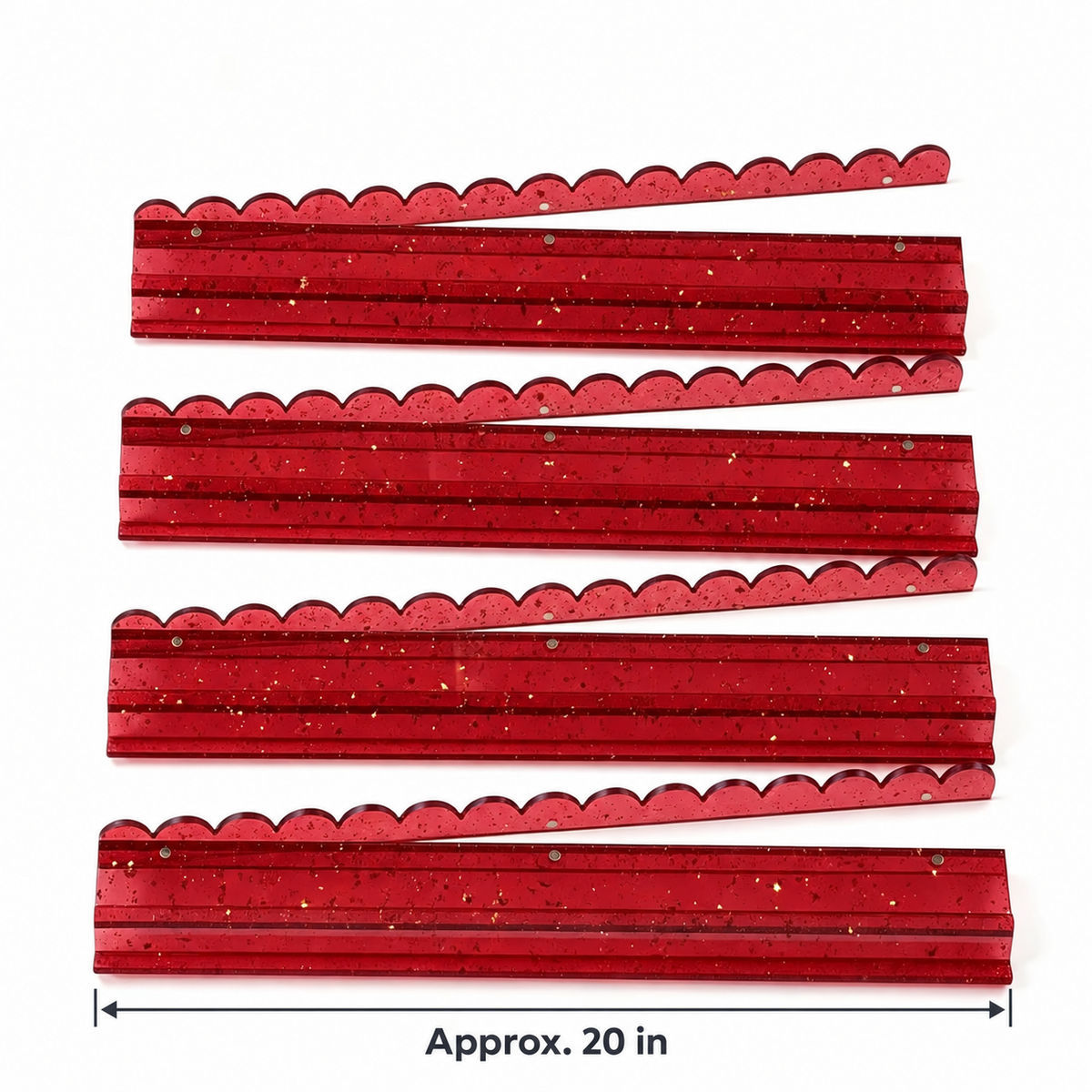
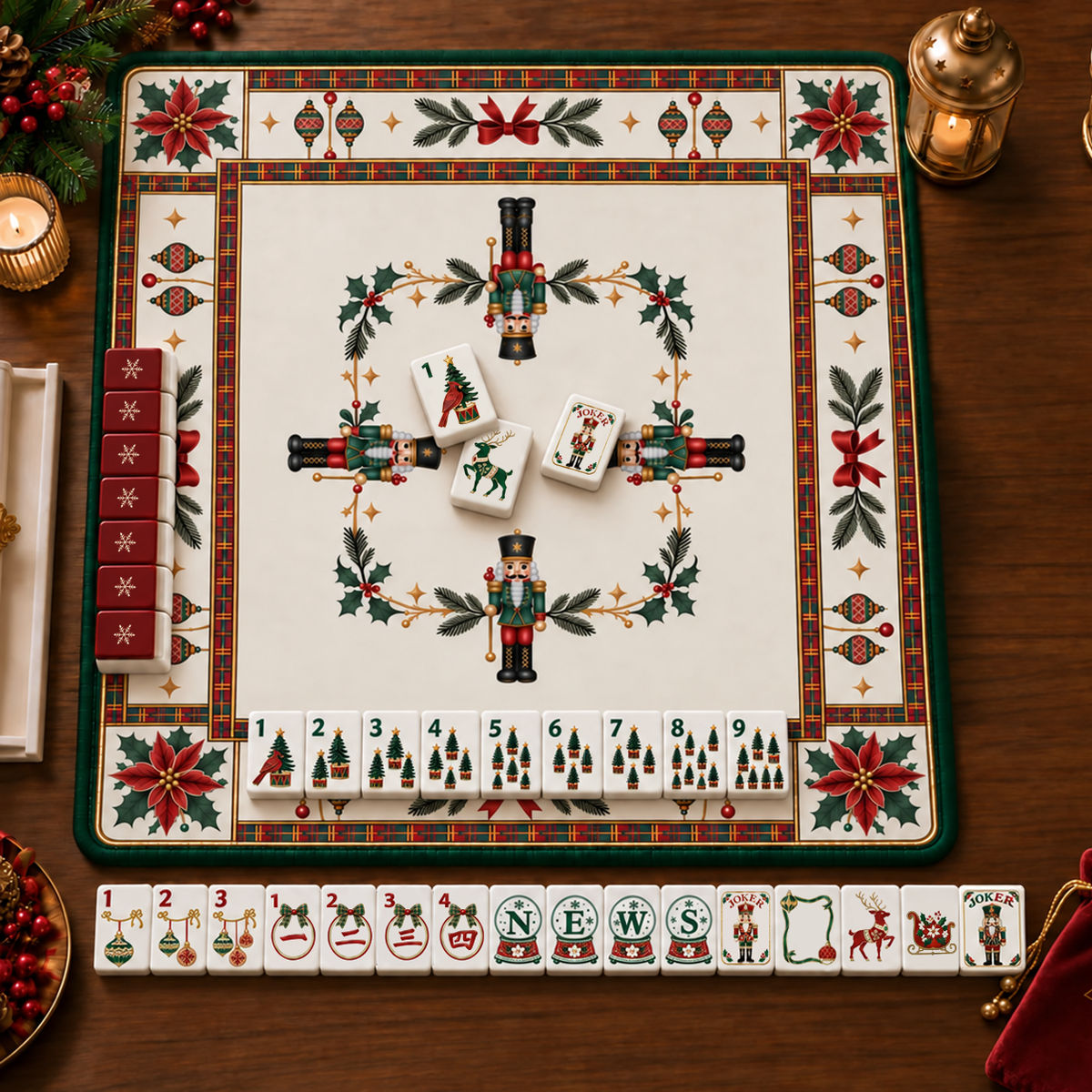
A brunch mahjong party typically runs 10 a.m. to 2 p.m., combining a light meal with three to five games. Seat four players around a dedicated mahjong mat or table cover, supply each with a rack and pushers to keep tiles organized, and serve pastries and coffee before play begins so tiles stay dry. Keep food and drinks clear of the play zone using side tables. Use a 160-tile American mahjong set with jokers, have current-year scorecards ready, and shuffle tiles visibly before the Charleston. Avoid heavy foods mid-game (they slow play and distract); keep napkins and hand sanitizer nearby. Hosting works best when you assign roles: one player tracks score, one resets tiles between rounds, and one pours drinks on cue—not during active hands. 🀄 Shop best-selling mahjong sets →
How do you time food around active play?
The rhythm of brunch mahjong hinges on pacing. Serve the main spread—pastries, fruit, cheese, bagels—before the first tile is drawn; players eat during the Charleston and between games. Once play starts, move to beverages only: coffee, juice, water. This prevents greasy fingers on tiles and keeps the game flowing. Many hosts set a fifteen-minute break after the second game for a snack round; this resets focus and lets players check phones guilt-free. Heavy brunches kill momentum; light grazing keeps energy steady for four hours.

What's the best seating arrangement for four players?
Sit players at compass points: North winds East, East winds South, South winds West, West winds North—this matches the rotation and feels natural. If your mat has a dealer button or marked zones, use them; if not, place the four racks equidistant around the table, one per side. Leave the center open for the tile wall and discard area. Ensure each seat is level and can support a rack with pushers; wobbly chairs cause tile spillage and accidents. A dedicated mahjong mat with printed dealer positions removes guesswork and keeps play crisp. For tables narrower than 36 inches, use small racks to avoid crowding.
🎁 See our most-loved mahjong sets & accessories →
What equipment prevents tile damage during brunch service?
Quality tile storage and mat choice matter most. Use a padded mahjong bag or carrying case to transport your set; acrylic tiles chip if jostled in transit. Once on the table, a mat with a raised edge or borders keeps tiles from sliding onto floor or into food. Racks with built-in pushers hold tiles at an angle that prevents tipping when someone reaches for coffee. Before play, inspect tiles for cracks or stickiness (spilled juice from prior games ruins the acrylic). Wipe tiles dry after the game and store them flat in their case—don't stack them loose. Acrylic tiles are durable for weekly play but need care; avoid direct sunlight, which can fade designs over time.
Setup Element | Why It Matters for Brunch | Time to Manage | Common Mistake |
Dedicated mat with borders | Keeps tiles in zone; protects from spills | 5 min setup | Using a tablecloth instead (tiles slide) |
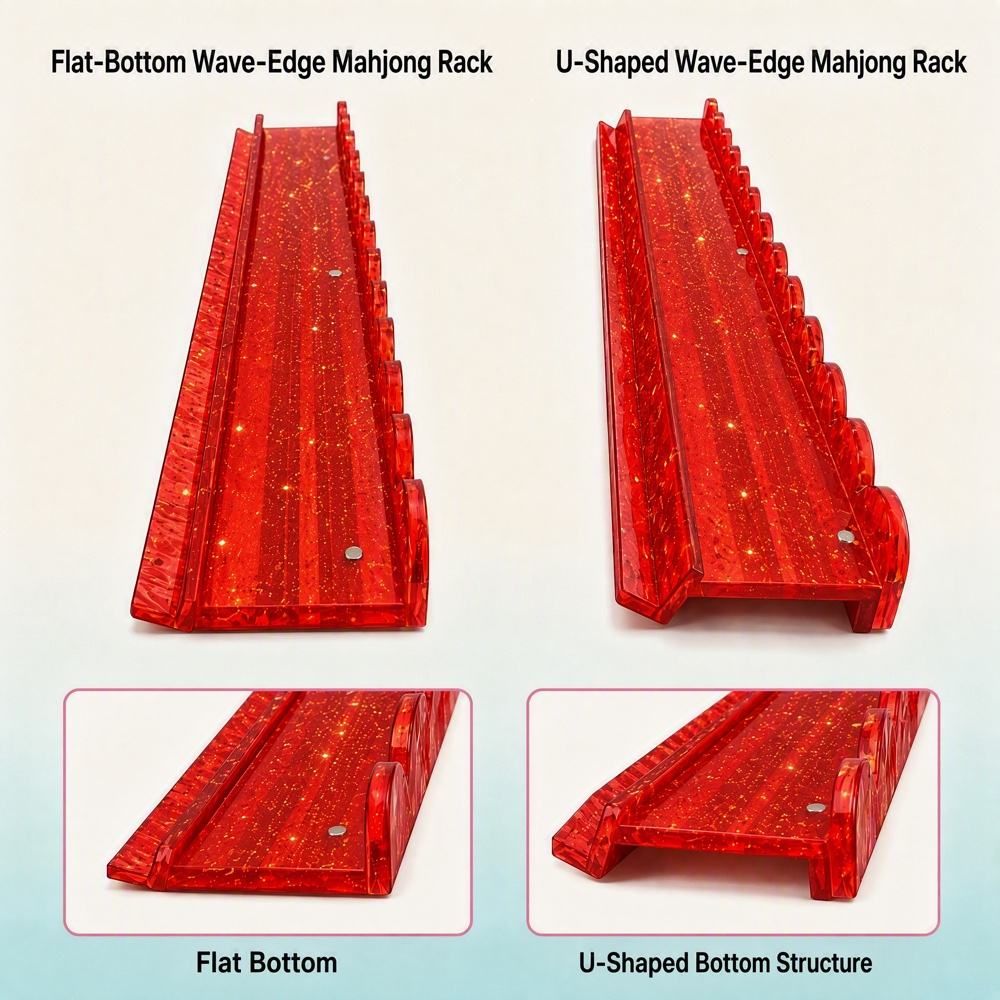
Four racks with pushers | Lets players hold hands without strain | Built-in | Stacking tiles by hand (slow, messy) |
Side table for food/drinks | Separates beverages from play area | 10 min | Cups on game table (tile damage risk) |
Tile storage bag | Protects tiles during transport and storage | 5 min pack | Loose tiles in a shoebox (chips/fades) |
Current scorecard | Players trust the tally; avoids disputes | 2 min per game | Mental math (slows endgame) |
How do you host a first-timer without losing pace?
Brief newcomers during the Charleston, not before play. Explain that American mahjong uses the yearly card (this year's hand list), that the goal is to match a hand on the card, and that jokers are wild. Show them how the rack works: tiles go face-down in the rack's groove, then they face the player, who builds the hand in the rack and calls when ready. Have a veteran sit to their left (the player who discards before them), so they see tiles being called and understand rhythm. Print a cheat sheet (suit names, hand symbols, bonus multipliers) and place it near their seat. Never pause the game to teach; new players learn fastest by watching two rounds, then joining the third. Once they've thrown their first tile and heard a call, the light clicks on.
What's the honest setup and host checklist before guests arrive?
Setup (1–2 hours before):
Wipe the playing surface (dust collects tile grit).
Lay the mat, orient it north–south so light doesn't glare on tiles.
Unpack the mahjong set and shuffle tiles visibly into a central pile (signals fairness).
Place a rack at each of the four compass positions, pushers aligned.
Set a side table 18 inches away with cups, napkins, and water pitcher.
Charge your phone and silence it (you're the timekeeper and score tracker).
Before the First Game:
Confirm all four players know this year's card (have spares printed).
Do the Charleston: East passes right, South passes across, West passes left, then everyone passes a tile left one more time (this is the required tile-mixing ritual).
Deal: East draws 14 tiles, South/West/North each draw 13, East draws one more (total 54 dealt from 152).
East declares whether they hold a closed hand (no calls yet) or an exposed hand (ready to call when matched).
Announce the game number and current wind.
Between Games:
Tally the score loudly (prevents disputes later).
Rotate winds clockwise: East → North, North → West, West → South, South → East.
Reset the tile count (152 tiles + 8 jokers every game).
Ask if anyone needs a break before the next Charleston.
After the Last Game:
Wipe tiles dry with a soft cloth (no paper towels; they shed lint).
Return tiles to the storage bag, ensuring none are left on the mat.
Bag the mat carefully; store it flat.
Confirm next week's date before people leave (momentum builds loyalty).
A common mistake: redealing after someone calls "mahjong" to check if it's valid. Stop. Set the tiles aside, verify the hand against the card together (takes two minutes), and mark the win. Rushing this phase creates tension and bad feelings. Players respect a careful host.
✨ Find your Mahstead set — free US shipping →
What to check before you buy a set for regular brunch games
Tile material: Acrylic is durable and easy to wipe clean. Bamboo looks beautiful but absorbs moisture and stains over time; avoid for brunches with open drinks.
Case quality: A padded bag protects tiles during the commute and storage. Check that the zipper runs smoothly and the interior has dividers (loose tiles rattle and crack).
Joker and blank count: Sets include spare tiles. You use exactly 152 + 8 jokers per game; spares aren't in play but let you replace a damaged tile.
Set completeness: Before the first brunch, count: 36 Bams (numbered 1–9, four of each), 36 Craks, 36 Dots, 16 winds (four each: North, East, South, West), 12 dragons (Red, Green, White—four of each), 8 flowers, 8 jokers. Any short count stops play.
Rack fit: Bring a rack to test with the tiles. Some racks have grooves that are too tight for acrylic tiles; ask or measure before buying.
Many hosts buy once and use for years; spending a little more on a durable set with a good case pays off. We've seen sets survive fifteen years of weekly play when stored flat and wiped dry.
FAQ
How many people can play mahjong at a brunch?
American mahjong is designed for exactly four players. If you have more, run two tables or rotate players in and out between games. Three-player and two-player variants exist but follow different rules.
Should I serve alcohol at a brunch mahjong party?
Many groups do; mimosas and bloody marys are traditional. Set a firm rule: no drinks directly on the table, and no refills once active play starts. One spilled cocktail can ruin a set permanently.
How long does one game of mahjong typically take?
A game averages 20–30 minutes for regular players. Beginners or a table with hesitant callers may stretch to 45 minutes. Plan for three to five games per brunch session.
Can I use a regular dining table instead of a mahjong mat?
Yes, but a mat adds friction that keeps tiles from sliding and marks the play zone clearly. If using a bare table, a thick tablecloth (not plastic) helps, though a proper mat is safer.
What year's mahjong card do I need for a 2026 brunch party?
The 2026 card, issued in spring 2026 by the National Mah Jongg League. Each year's card is different; old cards are invalid. Print several copies or buy laminated ones so all players can reference hands easily.
How do I store a mahjong set between weekly games?
Keep tiles in a padded bag or case, stored flat in a cool, dry place away from direct sunlight. Don't stack heavy items on top; the acrylic can warp or crack under pressure.


View More
View More
View More
