
Fall Mahjong Party Invitations: Wording & Ideas
Last updated: Nov 23, 2026
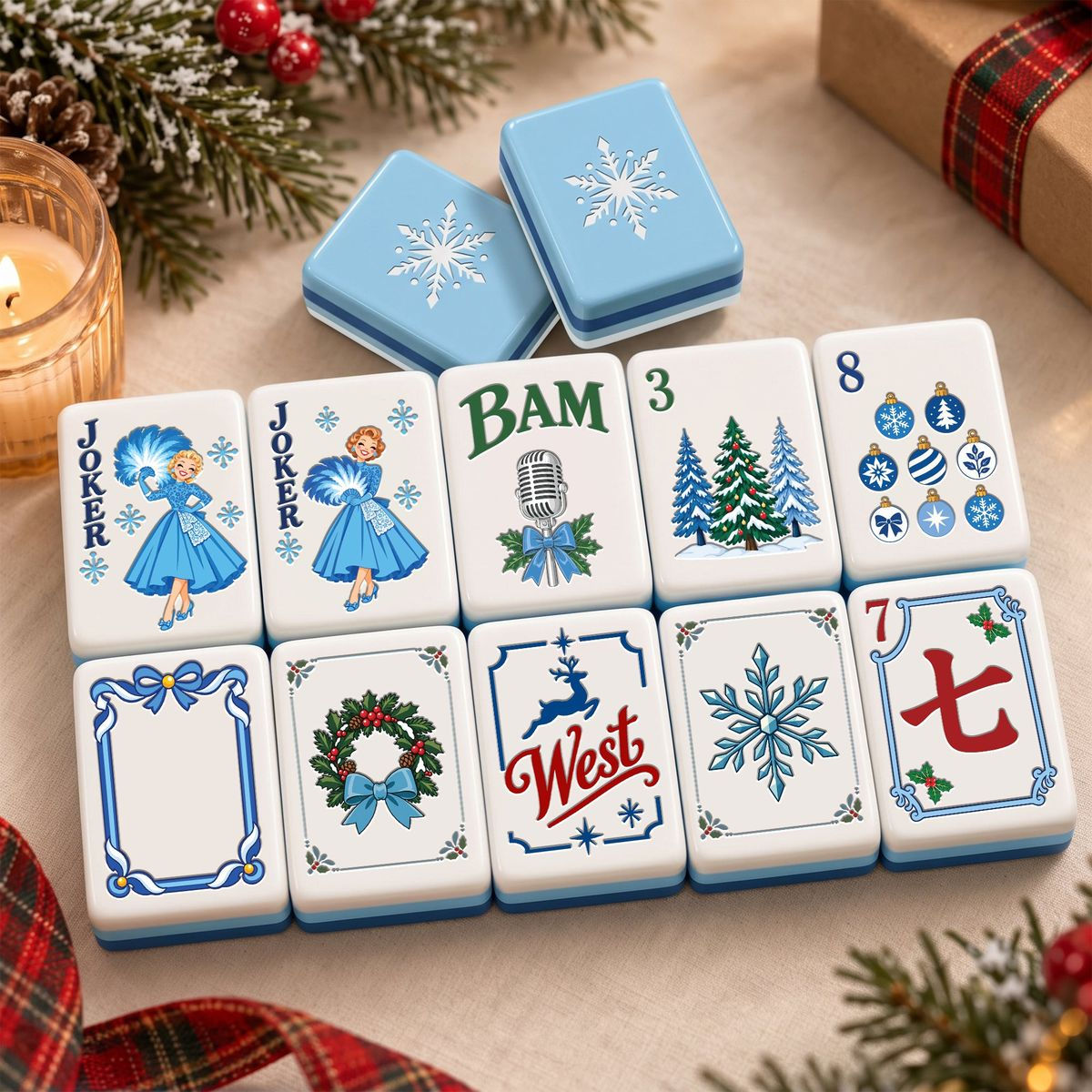
Your fall mahjong party invitation should include the date, time, address, tile set theme (if any), what to bring, and a note about the league card for that season. Keep the tone friendly and informal—mahjong nights thrive on comfort and humor. Mention if you're providing tiles or if players should bring their own, whether food/drinks are included, and the player count (always four for American mahjong). A personal touch—a joke about tile luck, a nod to fall décor, or a playful reference to "no phones, just tiles"—makes the invite memorable. At Mahstead, we've found that invitations paired with a fresh best-selling mahjong set or custom mat set the right vibe and show your guests you've put thought into the night. 🀄 Shop best-selling mahjong sets →
What tone works best for a fall mahjong invite?
Warm, informal, and slightly playful. Fall gatherings feel cozier than summer ones, so lean into that: reference the season, mention blankets or cinnamon, and joke about tile-shuffling replacing leaf-raking. Avoid corporate formality—mahjong players bond over laughter and ritual, not rigid schedules. A line like "Bring your tile brain and your appetite" or "Fall back into mahjong Thursdays" works far better than "Please RSVP by October 3rd." One sentence of genuine personality beats three sentences of logistics. Your guests will remember the warmth, not the punctuation.

Which details must be in every fall mahjong invitation?
Date, time, location, player count, what tiles/card to bring, and one personal note. Here's a checklist:
Date & time: "Saturday, October 18, 6 p.m." (be specific; no "around 6")
Location: Full address, parking notes if needed
Player count: "Four players confirmed—no wait list, sadly"
Tiles: "Bring your set" or "I'm providing tiles"
League card: "This year's NMJL card essential" or "All card years welcome"
Food/drinks: "Potluck: one bring, please" or "Snacks & tea on hand"
Attire: Optional for fall; "Cozy clothes recommended" adds warmth
Phone policy: "No phones, just tiles" signals your game's focus
RSVP deadline: Give 5–7 days' notice
Don't bury logistics in a wall of text—use line breaks or bullet points. Players skim invitations the first time; clarity wins over cleverness.
How do you write a funny fall mahjong invitation?
Humor works if it's specific to mahjong or fall, not generic. Compare these:
Approach | Example | Why it lands |
Seasonal callback | "October tiles are back on the table—pumpkin spice optional, tile luck mandatory." | Recognizes fall without cliché |
Self-aware struggle | "Will we ever finish a game before midnight? Come find out." | Honest, relatable to longtime players |
Mild threat/jest | "RSVP or I'm Konging your favorite hand next week." | Inside joke, playful stakes |
Prop humor | "Leaves are falling. So will your hands. See you Saturday." | Short, punchy, tile-focused |
New-player friendly | "Never played? Perfect. Experienced tile sharks? Even better. Either way, we eat." | Inclusive, removes intimidation |
Avoid jokes about luck, money, or "how hard it is"—those feel tired to the people hosting every week. The funniest invites reference your group's running gags: inside jokes about the person who always forgets the card, the player who calls out loud, or the kitchen table that always hosts.
🎁 See our most-loved mahjong sets & accessories →
Should your invitation mention the mahjong set itself?
Yes—especially if it's new or themed. A fresh engraved American mahjong set or a custom mat with a fall design tells guests you're serious about the night and adds anticipation. Try wording like: "Hosting on our new acrylic set this season—tiles have been waiting all summer" or "Breaking out the fall colors mat to match the weather." If your set is heirloom or carries group history, mention it: "Back to the blue set Donna passed down—let's make it lucky again."
Conversely, if players are bringing their own tiles, say so clearly and early: "Bring your favorite set—this round is about trying new hands, not matching tiles." Some groups rotate who hosts and who brings equipment; state your expectation upfront to avoid the awkward "Did you think I'd provide?" moment. A thoughtful invitation respects both tradition and logistics.
What's the best format for sending fall mahjong invitations?
Text, email, or a printed card each work—choose based on your group's style.
Text or messaging app: Fastest for regular players; works if everyone already knows the time and only details change. Best for established groups. Risk: easy to miss or forget.
Email: Lets you include a calendar invite (the date/time auto-fills players' calendars). Works for mixed-skill groups and first-timers who need time to prepare. Include a backup phone number.
Printed card or handwritten note: Charming for a special season or a first invite. Shows effort. Leaves a physical reminder on the fridge.
Group chat or social media private message: Casual, works if your group is already online. But don't rely on algorithms to deliver it—confirm RSVP verbally or via a separate message.
Best practice: Send 10–14 days before the date. A reminder text two days prior catches forgetful players. For new players or first-timers, always include a link to a beginner guide—point them to how to play American mahjong so they arrive confident, not nervous.
How to pair your invitation with the right equipment for a polished night?
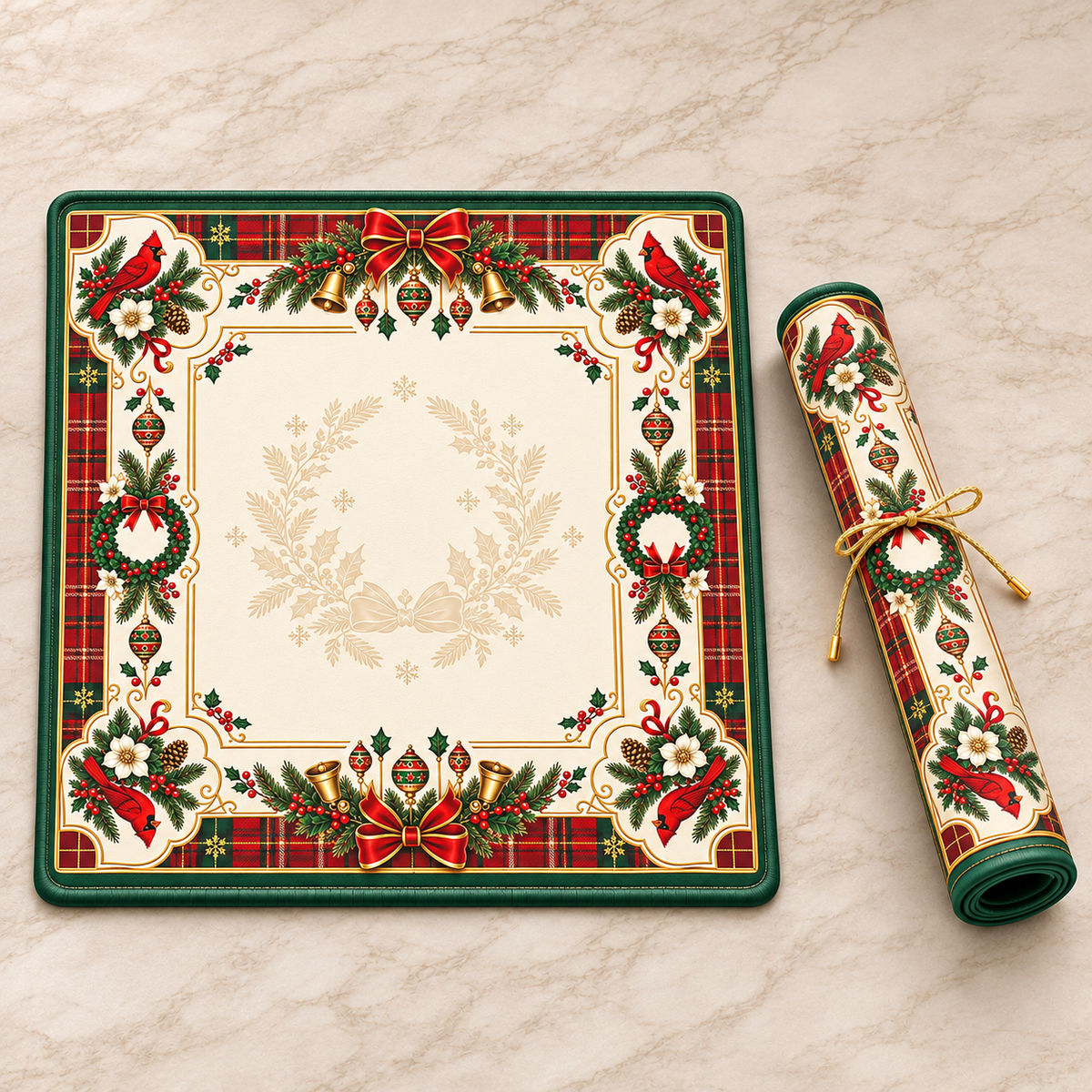
Your invitation's tone should match the set and mat you'll use. A playful, casual invite pairs with best-selling mahjong sets in classic acrylic; a more formal or nostalgic invite works with heirloom sets or vintage-inspired designs. A custom mahjong mat with autumn colors or your group's initials elevates the whole experience—guests see the mat before they sit down, and it signals you've prepared. If you're hosting new players for the first time, a clean, well-lit best-selling set with clear tile markings and racks with pushers shows professionalism and removes friction. Players focus on the game, not on squinting at tiles or juggling hand balance.
For a casual friend group, your equipment can be more relaxed. For a mixed group (beginners and experienced), invest in clarity: larger tile faces, a padded mat to reduce noise and keep tiles from sliding, and a dedicated travel bag so your set arrives intact and ready. The invitation is the promise; the equipment is the delivery. Match them.
What to check before you send your fall invitation
Player count locked in? American mahjong requires exactly four players.
Date conflict-checked? Ask 2–3 key players before you pick the date.
Card year confirmed? Mention which year's NMJL card applies (hands change annually).
Hosting equipment ready? If you're providing tiles, set them out and count them—152 tiles plus 8 jokers, no missing pieces.
New players warned but welcome? Don't say "experts only"; instead, say "all levels encouraged; crash course before we start."
Backup plan noted? Mention what happens if someone cancels (do you reschedule, or play 3-handed?).
Tone matches your group? Read it aloud. Does it sound like you, or like a wedding invitation?
✨ Find your Mahstead set — free US shipping →

FAQ
Can I send a group invite or should each player get their own message?
Group messages work for standing games (weekly repeats). For new or occasional gatherings, send individual messages to ensure each player feels invited, then use a group chat for quick replies. One-on-one invites feel more personal and give shy players room to ask questions without an audience.
What if my mahjong group plays different variants—should I mention it in the invite?
Yes. If your group plays American mahjong, say so explicitly—don't assume. If anyone plays Chinese, Riichi, or Hong Kong mahjong, clarify which rules apply that night. Inviting a player from another variant without mentioning the ruleset is unfair; they'll arrive unprepared. A simple "American mahjong, NMJL card rules" clears it up fast.
How far in advance should I send fall invitations—and should I do it for every season?
Send 10–14 days before for casual games, 3 weeks for first-timers or large groups. Seasonal themes (fall, winter, summer) work if your group enjoys them; they don't have to be mandatory. One well-timed, thoughtful invite beats dozens of generic ones. Experienced groups often rely on standing dates (e.g., "every Thursday at 6 p.m.") and send invites only for exceptions or seasonal changes.
Should the invitation mention cost or pot rules if money is involved?
Yes—absolutely. Be direct: "No money—just tiles and fun" or "Friendly quarter ante, $2 max." Avoid ambiguity about stakes. Some players won't join if there's gambling; others expect it. Clarity upfront prevents awkwardness. If it's your first time hosting a paid game, mention it so experienced players bring cash and first-timers know what to expect.
What's the best way to word an invitation if I'm asking players to bring their own tiles?
Say it early and clearly: "Bring your favorite set—we'll rotate who provides equipment each season." Or: "Each player brings their own tiles this round." If you're providing some sets for players who don't own one, say so: "Bring your set, or let me know and I'll have a spare ready." Don't leave it ambiguous; many players will assume the host provides and show up empty-handed.
Can I send a fall invitation via social media or does it feel too casual?
Social media works fine if your whole group is active there and checks messages regularly. Risk: posts disappear, messages get buried, and some older players may miss them. Best practice: send the invitation via the method your group already uses (text, email, or app). If you do post on social media, follow up with a direct message to confirm each player received it and is coming.


View More
View More
View More
