
Fundraiser Mahjong Tablescape: Set the Scene Right
Last updated: Nov 23, 2026
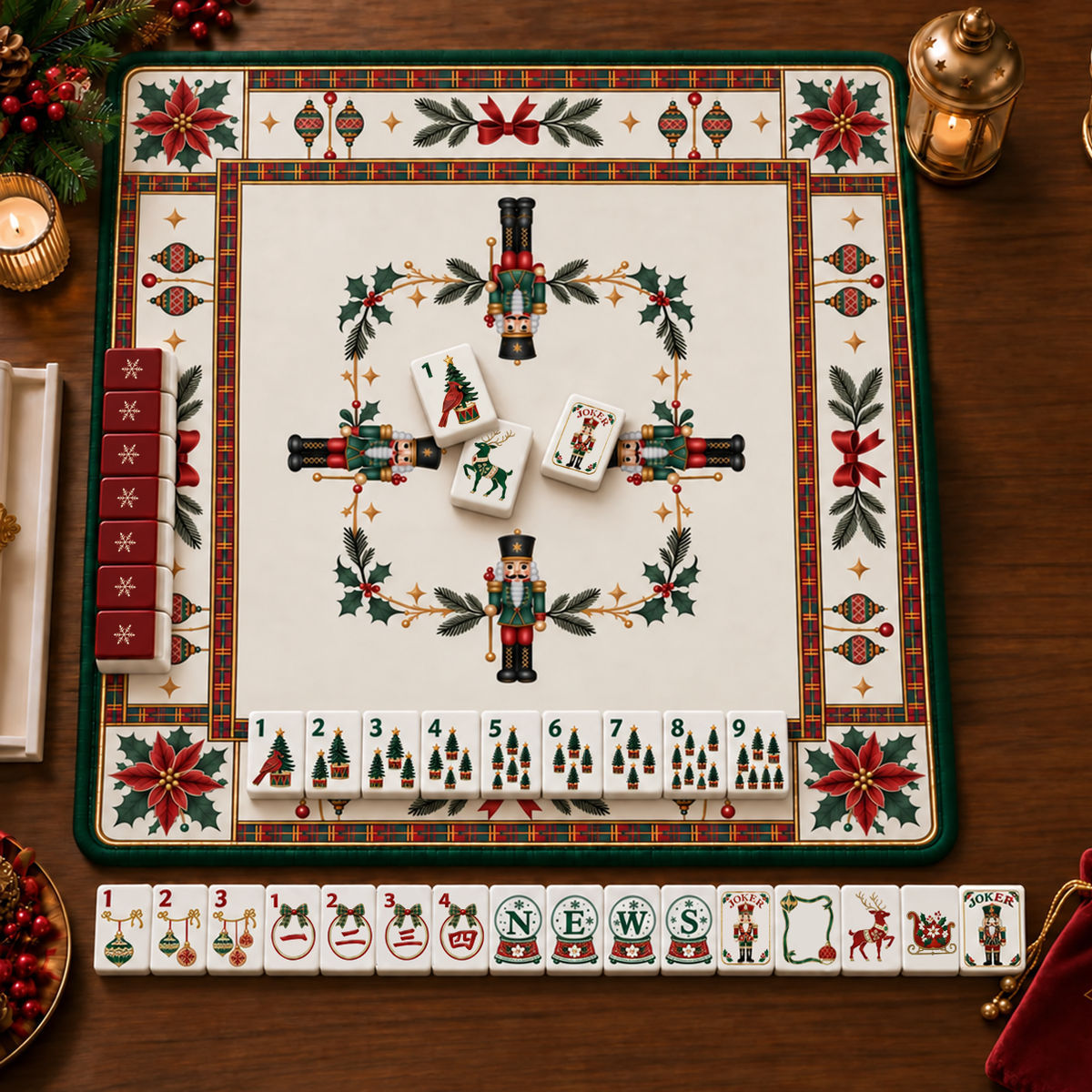
A fundraiser mahjong tablescape is the visual and functional centerpiece of a fundraising game night: it includes an engraved or themed American mahjong set (160 tiles), a cushioned mat sized for four players, tile racks with pushers for each seat, and often a matching storage bag or case. The goal is to create a polished, photo-ready table that draws interest while supporting clear, honest play. Budget 2–3 hours before guests arrive to unpack, arrange, and test the layout. Most successful fundraiser hosts use best-selling sets with custom engravings (team names, cause, year) to reinforce the event's mission. Avoid overcrowding the table with decorations that obstruct sight lines or interfere with jokers and rack movement; stick to the mat, tiles, and racks as your design foundation, then add lighting and signage around the table perimeter. 🀄 Shop best-selling mahjong sets →
What Does a Fundraiser Mahjong Tablescape Actually Need?
A working tablescape has four non-negotiable elements: an American mahjong set of 160 tiles with eight jokers, a padded mat scaled to your table (36–48 inches square is standard), four racks with pushers so players can hold and display tiles neatly, and good lighting so donors and spectators can see the hand patterns clearly. Start there. Everything else—table covering, centerpieces, signage, donation cards—sits around the core play zone, not inside it. Many fundraiser hosts miss this and clutter the actual mat, which ruins the visual and slows the game.
Why Does Tablescape Design Matter for a Fundraiser?
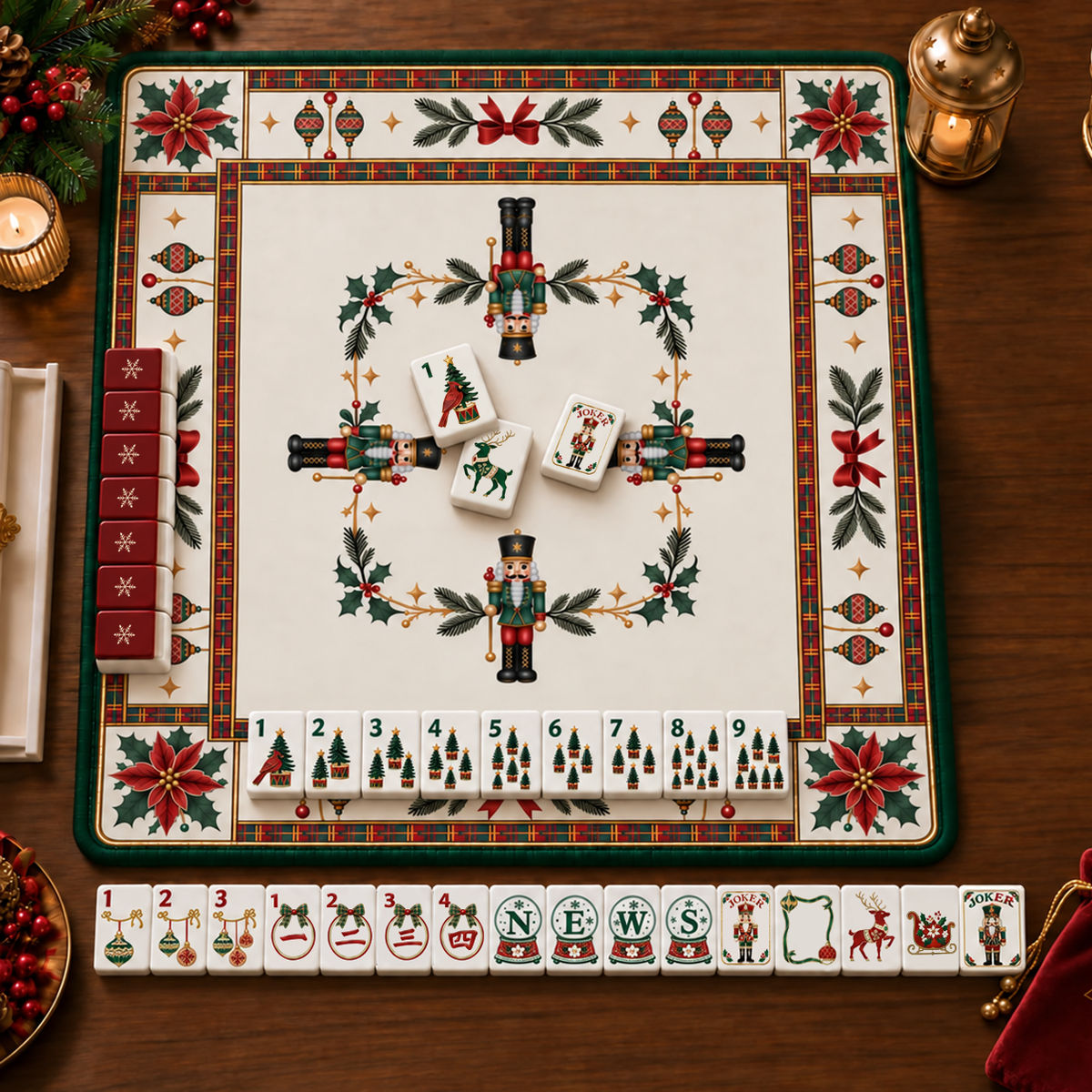
Donors and casual spectators decide whether to join or contribute within the first 30 seconds of looking at your table. A well-lit, organized setup signals professionalism, respect for the game, and confidence in the event—all of which open wallets. A chaotic pile of loose tiles and no racks signals disorganization. The tablescape is your silent pitch. Photograph your setup and post it in advance; it drives registration. Players also perform better when the table is calm and ergonomic, so the game itself runs faster, meaning more tables can play more rounds in a single evening, raising more money.
How Do You Size and Position a Mahjong Mat for a Fundraiser?
Standard American mahjong mats range from 30 to 48 inches; for a fundraiser with spectators standing nearby, choose at least 36 inches so everyone can see hand development and call patterns. Position the mat centered on your table, leaving 4–6 inches of clear table edge on all sides for racks, water glasses, and dealer cards. Use a mahjong mat that clearly displays suit colors and zones—acrylic or rubber tops work best under stage or overhead lights because they don't glare. Set each of the four racks at 90-degree angles (one per player, North/East/South/West) so seated players can hold tiles without reaching across the mat. This layout also lets standing spectators see all four hands clearly, which boosts engagement and makes people more likely to donate.
What's the Difference Between a Personal and a Fundraiser Set?
A personal set is chosen for home play and comfort; a fundraiser set should be chosen for visibility, durability, and branding. Engraved American mahjong sets with your nonprofit name, cause, or event year embedded on the tile faces or case create a memorable keepsake for players and reinforce donor recognition. Acrylic tiles hold engraving sharp longer than bamboo and photograph better under mixed lighting. Fundraiser sets also benefit from a matching case or travel bag so you can transport the tablescape safely between rehearsals, donor previews, and the event itself. A personal set might be stored at home; a fundraiser set is your traveling asset and brand ambassador, so treat it as such.
Element | Home Game | Fundraiser | Why It Matters |
Tile material | Bamboo, resin, acrylic | Acrylic, engraved | Durability + photo clarity |
Mat size | 30–36 inches | 36–48 inches | Spectator sight lines |
Racks & pushers | Optional; hand-held okay | Four full sets, pushers | Player comfort + hand visibility |
Case or bag | Nice-to-have | Essential | Transport, setup repeatability |
Lighting | Ambient room light | Overhead + side lights | Highlight tiles, patterns |
Branding | None | Engraving or signage | Donor recognition |
What Lighting and Surrounding Décor Amplifies the Tablescape Without Cluttering It?
Position table lamps or LED strips on either side of the mat (not directly above, which casts shadows) to make tiles glow and suit colors pop. Hang a banner or sign 2–3 feet behind the table stating the fundraiser cause and donation amounts. Keep the mat itself bare except for tiles, racks, and jokers. Place bid sheets, scorecards, and donation cards on a small stand next to (not on) the table. Use a neutral tablecloth under the mat so colors don't fight. If your venue allows, project your event hashtag or cause tagline on the wall behind; it doesn't clutter the table but reinforces the mission in every photo. Players and spectators naturally photograph well-lit, branded tables and share them; that organic social media is worth more than any centerpiece.
How Many Tables and Sets Should a Mid-Sized Fundraiser Have?
For 40–60 guests (one shift of play), plan for three to four game tables; for 100+ guests or multiple rounds, five to eight. Each table needs its own set, mat, four racks, and pushers. Pooling sets between shifts saves cost but adds 15 minutes of setup and pack-down per transition, which fatigues volunteers and shortens play time. Dedicated sets per table cost more upfront but yield smoother events and, critically, better photo ops—prospective donors see active, beautiful tables, not a setup crew scrambling between shifts. Use best-selling mahjong sets as your baseline and add engraved or themed sets to the host or VIP table to draw premium sponsors.
What to Check Before You Buy
Tile count: Every set must contain exactly 160 tiles (152 playing + spare tiles) and eight jokers. Verify this in the product description.
Mat dimensions: Measure your table length and width; choose a mat 2–4 inches smaller in each direction so it sits centered with edge room.
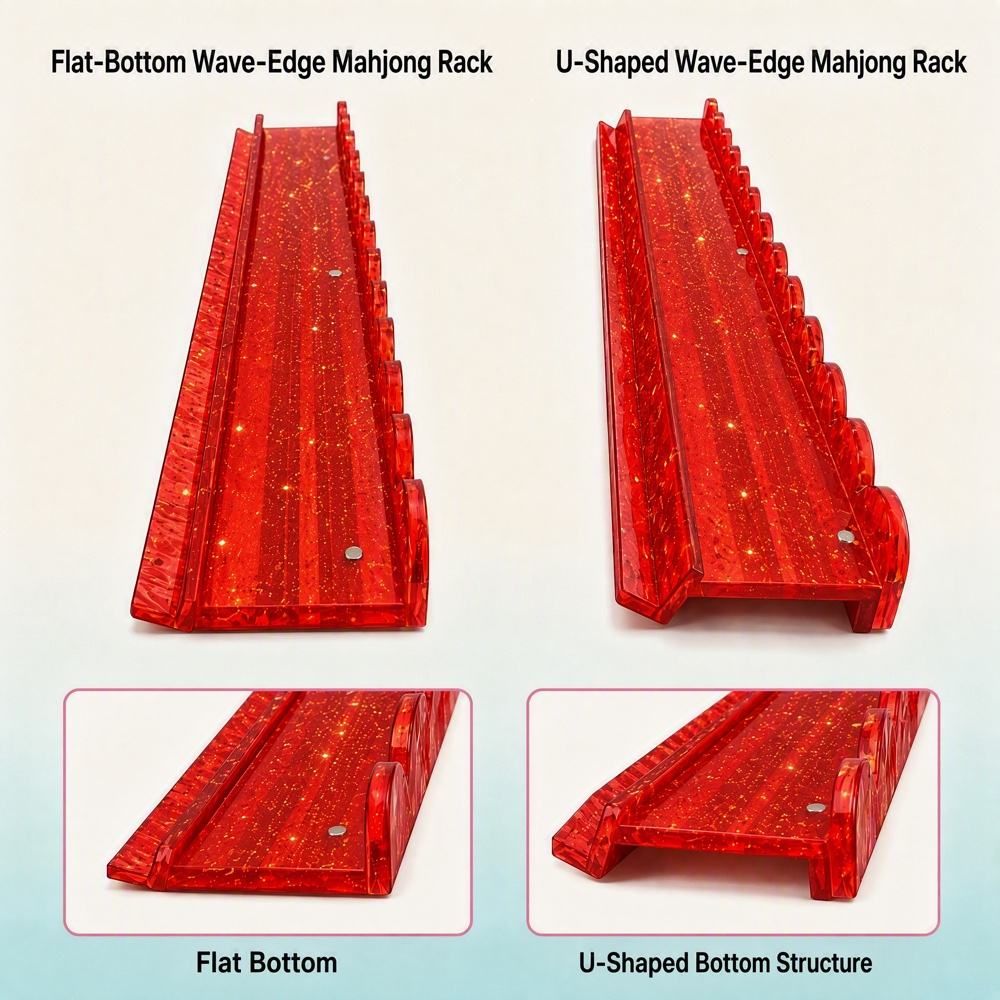
Rack height and pusher fit: Tall racks can block sightlines; test or ask for measurements if fundraiser spectators will stand beside tables.
Acrylic vs. bamboo: Acrylic photographs brighter and holds engravings longer; bamboo feels traditional but is harder to engrave durably.
Case sturdiness: If transporting between venues, a hard case protects tiles from breaks better than a soft bag during loading.
Lighting: Bring clip lamps or LED strings yourself; don't assume venue lighting will be adequate.
🎁 See our most-loved mahjong sets & accessories →
Getting the Tablescape Right: A Quick Checklist
Set choice: Engraved acrylic best-selling sets with your cause name or year.
Mat: 36–48 inches, rubber or acrylic, clearly marked zones.
Racks & pushers: Four full sets, tested for stability.
Lighting: Overhead + side lamps to highlight tiles.
Signage: Cause, donation levels, hashtag visible but not on the mat.
Transport case: Hard or reinforced soft case to move between venues without damage.
Spare tiles & jokers: Keep packaged and ready in case of a crack or loss mid-event.
Rehearsal: Run a full setup 1–2 weeks before the event; time it and photograph it.
Social media assets: Post setup photos 1 week prior; tag sponsors and cause.
Volunteer brief: Train table staff on tile handling, joker placement, and photo-taking so guests don't worry about gear.
✨ Find your Mahstead set — free US shipping →

FAQ
Can I use a regular table cover instead of a mahjong mat for a fundraiser?
A plain tablecloth works as a base, but a dedicated mahjong mat with printed zones, suit colors, and placement guides makes the game clearer for spectators and players alike. Mats are designed for wear and fast cleaning between rounds. Fundraisers benefit from the professionalism and visibility.
Should I buy matching racks and pushers, or can I mix them?
Matching racks with pushers look more cohesive and photograph better. Mismatched racks signal improvisation, which can undermine donor confidence. Budget for a complete set of four racks per table.
Do I need to transport my sets, or will they stay at the venue?
If you're holding the fundraiser at one fixed location, the sets can stay in a secure storage area on-site. If you're managing multiple dates or venues, invest in a durable mahjong case or travel bag so tiles don't crack or shift during transport.
What engraving options work best for a fundraiser cause?
Short, punchy lines like the nonprofit name + year, or a cause motto, work best. Avoid overly detailed designs; they're harder to read at a glance. Acrylic sets hold engraving clarity longer than bamboo, so choose acrylic if branding is a priority.
How bright does the lighting need to be?
Aim for 500–750 lumens per table (equivalent to two 40-watt LED bulbs). Test it with your tiles and mat beforehand; you want tiles visible from 6 feet away without glare or harsh shadows. Adjust angle and intensity based on your venue's ambient light.
Can I use a 152-tile set for a fundraiser, or should I go with 160?
Use the standard 160-tile set. A 152-tile set is exactly the right count for play, but a 160-tile set includes spare tiles, which is invaluable if a tile cracks under the stress of repeated setup and teardown at a fundraiser event. The peace of mind is worth the small difference.


View More
View More
View More
