
Easter Mahjong Party Ideas: Games, Themes & Hosting Tips
Last updated: Nov 23, 2026
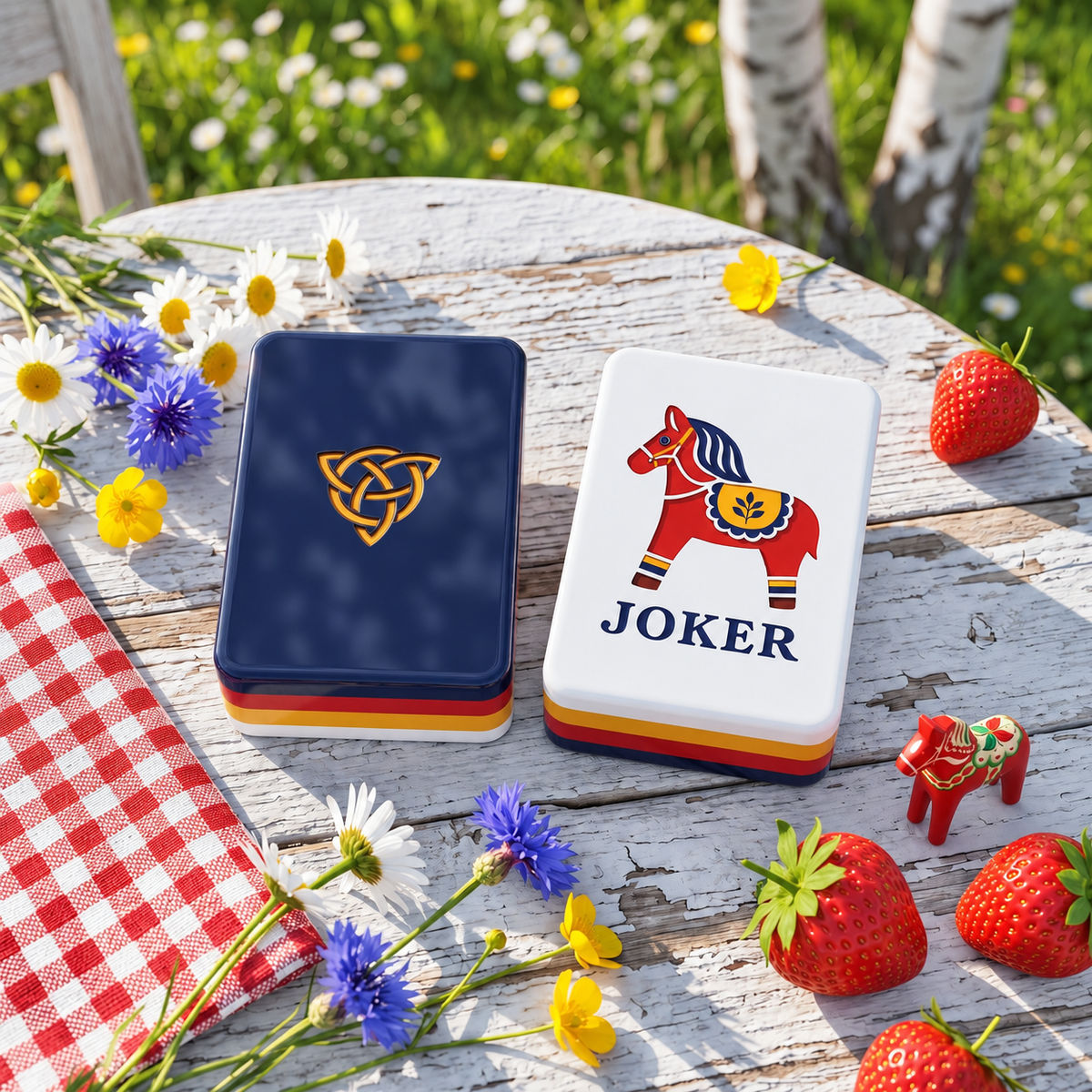
An Easter mahjong party centers on four elements: a themed or decorative tile set, a comfortable play surface, 2–4 players, and snacks. You'll need 152 tiles plus 8 jokers (one standard American mahjong set), the current year's National Mah Jongg League card, and ideally a mat to protect the table and muffle tile noise. Timing: allow 20–30 minutes per hand; plan 4–6 hands for a 2–3 hour gathering. Skip generic pastel "Easter" branding on tiles; instead choose a set with spring-inspired engraving or pair a classic set with Easter decorations around the table. Our best-selling collection includes durable acrylic sets designed for frequent play, and many come with engraved details that reflect personality—a natural fit for a themed party without requiring you to hunt down specialty items.
Easter mahjong parties work best when you layer three simple decisions: tile aesthetics, table comfort, and player experience. Whether you're gathering four regulars or introducing two newcomers to the game, the setup and pacing matter more than an elaborate theme.
What tile set signals "Easter" without being kitschy?
Avoid sets marketed as "Easter"—neon pastels on tiles distract during play and chip easily. Instead, choose a set with spring-inspired engraving (cherry blossoms, tulips, or nature motifs) or a classic acrylic set in soft colors like cream or pale green, then layer the Easter mood through your table setting. Acrylic tiles are durable, easy to clean, and loud enough to hear over conversation—plastic tiles muffle sound and feel cheap after 10 minutes of play. A 160-tile set gives you exactly what you need: 152 playing tiles plus spares. Engraved details on racks or a matching mat (with an Easter-appropriate design or color) reinforce the theme without overwhelming the tiles themselves.
🀄 Shop best-selling mahjong sets →

Should you teach beginners or stick to regulars?
A mixed group—two regulars, two newcomers—plays best; a full-beginner table slows to a crawl. Regulars keep hands moving while beginners learn from live examples. If you're teaching, plan only 3–4 hands and print a beginner guide to the Charleston beforehand; half of first-time confusion stems from the tile-passing ritual, not the game itself. Assign one experienced player to each newcomer as a silent coach during the hand. Avoid "house rules" in a teaching game; use only standard American rules from the current year's League card. A printed one-page how-to-play guide or Charleston explainer helps beginners feel prepared instead of overwhelmed.
How do you arrange a table so everyone stays comfortable for two hours?
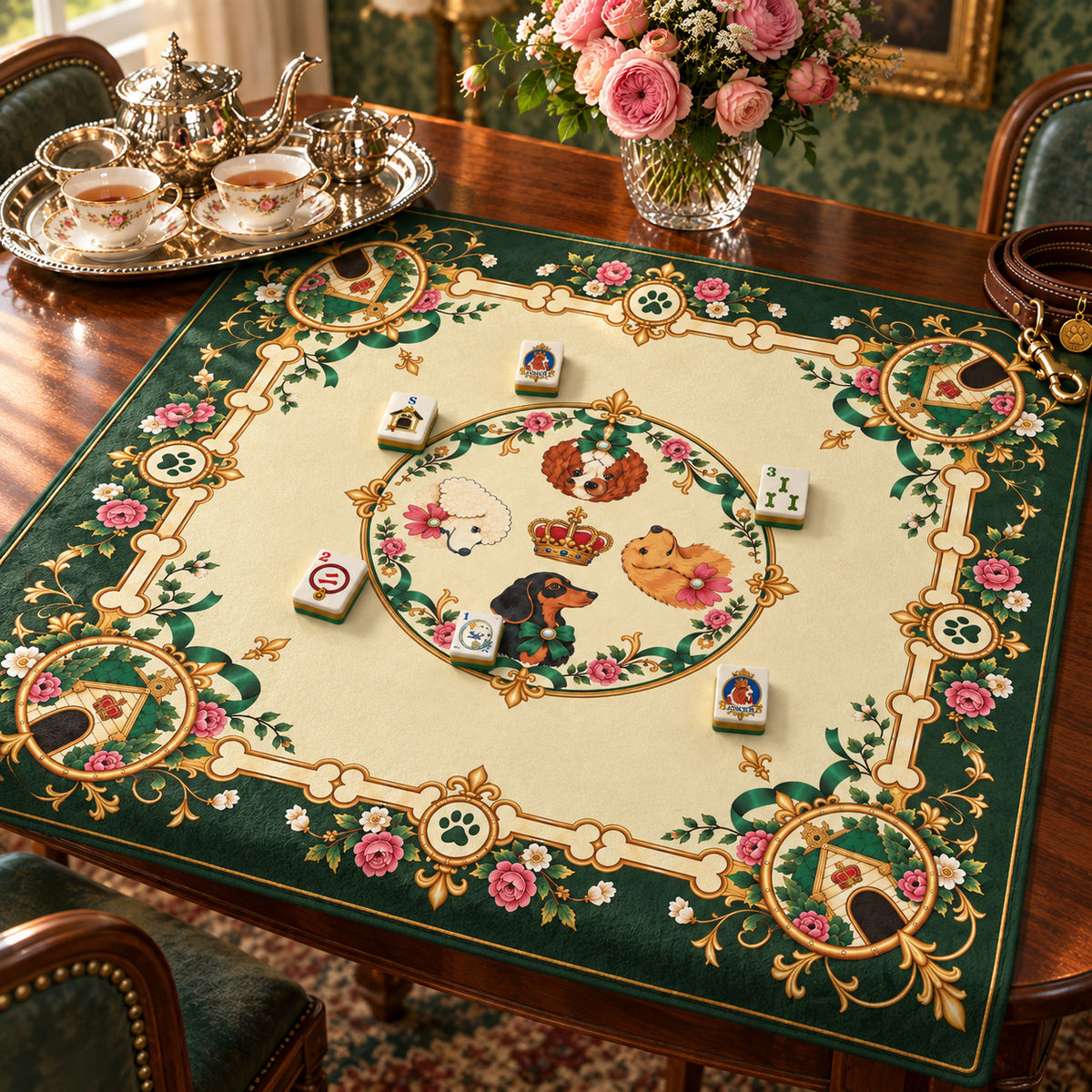
Comfort drives attendance at repeat gatherings. Each player needs 18–24 inches of table edge width to work tiles without reaching; a 48-inch round table seats four comfortably, a 60-inch seats four generously. A dedicated mahjong mat protects the table surface, muffles tile noise (crucial for household peace), and defines the play zone—players unconsciously sit straighter. Pair the mat with racks and pushers; they're not just accessories—pushers reduce hand strain during a long game and keep tiles organized so you can read your hand in seconds rather than scanning a mess of stacked pieces. After two hours, players with hand strain stop coming back. Invest in ergonomic basics.
Element | Why it matters for Easter | What to check |
Mat | Defines play zone; hides stains; mutes noise during family holiday | Fits your table size; non-slip backing |
Racks with pushers | Reduces hand fatigue; keeps tiles readable | Deep enough for 14 tiles; smooth pushers |
Acrylic tiles | Clear, durable, audible; easy to wipe clean after snacks | Engraving doesn't fade; weight feels solid |
Set size | 160-tile set covers all hands; spares stay home | Includes 152 + 8 jokers; no blanks added to play |
What's the one hosting mistake that kills a second invite?
Disorganized hand-starting ritual. Before every hand, someone must confirm: who is East (the dealer, who rolls high), what direction are we going, is the wall set? Half a minute of "Wait, are we going clockwise?" derails the whole flow. Designate one steady player as dealer-caller for the party; they announce East, oversee the break, and keep players on-track. Print a simple one-page turnsheet listing the four hands (North, East, South, West as dealer for one hand each) so no one has to remember. Beginners especially panic when they don't know if they're dealer or when they're coming up next. Structure removes anxiety.

How do you handle snacks without destroying your tiles?
Wet hands and mahjong are enemies—spilled juice hardens in tile crevices and pits acrylic surfaces. Set a "tile station" and a separate "snack station" at least two feet apart. Use small plates and napkins instead of big bowls; ask players to eat and wash hands before sitting. A damp cloth at the mat edge lets someone quickly wipe sticky fingers. If tiles do get wet, dry them immediately with a soft cloth; let them air-dry fully before storing. Acrylic tiles are forgiving compared to bamboo, but prevention beats repair.
🎁 See our most-loved mahjong sets & accessories →
What's an Easter-specific variation to keep veterans interested?
Switch one rule for fun: play one "bonus hand" for charity—all four players agree beforehand that one hand's winner donates their winnings to an Easter food bank or spring cause. It keeps the stakes light and adds meaning. Alternatively, shuffle in a "surprise challenger" rule: if someone goes out with a rare hand (from an unusual section of the League card), they choose the next hand instead of going by turn. These tweaks entertain regulars without confusing beginners. Keep the core rules unchanged so the game remains fair and balanced.
What to check before you buy
Set completeness: Confirm it includes 152 playable tiles + 8 jokers (one standard American set). A 160-tile set is Mahstead's standard; no additional tiles go into play.
Tile size and weight: Acrylic tiles should feel solid and audible—cheap plastic feels hollow. Tiles are usually 1.25" square; confirm before ordering if you're replacing a set your group already knows.
Engraving depth: Spring or Easter-themed engravings should be readable and not wear off with handling. Check product photos or the description for detail.
Mat fit: Measure your table edge to edge; a mat should fit with 1–2 inches clearance on all sides.
Racks and pushers: Confirm rack depth matches the number of tiles your group typically holds (usually 14–15).
✨ Find your Mahstead set — free US shipping →
FAQ
Can I play Easter mahjong with fewer than four players?
Yes. Three players skip one position each hand; two players use modified rules (each draws two tiles per turn). 2 and 3 player rules are standardized and fair. Both work, though four is fastest.
Do I need to buy an Easter-themed set, or will a regular set work?
A regular set works perfectly. Pair it with Easter decorations (table runner, napkins, spring centerpiece) to create mood without compromising tile durability or gameplay.
How many hands should I plan for a 2-hour party?
Plan 4–6 hands. Each hand takes 20–30 minutes with experienced players, less with beginners who take longer to understand scoring. Shorter is better than overrunning; people leave happier.
What's the difference between a mahjong mat and a table cover?
A dedicated mahjong mat has a play surface with walls or a defined zone, muffles tile noise, and protects underneath. A tablecloth is decorative but doesn't muffle sound or organize tiles. For a party, a mat is worth the investment.
Should I provide copies of the rule card or let players share one?
Provide one printed card at the table (or reference it on a phone/tablet). One shared card causes bottlenecks when someone needs to verify a hand. A cheap printed copy costs almost nothing and speeds up disputes.
Can I teach mahjong and have fun on the same day?
Yes, if you limit the group to two newcomers and two regulars, keep it to 3–4 hands, and assign a quiet coach to each beginner. Full beginner tables struggle; mixing experience keeps momentum alive.


View More
View More
View More
