
Do You Need Pushers for Mahjong? A Player's Guide
Last updated: Nov 23, 2026
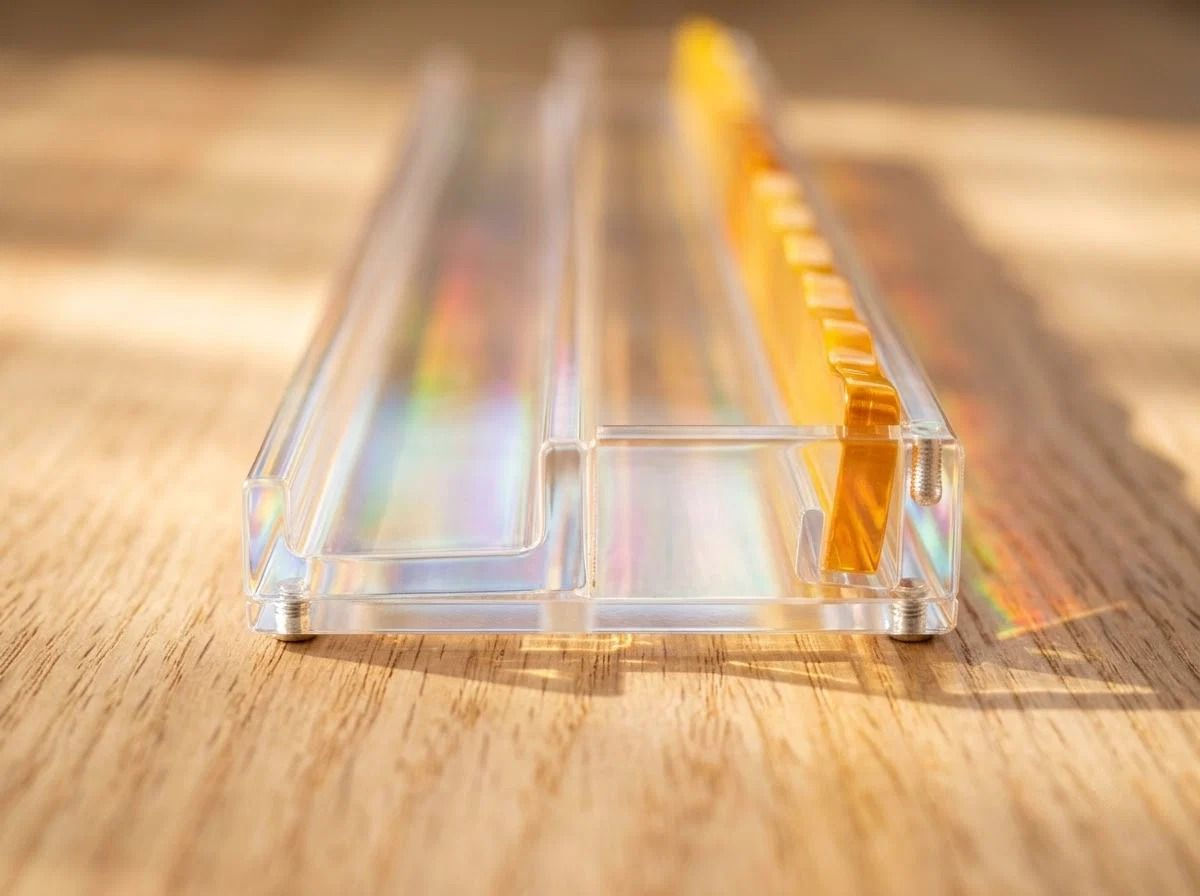
Pushers are optional tools that help you arrange, push, and protect tiles in your hand during American mahjong. They're small wooden or bamboo sticks (typically 2–4 per player) that slide under tile groups to organize them visually and physically on your rack. You don't need them to play legally—tiles can sit loose on any surface—but players who host weekly games or join regular tables almost always use them. A quality set typically includes racks with built-in pusher slots and one pusher per player; Mahstead's mahjong racks with pushers range from simple acrylic designs to engraved sets that double as décor. Expect to invest in a full rack-and-pusher setup rather than buying pushers alone, since they're sold as part of a coordinated system. The main advantage: faster hand management, cleaner table appearance, and fewer accidental tile drops during play.
You don't have to use pushers to play American mahjong—tiles can live in your lap, on the table edge, or loose on a mat. But after hosting hundreds of games, we've watched how pushers change the experience: hands stay organized under pressure, newer players feel less clumsy, and the table looks intentional instead of chaotic. This guide breaks down when they're worth buying, what types exist, and how to choose without overspending.
What exactly do pushers do for your hand?
Pushers are flat, tapered sticks that slide under tile groups on your rack, creating visual separation between melds and loose tiles. They let you push exposed pungs, kongs, and quints forward on your rack face-up while keeping your hidden hand stacked behind them. Without pushers, you're managing three or four piles manually—easy to knock over when you draw a tile or someone else knocks the table. With pushers, each group stays put until you deliberately move it. Most racks include one slot per pusher, so a standard set has three or four pushers for three or four players.

Who actually uses pushers: casual vs. serious tables?
Casual players—people who play once or twice a year at a party—rarely care about pushers. They work with what's at hand: a coffee table, paper plates, or their lap. Serious weekly tables almost always use racks with pushers because consistency and speed matter over a long session. If you're hosting a regular game, investing in matching mahjong racks with pushers signals respect for the game and makes life easier for everyone. New players especially benefit: pushers give them a physical system to follow, reducing confusion about where their melds are and where discards belong.
🀄 Shop best-selling mahjong sets →
Racks with pushers vs. standalone pushers: which do you need?
Here's the honest truth: you almost never buy pushers alone. They're always bundled with racks because the rack is what holds them in place. A standalone pusher sitting on a table is useless. The real choice is what kind of rack system you want—and whether it includes pushers by design or requires you to add them separately.
Setup Type | What's Included | Best For | Key Consideration |
Rack with integrated pusher slots | Acrylic/bamboo rack + 3–4 pushers | Weekly games, hosting | Pushers must match the slot depth |
Basic acrylic rack | Rack only; no pushers included | Budget-conscious players | You'll need to buy pushers separately (less common) |
Engraved/decorated rack with pushers | Full set + personalized design | Gift-giving, permanent table setup | Higher investment but looks intentional on display |
No rack (tiles loose or in lap) | Just tiles and mat | Casual play, travel | No pusher benefit; slower hand changes |
Most players at serious tables own a coordinated rack-and-pusher set. Mixing a generic rack with incompatible pushers creates frustration: slots that are too tight, pushers that slide out, or gaps that let tiles tip over. When you buy from our best-selling mahjong sets collection, racks and pushers are engineered to work together.
What to check before ordering racks with pushers
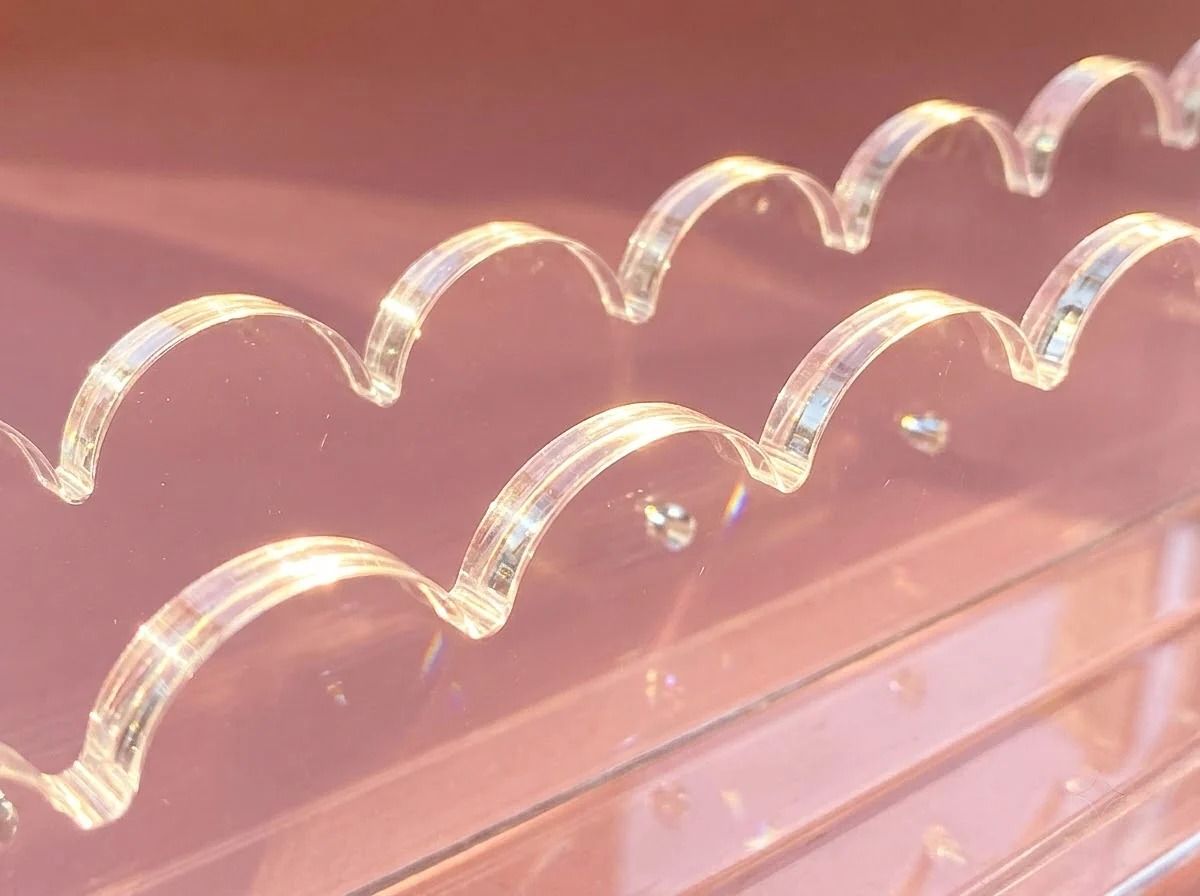
Slot depth and pusher thickness. The pusher must slide smoothly into the rack's slot without binding or falling through. Measure or ask the seller whether the pusher dimensions match the rack—this is the most common complaint we hear. Acrylic racks are generally forgiving; bamboo can warp slightly, so check reviews or ask questions.
Material durability. Acrylic racks are lightweight, easy to clean, and rarely warp. Bamboo racks feel premium but absorb moisture and can swell in humid climates (a problem in Dallas summer games, we know). Pushers are usually hardwood—maple, beech, or bamboo—and rarely break unless dropped hard on tile.
Number of pushers. A standard set has three or four. If your table plays with four people regularly, make sure you have four pushers, not three.
Rack size and tile fit. Tiles come in slightly different thicknesses depending on the set (bone-and-bamboo vs. acrylic). A rack designed for thin acrylic tiles won't fit thick bone tiles comfortably. Our mahjong racks collection pairs racks with tile sizes that work.
Portability. If you travel to games, check whether the pushers fit inside the rack for storage or if you need a separate bag. Our travel bags and cases often have dedicated pusher pockets.
Pusher alternatives: when you might skip them
Playing on a dedicated mahjong mat with printed zones. Some players use a mahjong mat with embroidered player sections, compass directions, and discard areas marked out. The mat itself organizes the game; racks become optional. You still need a way to hold your tiles upright, but a simple stand or your lap works fine.
Play-once casual tables. If you're hosting a holiday game or teaching a neighbor, don't buy a rack system. Borrow one, use a paperback book propped behind tiles, or let players hold their tiles. The game plays identically.
Solo learning or practice. When you're teaching yourself to read hands using the National Mah Jongg League card, you don't need racks or pushers. Spread tiles on a table, manipulate them freely, and focus on the logic.
Two or three player variants. If you're playing 2 or 3 player mahjong, hand management is less complex (fewer tiles per player), so pushers add less value—though they still help keep exposed melds tidy.
🎁 See our most-loved mahjong sets & accessories →
The real decision: are you building a permanent table?
Here's the framework we use when someone asks us this question:
If you host weekly or monthly games: Buy a full rack-and-pusher set. Invest in acrylic or bamboo racks that match your tiles. Pushers become part of your brand—players will remember your table because it looks and feels organized. Pair them with a quality mahjong mat to signal "we take this seriously." Cost is justified by years of use.
If you play once or twice a year: Skip the racks and pushers. Borrow a set if you're visiting a serious table, or improvise at casual games. A good mat is optional; a dining table works fine.
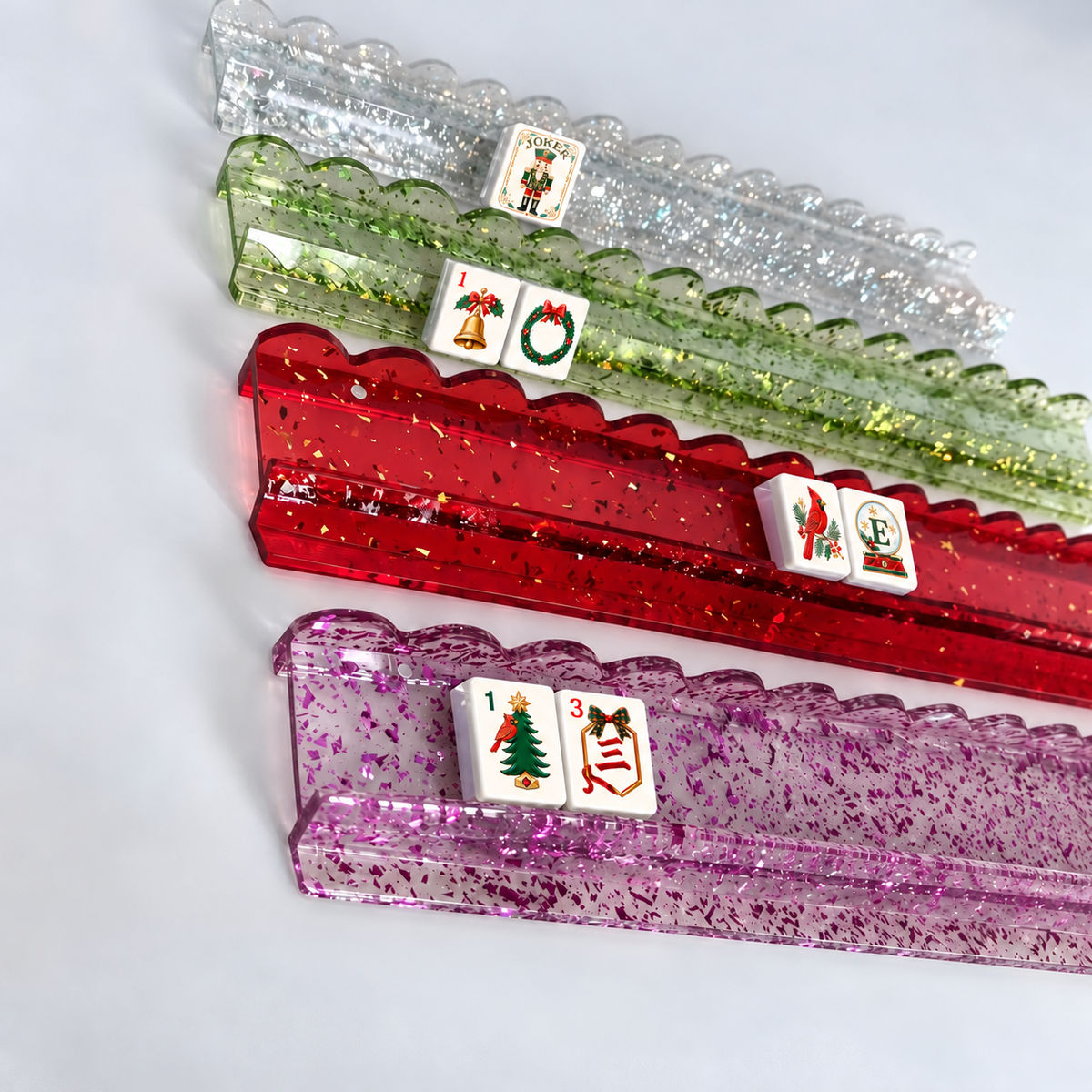
If you're buying for a gift: Choose an engraved mahjong set bundled with racks and pushers—it reads as intentional and complete, not half-finished. Personalization signals you've thought about it.
If you're learning solo: Get a set, but skip the racks for now. Once you join a regular game, invest in racks then.
Our best-selling collection includes full rack-and-pusher systems at price points for each scenario—the most popular options are coordinated packages that save you from hunting down matching parts separately. All Mahstead sets ship free across the US and are designed so tiles, racks, and pushers work together without surprises.
What to check before you buy:
Does the rack include pushers or require you to buy them separately?
Will the pushers fit your tile thickness (acrylic or bone)?
Do you have enough pushers for your table size (3–4 players)?
Can the set store or travel as one unit?
Is the material (acrylic or bamboo) right for your climate and storage?
✨ Find your Mahstead set — free US shipping →
FAQ
Do I need pushers to play American mahjong legally?
No. The rules don't require pushers. You can play with tiles loose on a table, in your lap, or stacked on a mat. Pushers are a quality-of-life tool, not a rule.
Can I use my existing racks with different pushers?
Only if the pusher dimensions match your rack's slot depth and width. Mismatched pushers either jam or fall through. Always check compatibility before mixing brands.
How many pushers does each player need?
Standard is one per player, so three or four total for a four-player table. Some players prefer two per person, but one is standard across most serious games.
Do bone-and-bamboo tiles fit the same racks as acrylic?
Not always. Bone-and-bamboo tiles are thicker and heavier than acrylic. Racks are typically designed for one or the other. Check the product description before ordering.
What's the easiest way to store racks and pushers when not in use?
A mahjong travel bag or case with a dedicated pusher pocket keeps everything together. Otherwise, wrap pushers in the same bag as your tile set and store the racks flat on a shelf.
Can I make my own pushers?
Technically, yes—thin hardwood, dowel, or even popsicle sticks can work. But handmade pushers rarely fit racks perfectly and wear quickly. Commercial pushers are inexpensive and reliable; it's not worth the DIY time.
Do pushers work with engraved or decorative tiles?
Yes. Pusher function doesn't depend on tile design. An engraved set from our mahjong titles collection uses the same rack and pusher system as any other set.


View More
View More
View More
