
Do You Need an Automatic Mahjong Table?
Last updated: Nov 23, 2026
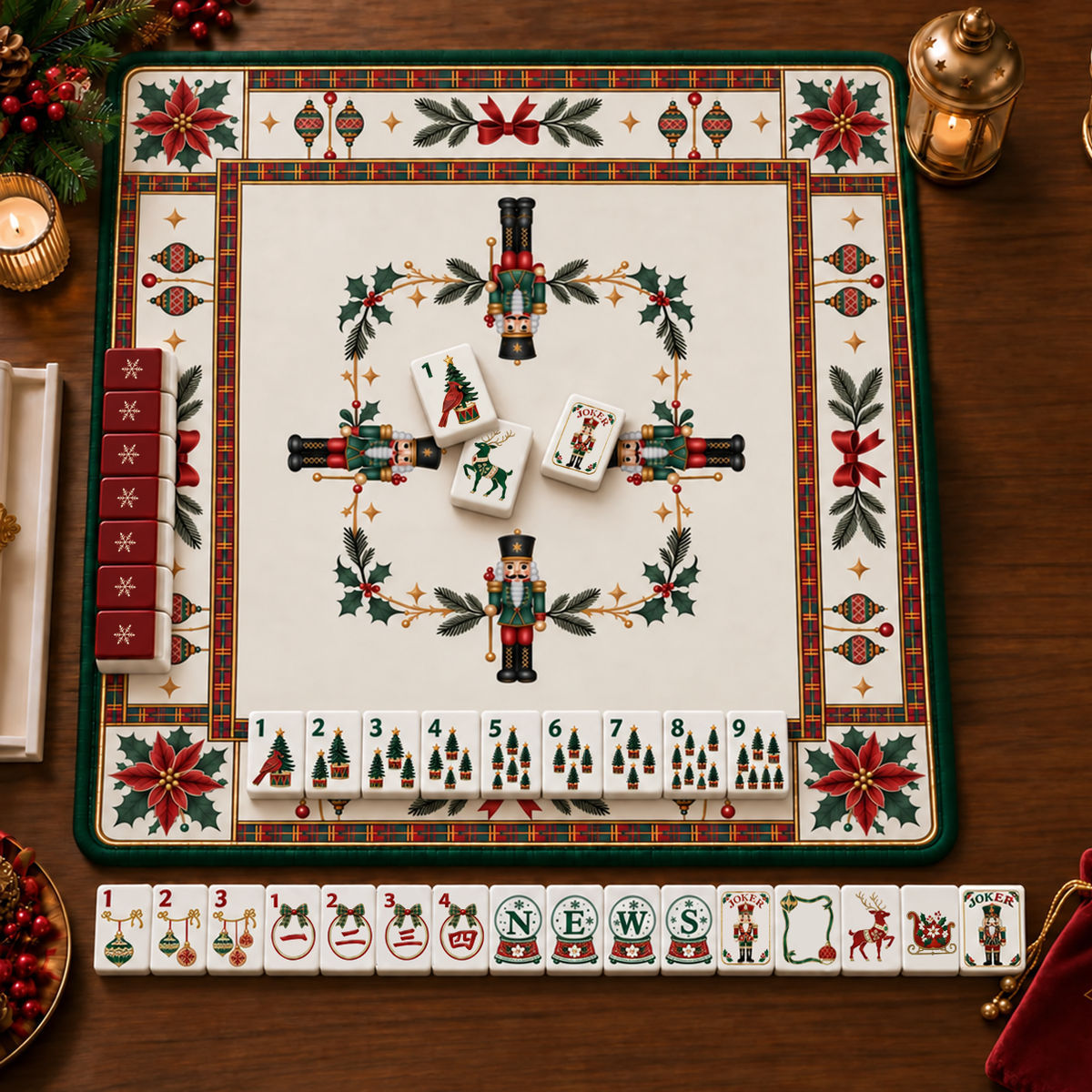
An automatic mahjong table is a motorized surface that shuffles and stacks tiles mechanically before each hand, eliminating manual wall building and the Charleston tile pass. Most are designed for standard 152-tile American mahjong and use a built-in dealer or randomizer to create the initial wall layout. They're popular with players who value speed, consistency, and arthritis relief—but they require significant space (typically 4–6 feet across), regular maintenance, considerable upfront investment, and electricity access. The biggest honest trade-off: they remove the tactile and social ritual of the Charleston, which many of us consider core to the game's rhythm. Automatic tables work best for high-volume play groups or players with mobility limits; casual weekly players usually find a good mat and standard set just as satisfying and far more portable.
What Does an Automatic Table Actually Do?
An automatic table shuffles tiles in a built-in chamber, stacks them into a wall, and sorts them for dealing. Instead of passing tiles back and forth during the Charleston, players sit while the motor runs. The table typically lights up each player's hand area and sometimes tracks scoring automatically. Setup time drops from 10 minutes to 2–3 minutes. The trade-off: you lose the Charleston's social interaction, which many players miss more than they expect.
Do You Have Room and the Right Setup?
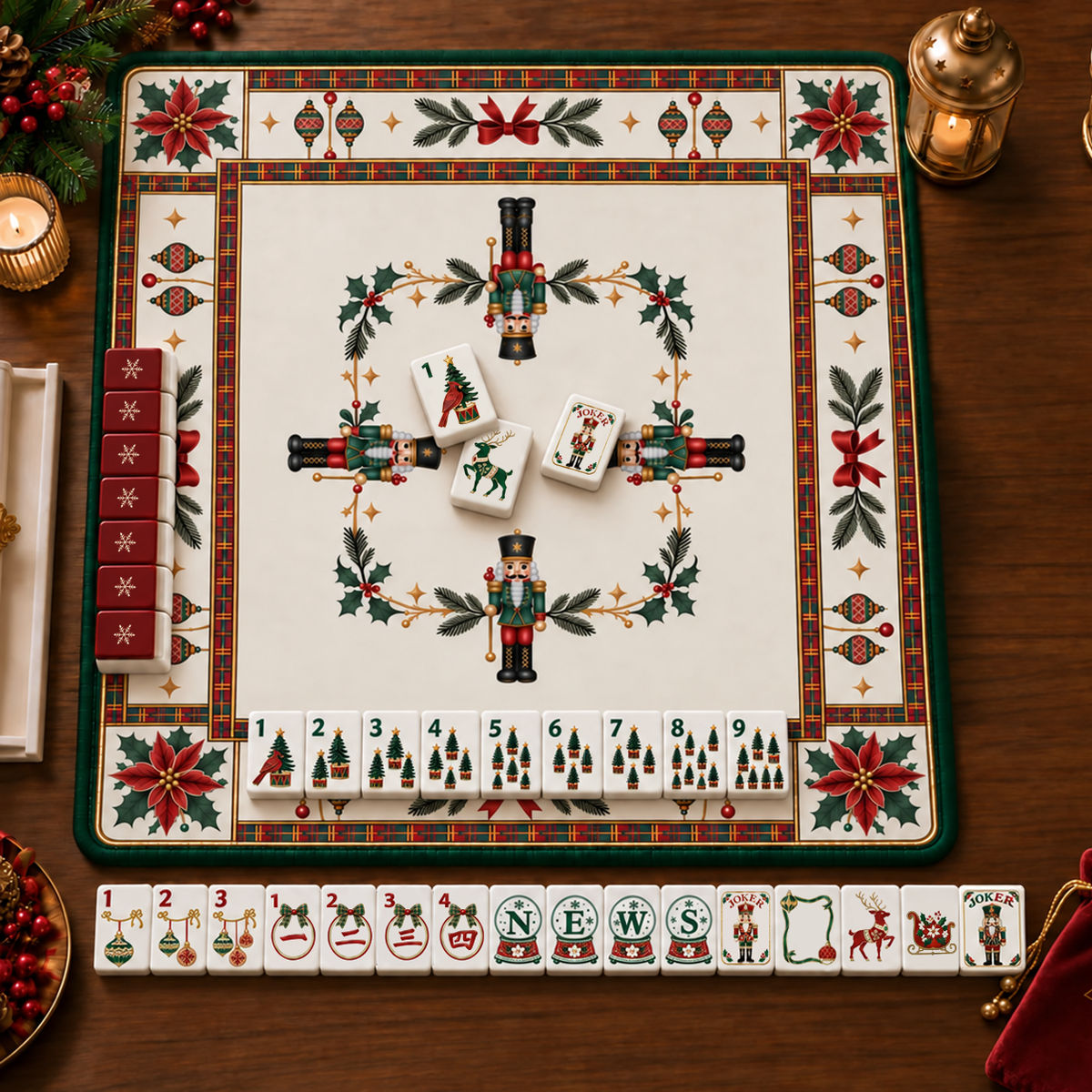
Automatic tables need 4–6 feet of floor space in a dedicated room with stable, level flooring and a nearby outlet. They weigh 100+ pounds and can't be moved easily week to week. A standard folding card table and a quality mat from our collection take up 3 feet, pack into a car, and set up anywhere. If you play in different homes or move your table seasonally, an automatic model creates friction. If you have a permanent game room, the footprint is less painful.
What's the Real Maintenance Burden?
Automatic tables have motors, belts, gears, and moving parts that wear out. Tile jams happen. Springs loosen. Repair technicians are regional—not everyone has access to one nearby. A mat lives forever; a tile set rarely breaks. With an automatic table, you're committing to learning basic troubleshooting and potentially paying for service calls. We've talked to players who've owned automatic tables for five years without a problem and others who spent hundreds in repairs by year two. The variance is real.
Who Actually Benefits Most?
Player Profile | Why Auto Works | Why It Doesn't |
Weekly casual group | None. | Ritual matters; room not dedicated; cost unjustified. |
Daily/tournament players | Speed adds up; arm fatigue matters. | High wear risk; service access critical. |
Players with arthritis | Shuffle pain eliminated; setup easier. | Cost vs. mat + help from friends is a trade. |
High-turnover venue | Multiple games daily; consistency valued. | Must budget for maintenance. |
Travel/portable game | Impossible. | Mat + set far superior. |
The automatic table shines if your group plays 4+ times weekly, stays in one place, and values speed over ritual. Most of us don't fit that profile.
How Does Cost Compare to a Mat Setup?
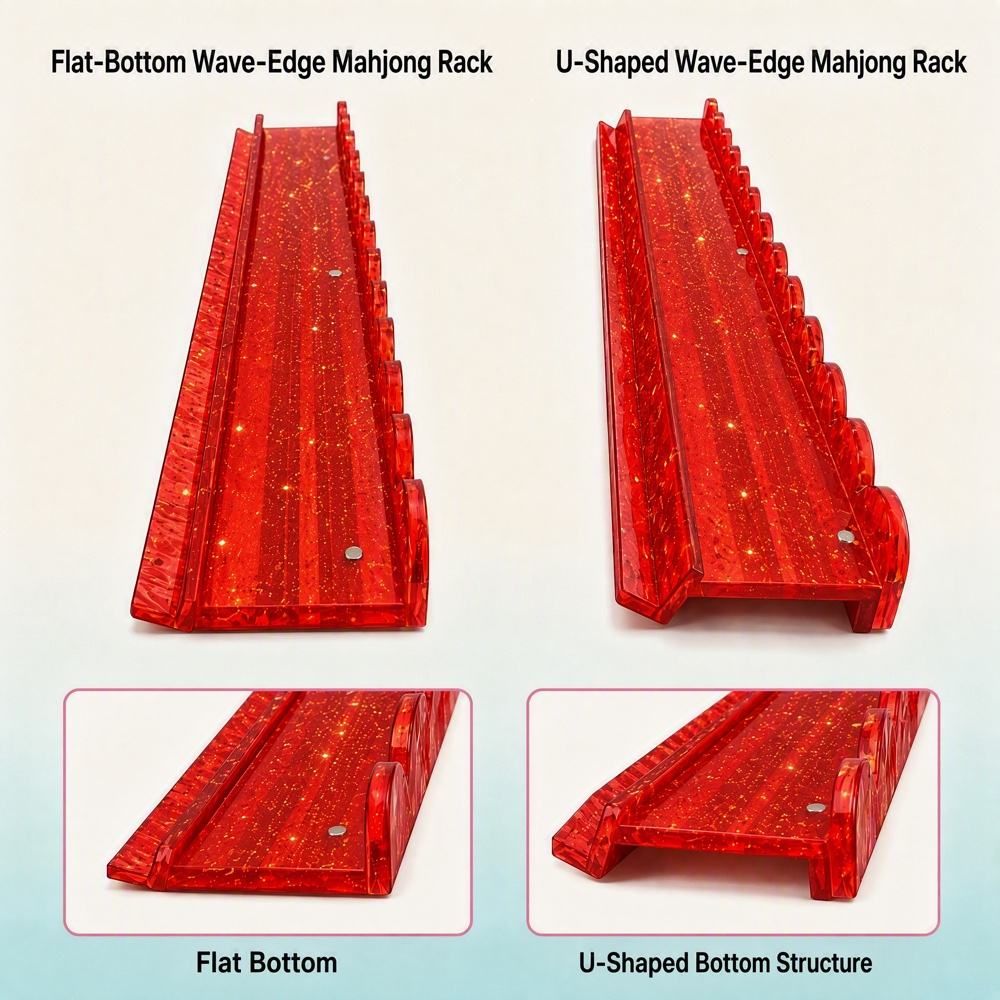
Automatic tables require asking for a quote from dealers (prices vary widely by region and features). A complete mat-based setup—a precision playing surface, a quality tile set, racks with pushers, and a storage case—costs a fraction of that and includes no maintenance. You can also upgrade incrementally: start with a mat and set, add racks later, swap in a new set in five years. An automatic table is all-or-nothing capital spending. We've watched groups spend the table cost on travel cases and backup sets instead and never regretted it.
🀄 Shop best-selling mahjong sets →
The Charleston Is Part of the Game—Don't Dismiss It Lightly
The tile pass isn't friction; it's the setup. The Charleston creates suspense, gives players agency, and builds the social moment before play starts. Automatic tables skip it entirely. Some tournament formats (particularly Hong Kong or Riichi styles) don't use a Charleston anyway, so an automatic table fits better there. But American mahjong players: the pass is tradition. If your group loves it, no motor will match that.
What Should You Check Before You Buy?
Space: Can you keep it assembled permanently, or do you need to move it?
Frequency: Do you play 4+ times per week consistently?
Mobility: Does someone in your group have arthritis that makes manual shuffle difficult?
Service access: Can you reach a repair technician in your region?
Budget: Can you spend the equivalent of a used car on one piece?
Group consensus: Do players actually want to skip the Charleston, or are you forcing it?
Electrical stability: Is your game room outlet reliable, or do you have power fluctuation?
If you answer "no" to three or more, a mat setup is the smarter move.
✨ Find your Mahstead set — free US shipping →
Hybrid Option: Mat + Racks + Help
If you want to speed up setup without buying an automatic table, use a mat designed for organization with built-in guides, pair it with pushable racks that hold tiles upright, and let one player focus on wall building while others handle the Charleston. Setup drops to 5–6 minutes, you keep the ritual, and your total spend stays under mat-and-set cost. This is the honest sweet spot for 90% of home games.
🎁 See our most-loved mahjong sets & accessories →
FAQ
Can an automatic table work with any mahjong set?
Most automatic tables are designed for 152-tile American sets. Some older models or overseas brands may have different tile counts or sizes. Check the table's specs against your set before assuming compatibility.
If I have wrist pain, is an automatic table my only option?
No. Strong racks with pushers reduce strain significantly. Asking friends to help with wall building also works. An automatic table solves it but isn't the only path.
Do automatic tables work for 2 or 3 player games?
Most are built for four players. Some can adapt, but the mechanics get awkward and you lose the dealer positioning advantage. Better to learn 2 and 3 player rules and use a mat setup.
How often do automatic tables need repair?
No reliable data exists on average lifespan because they're regionally distributed. Talk to local owners or your dealer about failure rates in your area before buying.
Can I take an automatic table to a friend's house for a game?
Not practically. You'd need a vehicle with space, a permanent table there, and electrical access. Portable setups with a mat and set are 100 times easier for casual play anywhere.
What's the best mat if I decide not to buy a table?
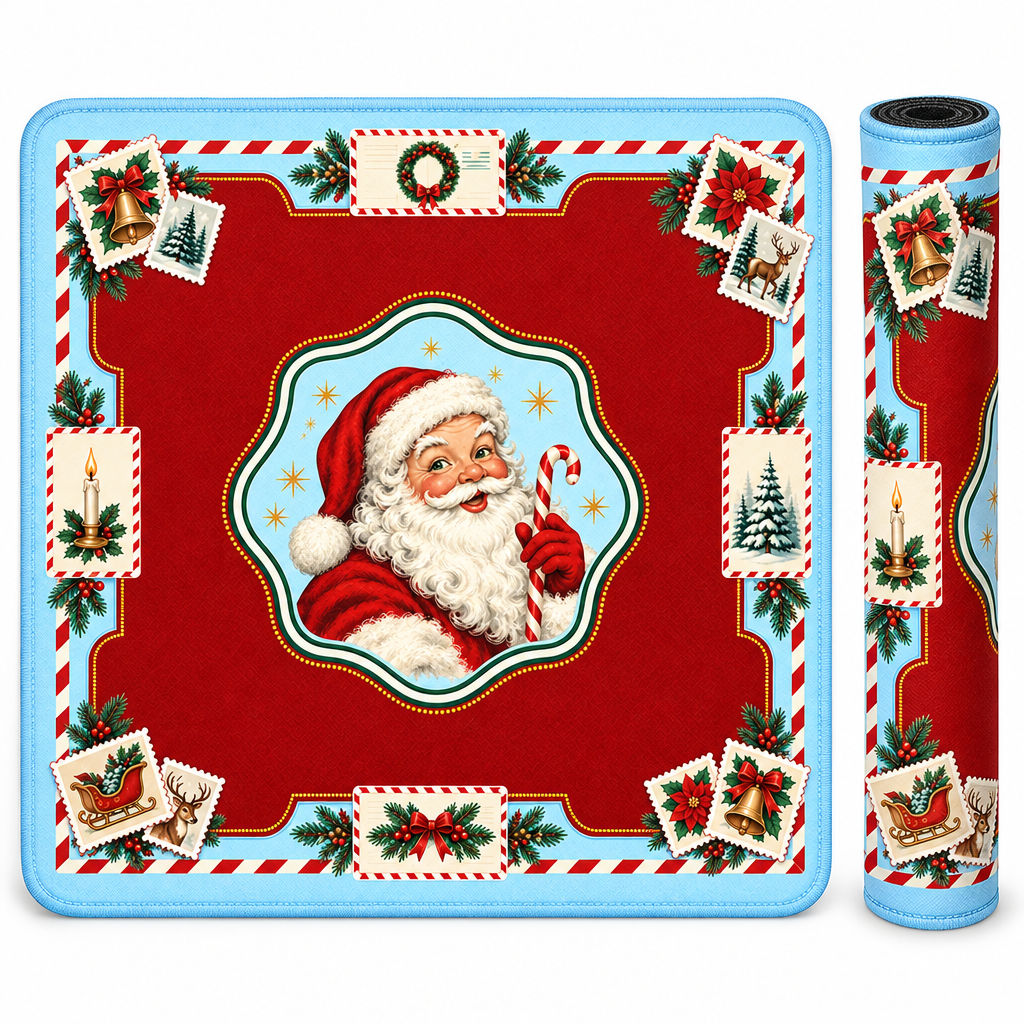
Our mahjong mat collection ranges from simple felt surfaces to precision designs with guides and markers. For regular play, look for non-slip backing, clear tile zones, and portability. We've got designs for every group size and game frequency.


View More
View More
View More
