
Discard in Mahjong: Examples, Strategy & Common Mistakes
Last updated: Nov 23, 2026
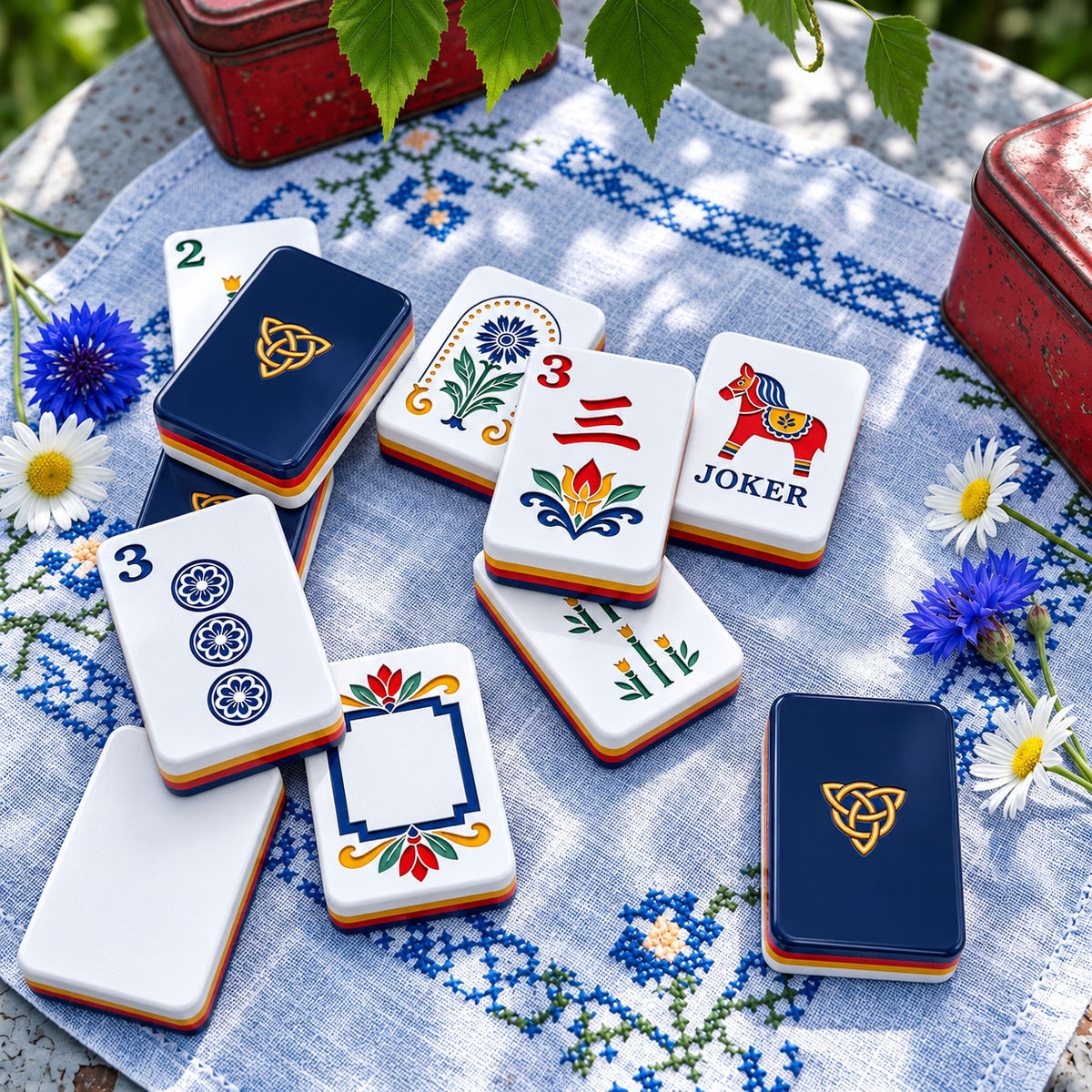
In American mahjong, you discard (throw face-up into the center) one tile after drawing, keeping your hand at 14 tiles. A discard must be a single tile—never a pair, pung, or exposed set. Your discard choices broadcast your intentions: throwing high numbers early suggests you're building low-number hands; holding dragons signals dragon-based combinations. Most players discard "safe" tiles (those recently played by opponents or duplicates of exposed pungs) to avoid being called for a winning pung. The National Mah Jongg League card governs which hands win; you build one matching hand all game. Common mistake: discarding tiles you need just because you drew them—always check the card first.
What exactly counts as a legal discard?
Every discard must be a single tile only. You cannot discard a pair, a pung (three matching tiles), a kong (four), or any other combination. If you've exposed a pung or kong on the table, you still discard one tile from your hand afterward. The discard must be removed from your hand completely—you cannot hold it half-out or place it ambiguously. In American mahjong, only one tile leaves your hand per turn; that separation is what keeps the game balanced and readable by all players.

How do you decide which tile to discard safely?
Safe discards reduce your risk of feeding an opponent a winning tile. Start by reviewing which tiles have already been played or exposed on the table. If three copies of a tile have been discarded or shown in pungs, the fourth is usually safe—your opponents are unlikely to need it. Tiles that match an opponent's recent discard are safer because they just played it and probably aren't collecting it. Conversely, avoid throwing tiles that could complete common hands on the current year's card—if the card shows many hands using 7 Dots paired with dragons, holding your 7 Dots longer protects you. Track what others throw: a player discarding only Craks is signaling they don't need them, so a Crak is relatively safe to play after them. This reading skill separates cautious players from strong ones.
🀄 Shop best-selling mahjong sets →
What's the difference between discarding for safety vs. offense?
Defensive discard prioritizes not feeding opponents; offensive discard prioritizes completing your own hand quickly. Early in the game, many players lean defensive—throwing terminal tiles (1s and 9s) or wind tiles they don't collect. Once you've exposed pungs or kongs that match a hand on the card, offense takes over: you discard only tiles that won't help you. If you're chasing a hand that needs 2 Bams, 3 Craks, and Dragons, every other tile becomes a target discard. Advanced players read the table: if one player has exposed two dragon pungs, discarding dragons becomes safe because that player likely won't call them. The best approach shifts mid-game—play defensively until you're close to winning, then throw only tiles you can't use.
How do sequences of discards reveal your hand?
Every discard tells a story. If you throw three flowers early and never return to them, the table learns flowers aren't part of your target hand. If you discard high numbers (6–9) but hold 1s, 2s, and 3s, experienced opponents deduce you're building a low-hand sequence. Similarly, holding dragons while discarding only one suit signals a dragon-heavy combination. Strategic players use this to their advantage: they might discard "tells" intentionally—throwing a wind early to suggest they don't need winds, then later protecting and playing a wind-heavy hand. Conversely, unpredictable discard patterns confuse opponents but also hurt you: if nobody understands your strategy, they can't feed you tiles for your real hand. How to read the mahjong card teaches you to spot which hands overlap, so you throw tiles that mislead without derailing your own win.
When should you discard a joker?
Jokers are the most powerful tiles: they substitute for any other tile in exposed sets (pungs, kongs, quints, sextets). Never discard a joker casually. Jokers are only useful in exposed combinations, not in your hidden hand. If you're building a hand that requires an exposed pung and you've drawn a joker, keep it—you'll use it to complete that pung. Discard jokers when: (1) your target hand requires no exposed sets (some hands are all concealed pairs and pungs); (2) you've already exposed all the sets your hand needs; (3) another player has exposed a pung and called tiles, but you can still win without jokers. Throwing a joker early signals you don't need exposure-heavy hands; opponents will discard carefully, knowing you won't call easily. How jokers work explores legal joker plays and which hands allow joker substitution—critical reading before you commit to a discard.

Common discard mistakes and how to avoid them
Mistake | What happens | How to avoid it |
Discard a tile you actually need | You block your own win; opponent may call it instead | Check the card every turn; mark your target hand clearly |
Throw tiles too predictably | Opponents read your hand; they feed strategically against you | Mix defensive and offensive discards; vary your rhythm |
Discard without checking exposure | You feed a player who's one tile from winning | Count exposures; ask who can call what before throwing |
Play too defensively early | You never build momentum; you miss your win window | By turn 4–5, commit to your hand and discard offense |
Discard a joker unnecessarily | You lose your only wild card for exposure | Reserve jokers for hands that require exposed sets |
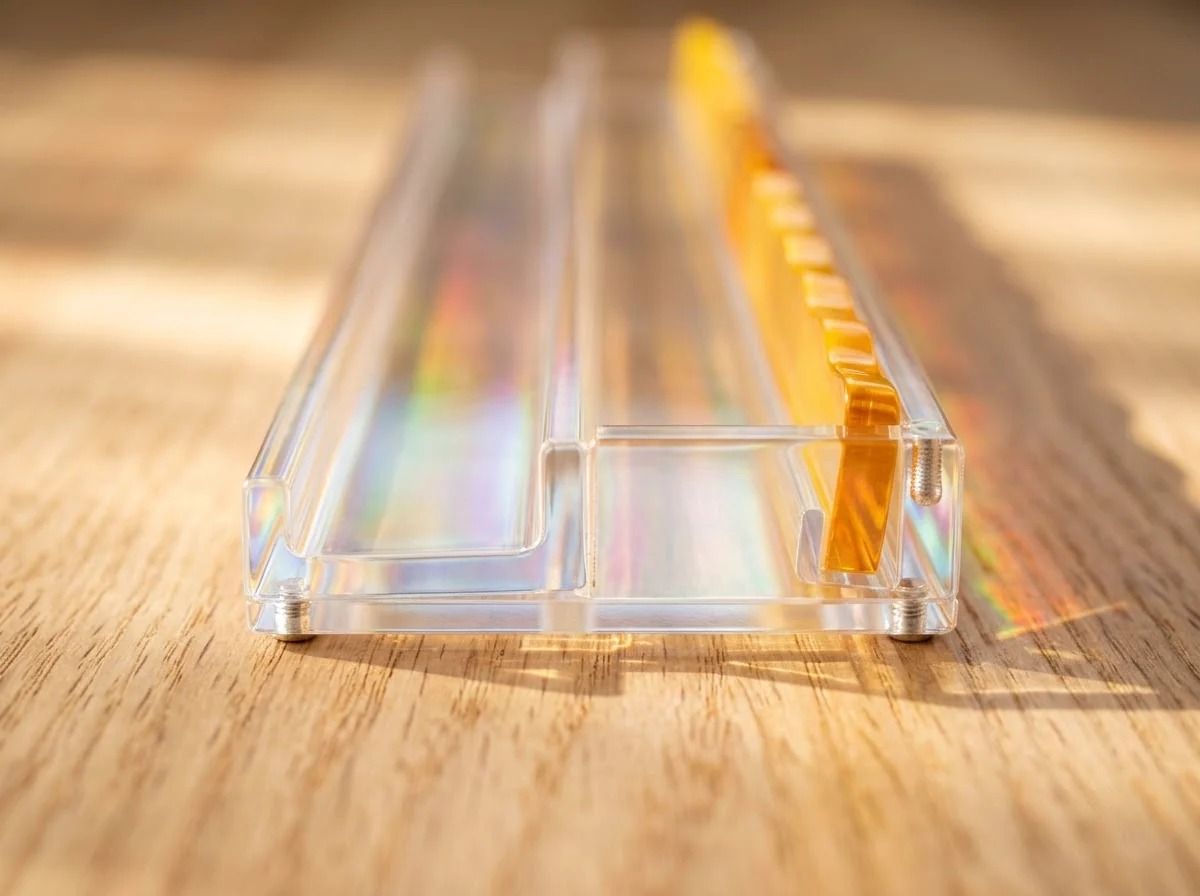
Using mahjong racks with pushers helps you organize tiles visually so you never grab the wrong discard in haste. A clear rack layout—suits grouped, numbers in order—gives you a half-second to double-check before throwing.
🎁 See our most-loved mahjong sets & accessories →
How discard strategy differs in other mahjong variants
American mahjong is unique: you discard one tile per turn, building one pre-announced hand from the card. Chinese mahjong also requires one discard per turn but plays without a card—you form hands on the fly, meaning your discard strategy shifts constantly based on what melds appear. Hong Kong mahjong plays similarly to Chinese but uses different point values and hand rankings, so discards carry different weight. Riichi mahjong (Japanese) requires a "ready" declaration when you're one tile from winning; your discard becomes a signal, and opponents gain information earlier. Taiwanese mahjong includes bonus tiles and flowers with special rules—discards interact with these differently. In all variants, the core principle holds: every tile you throw is either a safety play or a deliberate risk. If you're learning American mahjong, focus on the card, the exposures visible on the table, and the tiles already played. That trio alone will sharpen your discard judgment far faster than memorizing variant rules.
Building a discard rhythm that works for your table
Strong players develop a discard rhythm: they pick up a tile, glance at the card, check the table exposures, and throw in under 10 seconds. Rushed discards leak information; endless hesitation annoys opponents and telegraphs indecision. Early-game rhythm is "quick and safe"—you're checking for obvious plays but not deliberating. Mid-game rhythm shifts to "measured offense"—you pause slightly to confirm your hand target and ensure you're not discarding a piece you'll regret. Late-game rhythm is "sharp focus"—you're throwing only tiles you've confirmed don't belong in your hand. Practice this tempo by playing weekly; over time, your eye trains to spot safe discards and your instinct speeds up. A well-made mahjong mat with clearly marked discard zone keeps play moving and reduces confusion about which tiles are live.
What to check before you buy a mahjong set for your regular game
If you're hosting weekly games, a high-quality set ensures discards are crisp and visible. Tile clarity: acrylic tiles should have sharp, legible markings so you read discards from three feet away without squinting. Rack quality: racks should hold tiles firmly but allow smooth extraction—poor racks jam during discard, causing hesitation and mistakes. Table space: ensure your mat or table has a clear, uncluttered discard zone so seven or eight tiles discarded per hand lie flat and visible. Durability: tiles used 50+ times per year should resist chipping; cheap sets degrade fast and become hard to read. Consistency: all 152 tiles should feel identical in weight and texture so no player subconsciously favors certain tiles. Mahstead's best-selling mahjong sets are acrylic, individually engraved for clarity, and designed for repeated play. Each set ships with racks and pushers, so you have everything to organize your hand and execute clean discards from day one.
✨ Find your Mahstead set — free US shipping →
Practicing discard decisions: a three-hand drill
Work through this drill with your regular group to sharpen discard judgment. Hand 1: Everyone draws their starting hand (13 tiles plus the dealer's 14). Study the card. Without drawing from the wall, everyone discards one tile they're confident is safe. No discussion yet—just write down your discard choice. Then, reveal: did you agree? If not, discuss why one discard was safer than another. This teaches you to read the card and think risk together. Hand 2: Play a real hand but pause after turn 5. Everyone shares which hand they're chasing and why their last discard fit that plan. This builds transparency and trains you to track multiple hands at once. Hand 3: Play to completion; after someone wins (or the wall empties), debrief the discard chain—which throw created the winning opportunity? Which discard fed the winner that tile? This post-game review cements the link between your choices and outcomes. Repeat once a week for a month and your discard confidence will sharpen noticeably.
FAQ
Can I discard a tile that's already been discarded three times this hand?
Yes, absolutely. If three 5 Dots have been thrown face-up, the fourth is almost always safe—your opponents already passed on it twice. High-level players use this: they'll hold a repeated tile until late game, then throw it knowing opponents won't collect it.
What's the safest tile to discard when I'm nervous?
Discard a terminal tile (1 or 9) of a suit where you see all three copies already played. If three 9 Craks are visible, the fourth is nearly guaranteed safe. Terminals are also less useful in most hands on the current card.
If someone calls my discard for a pung, can I take back that tile?
No. Once a tile hits the table, you cannot reclaim it. This is why you pause and verify your choice before releasing. In some friendly games, players allow a "take-back" within five seconds, but standard American mahjong rules prohibit it.
Should I ever discard a tile I might need later?
Only if the risk of feeding an opponent is higher than the risk of missing your own hand. If you're chasing a hand heavy in 2s and 3s but you drew a 2 Dot and three players have already discarded flowers, throwing the flower is safer than hoarding every 2.
How do I know if a tile is "too dangerous" to discard?
A tile is dangerous if: (1) only one or two copies have been played, (2) a player hasn't discarded that suit heavily, (3) that tile fits multiple common hands on this year's card. If you're unsure, hold it until you spot more information—sometimes a few more turns reveal whether it's safe.
Can I discard the same tile every turn as a strategy?
No—you only have one copy of each tile in your hand (unless you're holding two from different draws or exposed sets). Once you discard a tile, it's gone from your hand. If you draw a second copy later, you could discard it, but you can't repeat the same tile twice per hand unless you've drawn it twice.


View More
View More
View More
