
Designer Automatic Mahjong Table: What to Know Before Buying
Last updated: Nov 23, 2026
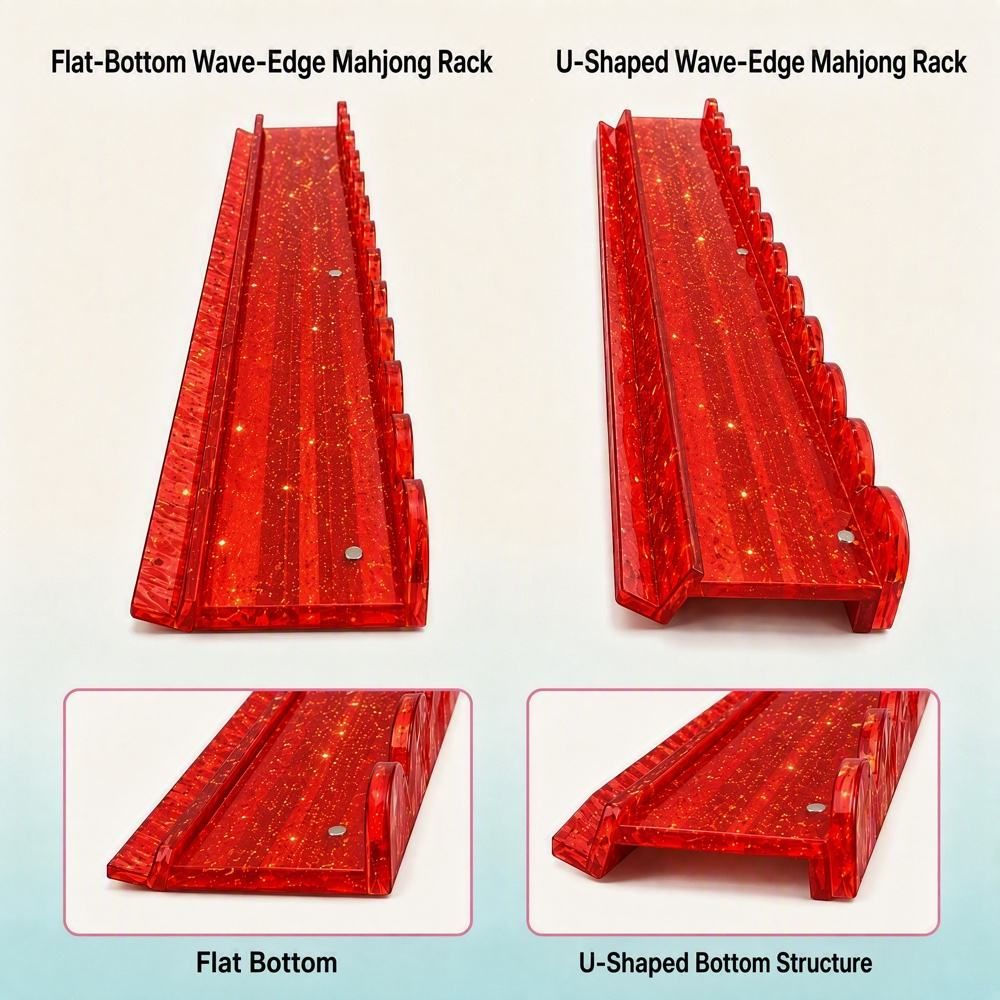
A designer automatic mahjong table is a motorized cabinet that shuffles, stacks, and presents tiles at the push of a button—no manual mixing or hand-dealing. Most feature built-in racks, cup holders, and a smooth playing surface. They're sold by specialty retailers and range widely in cost and build quality. Automatic tables suit serious weekly groups with consistent player counts and space to spare; casual players or those who move games often do better with a portable mat and best-selling mahjong sets. Setup time drops from 15 minutes to seconds, but they're heavy, require floor space roughly 4×4 feet, and need electrical power. Before buying, confirm tile count (American mahjong uses exactly 152 tiles), verify the machine shuffles evenly, and test noise level—some motors run loud during a hand, breaking focus. Mahstead specializes in tile-based play, so we recommend pairing any table with quality hand-picked sets and mahjong mats for backup games or travel. 🀄 Shop best-selling mahjong sets →
Are Automatic Tables Worth the Investment for Home Play?
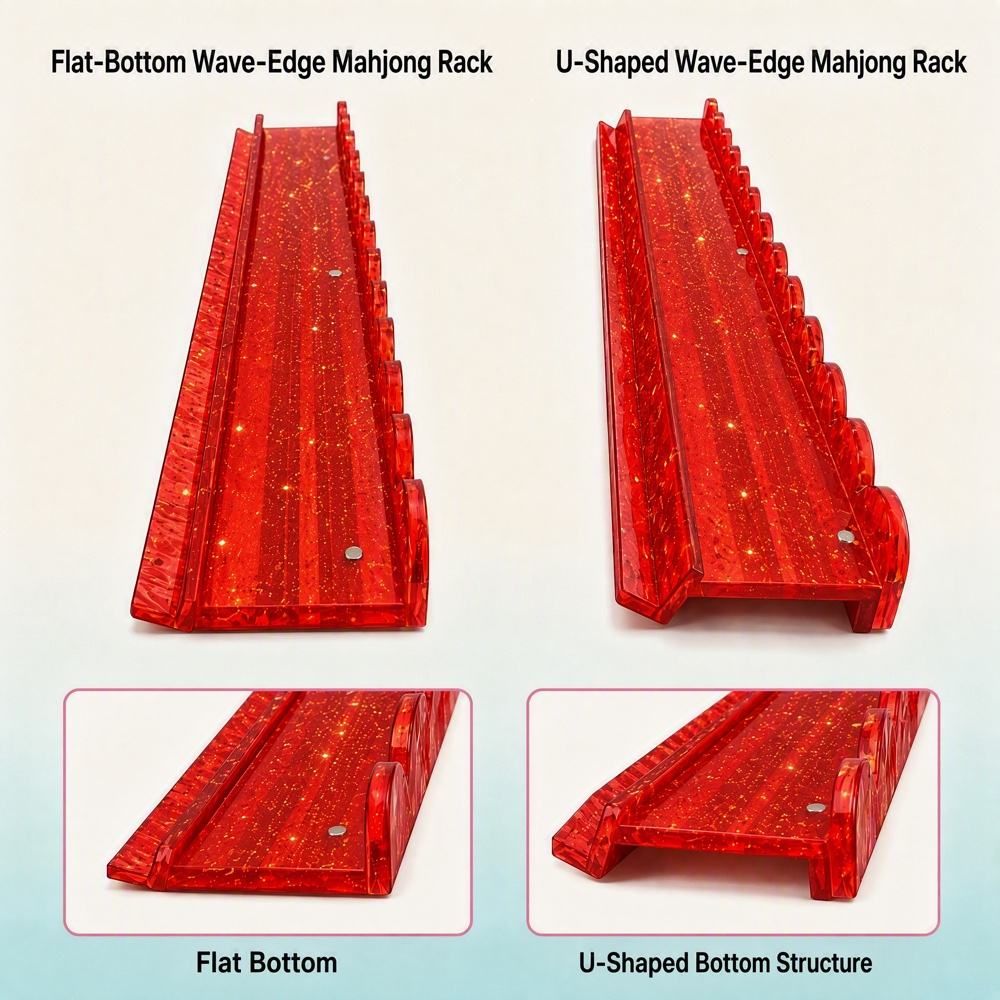
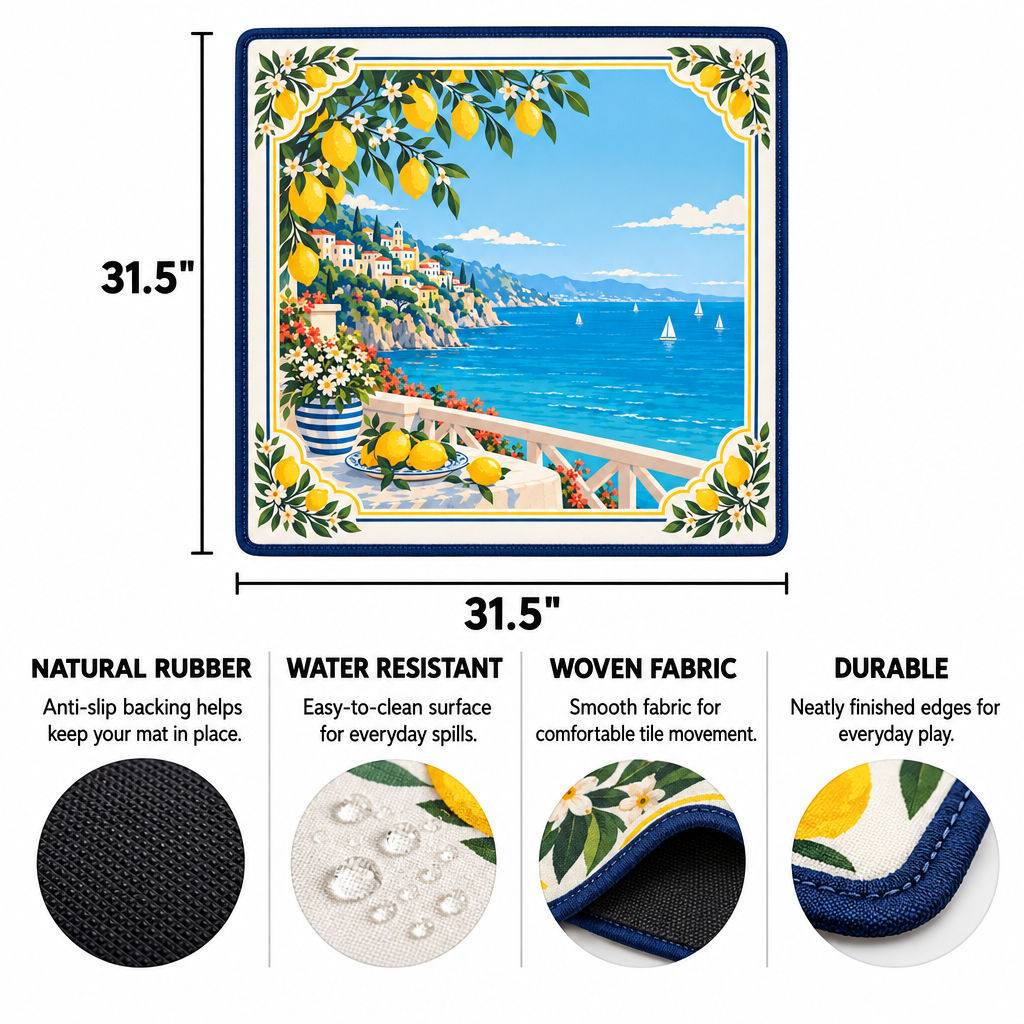
An automatic table makes sense if your group plays the same four people weekly, you have dedicated space, and setup speed matters more than portability. If your game rotates players, moves between homes, or plays casually once a month, a mat and portable mahjong racks with pushers deliver the same game for a fraction of the cost and storage footprint. Serious players who appreciate mechanical precision often find automatic shuffling reduces dealer fatigue—but the machine becomes a second player at the table, consuming electricity and attention. A mat rolls up; a table sits permanently.
What Size and Layout Do You Actually Need?
Automatic tables are built in two main footprints: compact (roughly 36–40 inches per side) and full-size (48–54 inches). Compact models suit smaller living rooms but cramp reach around the table; full-size gives comfort but demands a dedicated room. Measure your space, accounting for chairs on all four sides and 18 inches of clearance for players to stand and lean. The playing surface should be hard and smooth—some budget models use felt that wears quickly or grabs tiles. Check whether the table has built-in cup holders, score racks, and wall outlets nearby. Tile layout matters too: the machine must present tiles in four equal racks so each player draws from their own row without reaching across—if the mechanism bunches tiles toward one side, you'll fight the design every hand.
How Does an Automatic Shuffle Compare to Hand-Mixing the Charleston?
An automatic table skips the Charleston, the tile-passing ritual that takes 2–3 minutes before each hand and builds social momentum. Instead, you press a button and wait 30–60 seconds. Some players miss the tactile mixing and conversation; others see it as efficient. The machine's randomness is mathematically sound but feels different: it lacks the human element of intentional passing strategies. For serious ranked play or tournaments, an automatic table is neutral and consistent. For casual home games, losing the Charleston loses a layer of the experience. If your group values efficiency over tradition, automatic works; if tiles and passing define your social hour, a mat setup keeps the ritual alive.
✨ Find your Mahstead set — free US shipping →
What Should You Check Before Ordering an Automatic Table?
Use this checklist before committing:
Tile count: Confirm it holds exactly 152 tiles plus spares (8 jokers); American mahjong requires no more, no less.
Shuffle evenness: Watch videos or ask vendors whether the machine distributes tiles fairly or bunches them—repeated clumping means poor design.
Noise level: Test during a hand at full volume; if you can't hear the discard caller, the motor is too loud.
Racks and pushers: Check whether they're built-in and easy to adjust; some tables force awkward tile heights or widths.
Playing surface: Feel the finish—it should be smooth, not sticky or slippery, so tiles don't slide mid-hand.
Electrical needs: Measure outlet distance; some tables need 110V and draw steady power, raising utility costs.
Replacement parts: Ask about repair availability and costs; a broken tile rail can sideline the table for weeks.
Warranty: Get it in writing and verify the seller honors it—many online deals skip support.
Factor | Automatic Table | Mat + Racks Setup |
Setup time | 30–60 seconds | 10–15 minutes |
Portability | Not portable; needs dedicated floor space | Rolls into a bag; travels easily |
Cost | Significant upfront investment | Lower entry, spreads over time |
Mechanical skill | Requires troubleshooting if shuffle fails | No moving parts; lasts decades |
Social ritual | Removes the Charleston | Keeps tile-passing and negotiation |
Noise during play | Can be disruptive | Silent |
Best for | Weekly consistent four-player groups | Casual play, rotating players, travel |
Designer Sets and Mats: The Perfect Pairing
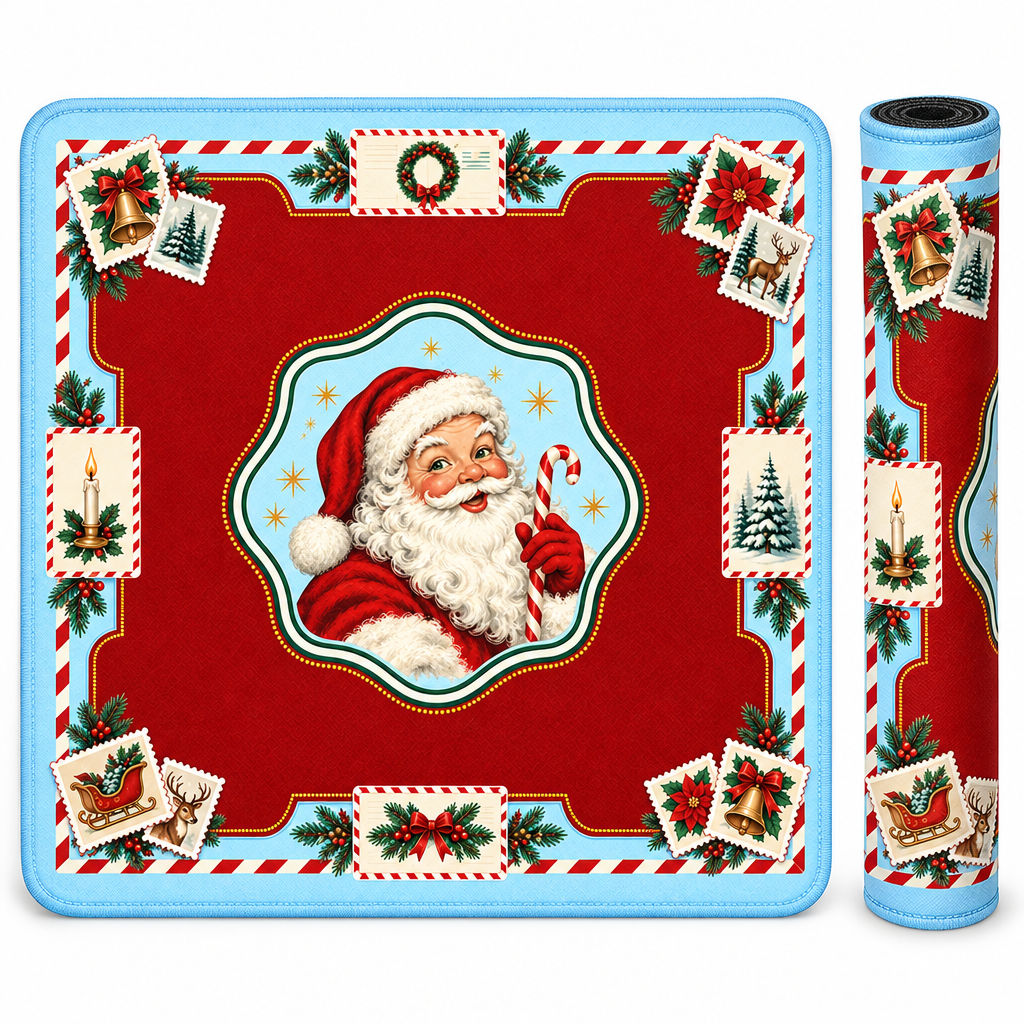
Whether you buy an automatic table or stick with a mat and rack setup, the quality of your tiles matters as much as the setup speed. A cheap tile set plays poorly—edges fray, colors fade, numbers blur. Engraved American mahjong sets with clean lettering and durable acrylic last decades and feel professional in your hand. If you own an automatic table, pair it with backup portable sets for when players visit but want to play at a regular table, or for vacation houses. We've seen groups buy an automatic table, then realize they want the same quality and customization from a portable best-selling mahjong set for flexibility. Automatic doesn't replace good tiles—it complements them.
🎁 See our most-loved mahjong sets & accessories →
Common Mistakes: What Players Get Wrong About Automatic Tables
Assuming all motors shuffle equally. Some machines bias certain tiles, leading to non-random hands—watch unboxing and gameplay videos before ordering.
Ignoring noise during active play. A loud shuffle in the middle of scoring breaks concentration; test decibel levels, not just marketing claims.
Skipping the Charleston without establishing house rules. If your table auto-shuffles, you still need to agree: Do we keep the ceremonial passing for tradition, or skip it? This prevents conflicts.
Forgetting that automatic tables still need human dealers. The machine presents tiles, but a player must declare their hand, manage kongs, and track the live wall—automation doesn't referee the game.
Buying a table too small for four players. Measure reach and elbow room first; a cramped table drives players to a mat in the living room anyway.
Not accounting for long-term maintenance. Tile dispensers jam, motors wear out, and surface finishes scratch—factor in repairs before the five-year mark.
What to Check Before You Buy
Verify tile capacity against the American mahjong standard of 152 tiles.
Watch shuffle tests on independent videos; ask the seller about randomness audits.
Test noise levels during active play, not just startup.
Measure your space: table footprint + 18 inches clearance on all sides + chair depth.
Check warranty terms: What's covered, for how long, and who pays shipping for repairs?
Inspect the playing surface: Smooth, even, and resistant to scratching.
Verify electrical needs: Outlet proximity, voltage, and estimated monthly draw.
Compare backup plan: Keep a portable mat and set on hand if the table fails mid-season.
FAQ
Do automatic mahjong tables work with American mahjong, or only Chinese?
Most tables accommodate American mahjong (152 tiles), but always confirm the tile count and verify the machine doesn't assume a different variant. Some imported tables shuffle for other games; ask the seller directly.
Can I use my own custom tile set in an automatic table?
Yes, if your tiles match standard American mahjong dimensions and weight. Oversized, chipped, or warped tiles jam mechanisms; quality engraved sets are less likely to cause problems than cheap knockoffs.
How long does a shuffle cycle take, and can I interrupt it?
Most machines shuffle in 30–90 seconds depending on tile count and motor type. Rarely can you stop mid-cycle safely; check the manual before your first order. Quick shuffles sometimes sacrifice randomness.
Is an automatic table quieter or louder than I expect?
Motors vary widely—some hum quietly, others rumble audibly during a hand. Watch unboxing videos with sound unmuted, or ask the seller for decibel ratings. Loud tables interrupt conversation and focus.
What's the lifespan of an automatic mahjong table?
Well-maintained tables last 10–15 years; motor burnout and tile dispenser jamming are common failures after 5–7 years of weekly play. Budget for repairs or replacement parts.
Can I move an automatic table to a different room or house?
Possible but difficult—most weigh 200+ pounds, require re-leveling, and need electrical reconnection. They're designed for permanent placement. For portability, a mat and portable racks make more sense.


View More
View More
View More
